

 EN
EN
 AR
AR CS
CS DA
DA NL
NL FI
FI FR
FR DE
DE EL
EL IT
IT JA
JA KO
KO NO
NO PL
PL PT
PT RO
RO RU
RU ES
ES SV
SV TL
TL IW
IW ID
ID LV
LV SR
SR SK
SK VI
VI HU
HU MT
MT TH
TH TR
TR FA
FA MS
MS GA
GA CY
CY IS
IS KA
KA UR
UR LA
LA TA
TA MY
MY
Rural infrastructure construction — roads through remote highlands, irrigation channels across rocky farmland, bridge approaches in villages — runs on small and compact excavators. The 1–5 ton mini excavator is the standard rural machine in most developing markets. The breaker that fits it is a different product from the equipment this series covers in mining and quarrying, and it has its own selection logic and operating discipline.
Why Small-Class Selection Matters More, Not Less
On a large excavator, an oversized breaker costs productivity and causes carrier stress. On a 2-ton mini excavator, an oversized breaker causes immediate instability and structural damage. The 10% weight rule — breaker at roughly 10% of carrier operating weight — is a guideline on large machines and a hard constraint on small ones. A 2-ton mini excavator carrying a 350 kg breaker is at the absolute upper end of what the machine can handle. A 500 kg unit tips the machine during operation and produces weldment cracks in the boom within days.
Small-class breakers cover a wide performance range. Furukawa's small series runs from 150 ft-lb at the compact end to 800 ft-lb at the larger small-class limit. That upper end handles limestone and soft basalt effectively for a rural road cut. The lower end is suited to concrete foundations and compacted clay. Matching within that range to the actual material — not just the machine tonnage — determines whether the job gets done efficiently or slowly with excessive tool wear.
Operating Skills for Remote Rural Conditions
Rural infrastructure sites have two characteristics that change operating practice: no nearby service support, and no generator power for specialty equipment. The operator is also often the mechanic. This makes two disciplines more important than they are on a large commercial site. First: greasing. Small breakers with 40–75mm chisels need grease every 2 hours of operation at minimum — and on a rural site with dust and grit, more frequently. Running dry turns the bushing into scrap metal within a shift, and the nearest replacement part may be a week away. Second: avoiding blank firing. On a mini excavator, blank firing sends the shockwave through a carrier that weighs 1.5–5 tonnes. The entire machine shudders. Boom damage accumulates fast. Every blank-fire event damages the retaining pins and front head.
For rural sites with hard rock patches in otherwise soft material, a variable-frequency small breaker handles the transition between materials without changing tools. High BPM for the soft zones; the breaker automatically or manually adjusts when rock is encountered.
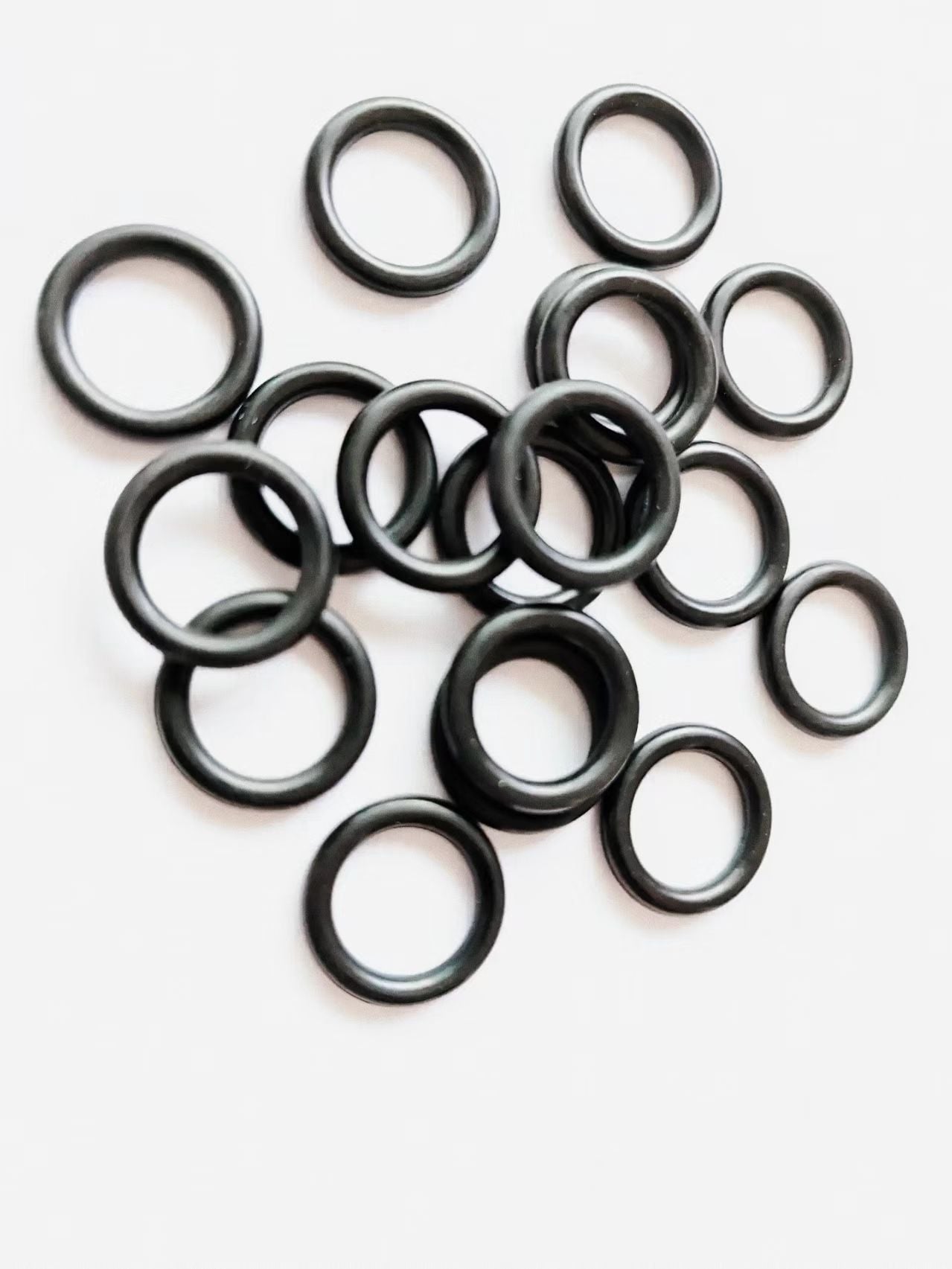
HOVOO and HOUFU supply small-class seal kits and chisel sets for compact breaker models with 40–135mm shanks, compatible with BEILITE compact models and Furukawa, Soosan, and other small-class platforms commonly found in rural fleet procurement. Details at https://www.hovooseal.com/
Rural Infrastructure Application Guide
Rural application |
Suitable small breaker class |
Key operating constraint |
Road building through rock outcrop |
8–15 ton carrier; 90–135mm chisel; 300–600 BPM |
Match breaker to carrier; oversizing causes boom fatigue on light machines |
Irrigation channel through hard soil/rock |
Compact 2–8 ton; 50–90mm moil; 400–800 BPM |
Wet methods for dust in confined trench; rotate chisel position every 30 sec |
Foundation breaking for rural buildings |
Mini excavator 1–5 ton; 40–75mm chisel |
Never blank-fire; low carrier weight = recoil transfers directly to boom |
Bridge abutment rock clearing |
8–15 ton; mid-range wedge or moil |
Water suppression near populated areas; noise-reduced housing if near dwellings |
small hydraulic breaker rural infrastructure | mini excavator breaker selection | compact breaker road building | village rural construction breaker | HOVOO | HOUFU | hovooseal.com


