EN
EN
 AR
AR CS
CS DA
DA NL
NL FI
FI FR
FR DE
DE EL
EL IT
IT JA
JA KO
KO NO
NO PL
PL PT
PT RO
RO RU
RU ES
ES SV
SV TL
TL IW
IW ID
ID LV
LV SR
SR SK
SK VI
VI HU
HU MT
MT TH
TH TR
TR FA
FA MS
MS GA
GA CY
CY IS
IS KA
KA UR
UR LA
LA TA
TA MY
MY
Seal selection by drive type — HOVOO / HOUFU
Two Different Energy Sources, Two Different Failure Modes
Hydraulic and pneumatic breakers share a surface resemblance — both use a piston to strike a chisel. The energy source, pressure levels, duty cycle tolerance, and dominant failure mode differ enough that they are genuinely different equipment categories rather than variants of the same tool. Hydraulic units operate at 80–330 bar with oil as the medium; pneumatic units operate at 6–12 bar with compressed air. The hydraulic circuit creates heat, contamination risk, and seal stress that the pneumatic circuit does not. The pneumatic circuit creates moisture ingress, corrosion, and condensation problems that hydraulic circuits avoid entirely. Neither problem set is worse — they are just different, and the maintenance discipline required is different.
The application split follows the energy limit rather than the size preference. Hydraulic breakers dominate wherever the carrier machine's hydraulic circuit can deliver adequate flow — essentially all excavator-mounted work. Pneumatic breakers remain preferred in three specific scenarios: locations where a hydraulic carrier cannot access; indoor or underground environments where hydraulic oil leaks are an unacceptable contamination risk; and light demolition tasks where the lower energy of pneumatic suits the material better than the minimum practical hydraulic unit. The decision between them is therefore less about preference and more about whether a hydraulic carrier can reach the work and whether oil contamination risk is acceptable.
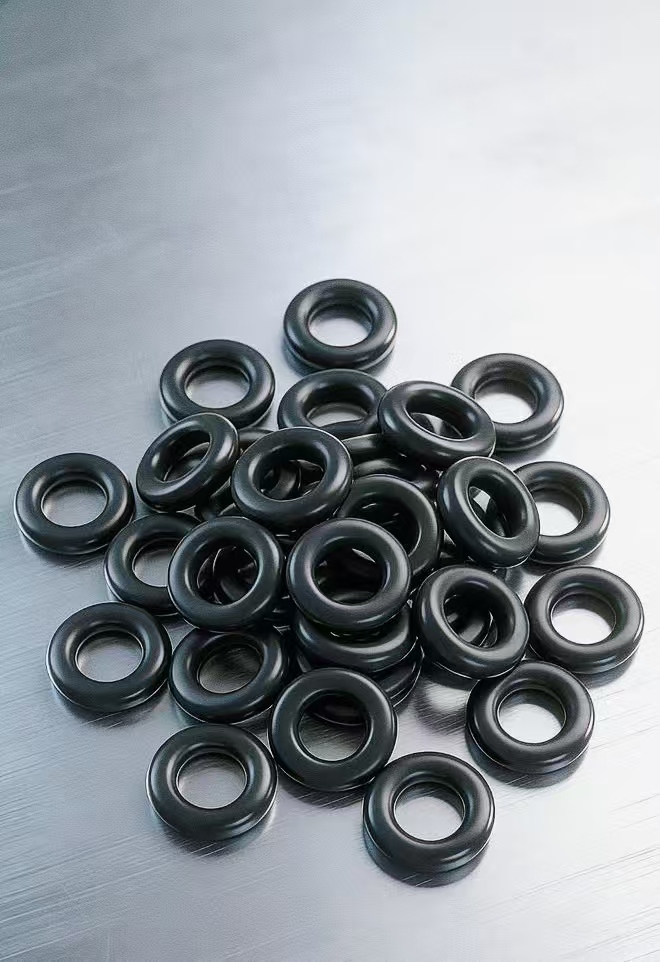
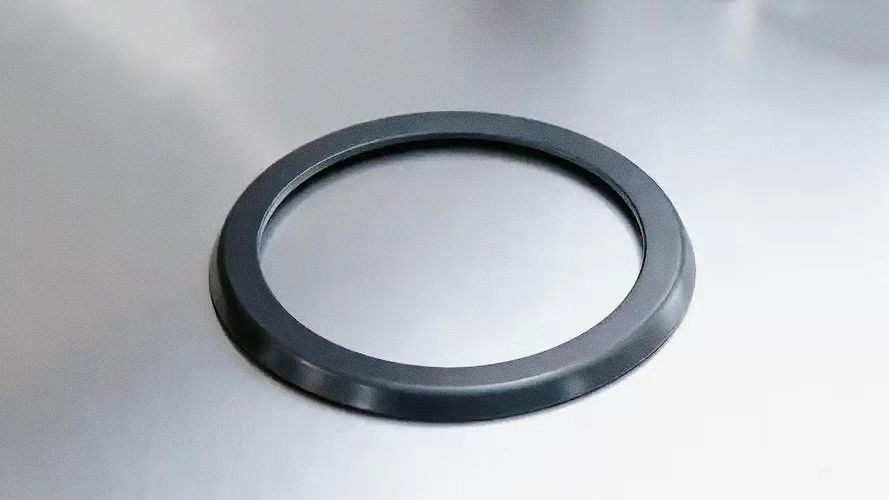
Seal requirements diverge sharply. Hydraulic breakers use high-pressure dynamic seals (piston rod seals, U-cups, valve seats) rated for 80–330 bar oil service. HOVOO and HOUFU hydraulic breaker seal kits address this range. Pneumatic breakers use low-pressure dynamic seals rated for 6–12 bar air service with primary concern for moisture and wear rather than pressure; HOUFU rubber O-ring sets for pneumatic percussion tools are available as a separate product family from the hydraulic series.
Type |
Drive medium |
Best application |
Seal requirement |
Hydraulic (excavator-mounted) |
Oil at 80–330 bar |
All excavator-reachable work; primary breaking; continuous duty |
HOVOO/HOUFU high-pressure piston, U-cup, valve seat seals — see scale class from Article 91 |
Pneumatic (handheld / light) |
Compressed air at 6–12 bar |
Indoor, no-carrier-access sites, oil-contamination-sensitive; light demolition |
Low-pressure rubber O-ring sets; moisture-barrier compound; HOUFU rubber O-ring family for air tool service |
Pneumatic (rockdrill / heavy) |
Compressed air at 8–15 bar |
Underground mining where hydraulic carriers cannot operate; drill-and-blast support |
Moisture-stable nitrile or EPDM O-rings; HOUFU EPDM O-ring kits for wet underground pneumatic service |
What Pneumatic Cannot Replace and What It Does Better
Hydraulic breakers have displaced pneumatic in every application where carrier access is available, because the energy density per unit weight of a hydraulic unit exceeds a pneumatic unit of the same mass by a factor of 3–5. A 200 kg hydraulic breaker on a 5-tonne mini-excavator delivers more impact energy per blow than a 200 kg pneumatic rock drill on a compressor rig. The operational advantage is unambiguous for any task the excavator can reach. Pneumatic retains genuine advantages in two conditions. First, handheld pneumatic jackhammers remain practical for work the excavator cannot physically position — interior building work, narrow stairwells, work platforms where an excavator cannot operate. Second, pneumatic is intrinsically safe in explosive atmosphere environments where hydraulic oil mist would create ignition risk. That safety argument is not theoretical in certain underground mining and petroleum facility applications.