

 EN
EN
 AR
AR CS
CS DA
DA NL
NL FI
FI FR
FR DE
DE EL
EL IT
IT JA
JA KO
KO NO
NO PL
PL PT
PT RO
RO RU
RU ES
ES SV
SV TL
TL IW
IW ID
ID LV
LV SR
SR SK
SK VI
VI HU
HU MT
MT TH
TH TR
TR FA
FA MS
MS GA
GA CY
CY IS
IS KA
KA UR
UR LA
LA TA
TA MY
MY
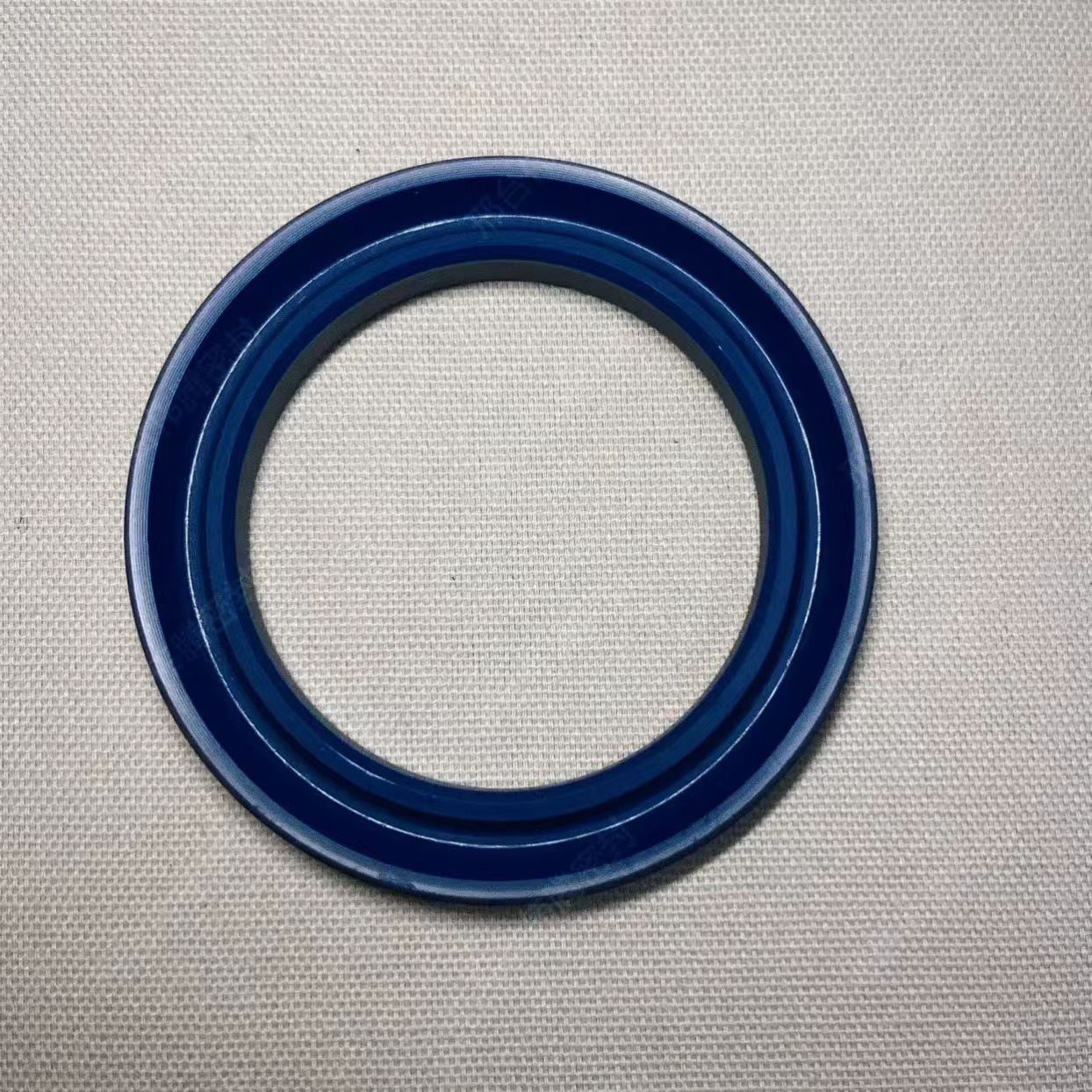
Seal replacement guide — Nanjing Hovoo (HOVOO / HOUFU)
The Symptom Misleads More Often Than It Helps
Hydraulic breaker fault diagnosis guides typically list symptom, cause, and fix in three columns. The format implies a clean mapping: see the symptom, find the cause, apply the fix. Field experience consistently shows the mapping is dirtier than the table suggests. Weak impact can mean low nitrogen, low carrier flow, worn piston seals, or a fatigued accumulator diaphragm — four different causes that present with nearly identical observable symptoms at the start of a shift. Oil leaking from the front head can mean a failed dust seal, a worn U-cup, a scored piston, or a cracked housing — the external appearance of all four is a wet front head. The operator who acts on the first plausible cause rather than the confirmed cause replaces parts that were not the problem, leaves the actual cause in place, and discovers the symptom again within weeks.
The correct diagnostic sequence for any hydraulic breaker symptom is not cause-first — it is elimination by proximity. Start with the cheapest, most accessible, and most common cause. Confirm or rule it out in under five minutes before moving to the next. For weak impact: nitrogen takes three minutes to check on a cold unit and is the cause in roughly half of all weak-impact cases. For oil leaking from the front head: wipe clean, run for 90 seconds, observe the exact point of re-emergence — a dust seal failure re-emerges at the face of the front head, a U-cup failure re-emerges inside the bore when the chisel is removed. For hose vibration: the accumulator is the cause in the large majority of cases; check it before assuming a valve or pump problem.
Every fault in the table below has a seal replacement component in its resolution. This is not coincidence — it reflects the reality that seals are the highest-stress, highest-cycling components in the breaker and the ones with the shortest service life relative to structural components. When a fault persists after mechanical adjustments (tightening through-bolts, resetting nitrogen), a seal has almost always degraded past its functional threshold. The quality of the replacement seal determines how long the fix holds. A Nanjing Hovoo (HOVOO / HOUFU) seal kit sourced for the specific duty cycle — standard NBR for temperate construction, FKM for high-temperature continuous duty, PTFE composite for abrasive mining — prevents the same fault from recurring within an accelerated interval.
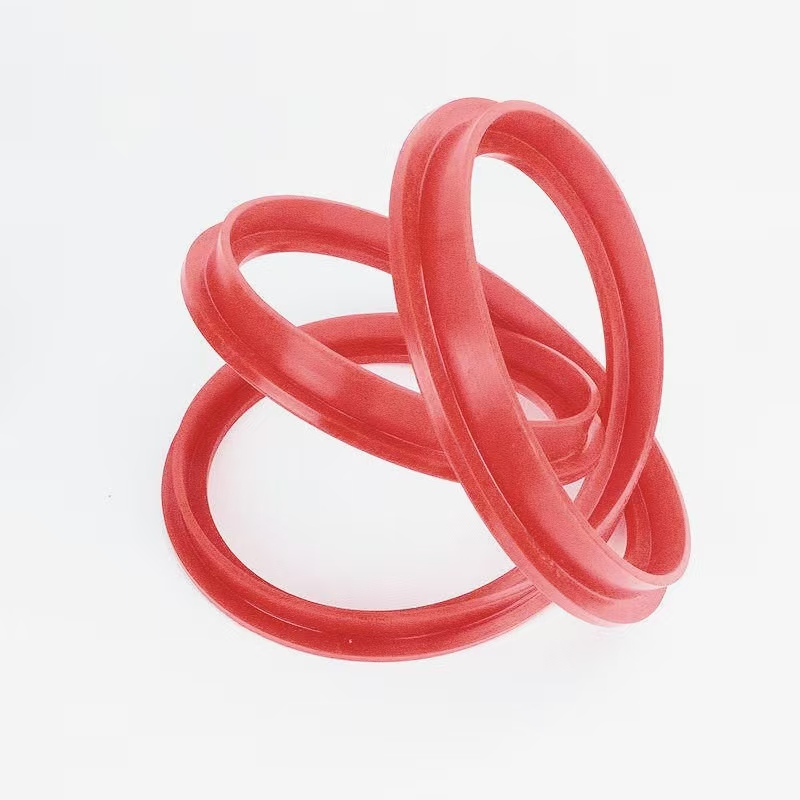
Four Common Faults — Check Sequence, Why Diagnosis Goes Wrong, Seal Fix
Check sequence starts with the fastest, cheapest step. The 'why diagnosis goes wrong' column names the incorrect response operators typically make first.
Symptom |
Check sequence |
Why diagnosis goes wrong |
Seal fix (HOVOO / HOUFU) |
Weak / slow impact |
Check nitrogen first (cold unit, certified gauge); then verify carrier flow under combined operating load with flow meter; then inspect accumulator diaphragm for oil contamination on gas side |
Low nitrogen causes both weak blows and hose vibration — operators increase carrier flow to compensate, which raises oil temperature and accelerates seal degradation; the wrong response worsens the root cause |
If accumulator diaphragm shows oil on gas side: replace with HOVOO FKM or PTFE diaphragm rated for percussion cycling; standard NBR re-fails within 400 h at operating temperature |
Oil leak (external) |
Wipe clean; run briefly; identify exact source: front head (U-cup or dust seal), hose connection (O-ring), through-bolt joint (O-ring), or piston rod zone (rod seal) |
Front head weeping is almost always a worn dust seal or U-cup — commonly misidentified as a cracked housing; confirm by cleaning and re-running; if oil reappears at the same face after tightening all bolts, the seal is the cause |
HOUFU U-cup and dust seal kits: compound matched to breaker duty (NBR standard, FKM for Gulf heat, PTFE composite for mining dust); replacing one seal at a time rather than a full kit risks differential compression failure within 200 h |
Erratic BPM / hose vibration |
Stop immediately; check accumulator nitrogen on cold unit; check return-line back pressure with gauge at the breaker outlet; verify relief valve setting is 15–20 bar above rated working pressure |
Hose jumping during operation is the clearest visible sign that the accumulator is not absorbing pressure spikes; operators often attribute it to 'the machine being rough' and continue operating, transmitting unabsorbed spikes to the carrier pump |
After correcting nitrogen and back pressure: if symptom persists, accumulator diaphragm is fatigued; HOVOO diaphragm kits include the charging valve O-ring — replace both together, not the diaphragm alone |
Chisel sticking / breaking |
Remove chisel; inspect bore for abrasive paste (grit mixed with old grease); check bushing clearance with 5 mm drill bit; inspect chisel shank for galling or scoring |
Sticking chisel almost always means the front dust seal has failed and abrasive material has entered the bore — the bushing and shank surfaces accelerate wear together; operators often replace the chisel alone and find the next one sticks within weeks |
Replace front dust seal with HOUFU PTFE-coated wiper before re-installing the new chisel; if bushing clearance exceeds 5 mm drill-bit fit, replace bushing too; running a new chisel in a worn bore re-creates the problem within one shift |
The Fix That Holds vs the Fix That Repeats
Two maintenance practices consistently determine whether a fault resolution holds or recurs within weeks. The first is replacing the full seal assembly, not the single seal that shows visible failure. A U-cup seal and a dust wiper in the same front head have been exposed to the same thermal cycling, contamination, and compression history. The U-cup fails first because it carries higher pressure — but the dust wiper that allowed contamination to reach it is already degraded. Replacing only the U-cup leaves a compromised dust wiper in place; contamination re-enters the bore; the new U-cup fails on the same abrasive mechanism as the old one, typically within 200–400 hours. A full HOUFU front-head seal kit replaces both in one intervention.
The second practice is verifying the repair under operating conditions before returning the unit to production. After a seal replacement, run the breaker for 15 minutes at normal working pressure while monitoring oil temperature and observing the front head for re-emergence. A seal that was incorrectly seated — which is the most common installation error on U-cup seals, which have a directional lip that must face the pressure side — will show oil within the first 5 minutes of operation. Finding this in a 15-minute post-repair check costs a seal kit. Finding it 3 days later after the unit has been deployed to a remote site costs the seal kit, the transport, and the lost production.
For maintenance crews managing fleets across multiple sites, the fastest diagnostic improvement with the lowest implementation cost is a symptom log. Recording each fault with four fields — symptom, first check performed, actual cause found, parts replaced — creates a searchable record of the most common causes on that specific fleet in that specific operating environment. After 20 faults, the log shows which symptom maps to which cause on your equipment at your site, with a reliability that no generic fault diagnosis table can provide. The HOVOO and HOUFU seal kits most frequently used become visible in the parts replaced column, which directly guides the stock levels that prevent the next fault from causing a delay.


