

 EN
EN
 AR
AR CS
CS DA
DA NL
NL FI
FI FR
FR DE
DE EL
EL IT
IT JA
JA KO
KO NO
NO PL
PL PT
PT RO
RO RU
RU ES
ES SV
SV TL
TL IW
IW ID
ID LV
LV SR
SR SK
SK VI
VI HU
HU MT
MT TH
TH TR
TR FA
FA MS
MS GA
GA CY
CY IS
IS KA
KA UR
UR LA
LA TA
TA MY
MY
A hydraulic breaker that passes every technical specification can still fail to clear customs or win a tender because the paperwork is wrong. Certification requirements vary by destination market, buyer type, and the procurement channel. What works for a private contractor sale in Southeast Asia fails for a government tender in the Middle East. Understanding the actual certification landscape — not just the common assumption that 'CE is enough everywhere' — is the difference between a shipment that clears and one that sits at port.
CE: What It Covers and Where It's Mandatory
CE marking under the EU Machinery Directive (2006/42/EC) is the baseline requirement for hydraulic breakers entering the European single market, the UK (now UKCA post-Brexit), and Turkey. The marking requires a technical file demonstrating conformity with safety requirements, a Declaration of Conformity, and noise and vibration measurements per the Noise Directive (2000/14/EC). The noise declaration is separate from the CE mark — both are required for EU market entry. Manufacturers who skip the noise measurement produce an incomplete compliance package that will be challenged at import.
CE is widely recognised beyond the EU, but its role varies. In sub-Saharan Africa, government procurement contracts — including BRI-funded infrastructure projects — frequently cite CE certification as a minimum condition of supply in their tender specifications. A manufacturer without CE marking is excluded from these tenders regardless of product quality. This matters because China-funded infrastructure accounts for approximately 31% of African projects above $50 million investment level, and procurement rules on those projects typically follow international standards rather than local-only requirements.
Middle East and Region-Specific Requirements
Saudi Arabia introduced the SABER (Saudi Product Safety Program) platform through SASO (Saudi Standards, Metronomy and Quality Organization). Since 2019, regulated products entering Saudi Arabia require a Certificate of Conformity (COC) issued through a SASO-approved certification body before customs clearance. The construction equipment HS code under which hydraulic breakers are classified determines whether the product falls under a mandatory technical regulation or is only subject to voluntary conformity. Exporters should verify the current SASO regulation status for their specific product code before shipment, as the list of regulated products has expanded significantly between 2020 and 2025.
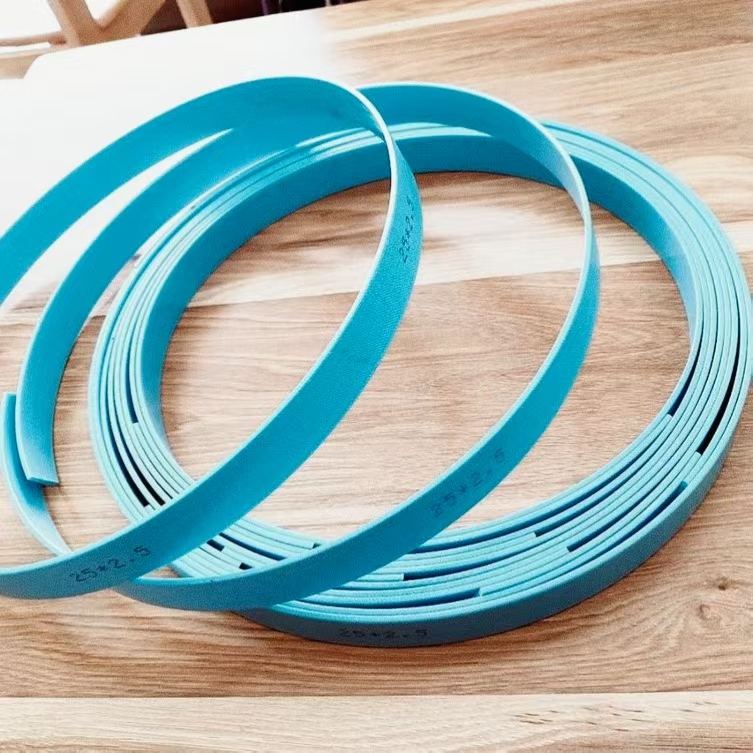
BEILITE holds CE certification across its commercial range. HOVOO and HOUFU supply seal kits with CE-aligned documentation packages that support manufacturer declarations of conformity for after-sales parts. Full breaker certification enquiries: https://www.hovooseal.com/
Export Certification Reference by Market
Market / region |
Required certification |
Key requirement |
EU + UK + Turkey |
CE (Machinery Directive 2006/42/EC); UKCA for UK post-Brexit |
Technical file, DoC, risk assessment; noise declaration (ND 2000/14/EC) |
Saudi Arabia / GCC |
SABER / SALEEM platform; SASO technical regulation |
COC from SASO-approved body before customs clearance |
Australia / New Zealand |
CE accepted; no separate mandatory breaker cert |
Noise and vibration disclosure; import duties vary by HS code |
Sub-Saharan Africa (gov. contracts) |
CE or ISO 9001 typically required by tender specification |
Institutional buyers (BRI projects) demand CE as minimum condition of supply |
USA / Canada |
No mandatory federal cert; AEM impact energy rating preferred |
OSHA 29 CFR 1926 compliance for noise; AEM rating for spec comparison |
hydraulic breaker CE certification export | SABER SASO Saudi Arabia | construction equipment export compliance | UKCA Middle East Africa certification | HOVOO | HOUFU | hovooseal.com


