

 EN
EN
 AR
AR CS
CS DA
DA NL
NL FI
FI FR
FR DE
DE EL
EL IT
IT JA
JA KO
KO NO
NO PL
PL PT
PT RO
RO RU
RU ES
ES SV
SV TL
TL IW
IW ID
ID LV
LV SR
SR SK
SK VI
VI HU
HU MT
MT TH
TH TR
TR FA
FA MS
MS GA
GA CY
CY IS
IS KA
KA UR
UR LA
LA TA
TA MY
MY
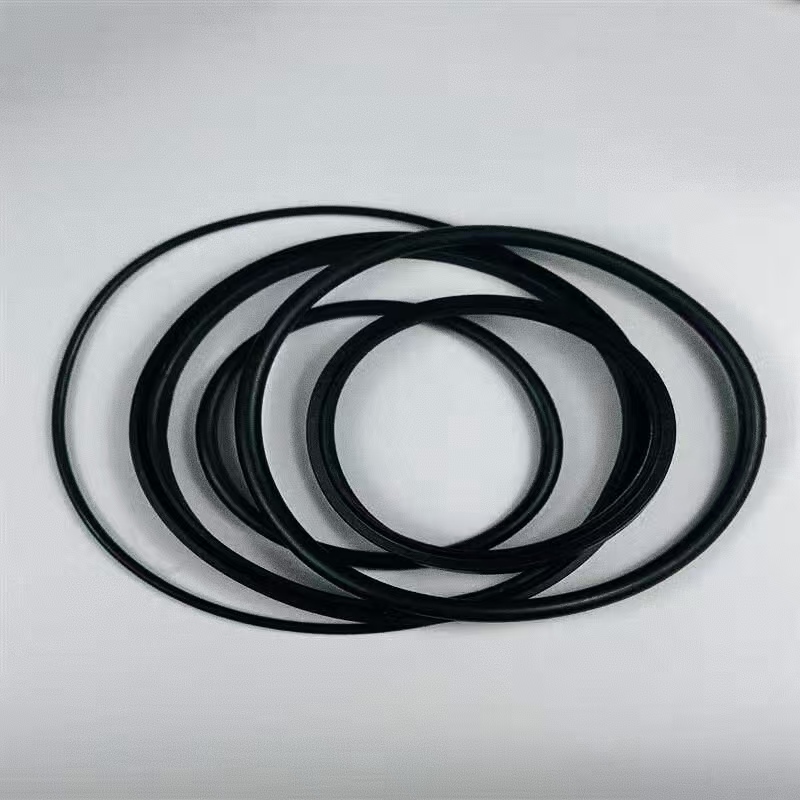
The hydraulic breaker market is not static. The global market was valued at approximately $2.5 billion in 2023 and is projected to reach $4.1 billion by 2032 at a 5.5% CAGR. That growth is not being driven by more of the same equipment — it's being shaped by three distinct shifts in what buyers in mining, overseas infrastructure, and urban demolition are demanding. Wear-resistance standards are tightening. Sealing specifications are moving toward export-ready materials. And overseas adaptation is shifting from an afterthought to a design requirement.
Wear Resistance: Moving Beyond Standard Grades
The industry trend in wear-resistant components is moving from 42CrMo as a baseline toward 42CrMoA with tighter alloy control as the standard for any breaker positioned in the mining or overseas market segment. Chisel life in a granite quarry on standard 42CrMo is measured in hundreds of hours. The same application on 42CrMoA extends that interval by 20–40%. At the piston level, stricter impurity control (sulfur and phosphorus content) is becoming a specification point that serious buyers request with material test reports rather than accepting manufacturer descriptions.
Housing materials are following the same direction. Hardox 500 or equivalent abrasion-resistant steel in the front head and guide area — previously a premium feature on top-tier mining units — is becoming a base specification on mid-range models as buyers recognise the correlation between housing wear and bore tolerance maintenance. A worn housing that allows the chisel to run slightly off-axis creates asymmetric bore wear; asymmetric bore wear cuts seal life in half regardless of seal compound quality.
High-Sealing and Overseas Adaptation
The shift toward FKM and PTFE seals as standard on export models — rather than NBR with FKM as an upgrade — reflects the reality of where new demand is concentrated. Overseas construction markets in the Middle East, sub-Saharan Africa, and Southeast Asia all operate above the 40°C threshold where NBR degrades faster than its rated interval. A manufacturer that ships NBR-standard units to these markets either accepts high warranty claims or stops getting repeat orders. Specifying FKM as standard on overseas models adds cost but eliminates the after-sales problems that dominate field support in hot-climate deployments.
The smart BPM trend addresses the single biggest source of performance loss from operator practice. Automatic stroke adjustment that detects material hardness and switches between high-energy/low-frequency and low-energy/high-frequency modes removes the dependency on the operator reading the rock correctly. Epiroc introduced electric breaker technology in 2025, pioneering zero-emission demolition for urban markets where Stage V and equivalent emission rules are restricting diesel-powered equipment access to sensitive sites.
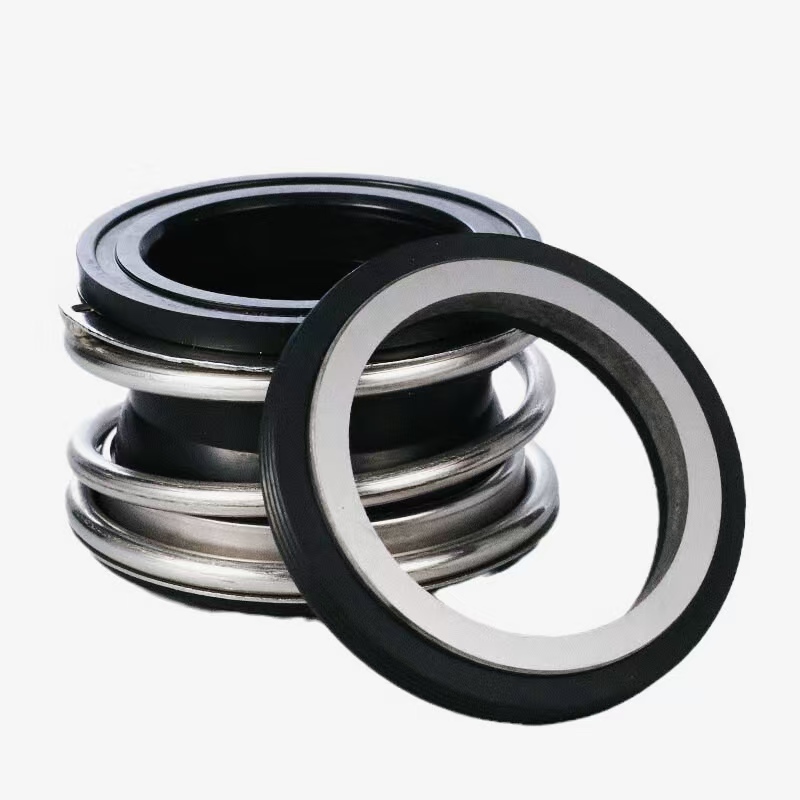
HOVOO and HOUFU supply export-ready seal kits across FKM, PTFE, and HNBR compounds for BEILITE and major-platform breakers, with documentation for CE compliance. Details at https://www.hovooseal.com/
Industry Trend Summary
Trend |
Technical direction |
Market driver |
Wear-resistant materials upgrade |
42CrMoA chisels; Hardox 500 housing; ISO-tolerance bores |
Mining expansion in Africa and Americas; longer service intervals demanded |
High-sealing engineering |
FKM / PTFE standard on export models; HNBR for heat+chemical |
Global deployment: Middle East heat, African dust, SE Asia humidity |
Smart BPM adjustment |
Stroke-length sensors detect rock hardness; auto-switch high/low mode |
Operator variability reduction; extends piston and seal life in mixed strata |
Electric / zero-emission breakers |
Hydraulic breaker on electric-hybrid excavators; battery-powered carriers |
EU Stage V, China Tier 4 emission rules; urban site access restrictions |
hydraulic breaker industry trends 2025 | wear resistant 42CrMoA | FKM PTFE sealing upgrade | smart BPM electric breaker | overseas adaptation | HOVOO | HOUFU | hovooseal.com


