

 EN
EN
 AR
AR CS
CS DA
DA NL
NL FI
FI FR
FR DE
DE EL
EL IT
IT JA
JA KO
KO NO
NO PL
PL PT
PT RO
RO RU
RU ES
ES SV
SV TL
TL IW
IW ID
ID LV
LV SR
SR SK
SK VI
VI HU
HU MT
MT TH
TH TR
TR FA
FA MS
MS GA
GA CY
CY IS
IS KA
KA UR
UR LA
LA TA
TA MY
MY
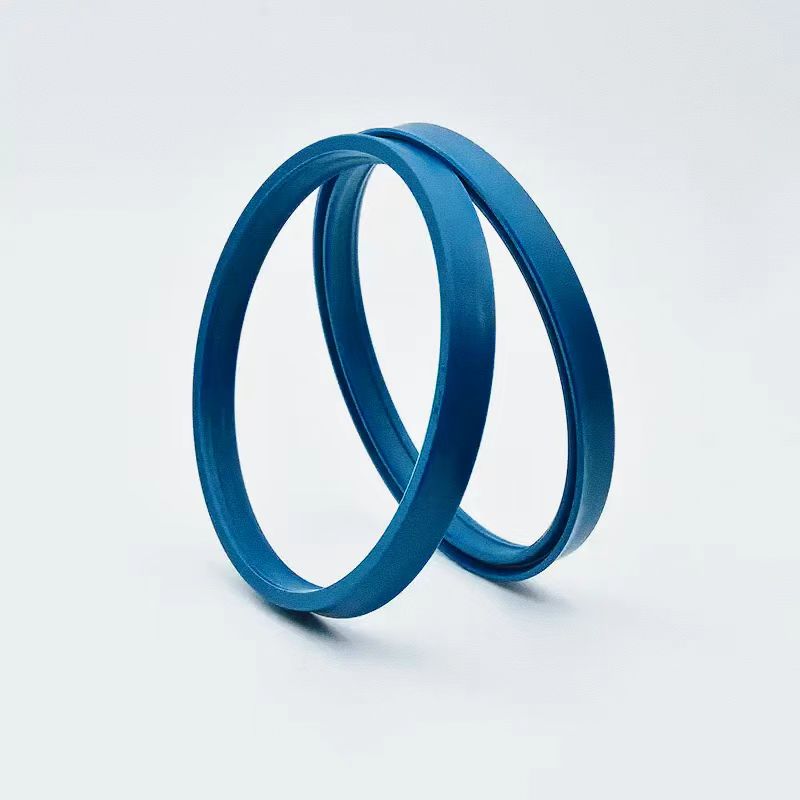
The hydraulic pump is where a machine's electrical or mechanical input becomes the pressurized fluid that actually does work. Every excavator arm that lifts, every press that forms metal, every aircraft control surface that deflects — all of it starts with a pump converting rotational energy into flow. Understanding the different ways pumps accomplish this helps clarify why different applications call for different designs.
The Core Principle
All positive displacement hydraulic pumps work the same fundamental way: a moving element creates an expanding volume that draws fluid in from the low-pressure side, then a contracting volume that expels it at pressure on the outlet side. The pumping element — a gear tooth space, a vane cavity, a piston bore — cycles continuously as the pump rotates. The difference between pump types is in the geometry of that element and how it is made to reciprocate or rotate.
Gear Pumps
Two external gears meshing inside a close-tolerance housing carry fluid in the tooth spaces around the outside of the mesh. Simple construction, wide operating speed range, tolerant of contamination relative to other pump types, and inexpensive to manufacture and repair. The limitations are noise — gear pumps are louder than vane or piston designs at comparable speeds — and a pressure ceiling that rarely exceeds 250 bar in practical service.
Vane Pumps
Vanes sliding radially in a slotted rotor trace the contour of an eccentric cam ring, creating expanding and contracting volumes as the rotor turns. The result is smoother flow than gear pumps produce and noticeably lower operating noise. Balanced designs with dual inlet/outlet ports cancel the radial bearing loads that shorten the life of unbalanced designs, making the balanced vane pump a reliable choice for steady industrial hydraulic pump service at moderate pressures.
Axial Piston Pumps
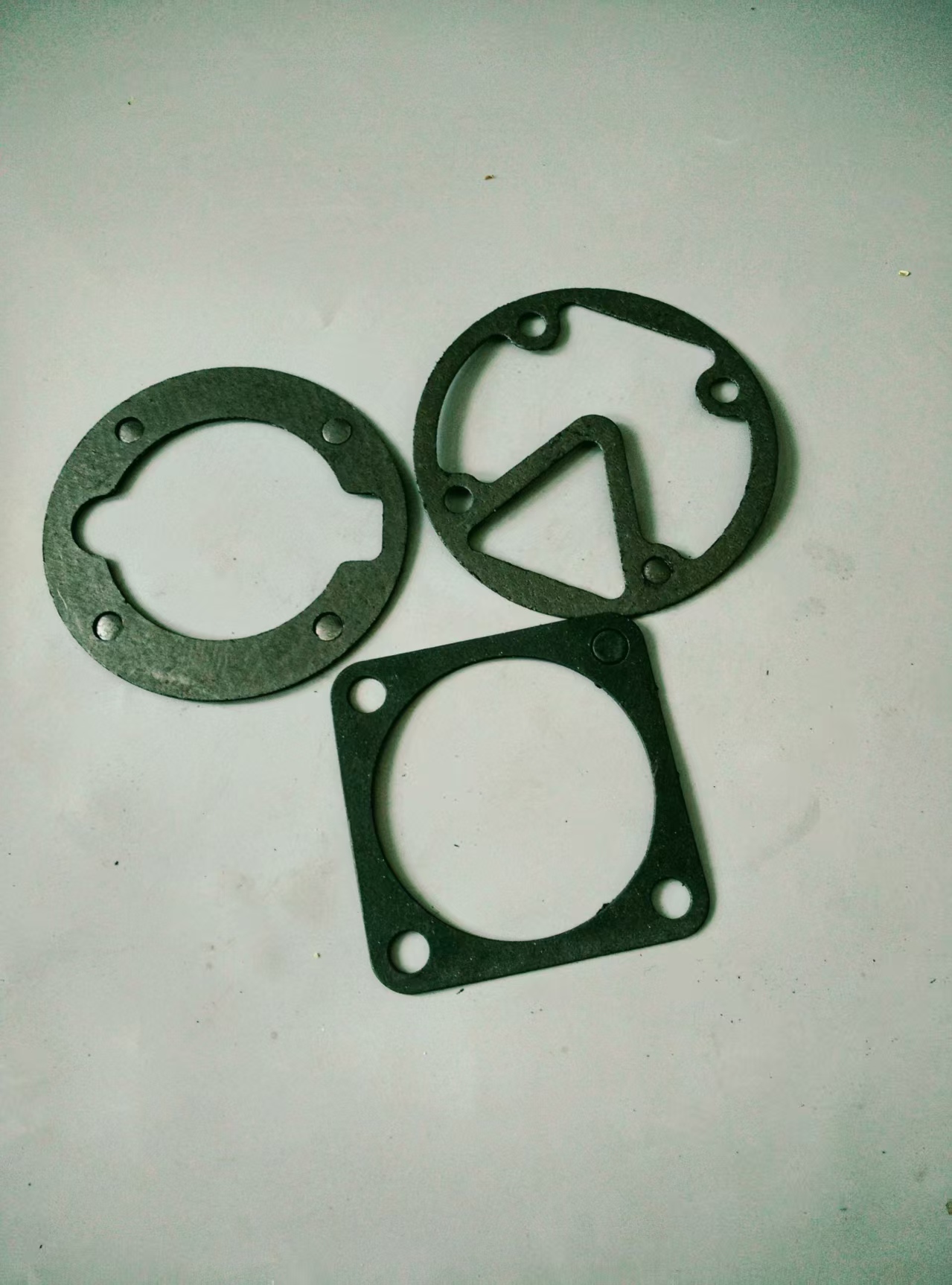
Pistons arranged parallel to the drive shaft reciprocate against an angled swashplate as the cylinder barrel rotates. The axial piston pump operates at pressures and efficiencies that other designs cannot match. Variable displacement control by swashplate angle adjustment is the feature that makes this design dominant in demanding industrial and mobile hydraulic applications.
Radial piston pumps take pressure capability even further, with pistons working radially against an eccentric cam. HOVOO / HOUFU provides seal kits for all hydraulic pump types. Find yours at hovooseal.com.
Source: www.hovooseal.com


