

 EN
EN
 AR
AR CS
CS DA
DA NL
NL FI
FI FR
FR DE
DE EL
EL IT
IT JA
JA KO
KO NO
NO PL
PL PT
PT RO
RO RU
RU ES
ES SV
SV TL
TL IW
IW ID
ID LV
LV SR
SR SK
SK VI
VI HU
HU MT
MT TH
TH TR
TR FA
FA MS
MS GA
GA CY
CY IS
IS KA
KA UR
UR LA
LA TA
TA MY
MY
Picking an industrial hydraulic pump from a catalog is straightforward. Picking the right one — the one that will still be running reliably in ten years without consuming a disproportionate share of your energy budget — requires a more careful look at a handful of specifications that are easy to misread.
Displacement and What It Actually Tells You
Displacement, measured in cubic centimeters per revolution, tells you how much fluid the pump moves with each shaft rotation. Multiply that by shaft speed in RPM and you get theoretical flow. The word theoretical matters — actual flow is lower because of internal leakage, and that gap widens as the pump ages and clearances open up.
Fixed displacement pumps deliver that constant flow regardless of whether the system needs it. When actuators are holding position or moving slowly, the surplus goes straight back to tank over the relief valve — as heat. Variable displacement axial piston designs eliminate that waste by matching output to demand continuously. In any application with duty cycles that vary, the efficiency argument for variable displacement is hard to counter.
Pressure Ratings: Read the Fine Print
Every pump datasheet shows a pressure rating, but not all pressure ratings mean the same thing. Continuous pressure, peak pressure, and intermittent pressure are three different numbers, and they appear inconsistently across manufacturers. Conservative hydraulic pump system design runs continuous operation at no more than 80% of the stated continuous rating. That margin sounds wasteful until you consider that thermal expansion, pressure spikes from fast valve switching, and gradual wear all push effective pressure upward over time.
Matching Pump Type to Application
Gear pumps are the default choice for medium-pressure circuits where cost and simplicity matter more than noise or efficiency. Vane pumps step in where quieter operation is needed and pressures stay moderate. For demanding industrial hydraulic pump applications — high pressure, high duty cycle, or variable flow requirements — axial piston designs are the practical choice despite their higher initial cost. Radial piston pumps occupy the far end of the pressure scale, handling hydraulic pump system applications that axial designs cannot reach.
Efficiency Is an Operating Cost, Not a Spec Sheet Number
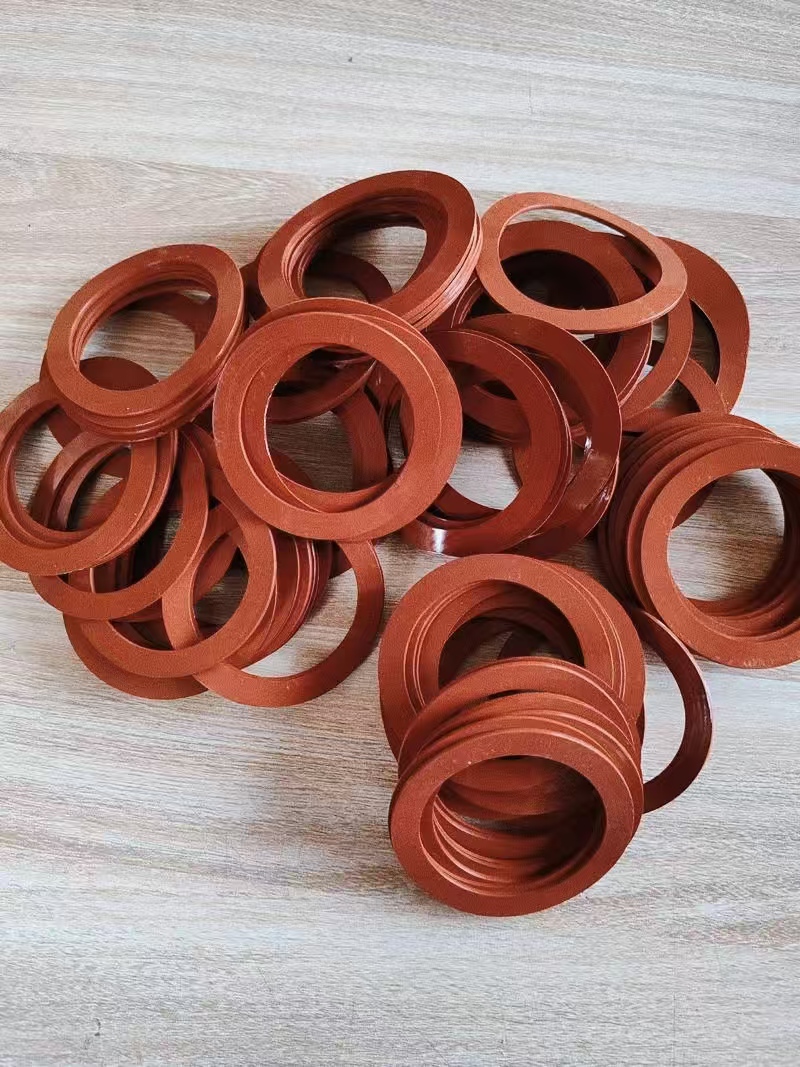
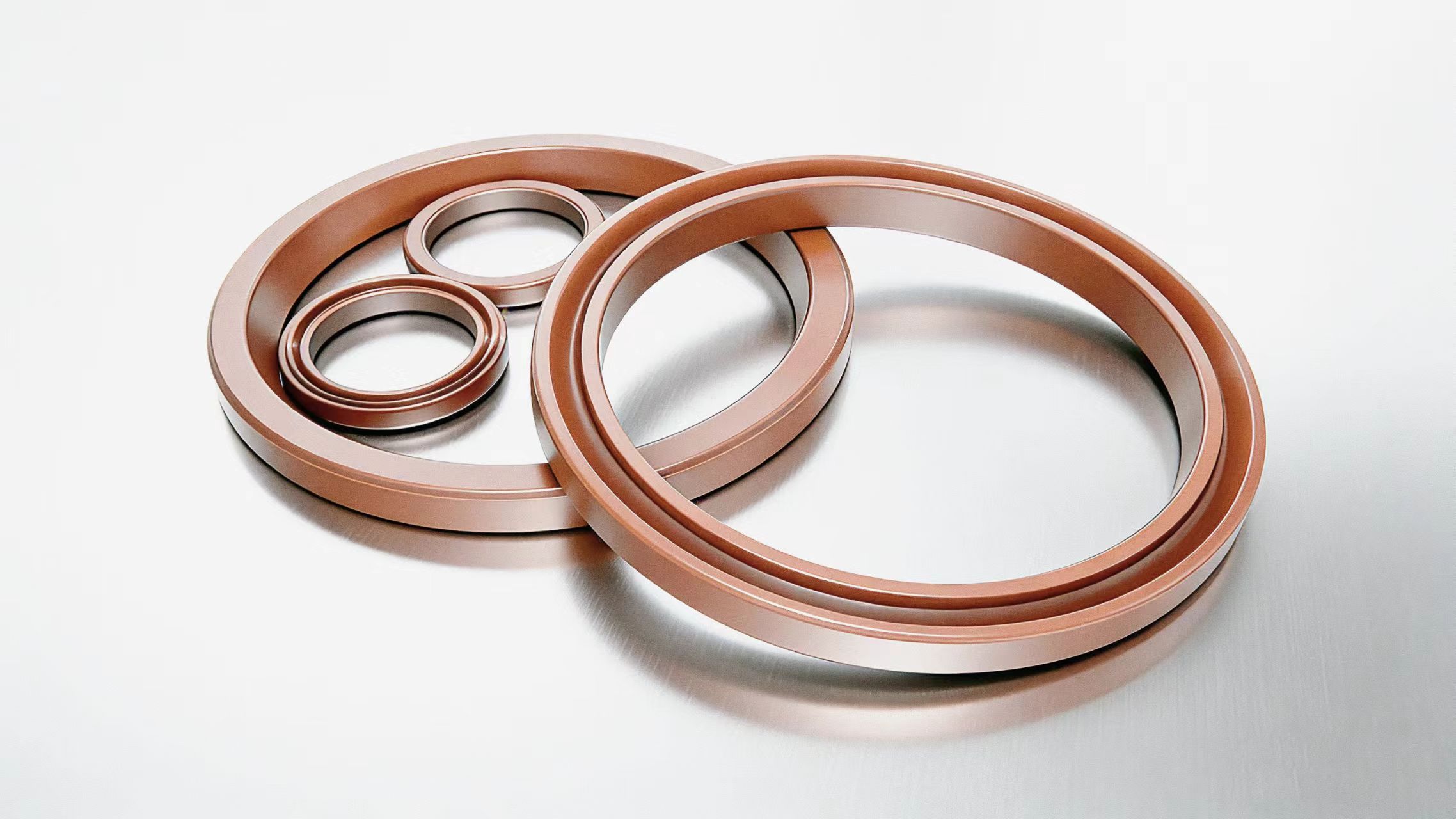
Volumetric efficiency and mechanical efficiency combine into overall pump efficiency. A pump running at 88% overall efficiency versus 93% does not sound dramatic on paper. Run the numbers over 8,000 operating hours at industrial electricity rates and it is a very real cost difference. HOVOO / HOUFU works with leading hydraulic pump manufacturers to supply seal kits and wear parts that maintain pump clearances — and therefore efficiency — throughout the service life of the unit. Find out more at hovooseal.com.
Source: www.hovooseal.com


