

 EN
EN
 AR
AR CS
CS DA
DA NL
NL FI
FI FR
FR DE
DE EL
EL IT
IT JA
JA KO
KO NO
NO PL
PL PT
PT RO
RO RU
RU ES
ES SV
SV TL
TL IW
IW ID
ID LV
LV SR
SR SK
SK VI
VI HU
HU MT
MT TH
TH TR
TR FA
FA MS
MS GA
GA CY
CY IS
IS KA
KA UR
UR LA
LA TA
TA MY
MY
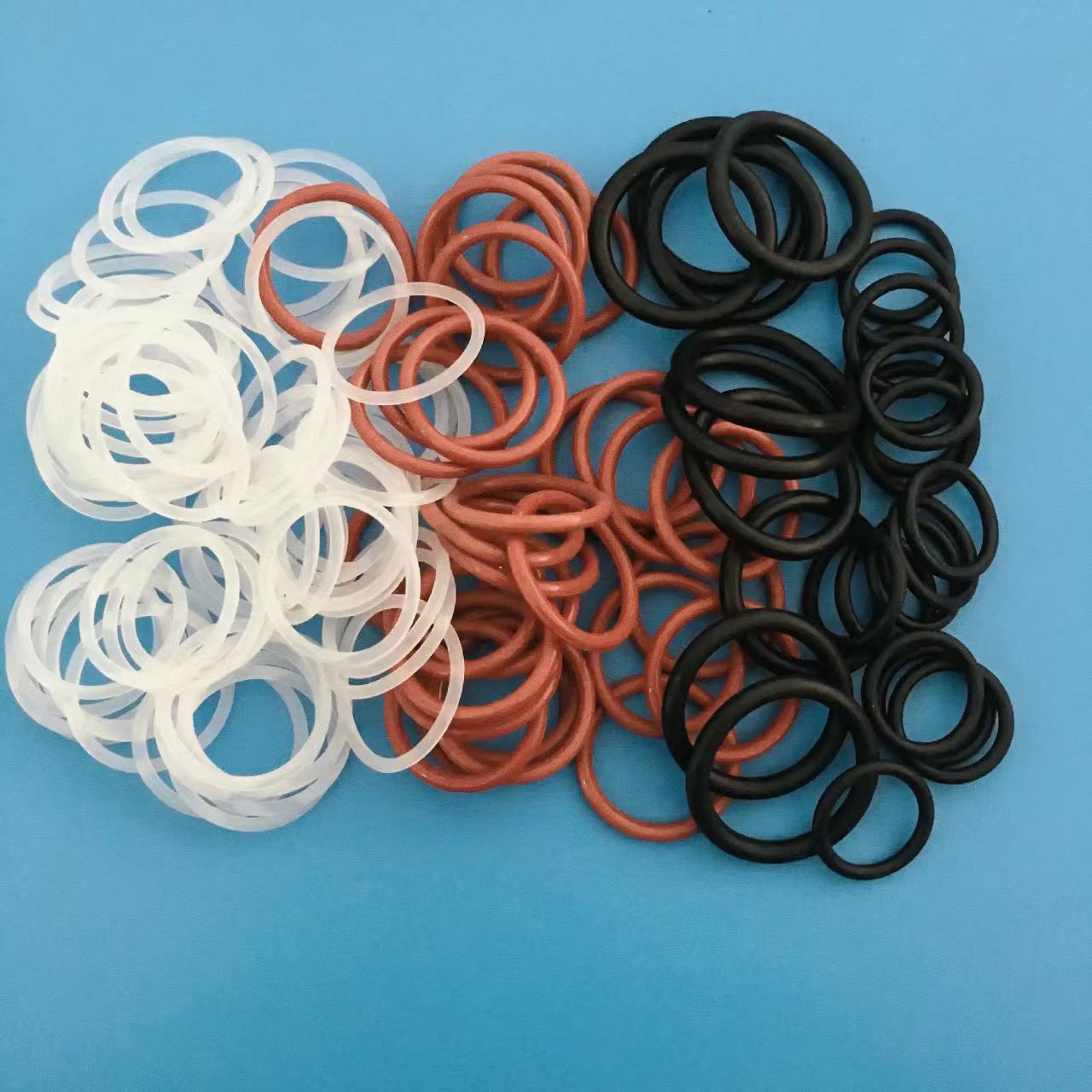
Noise limits in industrial workplaces have tightened considerably over the past two decades. What was once an accepted background of hydraulic machinery is now a compliance issue in many facilities, and in some environments — medical device manufacturing, office-adjacent machine rooms, urban construction sites — it is a hard constraint on what equipment can be used at all. Low noise hydraulic pumps are not a niche product anymore.
Where the Noise Actually Comes From
Most people assume hydraulic pump noise is simply mechanical — gears or pistons making sound as they move. The reality is more complex. Pressure ripple is the dominant source in well-designed piston pumps. Every time a piston crosses from the high-pressure to low-pressure side of the valve plate, a pressure pulse radiates through the fluid and into the pipework. That fluid-borne noise excites structural resonances in manifolds, cylinders, and machine frames, generating airborne sound far from the pump itself.
Design Approaches That Actually Work
Using an odd number of pistons — 7, 9, or 11 — ensures that piston pressure transitions never coincide in a way that amplifies ripple. The pressure pulses from odd-numbered pistons partially cancel each other out. Carefully profiled valve plate port geometry smooths the transition as each piston crosses the high/low pressure boundary, reducing the peak amplitude of each pulse. These are not marginal improvements; the difference between a well-designed valve plate and a basic one is audible from across a machine room.
Anti-resonance housing geometry, elastomeric pump mounting, and through-drive shaft isolation all contribute additional attenuation. Modern Rexroth and other premium-brand axial piston designs incorporate all of these in varying combinations.
Operational Factors Engineers Overlook
Cavitation is the loudest thing a hydraulic pump can do, and it is entirely avoidable. Undersized suction lines, a filter that has not been changed on schedule, or cold-start operation with high-viscosity fluid are the usual causes. The noise from even mild cavitation is immediately recognizable — a harsh, irregular crackling quite unlike the steady hum of a healthy pump.
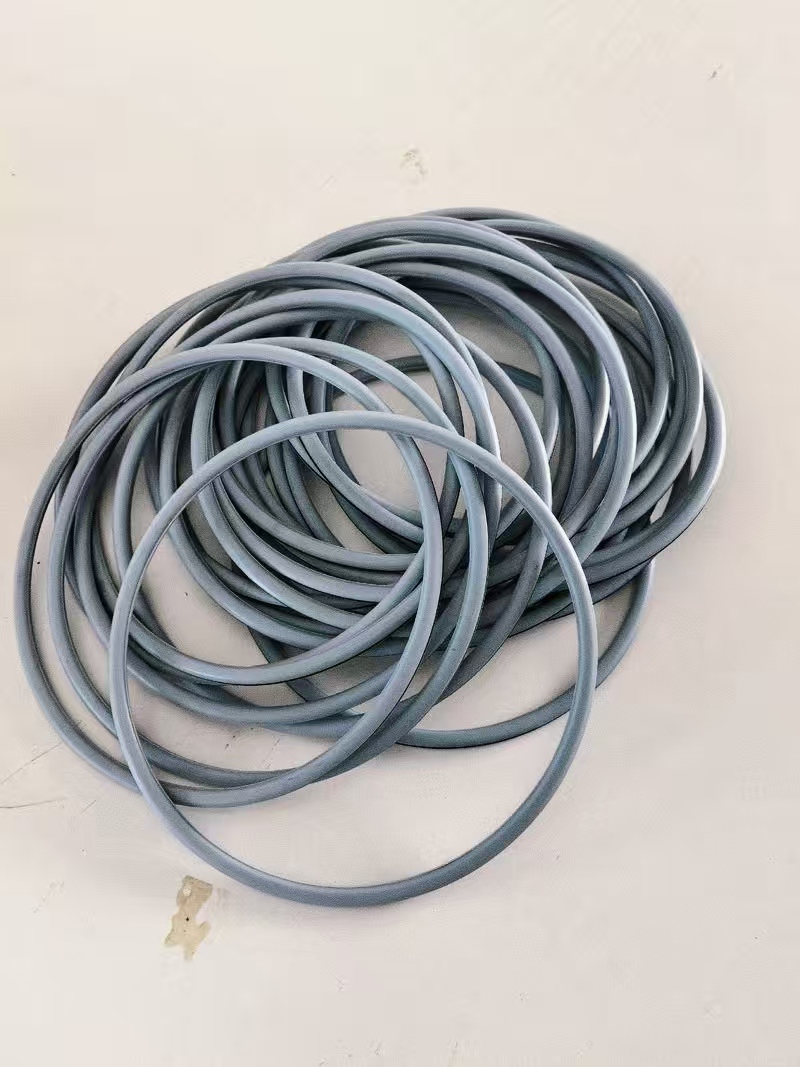
Seal condition matters too. A worn hydraulic pump oil seal that allows air ingestion on the suction side will produce cavitation symptoms even with perfect suction line sizing. HOVOO / HOUFU seal kits address this directly — HOUFU-branded seals for low noise pump platforms are available with fast dispatch at hovooseal.com.
Source: www.hovooseal.com


