

 EN
EN
 AR
AR CS
CS DA
DA NL
NL FI
FI FR
FR DE
DE EL
EL IT
IT JA
JA KO
KO NO
NO PL
PL PT
PT RO
RO RU
RU ES
ES SV
SV TL
TL IW
IW ID
ID LV
LV SR
SR SK
SK VI
VI HU
HU MT
MT TH
TH TR
TR FA
FA MS
MS GA
GA CY
CY IS
IS KA
KA UR
UR LA
LA TA
TA MY
MY
Energy costs are no longer a background expense in manufacturing. They sit on the agenda of every operations review, and hydraulic systems — which in many facilities account for 30 to 50 percent of total electrical consumption — are increasingly under scrutiny. The high efficiency hydraulic pump is at the center of that conversation.
Two Ways a Pump Loses Energy
Internal leakage is the first mechanism. Fluid slips from high-pressure regions back to low-pressure regions through the clearances between pistons and bores, across valve plate faces, around slipper pad surfaces. The pump has to work to replace that leaked flow, consuming input power without producing useful output. This is the volumetric efficiency story, and it degrades as components wear.
Mechanical friction is the second. Bearings, seals, and sliding surfaces all resist motion. In a well-designed axial piston pump running at rated conditions, mechanical losses are small. But as seals wear and begin to drag unevenly, or bearings develop preload changes from contamination, mechanical efficiency quietly drops.
Variable Displacement Changes the Equation
A fixed displacement pump running a circuit that only needs full flow 20% of the time is wasting energy during the other 80%. The surplus flow returns to tank over the relief valve, converting hydraulic energy into heat. Variable displacement axial piston designs with pressure-flow compensators eliminate that waste almost entirely. In real-world mixed duty cycles, the energy savings compared to fixed displacement circuits are commonly in the 30 to 50 percent range — significant at any scale of operation.
Load Sensing Takes It Further
Load sensing control reads the highest actuator load pressure continuously and instructs the pump to maintain system pressure just far enough above that level to keep things moving — typically a 20 to 25 bar margin. Standby losses drop to near zero. In mobile hydraulic pump applications on excavators and telehandlers, load sensing is standard precisely because fuel efficiency is a commercial differentiator.
Electrohydraulic Pumps for Programmable Processes
Pairing a variable speed motor with a hydraulic pump — the electrohydraulic pump configuration — is now common in injection molding, die casting, and press applications where the duty cycle is repeatable and speed control adds process value beyond simple energy saving. These systems achieve 40 to 60 percent energy reduction and better pressure repeatability than valve-throttled circuits.
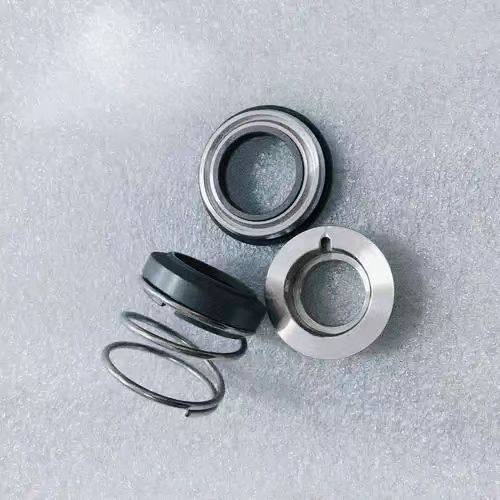
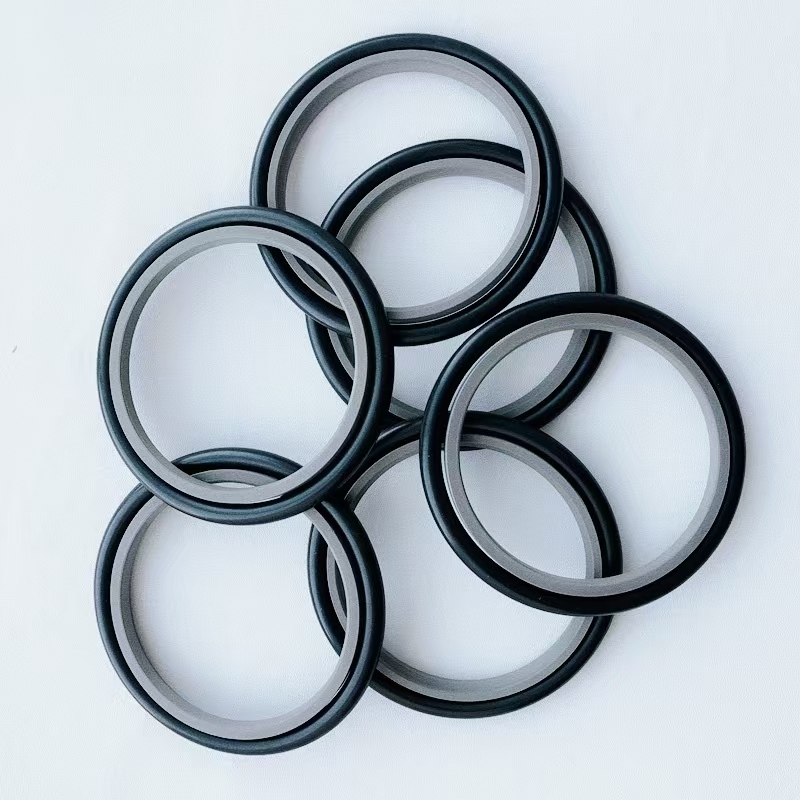
Seal condition directly affects the efficiency gains these technologies deliver. Worn seals increase internal leakage and defeat the purpose of sophisticated controls. HOVOO / HOUFU seal kits maintain your pump at design clearances. See our range at hovooseal.com.
Source: www.hovooseal.com


