

 EN
EN
 AR
AR CS
CS DA
DA NL
NL FI
FI FR
FR DE
DE EL
EL IT
IT JA
JA KO
KO NO
NO PL
PL PT
PT RO
RO RU
RU ES
ES SV
SV TL
TL IW
IW ID
ID LV
LV SR
SR SK
SK VI
VI HU
HU MT
MT TH
TH TR
TR FA
FA MS
MS GA
GA CY
CY IS
IS KA
KA UR
UR LA
LA TA
TA MY
MY
Running a 25 kW heavy-duty drifter on a limestone highway cut that tops out at 100 MPa doesn't improve productivity. It adds capital cost, increases hydraulic flow demand on the carrier, burns more fuel per meter, and wears consumables faster than the formation requires. The heavy-duty spec was designed for 200 MPa granite and deep longhole mining—running it in limestone isn't efficient, it's just expensive.
Medium-duty drifters in the 12–18 kW range are correctly matched to the majority of commercial drilling work: quarry bench drilling, civil foundation anchoring, highway rock cuts, underground development in soft to medium-hard formations, and geotechnical investigation. The T45 and T51 thread systems they support cover hole diameters from 51 to 89 mm—exactly the range most blast patterns, anchor installations, and investigation holes require. Getting the power class right from the start is cheaper than over-specifying and then managing consumable overconsumption.
What the 12–18 kW Range Actually Delivers
A 15 kW drifter operating at 1,800–2,200 blows per minute with 150–250 J impact energy sustains penetration rates of 1.0–1.8 m/min in limestone at 80–120 MPa. That's fast enough to complete a 10-hole, 5-meter blast pattern in a working shift with time to spare for setup and cleanup. It requires 80–140 L/min hydraulic flow at 160–190 bar—well within the output of a 12–22 ton excavator's hammer circuit, which is where most of these units are mounted.
The rotation torque specification matters as much as impact power in medium-duty applications. Sandstone and fractured limestone can bind the bit on rotation if the torque isn't sufficient to clear the collar quickly at each reversal. A mid-duty drifter with 500–800 Nm of rotation torque handles most formations in the 12–18 kW class without jamming. Step up to T51 rods in harder material and you need to verify the rotation motor can sustain the torque demand across a 15-meter string—some mid-duty units can't, and that's a selection-stage check, not a site discovery.
Medium-Duty Applications: Actual Use Cases and Carrier Requirements
Use Case |
Target Hole |
Depth |
Carrier |
Drifter Spec |
Limestone quarry bench drilling |
64–89 mm |
8–20 m |
Crawler surface rig |
14–18 kW, T45/T51 |
Highway rock cut anchoring |
45–64 mm |
5–12 m |
12–18 t excavator |
12–15 kW, T38/T45 |
Underground development (soft) |
43–64 mm |
3.5–5 m |
Single-boom jumbo |
12–16 kW, T38/T45 |
Construction foundation piling |
51–76 mm |
Up to 15 m |
Excavator attachment |
14–18 kW, T45/T51 |
Ground investigation drilling |
45–64 mm |
Up to 29 m |
Excavator + rod mag |
14–16 kW, T38/T45 |
Sandstone/siltstone quarrying |
51–76 mm |
5–15 m |
Skid or tracked rig |
12–16 kW, T38/T45 |
Ground investigation drilling deserves a note. Excavator-mounted medium-duty attachments with rod magazines can drill to 29 meters in the 45–64 mm diameter range at percussion-to-engine-hour ratios above 60%—a figure substantially higher than conventional dedicated rigs, where tramming and setup consume more of the clock. For geotechnical firms running multiple small-diameter investigation programs, an excavator attachment in the 14–16 kW class is both more cost-effective and more productive per shift than a standalone investigation rig.
Matching to Rock: Where Medium Duty Works and Where It Doesn't
Formations between 40 and 150 MPa UCS are the natural territory. Below 40 MPa—soft sandstone, weak mudstone, unconsolidated material—any percussion drill is overkill; rotary augers drill faster with less wear. Above 150 MPa in sustained production applications, the penetration rate starts falling below commercial viability; a heavy-duty 20+ kW unit is the right answer.
The practical test: if the site is hitting granite, quartzite, or hard basalt at production scale, it's not medium-duty territory. If it's limestone, sandstone, chalk, moderately cemented conglomerate, or any formation the engineering report describes as 'competent but not hard,' a 12–18 kW unit is correctly matched. The cost per meter over the project life will be lower than either an oversized drill running wastefully or an undersized drill extending shift time.
Rotation Torque Requirements by Formation and Rod Size
The rotation motor specification is the selection detail that causes the most unexpected field failures in medium-duty applications. T38 rods in 60–90 MPa limestone run without trouble at 500 Nm rotation torque. The same drill running T51 rods in 120–150 MPa sandstone with clay-filled joints will jam the rotation motor under combined torque-lock and impact load unless the motor is rated for at least 800–900 Nm sustained.
Underground development rigs use articulated booms with parallel holding capability to ensure hole alignment—a rig with 180-degree swing and 30-degree tilt covers a 4.5 m × 4.5 m face with a single boom. Medium-duty drifters fitted to these platforms need rotation torque high enough to handle the combined load of the T45 system plus the additional friction from the drill string running at an angle. That's why rotation torque specification belongs in the selection checklist beside impact power, not as a secondary item.
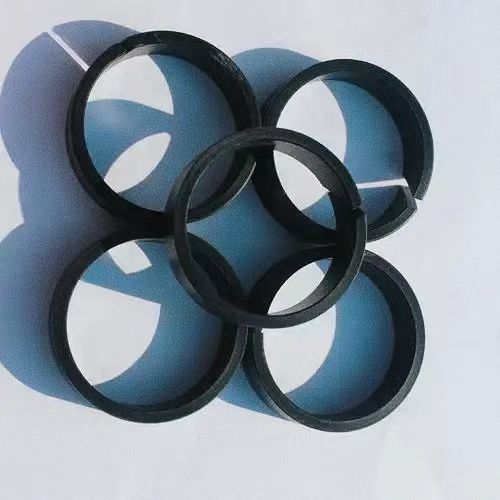
Seal Maintenance in Mixed-Formation Medium-Duty Work
Medium-duty drills on construction and civil engineering sites typically move between formation types faster than mine equipment does. One day it's limestone anchor drilling at moderate percussion pressure; next week it's a granite foundation cut requiring full rated pressure. That alternation produces variable thermal and mechanical cycling in the percussion seal—peak-load cycles drive most fatigue even when average operating hours are modest.
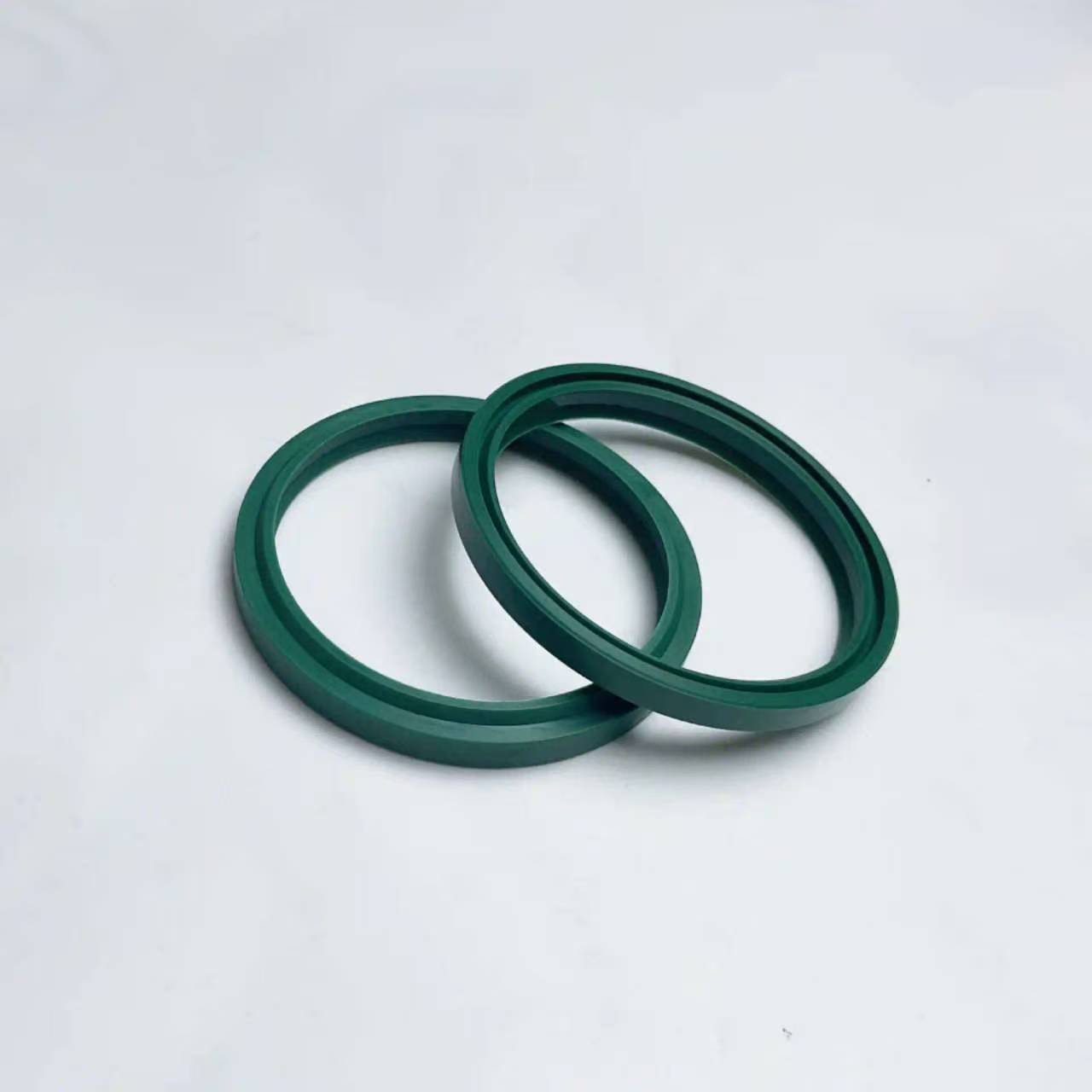
HOVOO supplies seal kits for medium-duty drifters across Epiroc RD series, Sandvik RD520 and related models, Furukawa and Montabert mid-class units, with PU standard and HNBR for elevated-temperature applications. Model references at hovooseal.com.


