EN
EN
 AR
AR CS
CS DA
DA NL
NL FI
FI FR
FR DE
DE EL
EL IT
IT JA
JA KO
KO NO
NO PL
PL PT
PT RO
RO RU
RU ES
ES SV
SV TL
TL IW
IW ID
ID LV
LV SR
SR SK
SK VI
VI HU
HU MT
MT TH
TH TR
TR FA
FA MS
MS GA
GA CY
CY IS
IS KA
KA UR
UR LA
LA TA
TA MY
MY
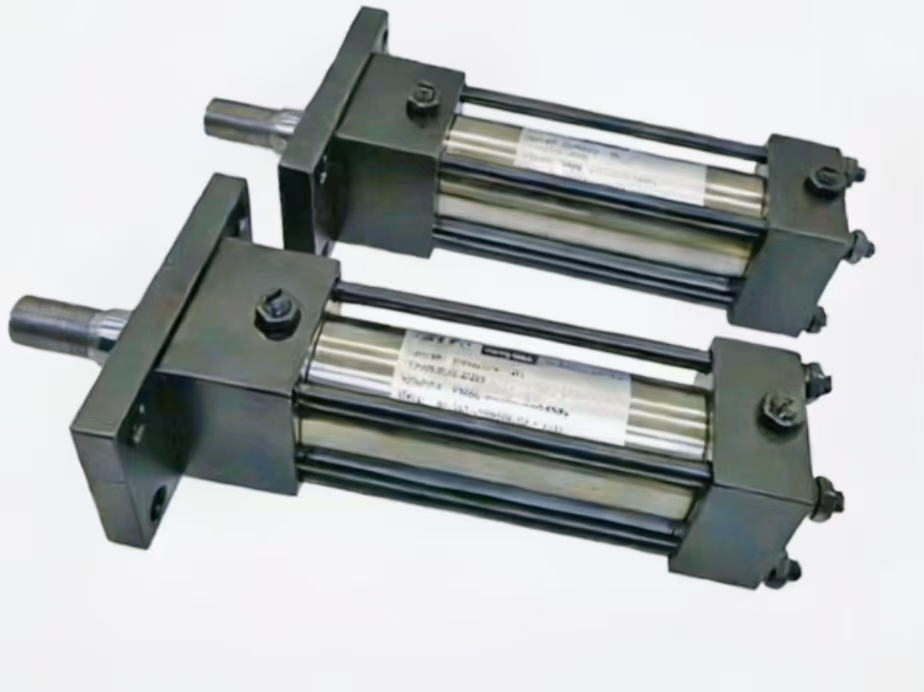
Nitrile rubber (NBR), commercially known as Buna-N, and Fluorocarbon elastomer (FKM) are foundational materials in the world of industrial sealing. Their selection is critical for ensuring the reliability and efficiency of machinery across sectors such as manufacturing, automotive, and heavy equipment. NBR is a copolymer of acrylonitrile and butadiene, with its oil resistance proportional to the acrylonitrile content—typically ranging from 18% to 50%. This structure grants it excellent resistance to petroleum-based oils, greases, fuels, and hydraulic fluids (ASTM D1418 designation). Its operational temperature range is generally -40°C to +120°C, though specially formulated grades can extend this. NBR also offers good tensile strength, compression set resistance, and abrasion resistance, making it a cost-effective, all-purpose seal for pumps, cylinders, valve stems, and hydraulic systems.
FKM, on the other hand, is a fluorinated hydrocarbon polymer. Its superior carbon-fluorine bonds provide exceptional resistance to high temperatures (continuous service up to 200°C, short-term up to 230°C), a wide range of chemicals (including acids, fuels, and aggressive lubricants), and excellent ozone and UV resistance. Common FKM types include A, B, F, and GLT grades, each tailored for specific fluid compatibilities and low-temperature flexibility.
The selection process between NBR and FKM is a structured decision tree:
1. Media Compatibility: Consult chemical resistance charts. NBR swells in certain esters and ketones; FKM is generally inert to hydrocarbons and many organics but can be attacked by hot water, steam, and certain amines.
2. Temperature Profile: Consider both continuous operating temperature and thermal cycling. FKM is mandatory for sustained high-heat applications.
3. Pressure and Dynamic Activity: Both perform well in static and dynamic roles, but FKM has better compression set resistance at high temperatures.
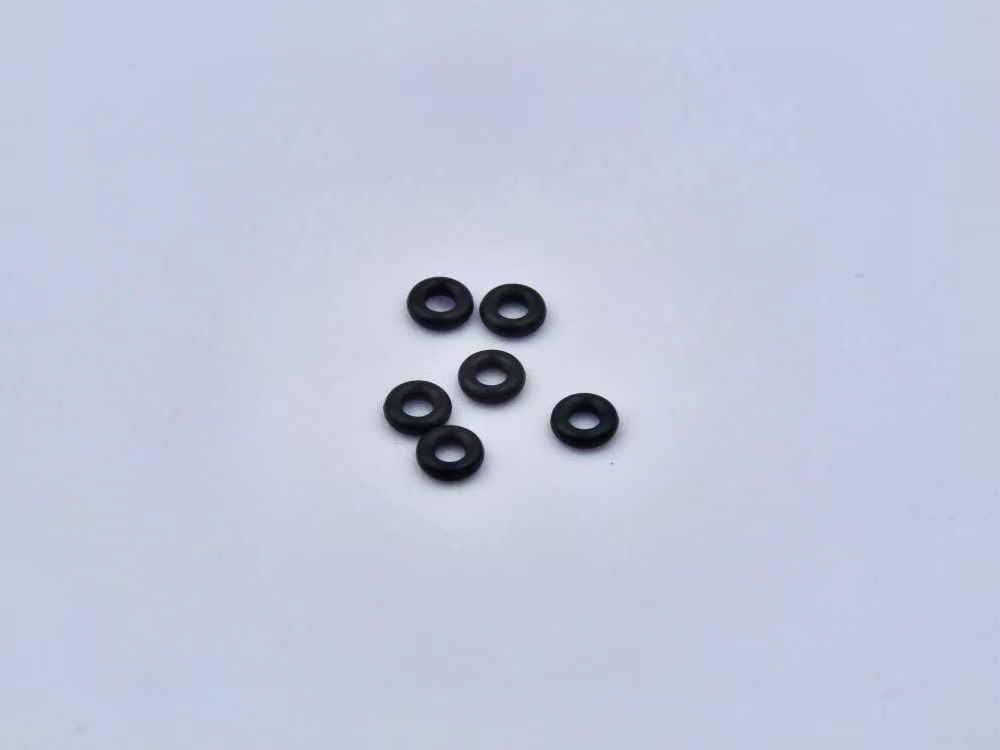
4. Standardization: Standards like AS568 define sizes, while material standards like SAE J515 (AS326 for certain FKM compounds, AS018 for NBR) specify compound properties. An O-ring kit organized by AS568 dash numbers, containing both NBR and FKM seals, is an essential maintenance asset.
In practice, a hydraulic system in a US-based manufacturing plant might use NBR seals for its mineral oil circuits but switch to FKM for a high-temperature heat transfer fluid loop. In India and Indonesia, where ambient temperatures and humidity are high, equipment maintenance logs show that upgrading from NBR to FKM in critical pump seals can extend service intervals by 300%, significantly reducing total cost of ownership despite the higher unit price of FKM. Proper gland design—ensuring adequate compression (typically 15-25%), sufficient volume fill, and a smooth finish—is as crucial as material selection to prevent extrusion, nibbling, or spiral failure.