

 EN
EN
 AR
AR CS
CS DA
DA NL
NL FI
FI FR
FR DE
DE EL
EL IT
IT JA
JA KO
KO NO
NO PL
PL PT
PT RO
RO RU
RU ES
ES SV
SV TL
TL IW
IW ID
ID LV
LV SR
SR SK
SK VI
VI HU
HU MT
MT TH
TH TR
TR FA
FA MS
MS GA
GA CY
CY IS
IS KA
KA UR
UR LA
LA TA
TA MY
MY
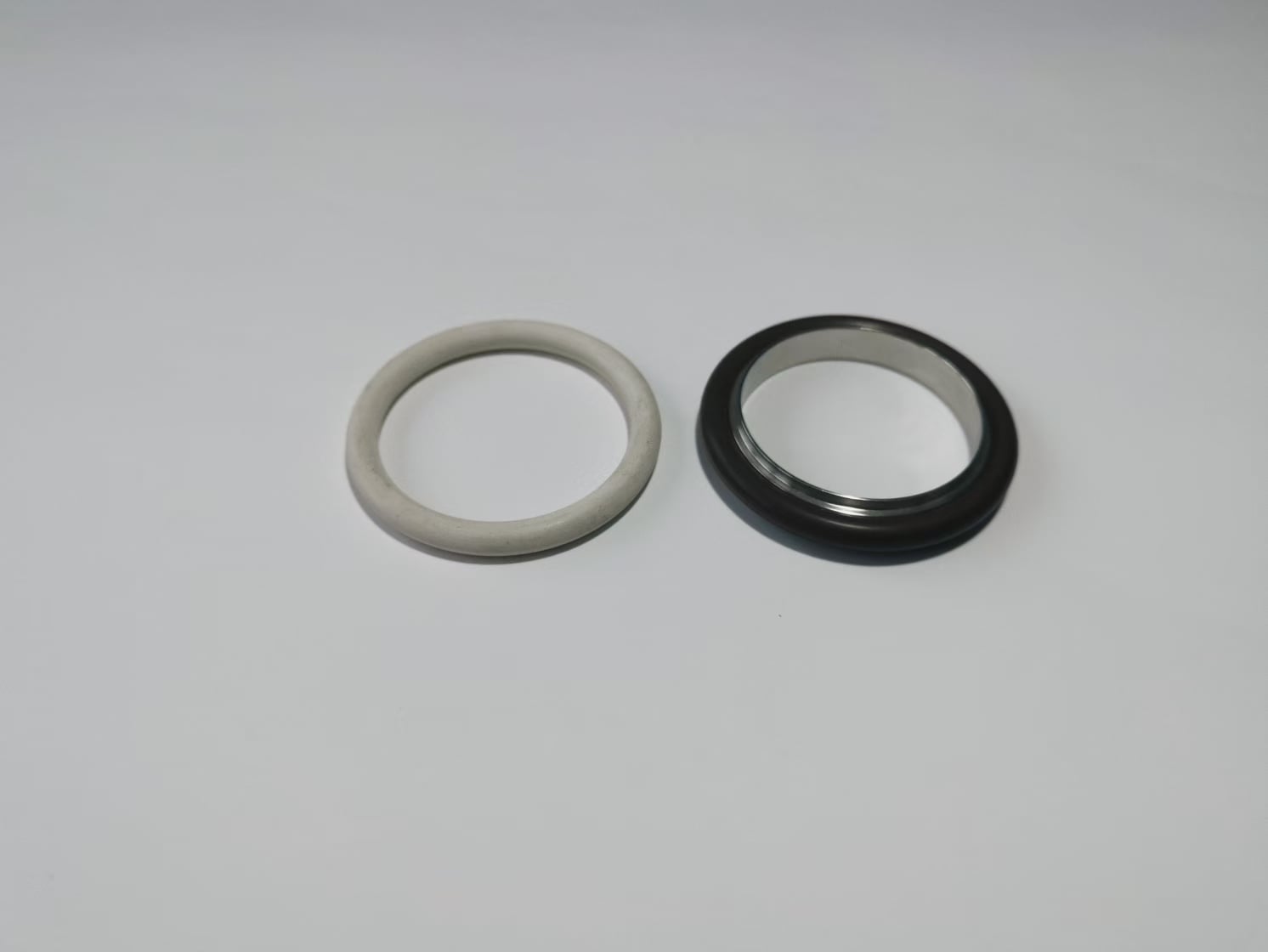
A rock drill doesn't announce when its seals are failing. Percussion energy drops gradually, oil consumption ticks upward, and the drill still runs—just a few percent slower per shift than it did last month. By the time someone notices the performance has degraded, the seal failure has often migrated into the percussion chamber itself, and what started as a straightforward seal replacement becomes a full drifter overhaul.
That pattern plays out on sites all over the world, and it happens for one reason: seal kits get treated as a minor consumable rather than a precision maintenance component. This article covers what a complete rock drill seal kit actually contains, how operating conditions determine replacement intervals, and why material selection matters more than most buyers expect at 160–220 bar.
What's Inside a Complete Seal Kit—and Why Each Component Has a Role
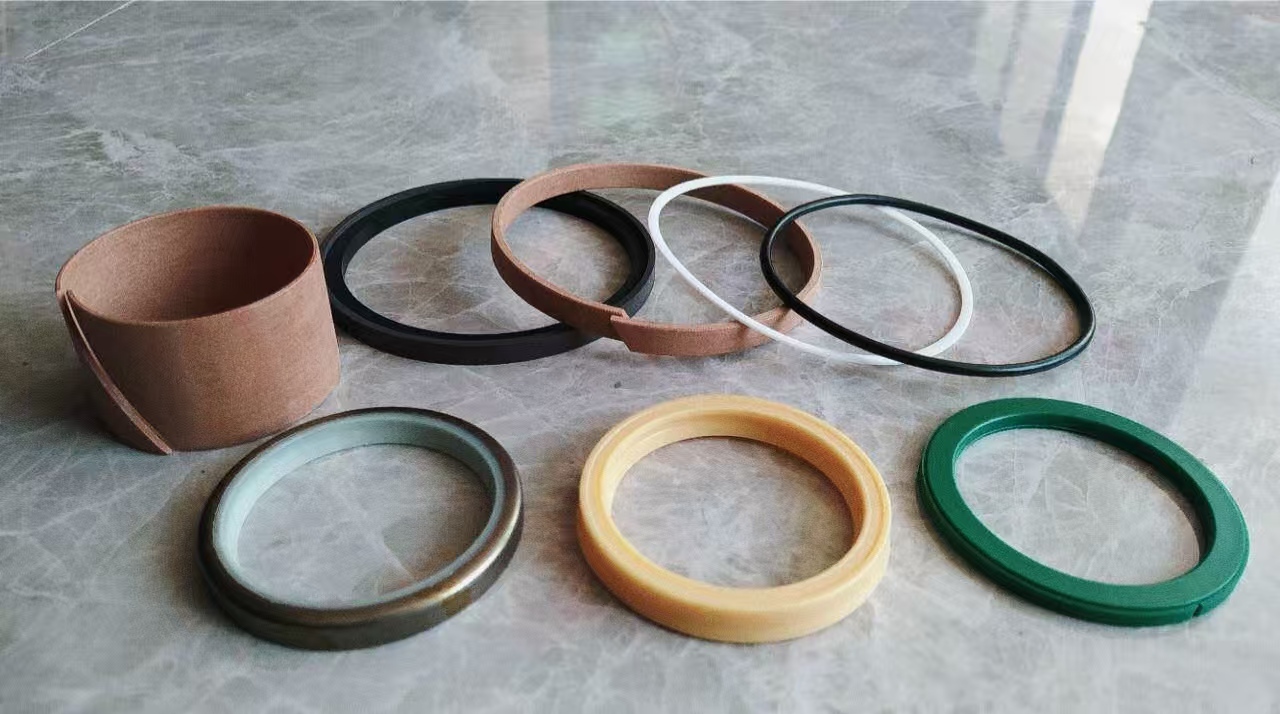
A full rock drill seal kit isn't just a bag of O-rings. The percussion chamber runs two separate hydraulic circuits simultaneously: the high-pressure percussion circuit driving piston motion, and the flushing water circuit keeping the borehole clear. Each circuit needs its own sealing components, and they wear at different rates depending on water quality, formation abrasion, and oil viscosity.
The percussion piston seal handles the highest cyclic load—taking full hydraulic pressure at every blow frequency, typically 30–60 Hz in a running drifter. The flushing box seals manage lower pressure (6–25 bar depending on model) but get exposure to contaminated water carrying fine rock particles, which is abrasive on elastomer surfaces. Guide sleeve seals and wiper rings deal with the lateral movement of the shank adapter during impact, picking up metal particles and grit from the drilling environment.
O-rings in the valve block and accumulator circuit complete the kit. These fail differently from dynamic seals—usually through compression set over time rather than abrasive wear—but a pinched or hardened O-ring in the control circuit changes back-pressure in ways that distort the percussion timing and reduce blow energy even when the main percussion seals appear intact.
Seal Material: PU, HNBR, and PTFE in Rock Drill Applications
Material |
Strength |
Weakness |
Best Application |
PU (Polyurethane) |
High dynamic load resistance, good abrasion tolerance |
Degrades above 90–100°C sustained |
Standard percussion piston, guide sleeves |
HNBR |
Excellent heat resistance up to 150°C, oil-compatible |
Higher cost, slightly less abrasion resistance than PU |
High-temp applications, hot mine environments |
PTFE / PTFE-filled |
Very low friction, chemically inert, wide temp range |
Low elasticity, needs backup support ring |
Flushing box, static sealing, accumulator circuits |
NBR (Nitrile) |
Cost-effective, good oil resistance |
Poor performance above 80°C, limited abrasion life |
Lower-pressure secondary circuits only |
The practical choice between PU and HNBR comes down to operating temperature. In a deep mine where ambient face temperature runs above 40°C and the hydraulic oil returns at 80°C or more, HNBR seals in the percussion circuit will outlast PU by a measurable margin. In temperate-climate surface applications with good oil cooling, the cost difference rarely justifies the upgrade.
Pressure, Cycling, and When to Replace—Not When the Drill Stops
Seal life in a rock drill is a function of three variables: pressure magnitude, cycling frequency, and contamination. At 180 bar percussion pressure running at 45 Hz, the main piston seal completes roughly 162,000 pressure cycles per hour. Over a 500-hour service interval, that's 81 million cycles—enough to fatigue any elastomer that isn't specified correctly for the application.
The right replacement interval is set by percussion hours, not calendar time. A drifter running one 8-hour shift per day ages its seals at a different rate than the same unit running automated operation across three shifts. Most manufacturers target 500 percussion hours for the first major seal inspection; in aggressive ground or high-temperature conditions, 300–400 hours is a more realistic threshold before the percussion chamber seal shows meaningful compression set.
Waiting for a visible external oil leak to trigger a seal kit replacement means the seal has already failed in service—flushing circuit contamination has entered the percussion chamber, and the piston bore surface may need attention before the new seals can seat correctly.
Cross-Model Compatibility: One Kit Spec Does Not Fit All
The most common seal procurement mistake in mixed-brand fleets is ordering by bore diameter alone. A seal kit sized correctly by inner diameter may still use the wrong lip geometry, wrong durometer, or wrong backup ring arrangement for the specific model it goes into. Epiroc COP models, Sandvik HL/RD series, and Furukawa models all have different flushing box geometries and different percussion circuit pressure profiles—the seals aren't interchangeable even when the bore dimensions look close.
HOVOO manufactures rock drill seal kits matched by specific drifter model designation, not just bore size. Kits are dimensioned to OEM specification with PU or HNBR compounds selected for the typical operating conditions of each model. The full reference list covering Epiroc/Atlas Copco, Sandvik, Furukawa, Montabert, and other brands is at hovooseal.com. When ordering for a mixed fleet, specifying by drifter model number is the only reliable method.
Installation: The Step That Determines Whether the New Kit Lasts
A correctly specified seal kit installed incorrectly fails within the first few hundred hours. The two most common installation errors are twisting the dynamic seals during assembly (which creates a spiral wear path rather than a uniform contact face) and missing the backup ring orientation on asymmetric seals. Both failures look like material defects when they surface—but they're handling errors.
Flushing the percussion bore with clean hydraulic oil before fitting new seals removes any fine metal particles from the previous wear cycle. Those particles are harder than the new elastomer and will initiate abrasion on the first shift if they're left in place. It takes ten minutes and saves the cost of a second seal kit.
Table of Contents
- What's Inside a Complete Seal Kit—and Why Each Component Has a Role
- Seal Material: PU, HNBR, and PTFE in Rock Drill Applications
- Pressure, Cycling, and When to Replace—Not When the Drill Stops
- Cross-Model Compatibility: One Kit Spec Does Not Fit All
- Installation: The Step That Determines Whether the New Kit Lasts


