

 EN
EN
 AR
AR CS
CS DA
DA NL
NL FI
FI FR
FR DE
DE EL
EL IT
IT JA
JA KO
KO NO
NO PL
PL PT
PT RO
RO RU
RU ES
ES SV
SV TL
TL IW
IW ID
ID LV
LV SR
SR SK
SK VI
VI HU
HU MT
MT TH
TH TR
TR FA
FA MS
MS GA
GA CY
CY IS
IS KA
KA UR
UR LA
LA TA
TA MY
MY
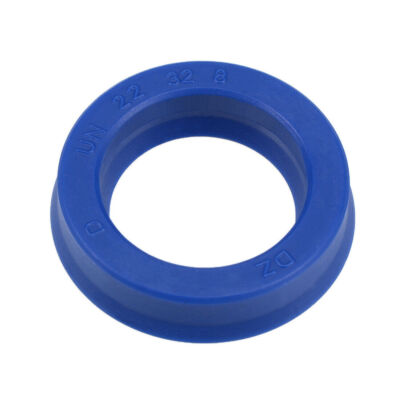
Påvirkningsmekanismens tætning og fødemekanismens tætning fungerer under helt forskellige forhold og svigter af helt forskellige årsager – men begge indgår i samme ordrekategori » delsætningskasse « uden at blive adskilt. Tætningen til påvirkningsmekanismen arbejder ved 40–55 Hz under en slagtryk på 160–200 bar med 180.000 kontaktcyklusser pr. driftstime. Det er en højfrekvent udmattelsesapplikation. Tætningen til fødemekanismen driver en cylinder, der bevæger sig 1.200–2.000 mm ved 0,3–1,2 m/min mod et fødetryk på 40–80 bar og udfører måske 8–12 fulde slag pr. time. Det er en langsom, kraftfuld glidende applikation.
De forskellige kinematiske regimer kræver forskellige tætningsgeometrier og forskellige prioriteringer for gummiblandinger. Stødtætninger kræver maksimal udmattelsesbestandighed og evnen til at opretholde læbekontakt under hurtig trykcirkulering — derfor foretrækkes PU. Fodercylinder-tætninger kræver lav startkraft, god viskerpræstation for at holde skærende rester væk fra stangen samt høj glidtætningseffektivitet over hele slaglængden på 1.200–2.000 mm — derfor anvendes der i mange fodercylinderanvendelser PTFE-forstærkede læbetætninger med NBR-energiserfjedre i stedet for ren PU. At blande gummiblandingerne mellem kredsløbene fører ikke til øjeblikkelig fejl; det fører til accelereret slid, der ser ud som normal levetid, indtil en vedligeholdelsesingeniør sammenligner driftstimer-til-fejl for de to kredsløb.
Sammenligning af tætningsdesign for stød- og fodermekanisme
Karakteristika |
Stødmekanisme-tætning |
Fodermekanisme-tætning |
Konsekvenser af erstatning |
Bremsesystemer |
40–55 Hz-percussion — 180.000 cyklus/timen |
8–12 fulde slag/timen — kvasi-statisch glidning |
Brug af føde-seal i stødkredsløbet svigter inden for 60–80 timer på grund af udmattelse |
Arbejdstryk |
160–210 bar stød |
40–80 bar fødekredsløb |
Stødseal i fødecylinderen øger brudkraften — klistre-glid-boring |
Foretrukket materiale |
PU med shore-hærhed 90–95 for god udmattelsesbestandighed |
NBR med PTFE-belægning eller PU med PTFE-belægning til lav friktion |
NBR-stødseal svigter med dobbelt så høj udmattelseshastighed som PU i stødboringer |
Hastighed på stangoverfladen |
Højfrekvente mikro-stød — boverfladen er afgørende |
Langsom, kontinuerlig stødbevægelse — stangens overfladekvalitet Ra 0,4–1,6 μm |
Tætningsring til fremføringscylinder i slagboring — utilstrækkelig udmattelsesbestandighed |
Serviceinterval (i rene forhold) |
400–480 timer for slagtætningsringe |
800–1.200 timer for tætningsringe til fremføringscylinder |
Udskiftning af fremføringscylindertætningsringe ved slagintervallet spilder 50–60 % af den resterende levetid |
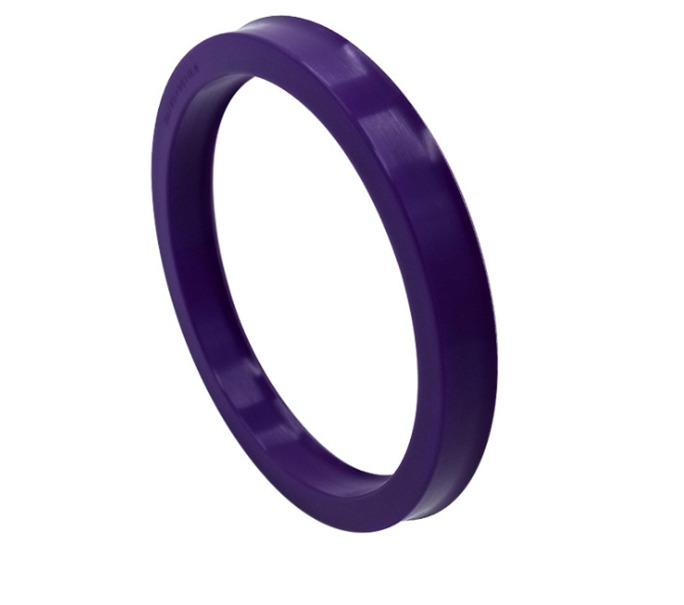
At bestille et sæt, der dækker begge kredsløb samtidigt, giver mening ved planlagte større reparationer – da adgangen til begge kredsløb er tilgængelig samtidigt under demontering. Men serviceintervallerne adskiller sig med mindst 2×, så de bør registreres separat i vedligeholdelsesprotokoller i stedet for at blive synkroniseret på én fælles tidsskema. HOVOO leverer separate sæt til påvirkningskredsløbet og fødekredsløbet afslutningskitter til Sandvik og Atlas Copco-jumbos med serviceintervalvejledning pr. kredsløb. Referencer på hovooseal.com.


