33-99No. Mufu E Rd. Gulou District, Nanjing, China [email protected] | [email protected]
33-99No. Mufu E Rd. Gulou District, Nanjing, China [email protected] | [email protected]

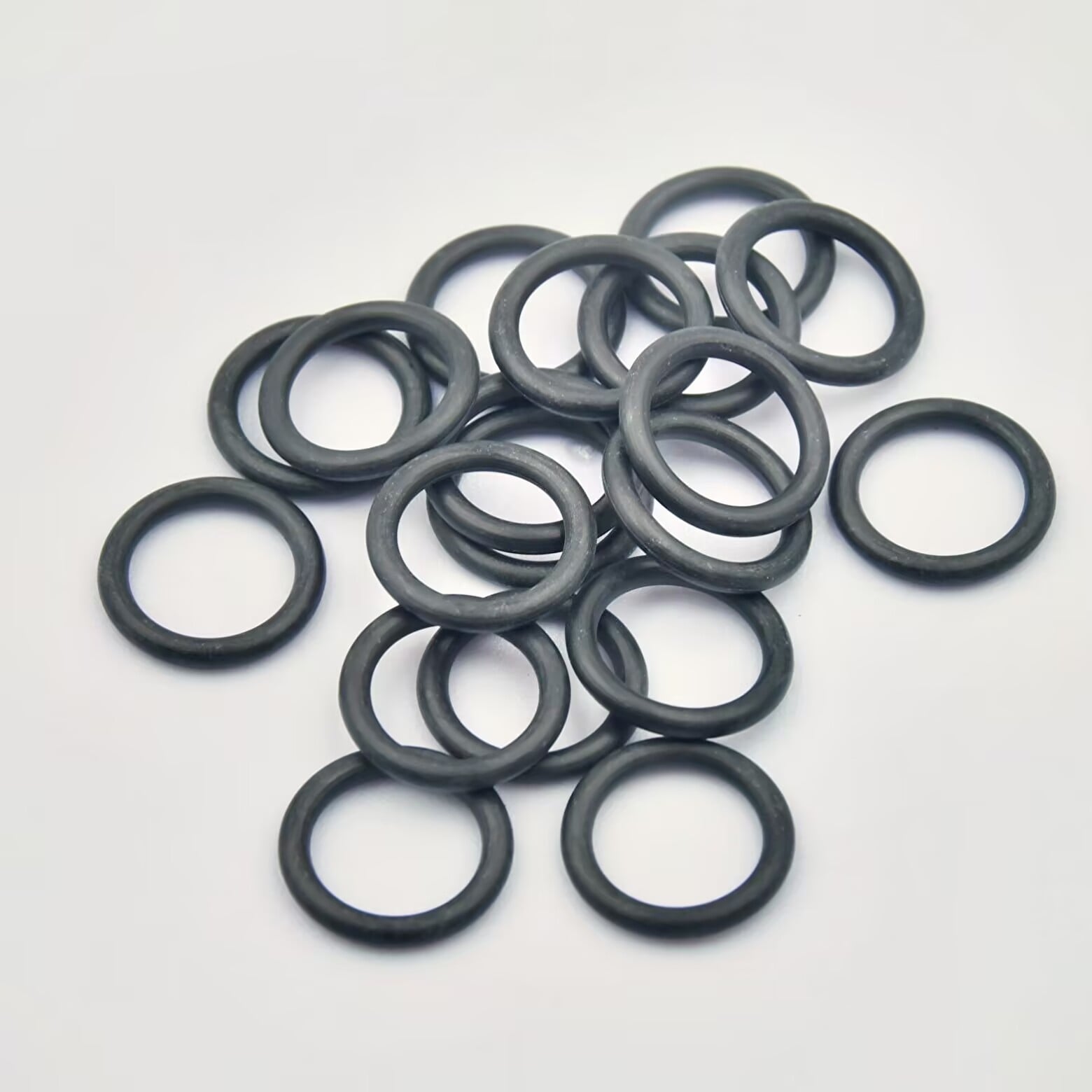
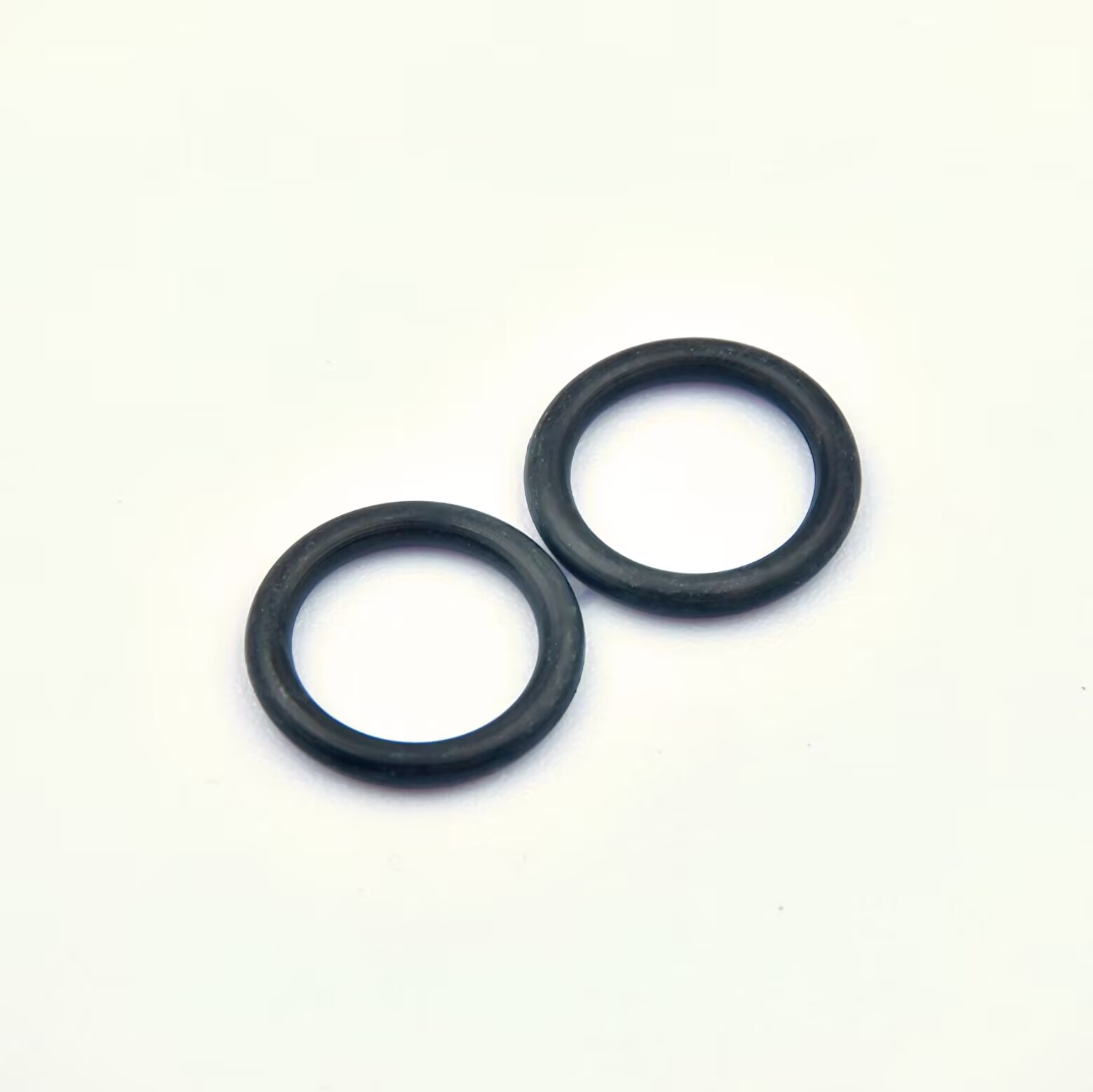
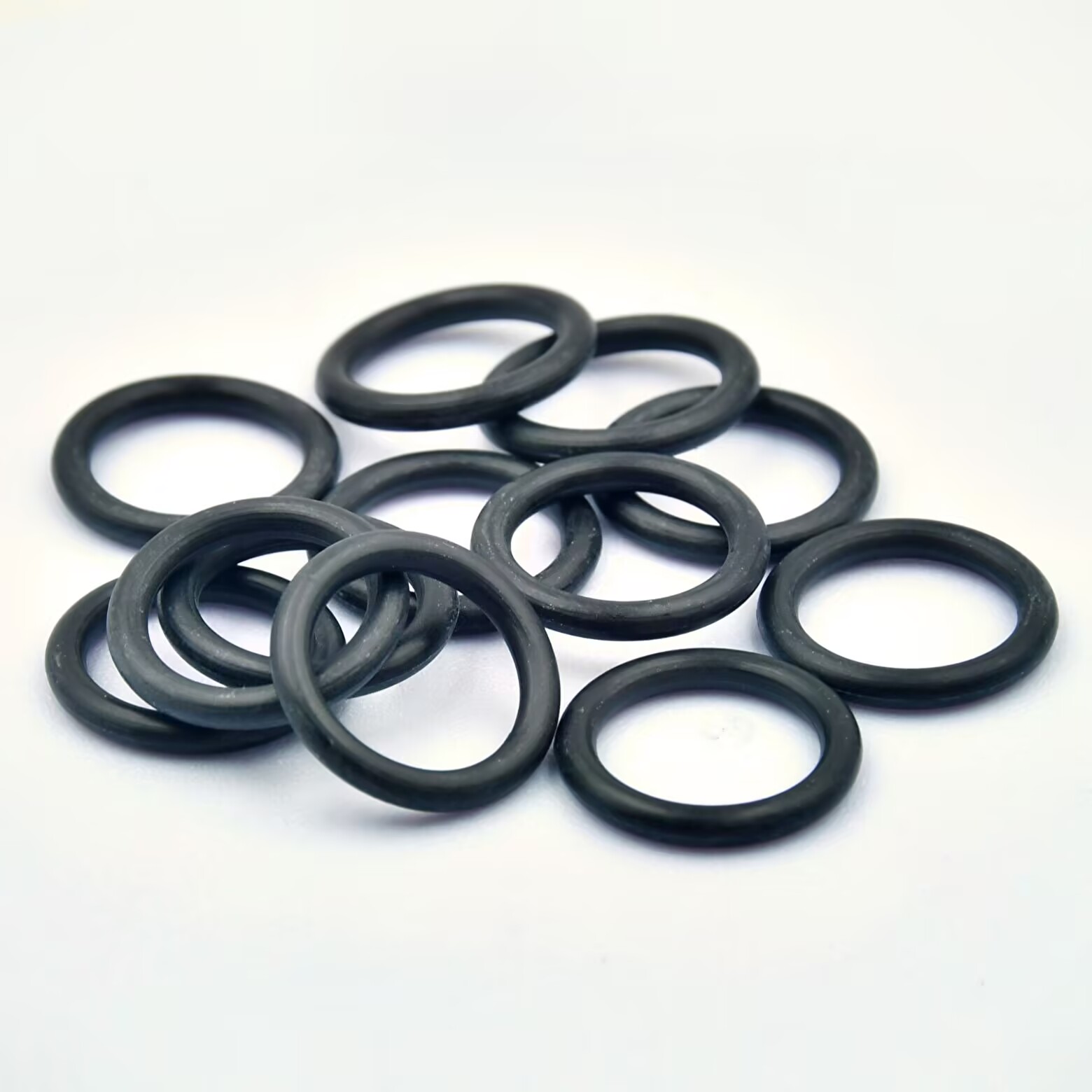
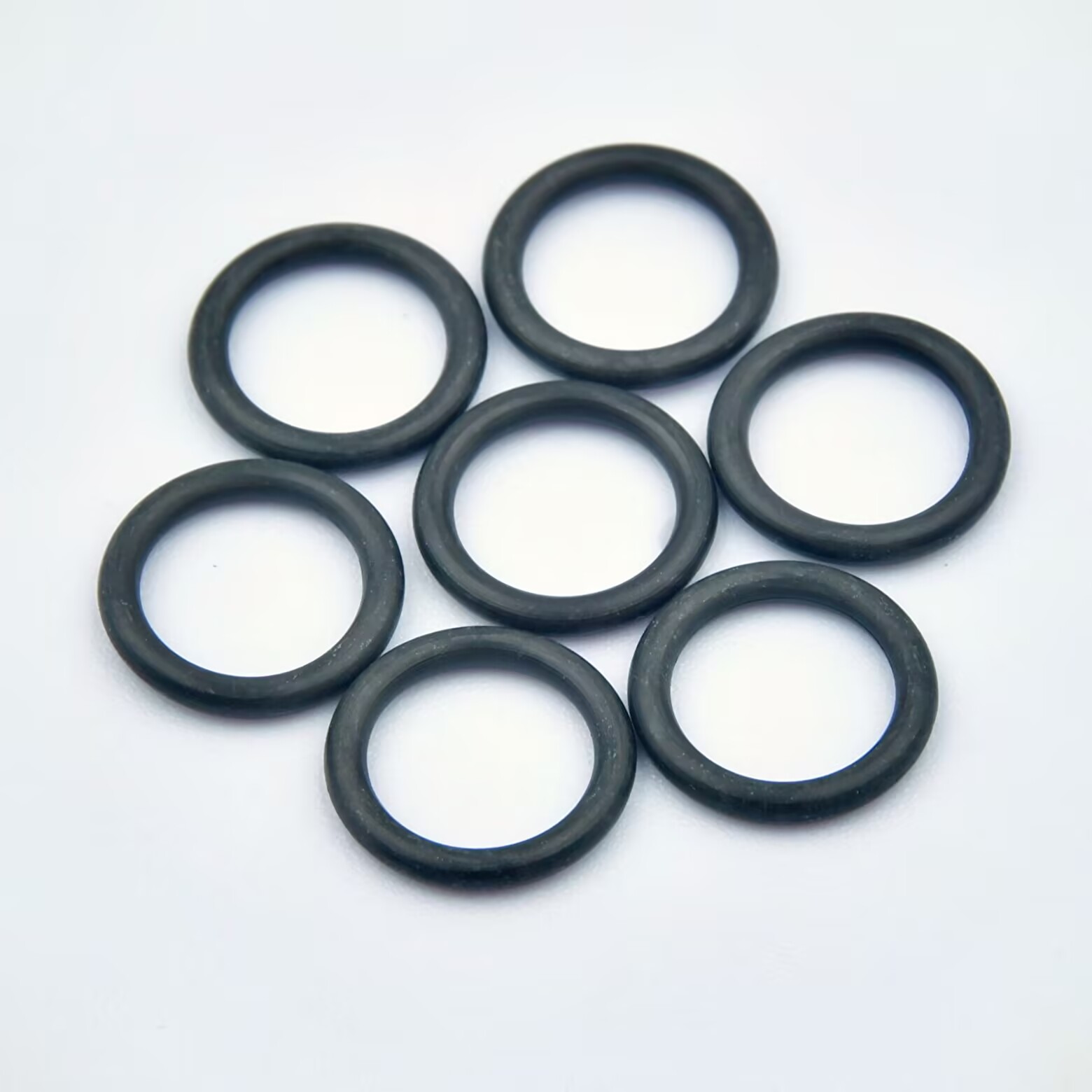
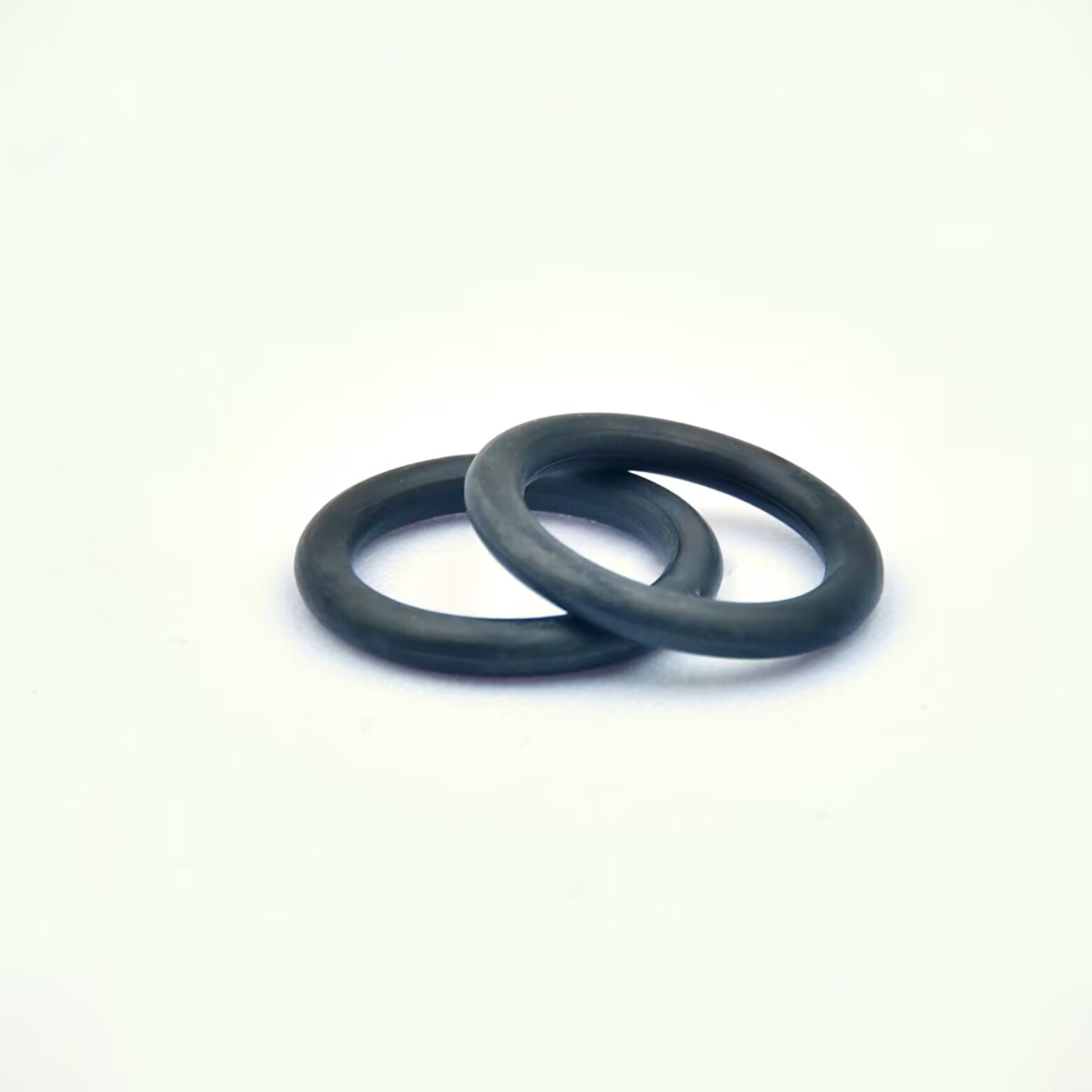
Ethylene Propylene Diene Monomer (EPDM):
It has excellent heat resistance, ozone resistance, and aging resistance.
In addition, it also features high-level elasticity, good low-temperature performance, and excellent insulating properties. The applicable operating temperature range is from -45°C to +150°C (up to +175°C for short periods). For the sulfur-cured type, the range can be reduced to -45°C to +120°C (up to +150°C for short periods). It is typically used in applications involving brake fluids (based on ethylene glycol) and hot water.
Based on its properties, EPDM O-rings are commonly used in:
Automotive Industry: Cooling systems (radiator, hose seals), braking systems (brake fluid), window seals, parts of fuel vapor systems (but not in direct contact with gasoline).
HVAC (Heating, Ventilation, and Air Conditioning): Chilled/hot water systems, refrigerants (e.g., R134a) seals.
Household Appliances: Dishwashers, washing machines, water heaters, coffee makers, and other components in contact with hot water or steam.
Construction and Outdoor Equipment: Door/window seals, curtain wall seals, outdoor electrical cabinet seals, swimming pool equipment.
Others: Food and beverage equipment (resists hot water sanitation), low-pressure steam valves, some chemical processing equipment (specific acid/alkali environments).

Welcome to HOVOO, a Chinese seal factory. Production of PU, Rubber and PTFE seals. The seals include O-ring, piston seal, rod seal, Gray ring and gas seal.


 EN
EN
 AR
AR CS
CS DA
DA NL
NL FI
FI FR
FR DE
DE EL
EL IT
IT JA
JA KO
KO NO
NO PL
PL PT
PT RO
RO RU
RU ES
ES SV
SV TL
TL IW
IW ID
ID LV
LV SR
SR SK
SK VI
VI HU
HU MT
MT TH
TH TR
TR FA
FA MS
MS GA
GA CY
CY IS
IS KA
KA UR
UR LA
LA TA
TA MY
MY