

 EN
EN
 AR
AR CS
CS DA
DA NL
NL FI
FI FR
FR DE
DE EL
EL IT
IT JA
JA KO
KO NO
NO PL
PL PT
PT RO
RO RU
RU ES
ES SV
SV TL
TL IW
IW ID
ID LV
LV SR
SR SK
SK VI
VI HU
HU MT
MT TH
TH TR
TR FA
FA MS
MS GA
GA CY
CY IS
IS KA
KA UR
UR LA
LA TA
TA MY
MY
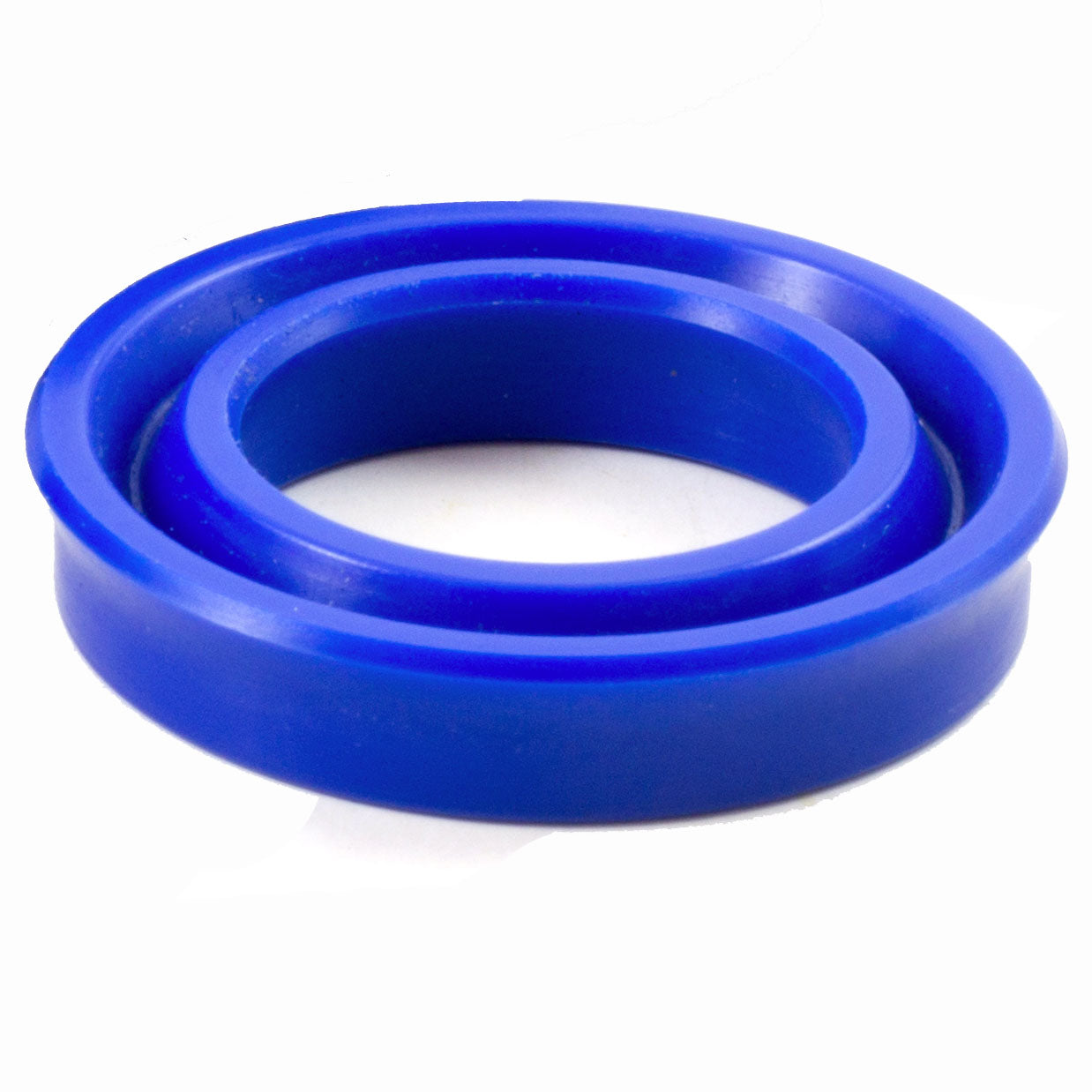
O-gyűrű a spirális meghibásodás – amikor a gyűrű axiálisan elcsavarodik a felszerelés során, és csavarvonalas pályán mozog a hornyban – az a hibamód, amelyet leggyakrabban rossz O-gyűrűnek tulajdonítanak, pedig szinte mindig a felszerelési technika hibája. Akkor következik be, ha az O-gyűrűt egy tengelyre nyújtják, és a nyújtóerő nem egyenletes a kerület mentén, így a gyűrű egy íve gyorsabban halad előre, mint a többi, és a keresztmetszet elcsavarodik. Az elcsavarodott szakasz hézagot hoz létre a furat érintkezésénél, amely 30–50 bar nyomásnál már átfolyást enged – jóval az ütőszerszám működési nyomása alatt –, és a hiba úgy tűnik, mintha a tömítés minőségi problémája lenne.
Három technika megakadályozza a spirális meghibásodást: elsőként soha ne nyújtsa meg az O-gyűrűt a névleges belső átmérőjének 3–5%-ánál többet a felszerelés során egy tengelyre helyezéskor. A küszöbértéknél jobban megnyújtott gyűrűk maradandó alakváltozást szenvednek, amely hajlamosítja őket a spirális deformációra dinamikus nyomásciklusok hatására. Másodszor, használjon kúpvezetőt vagy lekerekített (ferde) bevezető élt bármely olyan tengelyen vagy furatban, amelyen az O-gyűrűnek át kell haladnia – a lekerekítés egyenletesen osztja el a nyújtóerőt, megakadályozva, hogy egy ívív gyorsabban haladjon előre. Harmadszor, miután a gyűrűt beültették, forgassa el kézzel egy teljes fordulattal enyhe ujjnyomással annak ellenőrzésére, hogy keresztmetszete egyenletesen illeszkedik-e a horpadásba. A csavarodott gyűrű durván érezhető ebben a forgatási folyamatban; a megfelelően beültetett gyűrű simán forog.
O-gyűrű torzulásának megelőzésére szolgáló ellenőrzőlista
Torzítás típusa |
Okoz |
Megelőzési módszer |
Észlelés összeszerelés előtt |
Spirális csavarodás (csavarvonal-szerű pálya a horpadásban) |
Egyenetlen megnyúlás a tengelyen a felszerelés során |
Használjon kúpvezető bevezető élt; a megnyúlás legfeljebb a névleges belső átmérő 3–5%-a lehet |
Forgassa el kézzel a beültetett gyűrűt – a durva érzés csavarodást jelez |
Tengelyirányú nyomódeformáció (lapos keresztmetszet tárolás után) |
Tárolás összenyomott helyzetben 6 hónapnál hosszabb ideig |
Bolt O-gyűrűk lengő vagy sík, soha összenyomott rakásban |
Keresztmetszet mérése felszerelés előtt — ha a névleges érték alatt több mint 5 %, dobják el |
A gyűrű beszorulása a horpadás sarkában |
Éles horpadássarok fogja meg a gyűrűt összenyomás közben |
Győződjön meg róla, hogy a horpadássarkok lekerekítettek legalább 0,2 mm-es sugárral |
Horpadás vizuális ellenőrzése a gyűrű behelyezése előtt |
Kiszorulás a felszerelési résnél |
A ház felületei közötti rés túlságosan széles szerelés közben — a gyűrű kiszorul |
Ellenőrizze, hogy a hézag záródik-e 0,08 mm-nél kisebbre a biztonsági gyűrűnél a teljes nyomaték alkalmazása előtt |
Ellenőrizze a hézagot érzékelőmérővel a ház csavarjainak meghúzása előtt |
Kémiai torzulás a helytelen kenőanyag miatt |
Petrolkeményítő érintkezése NBR-rel felszerelés előtt |
Csak szilikonkenőanyagot használjon; alkalmazzon vékony, egyenletes réteget – soha ne öntse el |
Hasonlítsa össze a keresztmetszetet a kenőanyag felvitelét megelőzően és annak felvitelét követő 5 perccel |
a beültetést követő egyfordulatos forgatási teszt 8 másodpercet vesz igénybe, és észleli a spirális felszerelést még a ház lezárása előtt. Ez a legidőhatékonyabb minőségellenőrzés az egész tömítésfelszerelési eljárásban. A HOVOO az Atlas Copco és Sandvik drifter készletek. Teljes műszaki adatok a hovooseal.com oldalon.


