

 EN
EN
 AR
AR CS
CS DA
DA NL
NL FI
FI FR
FR DE
DE EL
EL IT
IT JA
JA KO
KO NO
NO PL
PL PT
PT RO
RO RU
RU ES
ES SV
SV TL
TL IW
IW ID
ID LV
LV SR
SR SK
SK VI
VI HU
HU MT
MT TH
TH TR
TR FA
FA MS
MS GA
GA CY
CY IS
IS KA
KA UR
UR LA
LA TA
TA MY
MY
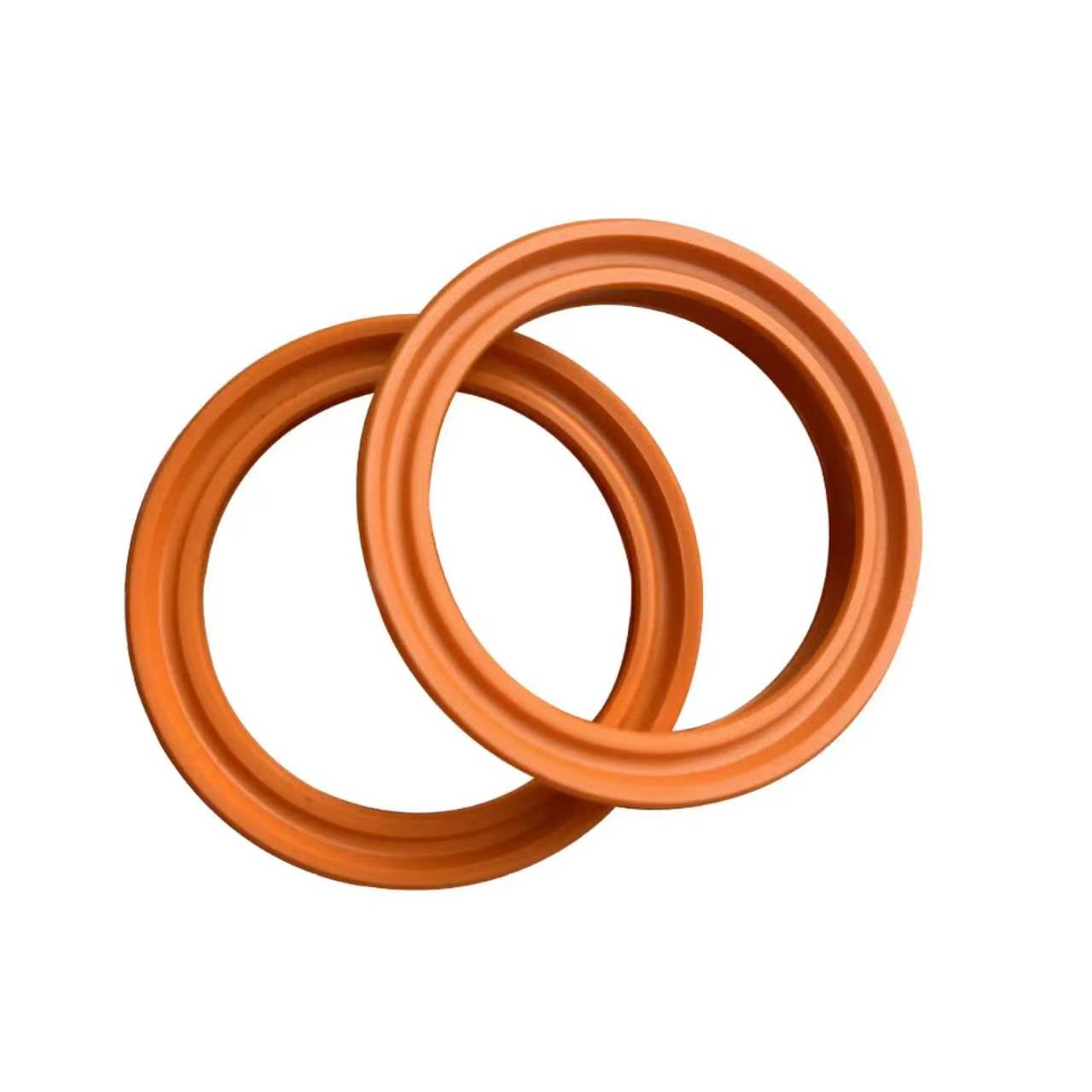
Miért fontosabb a mag, mint a burkolat
Egy hidraulikus törő külső háza az első dolog, amit egy vásárló észrevesz, de a belső szerelvény — a dugattyú, a henger, a vezérlőszelep és az akkumulátor — határozza meg, hogy a gép valójában mennyit teljesít egy műszak alatt. Ezekhez a lényeges alkatrészekhez tartozik a hidraulikus henger, a dugattyú, az akkumulátor, a vezérlőszelep és a munkaeszköz, többek között. Az alkatrészek ilyen egységesítése tükrözi az iparág elismerését a hatékonyság és megbízhatóság iránt, amelyet ezek a közös építőelemek biztosítanak a hidraulikus törők tervezésében.
A hidraulikus henger, amely a törőberendezés erőforrásaként működik, a hidraulikus energiát mechanikai erővé alakítja át, és így mozgatja a dugattyút. A dugattyú ezután a szükséges ütőerőt juttatja el a munkaeszközre, lehetővé téve, hogy az eltördelje és összetörje a célzott anyagot. Az akkumulátor, amely energiatárolóként funkcionál, biztosítja a folyamatos teljesítményellátást, és elnyeli a hidraulikus rendszerben esetlegesen fellépő nyomásváltozásokat. Ha eltávolítjuk a burkolatot, egy precíziós hidraulikus kör marad meg, ahol minden tűrés, minden anyagminőség és minden felületi minőség vagy megóvja a következő karbantartási időszakot, vagy lerövidíti azt.
Ezért az eredeti minőségű alkatrészek aránytalanul nagy jelentőséggel bírnak az egységárukhoz képest. Egy dugattyú vagy zárócsomag csak kis részét teszi ki a teljes gép árának, mégis egy alacsony minőségű cserealkatrész már néhány hét alatt károsítja az összes vele érintkező komponenst – a hengerbelső felületet, a bushinget, a szelep időzítést és az akkumulátor töltését. A hiba ritkán drámai; a teljesítmény csendesen csökken, az olaj hőmérséklete emelkedik, és mire az üzemeltető észreveszi, több más alkatrész is már megsérült – és ez a károsodás nem fordítható vissza, még akkor sem, ha végül kicserélik a hibás alkatrészt.
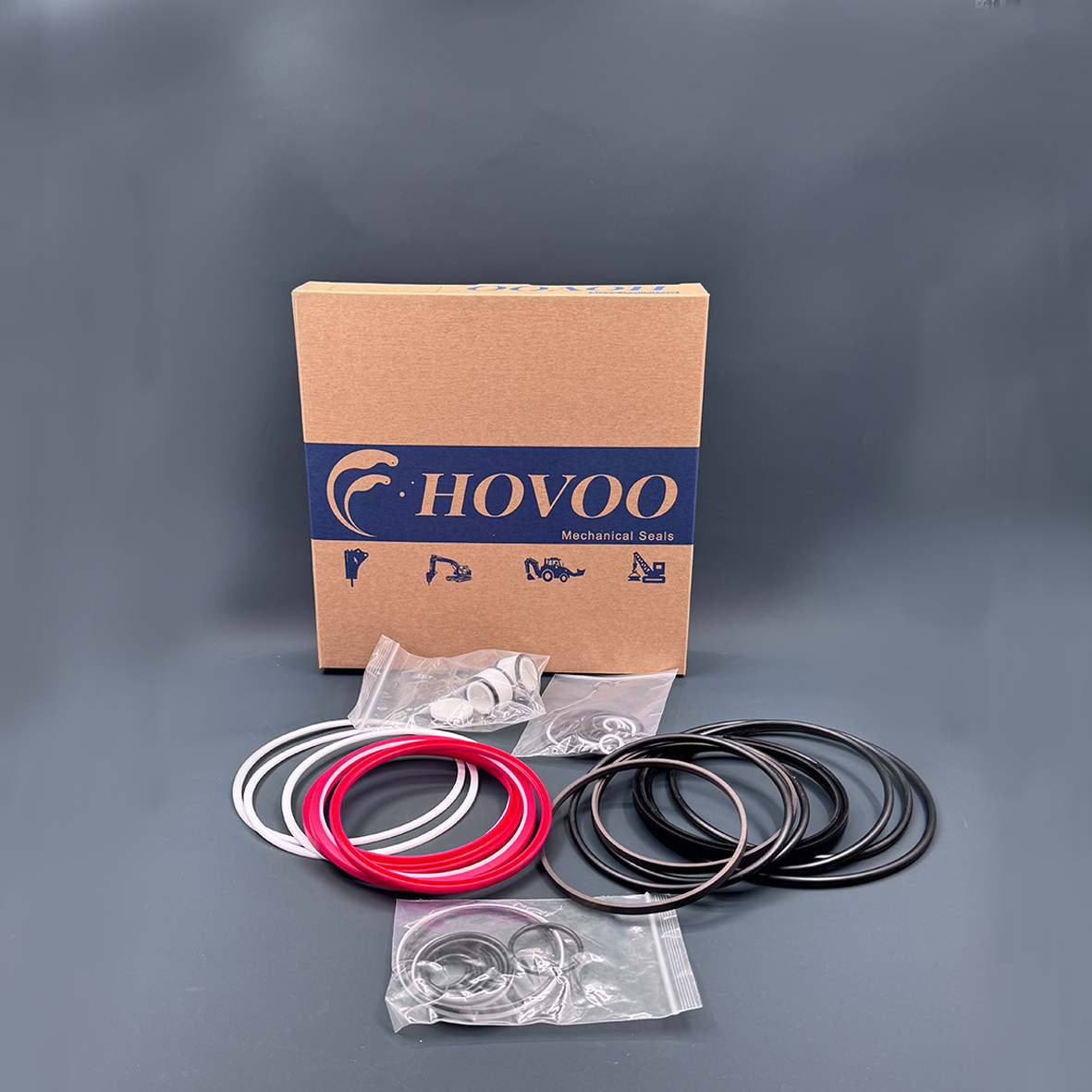
A nyomófej megbízhatóságát meghatározó nyolc alkatrész
Az alábbi táblázat a nyolc alapvető alkatrészt tartalmazza, megadja mindegyik eredeti minőségű specifikációját, azt, hogyan romlanak el a alacsony minőségű alkatrészek, valamint azt, milyen mezőn észlelhető jelekre érdemes figyelni a katasztrofális meghibásodás előtt.
CompoNent |
Gyári anyag / specifikáció |
Alacsony minőségű alkatrészek meghibásodásának módja |
Mezőn észlelhető figyelmeztető jel |
Dugattyú |
Magas minőségű speciális acél; ütés-hatékonyságra optimalizált geometria |
Horpadás a hengerfuratban; csökkenés az ütésenkénti ütőenergiában |
Látható horpadás, teljesítménycsökkenés, olaj túlmelegedése |
Henger törzse |
20CrMo; magas hőmérsékleten történő edzés + precíziós csiszolás |
A furat kopása megnöveli a játékot, ami szivárgást és nyomáscsökkenést eredményez |
Olajszivárgás a tömítések mellett, instabil ütéspercenkénti fordulatszám (BPM) |
Vezérlőszelep |
Precíziós megmunkálású; időzítés-szempontból kritikus a dugattyú ingadozó mozgásához |
Szelepkopás csökkenti a hatékonyságot; lassú vagy szabálytalan ütési ciklus |
Inkonzisztens ütési frekvencia, túlmelegedés |
Akkumulátor |
Membrános típus; nitrogénnel előtöltött az OEM-specifikáció szerint |
Nyomáscsúcsok elérnek a szivattyút és a tömítéseket; az energiavisszanyerés meghiúsul |
Erős visszarúgás, tömítés meghibásodása, szabálytalan teljesítmény |
Zárócsomag |
Poliuretán / PTFE, 110 °C feletti hőállóságú; Parker! vagy NOK minőség |
Belső és külső olajszivárgás; nyomásvesztés |
Olajszivárgás a csatlakozásoknál, teljesítménycsökkenés |
Kopó bush |
Hegesztett (keményített) hengerfurat; irányítja a csákányt és elviseli az oldirányú erőket |
A csákány tengelyen kívüli ütése gyorsítja a dugattyú és az elülső fej kopását |
A csákány rezgése, az elülső fej sérülése |
Kalapács |
42CrMo; hőkezelt hegy (csákány, tompa, kés- és kúpos kivitelben kapható) |
A hegy deformációja energiavisszaverődést okoz a házban |
Tipp: gombásodás, csökkent behatolás |
Átmenő csavarok |
Nagy szilárdságú; előírt nyomatékkal meghúzva és hetente ellenőrizve |
A csavar fáradása miatt a frontfej/henger elválik terhelés alatt |
Csavar megnyúlása, hallható lazaság, olaj a csatlakozásoknál |
Beszerzés és ellenőrzés gyakorlatban
Egy hidraulikus törő annyira megbízható, amennyire a működését biztosító alkatrészek ellátása megbízható. A vállalkozók gyakran figyelmen kívül hagyják ezt, amíg egy csiszoló vagy dugattyú nem törik el közvetlenül egy projekt közben. A gyakorlati következmény az, hogy a fő összetevők beszerzése ugyanattól a gyártótól, aki az egész gépet gyártotta – vagy egy ellenőrzött, OEM-szintű szállítótól – nem egy prémium választás, hanem egy kockázatkezelési döntés. Parker zárócsomagok a tömítések tekintetében megbízható választás, míg a teljes alkatrészeket gyártó cégek dugattyúkat, bélészeket és szelepeket szállítanak. Ha lehetséges, hasonlítsa össze az anyagtanúsítványokat, és kérjen mintadarabokat vagy ellenőrzési jelentéseket.
A szabályozószelep és a dugattyú az egyetlen két mozgó alkatrész a kalapácsoló egység belsejében. Ennek a mechanikai funkció koncentrációja két alkatrészre azt jelenti, hogy mindkettőnek pontosan – nem közelítőleg – meg kell felelnie az eredeti méreti tűréseknek. A dugattyú–henger hézag meghatározza a fúvódást; néhány mikronnyi túlméretes illesztés esetén a hidraulikus nyomás minden felfelé irányuló lökésnél átfúj a dugattyún, emelkedő olajhőmérsékletet és egyidejűleg csökkenő ütőenergiát okozva. A dugattyú tűréshatárainak szabályozása, valamint a dugattyú és a henger test közötti illesztési hézag elérése a legjobb hatás érdekében egy megmunkálási cél, amelyet egy olcsó, utángyártott nyersdarab nem tud megbízhatóan elérni az eredeti gyártóval azonos CNC-felszerelés és minőségi folyamat nélkül.
A csavarokat gyakran alábecsülik a vásárlók. Ezeket a frontfej, a henger és a hátsó fej összeszerelésére használják. A csavarokat rendszeresen újra meg kell húzni a megadott nyomatékra – ellenőrizze a csavarokat lazaság szempontjából, és hetente egyszer ismételten húzza meg őket. Egy olyan csavar, amely túllépi rugalmas határát, nem tud visszatérni az előírt méretekre újrahúzás után; ezért cserélni kell. Megnyúlt csavarok használata esetén mikromozgás léphet fel a frontfej és a henger között ütőterhelés hatására, és ez a mozgás gyorsabban kopasztja a illeszkedő felületeket, mint majdnem bármely más meghibásodási mód. A csavarok beszerzési költsége elhanyagolható; a károk viszont nem.


