

 EN
EN
 AR
AR CS
CS DA
DA NL
NL FI
FI FR
FR DE
DE EL
EL IT
IT JA
JA KO
KO NO
NO PL
PL PT
PT RO
RO RU
RU ES
ES SV
SV TL
TL IW
IW ID
ID LV
LV SR
SR SK
SK VI
VI HU
HU MT
MT TH
TH TR
TR FA
FA MS
MS GA
GA CY
CY IS
IS KA
KA UR
UR LA
LA TA
TA MY
MY
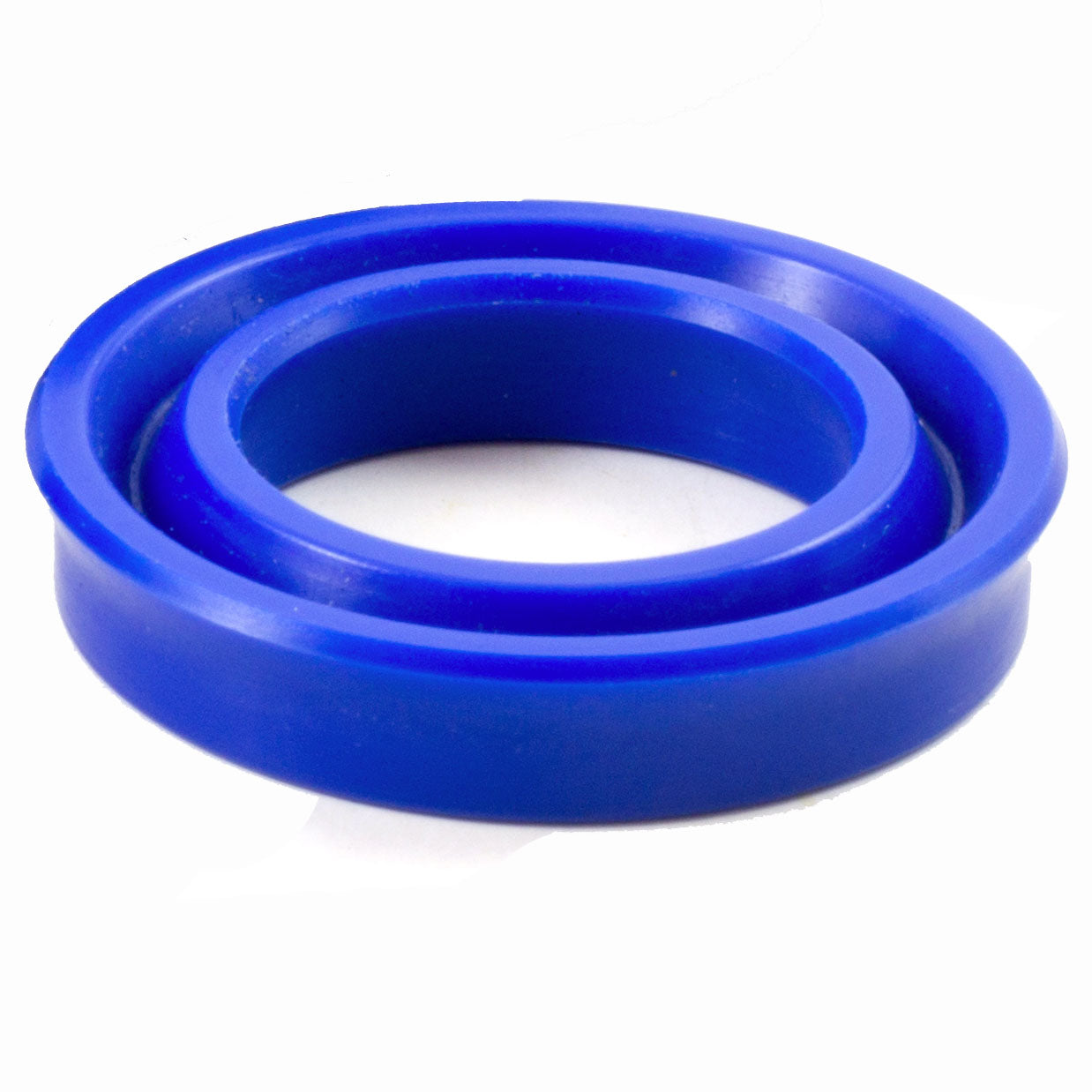
עיגול גומי כישלון ספירלי — הטבעת מתפתלת צירית בעת ההתקנה וריצה במסלול של סליל סביב החריץ — הוא מצב כישלון הנחשב לרוב לכישלון של טבעת O כאשר למעשה כמעט תמיד מדובר בשגיאה בטכניקת ההתקנה. זה קורה כאשר טבעת ה-O נמשכת מעל הציר וכוח המשיכה אינו אחיד לאורך ההיקף, מה שגורם לקשת אחת של הטבעת להתקדם מהר יותר מהשנייה ומסובבת את חתך הצלב. החלק הסיבובי יוצר פער במגע עם הקדח שמאפשר דליפת נוזל ב-30–50 בר — הרבה מתחת ללחץ הפעלה של מallet — והכישלון נראה כאילו נובע מאיכות החסימה.
ישנם שלושה טכניקות למניעת כריכה ספירלית: ראשית, לא למתוח טבעת O יותר מ-3–5% מהקוטר הפנימי הנקוב שלה בעת ההתקנה על ציר. טבעות שמתוחות מעבר לסף זה חווים עיוות קבוע שגורם להן להסתובב ספירלית תחת מחזורי לחץ דינמיים. שנית, להשתמש במדריך חרוטי או בפינה משופעת (צורת 'חֶדֶק') בכניסה לכל ציר או חור שעליו חייבת לעבור הטבעת — הפינה המשופעת מפיצה את כוח המתיחה באופן אחיד, ומניעה מאחד הקשתות להתקדם מהר יותר. שלישית, לסובב את הטבעת המותקנת סיבוב מלא ביד, בעזרת לחץ קל באצבעות, לאחר שהושמה במקומה — כדי לוודא חתך אחיד סביב החריץ. טבעת שסובלת מכריכה תרגיש קשוחה במהלך הסיבוב הזה; טבעת שמוצבת כראוי תסתובב חלק.
רשימת בדיקה למניעת עיוות טבעת O
סוג העיוות |
גורם |
שיטת מניעה |
איתור לפני הרכבה |
כריכה ספירלית (מסלול 'פקקון' בחריץ) |
מתיחה לא אחידה על הציר במהלך ההתקנה |
להשתמש במדריך חרוטי בכניסה; להתיח מקסימום 3–5% מהקוטר הפנימי הנקוב |
לסובב את הטבעת המותקנת ביד — תחושה קשוחה מצביעה על כריכה |
השתקעות צירית (חתך שטוח לאחר אחסון) |
אחסון במצב דחיסה למשך יותר מ-6 חודשים |
חנות O-rings תלויה בחופשיות או שטוחה, לעולם לא בערימה דחוסה |
למדוד את חתך הצלב לפני ההתקנה — אם קטן מ-5% מהערך הנקוב, להשליך |
דחיסה בפינה של חריץ |
פינה חדה של חריץ שאוגרת את הטבעת במהלך הדחיסה |
לוודא שפינות החריץ מוטוות ברדיוס מינימלי של 0.2 מ"מ |
בדיקה ויזואלית של החריץ לפני הכנסת הטבעת |
התנפחות בפער ההתקנה |
הפער בין פאות הגוף גדול מדי בעת האיסוף — הטבעת נדחקת החוצה |
לאמת שהפער נסגר למטה מ-0.08 מ"מ בטבעת התמיכה לפני הפעלת המומנט המלא |
לבדוק את הפער באמצעות מד פיסות לפני איזון בולטים של הגוף |
עיוות כימי вследствие שמן שיפוע |
התקשרות שמנת נפט עם חומר ה-NBR לפני ההתקנה |
להשתמש רק בשמנת סיליקון; להחיל שכבת דקיקה ואחידה — לא להציף אף פעם |
להשוות את החתך הרוחבי לפני ואחרי 5 דקות מהחדרת השמן |
מבחן הסיבוב של סיבוב אחד לאחר התיישבות נמשך 8 שניות ומזהה התקנה ספירלית לפני סגירת הגוף. זהו בדיקת האיכות היעילה ביותר בזמן בכל תהליך התקנת הטבעות. HOVOO מספקת מדריכי התקנה עם הוראות מפורשות לטיפול בטבעות O לכל מיקום חסימה באטלס קופקו ו- Sandvik ערכות דריפטר. مواصفات מלאות באתר hovooseal.com.


