

 EN
EN
 AR
AR CS
CS DA
DA NL
NL FI
FI FR
FR DE
DE EL
EL IT
IT JA
JA KO
KO NO
NO PL
PL PT
PT RO
RO RU
RU ES
ES SV
SV TL
TL IW
IW ID
ID LV
LV SR
SR SK
SK VI
VI HU
HU MT
MT TH
TH TR
TR FA
FA MS
MS GA
GA CY
CY IS
IS KA
KA UR
UR LA
LA TA
TA MY
MY
מפרק הידראולי שנותן 5,000–7,000 שעות של פעילות עם תחזוקה מעולה באקלים ממוזג יעבוד רק 2,000–3,000 שעות באותה תוכנית תחזוקה בסביבה חוץ-ארצית חמה (40° צלזיוס) ועמוסת אבק. תוכנית התזמון לא עוברת כה בקלות, משום שמנגנוני הכשל מתעצמים: השמן המוצק נרקב מהר יותר, חדירת האבק גבוהה יותר, וטמפרטורת השמן עולה מהר יותר. התגובה אינה דורשת גישת 'גיבוריות' — אלא התאמת פרקי הזמן של התזמון ובחר בחלפים המתאימים לסביבה. רוב תקלות השירות בחוץ-ארץ נובעות מהחלת פרקי זמן מקומיים על תנאי חוץ-ארציים.
שמן מוצק: הנקודה החשובה והבלתי ניתנת לוותר עליה
כל יצרן של מפסקים מציין משחת אזמל או גריז לפטישים הידראוליים בטמפרטורה גבוהה - לא גריז סטנדרטי לרכב. הסיבה לכך ספציפית: גריזים לרכב בדרך כלל בעלי דירוג טמפרטורות עבודה מתחת ל-150 מעלות צלזיוס. ממשק האזמל לתותב של מפסק הידראולי מגיע לטמפרטורות גבוהות בהרבה מאלה תחת פעולה ממושכת, במיוחד בסביבה חמה. גריז סטנדרטי נמס ונגמר, ומשאיר מגע יבש של מתכת למתכת. קונצנזוס בתעשייה מ... אטלס קופקו , BEILITE, ומוצרי הבנייה של Allied זהים: השתמשו במשחת אזמל מבוססת מוליבדן עם טמפרטורת עבודה מינימלית של 260°C (500°F), המכילה תוספי נחושת וגרפיט השומרים על שימון גבולות גם כאשר שכבת השמן מתפרקת לרגע תחת עומסי פגיעה שיא.
בתנאים סטנדרטיים, תדירות השמנת החרטום היא כל 2–4 שעות. בתנאי חום גבוה ואבק רב — כריות באפריקה שמדרום לסהרה, בניית דרכים במזרח התיכון, כרייה בדרום מזרח אסיה — יש לקצר את התדירות לכול 1–2 שעות. הסימן לכך שהשמנה פועלת כראוי: שמן חדש חייב לצוץ מהחציצה נגד האבק בבסיס החרטום בעת שמתבצעת שמינה. עובדה זו מאשרת כי החלל שבין החישוק לכלי מלא שמן ושהשמן המזוהם הישן מוזז, ולא רק מצטבר בשכבות. כמות קטנה מדי של שמן שמעורבב עם אבק מחוספס יוצרת, כפי שמתואר על ידי מקור תעשייתי מאליאד קונסטרקשן פרודקטים, תערובת ליטוף — בצק מחוספס שגורם לבלאי מהיר יותר של החישוק מאשר היעדר שמן לחלוטין.
טמפרטורת השמן וחציצת האבק: שני הגורמים המאיצים במדינות זרות
טמפרטורת שמן הידראולי היא המשתנה השני שמגביל את הפעילות במדינות זרות. מדריך התיקון של BEILITE מציין טווח פעולה אופטימלי של 40–70°מ; מעל 80°מ, צמיגות השמן יורדת, כוח החסימה נחלש, וקצב ההתנוונות של כל חוגרי הגומי מאיץ באופן לא ליניארי. בסביבה עם טמפרטורת אוויר של 45°מ, שמן הידראוליקה עלול להגיע ל-80°מ כבר בשעה הראשונה של הפעולה ביום חם, אם מקרר השמן אינו פועל כראוי. יש לבדוק את מצב המקרר של השמן במערכת לפני כל משמרת — סתימות בצלעות המקרר נפוצות בסביבות עפריות ומביאות להפחתת הסרת החום ב-30–50%.
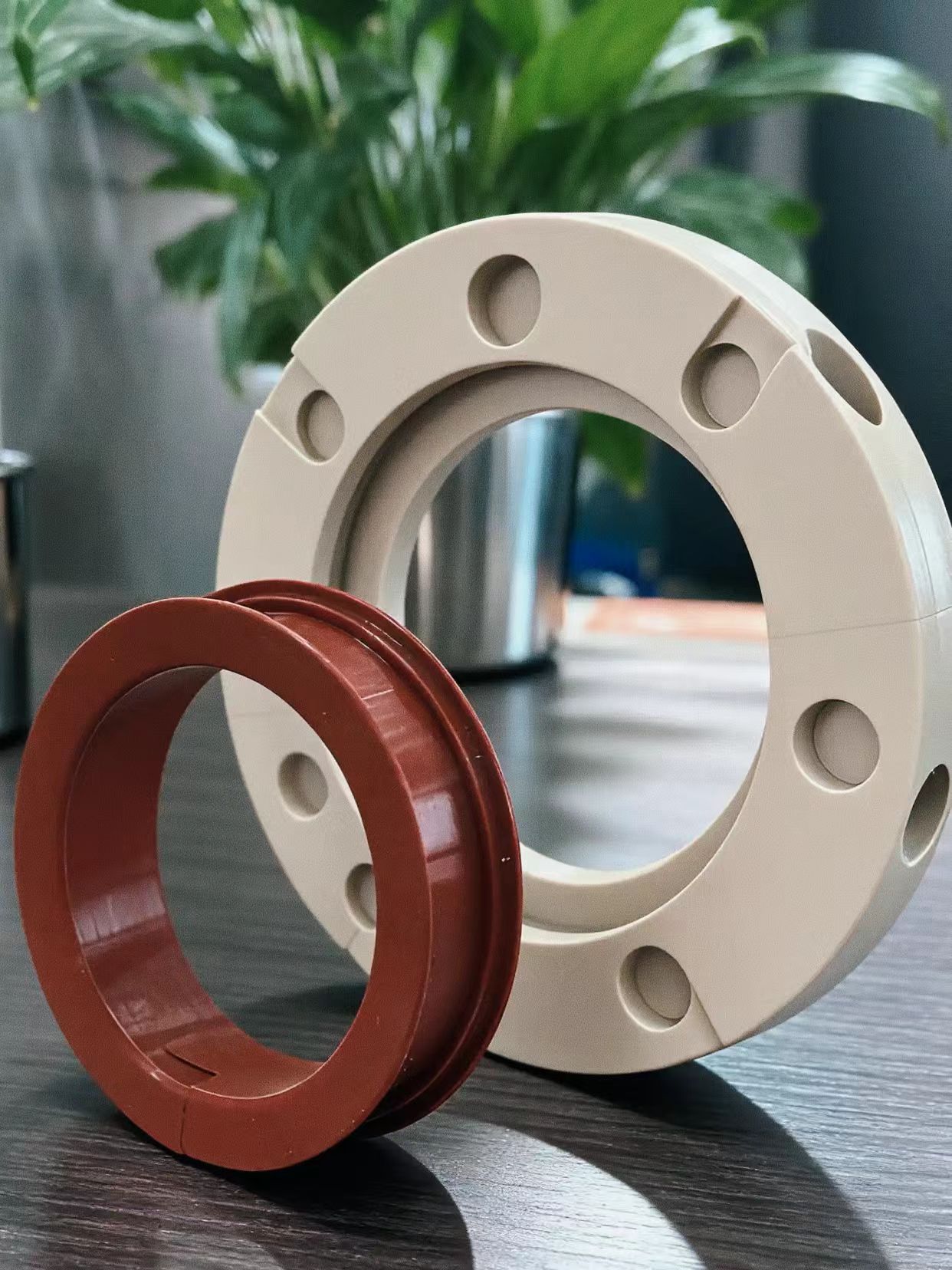
מרווחי בדיקת אטמי אבק בסביבות שחיקה גבוהה צריכים להיות כל 400 שעות, ולא 800. ברגע שאבק סיליקה או לטריט חודר לאטם האבק לתוך ממשק התותב-קדח, הוא פועל כמשחה שוחקת בכל פעימת בוכנה. שפשוף הקדח שנגרם כתוצאה מכך הופך את הבדיקה הבאה קיט סיגל כשל תוך 200 שעות ללא קשר לאיכות תרכובת האטם. אטם האבק עצמו עולה רק חלקיק אחוז ממחיר הרכישה של המפסק. דחיית החלפתו עולה פי שניים מכך בתיקונים עתידיים. HOVOO ו-HOUFU מספקות התאמה לסביבה קִיטֵי חֲתֹם עם אטמי אבק FKM ו-PTFE מכוילים במיוחד לתנאים של טמפרטורה גבוהה ושחיקה גבוהה בחו"ל. פרטים נוספים בקרו באתר https://www.hovooseal.com/
תחזוקה בחו"ל: התאמת מרווחי התחזוקה לתנאי חום גבוה / אבק רב
משימת תחזוקה |
מרווחי תחזוקה לחום גבוה / אבק רב |
מה קורה אם מדלגים על הפעולה |
שימום של החרטום |
כל 1–2 שעות (בניגוד ל-2–4 שעות בתנאים רגילים) |
אבק + חוסר שימון = תערובת גריסה; החישוק נהרס בתוך משמרת אחת |
בדיקת טמפרטורת שמן הידראולי |
בתחילת כל משמרת; מקסימום 80° צלזיוס |
שמן מעל 80°C מפחית צמיגות; אטמים מתכלים; קוויטציה במשאבה ב-100°C |
בדיקה של חתימת אבק |
כל 400 שעות (לעומת 800 שעות בגרסה הסטנדרטית) |
כישלון חותמת → אבק סיליקה בתוך החריץ → חומר גריסני → קציצה על מגבעון |
בדיקת לחץ חנקן |
שבועי; בתדירות גבוהה יותר בסביבות טמפרטורה גבוהה |
חום מרחיב חנקן; קריאה שגויה-גבוהה מסתירה את ההתדרדרות של המembrנה באקמולטור |
החלפת מסנן הידראולי |
כל 500 שעות או מוקדם יותר אם השמן כהה/גרנולרי |
שימור נזיל הוא הסיבה הראשונה לקציצה על המגבעון והצילינדר ברחבי העולם |
תחזוקת מפרק הידראולי מחוץ לישראל | תחזוקת אבק בטמפרטורות גבוהות | תקופת החלפת שמן לחודשיות מחוץ לישראל | גבול טמפרטורת השמן למפרק הידראולי | HOVOO | HOUFU | hovooseal.com


