

 EN
EN
 AR
AR CS
CS DA
DA NL
NL FI
FI FR
FR DE
DE EL
EL IT
IT JA
JA KO
KO NO
NO PL
PL PT
PT RO
RO RU
RU ES
ES SV
SV TL
TL IW
IW ID
ID LV
LV SR
SR SK
SK VI
VI HU
HU MT
MT TH
TH TR
TR FA
FA MS
MS GA
GA CY
CY IS
IS KA
KA UR
UR LA
LA TA
TA MY
MY
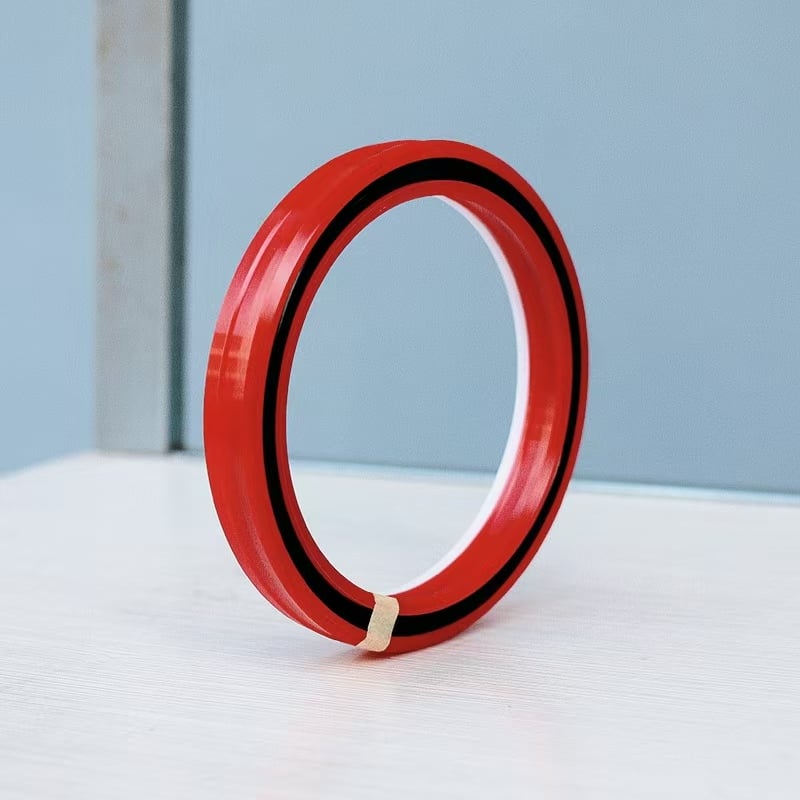
שלמות החסימה בכל שלב — נאנצ'ינג הובו (HOVOO / HOUFU)
כל שלב במחזור מהווה גבול לחץ — וכל גבול כולל חסימה
עקרון הפעולה של המפרק ההידראולי נלמד כמחזור ארבע-שלבי: עלייה, העברת שסתום, ירידה, ותגובה. רוב הסברים מתמקדים במכניקה של כל שלב — הפיסטון עולה, החנקן מכווץ, השסתום מתחלף, הפיסטון פוגע. מה שהסברים אלו לא מציינים הוא שכל שלב במחזור הוא גם אירוע של גבול לחץ, וכל גבול מוחזק על ידי חתימה. העלייה עובדת כי הפיסטון חתימה של ציר מונע את חדירת שמן הידראולי לחדר החנקן. תנועת השסתום מתבצעת בגלל שהחמה של מושב השסתום מחזיקה את הלחץ המדורג באחת הפאות ללא דליפה לפאה השנייה. המעבר כלפי מטה מספק את האנרגיה המדורגת מכיוון שחמת האבק הקדמית של הבוכנה מנעה את חדירת חלקיקים קשוחים לאזור תנועת הבוכנה. ספיגת ההשתלבות מתבצעת בגלל שהמאגר דיאפרגמה מתקפל ומתאושש לפני תחילת המחזור הבא.
כאשר אחד מארבעת החותמים האלה נדבֵק, המחזור לא נעצר — הוא ממשיך ביעילות מופחתת בדרך שמחזירה ומעמיקה את הנזק ההולך והמתגבר. חותם מוט הפיסטון המנוקש מאפשר ל масло להיכנס לאזור החנקן; לחץ הקפיץ הגזי יורד ב-2–5 בר לשבוע; הפעיל מזהה ירידה בתדר הפעימות (BPM) ומעלה את זרימת הנושא, מה שמגביר את טמפרטורת השמן ומאיץ עוד יותר את נדבוק החותמים. דיאפרגמה נfatigue של האצום מאפשרת לחנקן לערבב לתוך מעגל ההידראוליקה; השמן מפתח пузыרים של גז; התחלות קוויטציה מתרחשות במשאבת הנושא; בעיה בחותם המפרק הופכת לבעיה במשאבת הנושא. בשני המקרים המחזור ממשיך, הנזק מצטבר, והכשל הנראה — כאשר הוא מופיע — רחוק מאוד מהחותם שהתחיל אותו.
נאנצ'ינג הובו מייצרת חומות הידראוליות תחת המותגים הוואו והופו, עם משפחות תרכובות ספציפיות שאושרו לכל מיקום במחזור המרה של הלחץ במקטיע. החומות שלה למשוט הבוכנה, לחמות מושב השסתומים, למוחקות אבק קדמית ולמאגר דיאפרגמות פותחים ובודקים אותם למחזורים בתדירות מכה, ולא מתאימים אותם ליישומים סטנדרטיים של צילינדרי הידראוליקה. דרישות החומר שונות: חתיכת איטום לסילינדר הידראולי סטנדרטי מבצעת כמה מחזורים לשנייה; חתיכת איטום למושב שסתום המניע מבצעת 600–1,400 מחזורים לדקה וחייבת להחלים את אובדן הדחיסה תוך מילישניות לאחר כל אירוע.
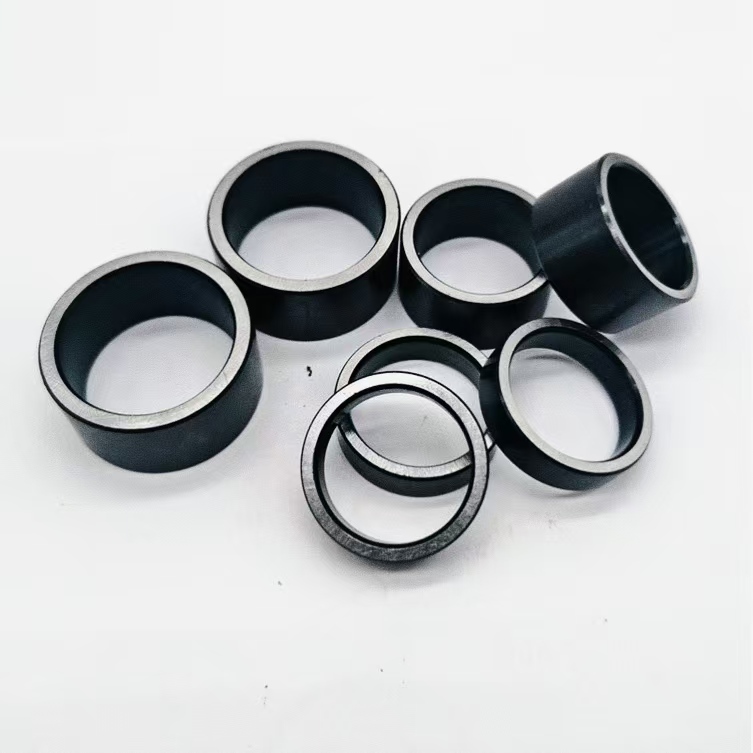
ארבעה שלבי מחזור — מה קורה, מה חייב האטם להחזיק, مواصفות HOVOO/HOUFU
הטקסט בתא הוא קצר; ראה הערת שוליים לנתוני איש קשר לאימות.
שלב |
מה קורה |
מה חייב האטם להחזיק |
مواصفות HOVOO/HOUFU |
העלאה (טעינה) |
שמן נכנס לתא התחתון; הפיסטון עולה; מכווץ את החנקן בראש האחורי ל-50–80 בר |
שכבת שמן בין הפיסטון וקיר הדופן של הצילינדר חייבת להיות בלתי מופרעת; חותמת מוט הפיסטון מונעת מעבר שמן לאזור הגז בחלק האחורי של הראש — אם היא נכשלת, השמן מתערבב עם החנקן, מה שמפריע לתפקוד קפיץ הגז |
חותמת מוט הפיסטון של HOUFU: תרכובת פוליאוריתן, ירידה בדחיסה קטנה מ-10% בטמפרטורה של 80° צלזיוס, שומרת על שכבת השמן ללא יציאה החוצה גם תחת מחזורים דינמיים של 200 בר |
החלפת שסתום (נקודת הירי) |
הפיסטון מגלה את פתח המפעיל בשיא המהלך; השסתום העיקרי מתחלף; השמן מועבר מחדש מהחדר התחתון למיכל; החדר העליון נפתח ללחץ גבוה |
חותמת מושב השסתום חייבת להחזיק לחץ של 150–220 בר באחד הצדדים ולחץ אטמוספרי בצד השני ברגע החלפת השסתום; כל דליפה דרך מושב השסתום מפחיתה את הלחץ האפקטיבי על חלקו העליון של הפיסטון לפני תחילת המהלך כלפי מטה |
חותמת מושב השסתום של HOVOO: תרכובת NBR-H, ירידה בדחיסה קטנה מ-12% בטמפרטורה של 100° צלזיוס, מיועדת ל-600–1,400 מחזורי החלפה לדקה ללא רפיון פרוגרסיבי |
מהלך כלפי מטה (המכה) |
חנקן מכווץ מתפשט; בשילוב עם לחץ השמן מחדר העליון דוחף את הפיסטון למהירות של 8–15 מטר לשנייה; פנים הפיסטון פוגעות בראש המברג |
חגורת החזית המבודדת שומרת על גרגרי אבק מחוץ לאזור תנועת הפיסטון; חגורת אבק משומשת או בעלת תרכيب לא מתאים מאפשרת היווצרות של בצק קורטני בין הפיסטון לקנה — כמה גרמים של אבק סיליקה בשמן משמידים את המראה החרוטית תוך שעות |
חגורת האבק הקדמית של HOUFU: שפה מוכסת PTFE, מדד ההתעכלות נמוך ב־40% לעומת NBR סטנדרטי בסביבה של אבק סיליקה בגודל 60 מסך; מומלצת לסביבות כרייה והריסה |
חזרה (מאגר) |
החזרה מההכאה שולחת גל לחץ בחזרה דרך מעגל השמן; המembrנה של המאגר מתעקלת וסופגת את גל הלחץ; השמן שנספג משתחרר במעלה הבאה |
המֶמְבְרָנָה חייבת להתעקל ולשחזר עצמה מיליוני פעמים ללא התפוררות עקב עייפות; גומי סטנדרטי מקשה מעל 85° צלזיוס, מאבד את מהירות השחזור שלו, ומאפשר לגז חנקן מצד הגז להימזג עם שמן הידראולי בפני המembrנה |
מפרידת אגירת HOVOO מסוג FKM: מדורגת ל-120°צ בהפעלה רציפה, שומרת על 95% מהאלסטיות לאחר 2 מיליון מחזורי כיפוף; מומלצת לשימוש במשימות של סוג קופסה ובמשימות כרייה רציפות |
למה העיקרון חשוב לתיקון — לא רק להבנה
הבנת עקרון הפעולה ברמת גבולות הלחץ — ולא רק בשלבים המכניים — משנה את הדרך שבה צוות התיקון מפרש תסמינים. מפרק עם ירידה הדרגתית ב-BPM במשך שלושה שבועות אינו 'יחידת נחיתה' הדורשת החלפה; ככל הנראה מדובר באיבוד שלמות בגבול החנקן, בין אם במגף מוט הפיסטון (שנוזל חודר לאזור הגז) או במפריד האקמולטור (שגז חודר למערכת הנוזל). שני התנאים ניתנים לזיהוי לפני כשל קטסטרופלי וניתן לתקנם על ידי החלפת מגפים. הצוות שפותר ירידה ב-BPM כבלאי כללי ימשיך להפעיל את היחידת עד לכישלון; לעומת זאת, הצוות שמבין את שרשרת הלחצים יבדוק ראשית את המגפים ויוחזר הביצוע המלא של המערכת בעלות של קיט.
מצב אטימת השסתום הוא המיקום שמתעלמים ממנו ביותר בתחזוקה rutinit, מכיוון שמשטחי הישיבה של השסתומים אינם נגישים מבחוץ ואינם יוצרים תסמינים נראים עד שהנפח הנדלף גדול מספיק כדי להפחית את הלחץ העובד האפקטיבי באופן מדיד. בשלב זה, משטח הישיבה כבר נגרר על ידי חומר האטימה שנדחף מעבר לו במהלך מחזורים חוזרים של לחץ גבוה. הגישה הנכונה לתחזוקה היא החלפת מונעת לאחר 800–1,200 שעות כחלק מהחלפת מלאה של הרכיבים הפנימיים — לפני пояור התסמינים. אטימות ישיבה לשסתומים של HOVOO, אשר מעוצבות לשחזור סיבתי של דחיסה בתדר פגיעה, מאפשרות להאריך את פרק הזמן הזה בהשוואה לתרכובות גומי כלליות שתחילתן להתרגל (לשתול) לאחר 400–500 שעות בטמפרטורת הפעולה.
מגבש האבק הקדמי הוא החתימה הזולה ביותר במערכת והחתימה שכנראה תוחלף בחלופה כללית בעת מילוי מלאי חלפים. באתר הרס עירוני עם בטון נקי, מגבש אבק כללי עלול לשרוד זמן סביר. באתר כרייה עם אבק סלע עשיר בסיליקה, ההבדל בין מגבש אבק עמיד לבלאי מצופה PTFE של HOUFU למגבש אבק סטנדרטי מ-NBR הוא ההבדל בין קנה צילינדר שנשאר נקי לבין קנה צילינדר שמפתח סוספנסיה מחזקת באיזור המגע עם השסתום תוך 200 שעות. התיקון הדרוש לקנה הצילינדר עולה יותר מאשר 50 החלפות של מגבשי האבק. בחירת החומר בחלק הזול ביותר במערכת קובעת את עלות התיקון בחלק היקר ביותר.


