

 EN
EN
 AR
AR CS
CS DA
DA NL
NL FI
FI FR
FR DE
DE EL
EL IT
IT JA
JA KO
KO NO
NO PL
PL PT
PT RO
RO RU
RU ES
ES SV
SV TL
TL IW
IW ID
ID LV
LV SR
SR SK
SK VI
VI HU
HU MT
MT TH
TH TR
TR FA
FA MS
MS GA
GA CY
CY IS
IS KA
KA UR
UR LA
LA TA
TA MY
MY
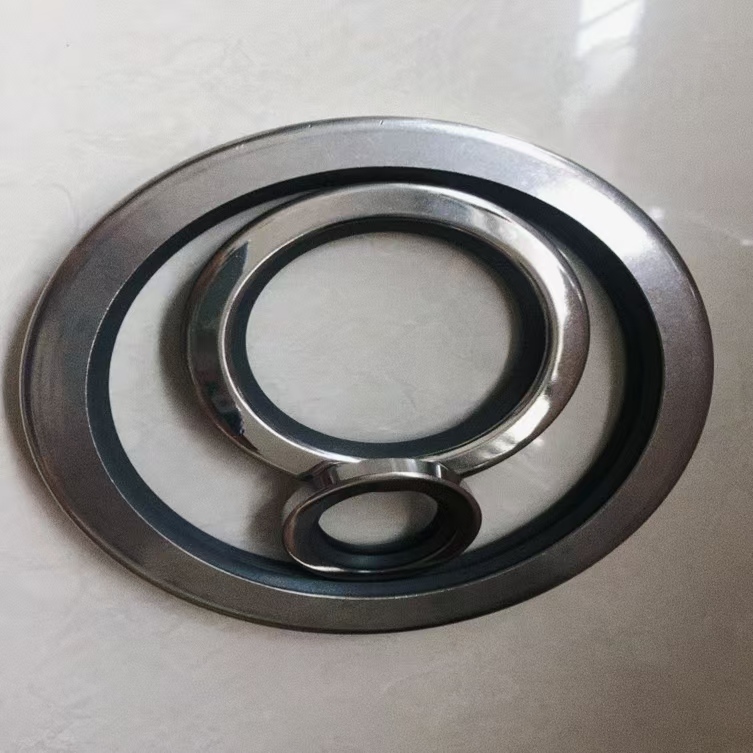
Ჰიდრავლიკური მოსახსნელის ტექნიკური პარამეტრები ჩაიწერა იმ მანქანისა და კლიმატური პირობების მიხედვით, რომლებზეც მას გამოცდის ბენჩზე შეამოწმეს. ნიგერიას ან ინდონეზიაში მდებარე უცხოური სამშენებლო პროექტი მოსახსნელს იმ პირობებში აყენებს, რომლებსაც საწარმოს გამოცდის ბენჩი არ უნახა საერთოდ. უცხოური გამოყენების შემთხვევაში სპეციფიკაციის ფურცლის სწორად წაკითხვა ნიშნავს იმ ციფრების გაგებას, რომლებიც ყველა პირობაში მუდმივი რჩება, და იმ ციფრების გაგებას, რომლებიც მყისიერად იცვლება მას შემდეგ, რაც გარემოს ტემპერატურა 45°C-ს აღწევს ან მანქანის ჰიდრავლიკური ფილტრი 500 საათის განმავლობაში არ არის შეცვლილი.
Წნევა და ნაკადი: წაიკითხეთ ნამდვილი მნიშვნელობები, არ არის რეკლამის ბროშურა
Ყოველი ჰიდრავლიკური მტყორანი ამოწმებს მუშაობის წნევის დიაპაზონსა და საჭიროებულ ზეთის გასვლას. ორივე ტესტირდება ქარხანაში ახალი მატარებლებზე კონტროლირებული პირობებში. საზღვარგარეთ გამოყენება ცვლის ორივე მაჩვენებელს. ძველი მატარებლები — რომლებიც გავრცელებულია სამხრეთ საჰარაულ აფრიკაში და სამხრეთ-აღმოსავლეთ აზიის ზოგიერთ ნაწილში, სადაც მეორადი ტექნიკა გავრცელებულია — შეიძლება მიაწოდოს 10–20 ბარით ნაკლები წნევა, ვიდრე მათ მითითებული აქვს სახელთავზე, მუდმივი ტვირთის ქვეშ მათ მაგის გამო ან რელიეფული ვალვის გადახვევის გამო. მტყორანი, რომელიც მითითებულია 160–200 ბარის წნევაზე მუშაობისთვის, შემცირებული შერყევის ენერგიით იმუშავებს, თუ მატარებელი მუდმივად მიაწოდებს 145 ბარს ტვირთის ქვეშ.
Ჰიდრავლიკური ნაკადის რიცხვი ტექნიკურ მახასიათებათა ფურცელში წარმოადგენს სარეზერვო გამომავალი ნაკადის ნომინალურ მნიშვნელობას, არა კი პრაქტიკულად მიღებულ ნაკადს 50 საათით გადავადებული ჰიდრავლიკური ფილტრის პირობებში. უცხოეთში მდებარე სამშენებლო მოედნებზე დამხსნელის არასაკმარისი მუშაობის ერთ-ერთი ყველაზე გავრცელებული მიზეზია დაბინძურებული ჰიდრავლიკური ფილტრი, რომელიც სარეზერვო წრედის ნაკადს 20–30 ლ/წთ-ით ამცირებს ნომინალური გამომავალი ნაკადის მიმართ. დამხსნელი ჩანს როგორც პრობლემის მიზეზი, მაგრამ პრობლემა ფილტრშია. დიაგნოსტიკური ნაბიჯი, რომელიც აჩენს ნაკადის ფაქტობრივ მნიშვნელობას, არის ნაკადის საზომი მოწყობილობის გამოყენება — არ არის ტექნიკური მახასიათებათა ფურცლის შედარება.
Კლიმატური რეიტინგები და სერტიფიკაციის ვერიფიკაცია
Სითბოს მოწინააღმდეგობის რეიტინგი სილიკონის სახურავებისთვის არის ერთ-ერთი პარამეტრი, რომელიც სტანდარტულ ტექნიკურ დახასიათებაში უბრალოდ არ არის მითითებული. სტანდარტული სპეციფიკაცია ითვალისწინებს NBR სახურავებს 80°C საშუალო ტემპერატურის პირობებში. 40°C-ზე მაღალი საშუალო ტემპერატურის მქონე საერთაშორისო ბაზრებისთვის — მესოპოტამია, დასავლეთ აფრიკა, სამხრეთ-აღმოსავლეთ აზია მშრალი სეზონის პერიოდში — NBR სახურავები სწრაფვას იჩენენ. ამ სახურავების გამოყენების ვადა არ ამოიწურება მყისიერად; ის ტემპერატურის ნორმალურ პირობებში 800 საათის განმავლობაში მუშაობს, ხოლო განსაკუთრებულად ცხელ პირობებში — 300–400 საათის განმავლობაში. სახურავის ვიზუალური დაზიანების მომენტში ძირეული მიზეზი უკვე უხილავია. FKM (Viton) სახურავები, რომლებიც 200°C-მდე არის სითბოს მოწინააღმდეგობის მიხედვით სერტიფიცირებული, სწორი საერთაშორისო სპეციფიკაციაა. მოუთხოვეთ ეს სპეციფიკაცია მკაფიოდან.
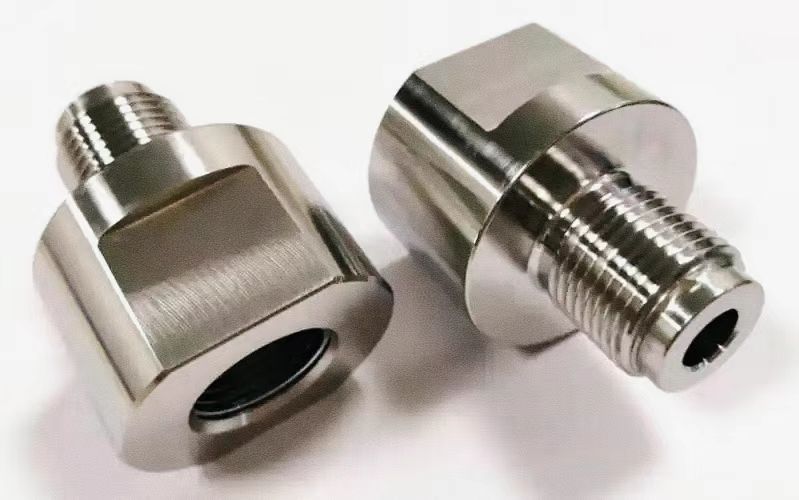
სერტიფიკატი CE მოიცავს პროდუქტის მოდელს, არ მოიცავს წარმოებლის მთლიან ასორტიმენტს. წარმოებელი, რომელსაც აქვს სერტიფიკატი CE, შეიძლება მიიღოს იგი კონკრეტული მოდელის კოდებისთვის, მაგრამ არ აუცილებლად ყველა ვარიანტისთვის, რომელსაც ის ექსპორტავს. საბოლოო შეთავაზების მოწოდების შეთანხმების დადებამდე CE-ს მოთხოვნილ ბაზარში, დარწმუნდით, რომ შესაბამისობის დეკლარაცია მიუთითებს ზუსტად იმ მოდელის კოდს, რომელიც გადაიტანება. HOVOO და HOUFU მიაწოდებენ ჩაკეტის კიტები CE-ს შესაბამის კომპონენტების დოკუმენტაციას BEILITE-სა და მთავარი პლატფორმის კონფიგურაციებისთვის. დეტალები ამ ბმულზე: https://www.hovooseal.com/
Ძირითადი პარამეტრები: საზღვარგარე ვერიფიკაციის შემოწმების სია
Ტექნიკური პარამეტრი |
Რა უნდა შეამოწმოს საზღვარგარე მყიდველებმა |
Რატომ განსხვავდება ეს სამშენებლო სპეციფიკაციებისგან |
Სამუშაო წნევა (ბარ) |
Გადამზიდი დამხმარე წრედის წნევა ფაქტიური ტვირთის დროს საწყისი სპეციფიკაციების შედარებით |
Ძველი საზღვარგარე გადამზიდები ხშირად აძლევენ 10–20 ბარით ნაკლებ წნევას სახელწოდების მიხედვით ტვირთის დროს |
Ოილის გარდაქმნა (l/min) |
Ფაქტიური დამხმარე ნაკადი იზომება ნაკადის მერხით, არ არის მოცემული ბროშურაში |
Ნაკადი კლებულობს, როდესაც გადამზიდის ჰიდრავლიკური ფილტრი შეზღუდულია; ჯერ შეამოწმეთ ფილტრი |
Გარემოს ტემპერატურის რეიტინგი |
სილიკონის ნაერთი უნდა შეესაბამებოდეს სამუშაო გარემოს (FKM — 40°C-ს) |
Სტანდარტული NBR 40°C-ზე მაღალ გარემოში უფრო სწრაფად იკლებს — ვიზუალურად არ ჩანს გამოყენების შეწყვეტამდე |
CE / SASO სერთიფიკაცია |
Საჭიროებს EU, UK და GCC სავაჭრო მომარაგების შეთავაზებებისთვის; დაადასტურეთ მიმდინარე სტატუსი |
Სერთიფიკაციის სფერო შეიძლება გამორიცხავდეს კონკრეტულ მოდელებს; შეამოწმეთ მოდელის დოკუმენტი შესაბამისობის შესახებ (DoC) |
Სათადარიგო ნაწილების ხელმისაწვდომობა |
Სასრულების კომპლექტებისა და ჩისელების მიწოდების ვადა ქვეყნის შიგნით |
Შორეული საგარეო სამუშაო ადგილები 6 კვირას არ შეძლებენ მოელოდონ; წინასწარ განათავსეთ 1–2 სასრულების კომპლექტი ერთეულზე |
ჰიდრავლიკური დამხსნელის საზღვარგარე ტექნიკური პარამეტრები | სამუშაო წნევა და ნაკადი საზღვარგარე პირობებში | სასრულების კომპაუნდი საზღვარგარე კლიმატში | CE და SASO სერთიფიკაციის მოდელის ვერიფიკაცია | HOVOO | HOUFU | hovooseal.com


