33-99No. Mufu E Rd. Gulou District, Nanjing, China [email protected] | [email protected]
33-99No. Mufu E Rd. Gulou District, Nanjing, China [email protected] | [email protected]

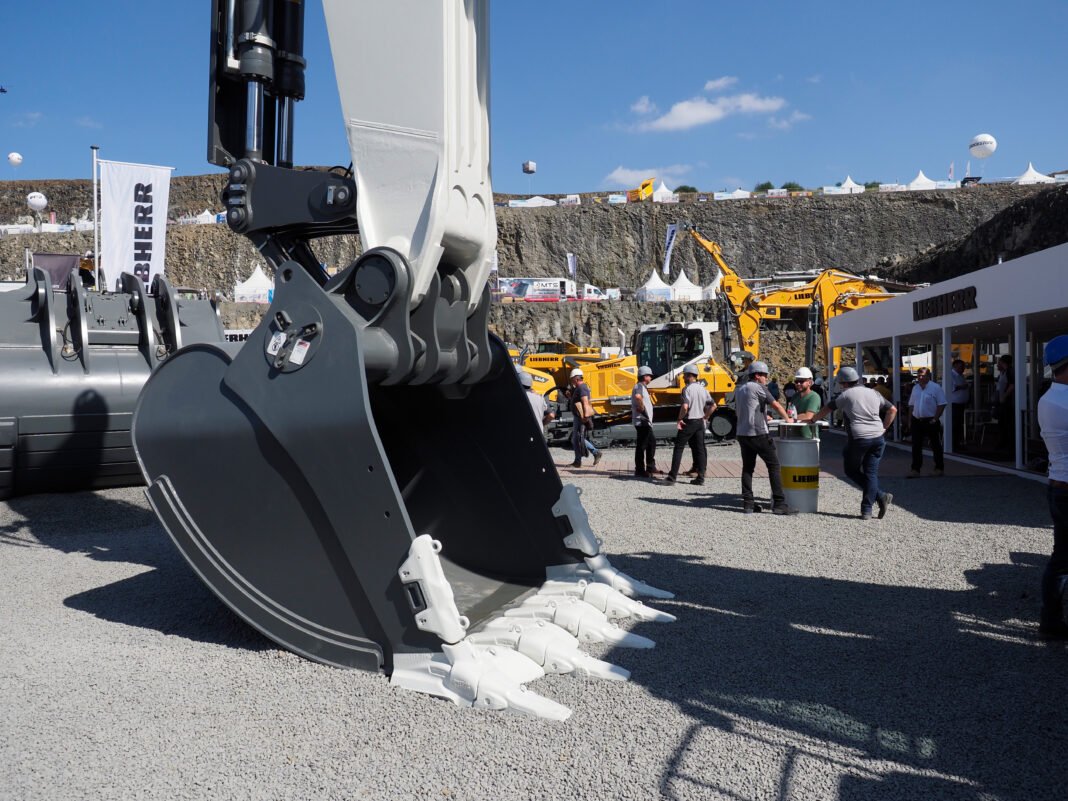
2023년, 중부 독일의 한 현무암 채석장에는 6만 1,700명의 관 Besucher가 방문했다. 이들은 헤세 주의 언덕 지대에 펼쳐진 자작나무 숲과 농경지를 지나 차량을 몰아들어, 들판에 주차한 후 셔틀 버스를 타고 실제 가동 중인 산업 현장으로 들어갔다. 이곳에서는 305개 기업이 실제 암반 위에서 자사 장비를 시연했다. 이번 참관객 수는 이전 회차 대비 15% 증가한 수치였으며, 대규모 무역박람회가 일반적으로 발판으로 삼는 도심 입지, 인근 호텔 단지, 대중교통 연계 등 전통적인 유입 수단 없이 달성된 성과였다. 사람들은 바로 그 채석장 자체가 목적지이기 때문에 찾아온 것이다.
슈타인엑스포 2026는 헤센주 호른베르크에 위치한 미텔데우치ェ 하르트슈타인-인두스트리 AG사가 운영하는 니더-오플라이다 베이잘트 채석장에서 9월 2일부터 5일까지 개최된다. 올해로 12회째를 맞는 이번 행사는 원자재 및 건축 자재 산업 분야에서 유럽 최대 규모의 실시간 시연 행사이다. 이 행사는 작동 중인 채석장 내에서 기계를 직접 가동하여 시연하는 방식으로 구성되며, 정적 전시나 시뮬레이션 환경이 아닌, 실제 베이잘트 채석대 및 운반 도로에서의 파쇄, 선별, 굴착, 적재 작업을 그대로 보여준다.
니더-오플라이덴(Nieder-Ofleiden) 현장은 유럽에서 가장 큰 현무암 채석장이다. 이 맥락은 중요하다. 현무암은 상업적으로 채굴되는 암석 중 가장 단단한 종류 중 하나로, 압축 강도가 일반적으로 250 MPa를 넘는 밀도 높고 입자 세밀한 화산성 암석이다. 현무암을 과도한 마모 없이 가공할 수 있는 장비라면, 채석 또는 광산 작업에서 발생할 수 있는 거의 모든 다른 자재도 처리할 수 있다. 현무암을 대상으로 한 파쇄, 파쇄(분쇄), 시추 시스템의 시연은 유럽 시장이 암석 가공 기계에 대해 정기적으로 실시하는 가장 엄격한 테스트이며, 슈타인엑스포(steinexpo)의 개최 장소는 이러한 테스트를 매 회차의 핵심적 특징으로 삼는다.
185,000제곱미터 규모의 전시장은 이 박람회를 위해 특별히 개발된 장소이다. 내부 셔틀 버스가 방문객을 시연 구역 간에 수송한다. 승객용 엘리베이터—그중 일부는 높이가 약 30미터에 달함—는 다양한 채석장 레벨을 연결하여, 방문객이 주된 파쇄 레벨에서 선별 및 적재 구역으로 효율적으로 이동하면서도 운영 현장의 파노라마 조망을 제공한다. 가동 중인 채석장 내에서 무역박람회를 개최하는 데 필요한 물류 및 운영 계획 수준은 일반 전시관에서는 결코 겪지 못하는 것이다. 그 결과, 이 박람회는 인위적으로 연출된 느낌이 아니라 진정으로 몰입감 있는 체험을 선사한다.
제품 범위는 채석 및 광물 가공 전반의 가치 사슬을 포괄합니다. 1차 파쇄기 — 자이어, 임팩트, 자이로스코픽 — 는 최근 폭파된 현무암 암면에서 작동합니다. 2차 및 3차 콘 파쇄기와 수직축 임팩터(VSI)는 파쇄물을 지정된 골재 입도 분급으로 처리합니다. 이동식 및 고정식 선별장은 여러 입도 분급을 동시에 분류합니다. 드릴 리그는 완전한 암반면에서 작동하며, 실제 지층 조건 하에서 회전식, 상부 해머식, 구멍 내(Down-the-Hole) 드릴링 방식을 시연합니다. 바퀴식 및 궤도식 적재 장비 — 페이스 슈벨, 휠 로더, 관절식 운반 트럭 — 은 시범 기간 동안 실시간 소재 흐름 위에서 작동합니다.
해머 및 파쇄, 분류, 분쇄, 파쇄용 액추에이터를 장착한 유압 굴삭기가 2차 파쇄 및 자재 취급을 위한 지정 구역에서 작동한다. 현무암을 대상으로 한 해머 시연은 전시회에서 가장 주목받는 이벤트 중 하나이다. 경질 암반의 2차 파쇄는 매우 까다로운 작업 분야로, 해머 선택, 굴삭기와의 매칭, 그리고 작동 기술 등 모든 요소가 공구 수명에 상당한 영향을 미친다. 슈타인엑스포 전시회 시연을 관람하는 구매자들은 이러한 세 가지 요소를 모두 평가할 수 있는 충분한 전문성을 갖추고 있다.
카테고리 |
상세 정보 |
행사 이름 |
슈타인엑스포 2026 (12회째) |
일정 |
2026년 9월 2일~5일 |
장소 |
Basalt-Steinbruch Nieder-Ofleiden, 홈베르크(옴), 헤센, 독일 |
규모(2023년 판) |
305개 참가업체(국제업체 25%); 61,700명의 방문객; 185,000m² 규모의 전시장 |
독일은 유럽에서 가장 큰 집계재 소비 경제국 중 하나입니다. 도로 건설, 건물 기초 공사, 콘크리트 생산, 철도 복선 자갈층(볼라스트) 조성 등이 함께 이루어지면서 채석된 석재, 모래 및 자갈에 대한 지속적인 수요를 창출합니다. 독일의 채석 산업은 기술적으로 고도화되어 있으며, 엄격한 환경 및 산업 안전 규제 하에서 운영되며, 장비 가동률이 매우 높습니다. 독일의 채석 업체들은 엄격한 구매 기준을 갖춘 고객으로서, 제품을 단순한 초기 사양이 아닌 총 소유 비용(TCO)—즉, 구매 가격, 마모 부품 소비량, 정비 주기, 재판매 가치—를 기준으로 평가합니다.
국제 기업들은 스타인엑스포(steinexpo)를 독일 시장 진출을 위한 관문으로 활용하는데, 이는 참관객이 실무 중심적으로 구성되어 있기 때문이다. 니더-오플라이다(Nieder-Ofleiden)의 현무암 벤치에서 독일 채석장 관리자들 앞에서 눈에 띄게 우수한 성능을 발휘하는 제품은 영업 방문이나 인쇄된 자료지로는 재현할 수 없는 신뢰도를 확보한다. 지리적 집중도 — 대부분의 독일 채석 및 골재 가공 기업들이 하움베르크(Homberg)까지 반나절 운전 거리 내에 위치해 있다 — 덕분에 국내 시장의 상당 부분이 4일간의 전시 기간 동안 현장을 방문하게 된다.
스테인엑스포(steinexpo)보다 더 기술적으로 까다로운 경암층 작업 환경을 대상으로 유압식 암쇄기를 전면에 내세우는 다른 유럽 박람회는 없습니다. 중부 독일의 골재 대부분을 공급하는 현무암 채석장 운영은 2차 거대 암괴 파쇄, 폭파 후 작업면 정리, 및 파쇄기 투입물 중 초과 크기 암석 파쇄 등 다양한 용도로 상당한 규모의 유압 파쇄 장비를 소비합니다. 스테인엑스포에서 유압 파쇄기를 평가하는 구매자들은, 이 장비가 상업적 채석 조건의 극한 상태에서 도구 수명, 타격 주기, 그리고 운반장비와의 호환성을 시험할 수 있는 재료 환경을 전제로 검토하고 있습니다. 이러한 맥락에서 입증된 성능은 어떤 마케팅 프로그램보다도 빠르게 독일 채석 시장 전반에 확산됩니다.

Welcome to HOVOO, a Chinese seal factory. Production of PU, Rubber and PTFE seals. The seals include O-ring, piston seal, rod seal, Gray ring and gas seal.


 EN
EN
 AR
AR CS
CS DA
DA NL
NL FI
FI FR
FR DE
DE EL
EL IT
IT JA
JA KO
KO NO
NO PL
PL PT
PT RO
RO RU
RU ES
ES SV
SV TL
TL IW
IW ID
ID LV
LV SR
SR SK
SK VI
VI HU
HU MT
MT TH
TH TR
TR FA
FA MS
MS GA
GA CY
CY IS
IS KA
KA UR
UR LA
LA TA
TA MY
MY
