33-99No. Mufu E Rd. Gulou District, Nanjing, China [email protected] | [email protected]
33-99No. Mufu E Rd. Gulou District, Nanjing, China [email protected] | [email protected]

အိန္ဒိယသည် မိကာ (mica) ၏ ကမ္ဘာ့အကြီးဆုံးထုတ်လုပ်ရှင်ဖြစ်ပြီး ကရိုမိုမိုက် (chromite) ၏ ဒုတိယအကြီးဆုံးထုတ်လုပ်ရှင်ဖြစ်သည်။ ထို့အပြင် ကျောက်မှုန် (coal)၊ သံမှုန် (iron ore)၊ ဘော်က်စိုက် (bauxite) နှင့် မင်ဂနီးစ် (manganese) တို့၏ အထွက်နှုန်းအများဆုံးနေရာ ၅ ခုအတွင်း ပါဝင်သည်။ အိန္ဒိယတွင် လုပ်ဆောင်နေသော မိုင်းမှုန်စက်ရုံပေါင်း ၁၄၀၀ ကျော်ရှိပါသည်။ ထို့အပြင် အိန္ဒိယသည် မိမိ၏ စက်မှုထုတ်လုပ်မှုနှင့် အခြေခံအဆောက်အအိမ်ဖွံ့ဖြိုးရေးအတွက် လိုအပ်သော သတ္တုတွင်းထုတ်ကုန်များကို ပေးစေရန် အခြားနိုင်ငံများထက် ပိုမြန်သောနှုန်းဖြင့် သတ္တုတွင်းထုတ်လုပ်မှုစွမ်းအားကို တိုးချဲ့လျက်ရှိပါသည်။ သို့သော် နိုင်ငံတက်အဆင်းသော သတ္တုတွင်းစက်ပစ္စည်းပေးသောမှုန်များအတွက်မူ အိန္ဒိယသည် အခြားသော ဈေးကွက်များထက် အောက်ခြေနေရာတွင်သာ ရှိနေပါသည်။ ထို့ကြောင့် အိန္ဒိယကို သတိထားပြီး သေချာစွာ စဥ်ဆက်မပါ စဥ်ဆက်မပါ အကဲဖြတ်ကြပြီး များသောအားဖြင့် ဖြန့်ဖြူးရောင်းချသူများမှတဆင့် ချဉ်းကပ်ကြပြီး ပြပွဲများတွင် အိန္ဒိယကို ဦးစားပေးနေရာအဖြစ် မှန်ကန်စွာ မှတ်ယူကြပါသည်။
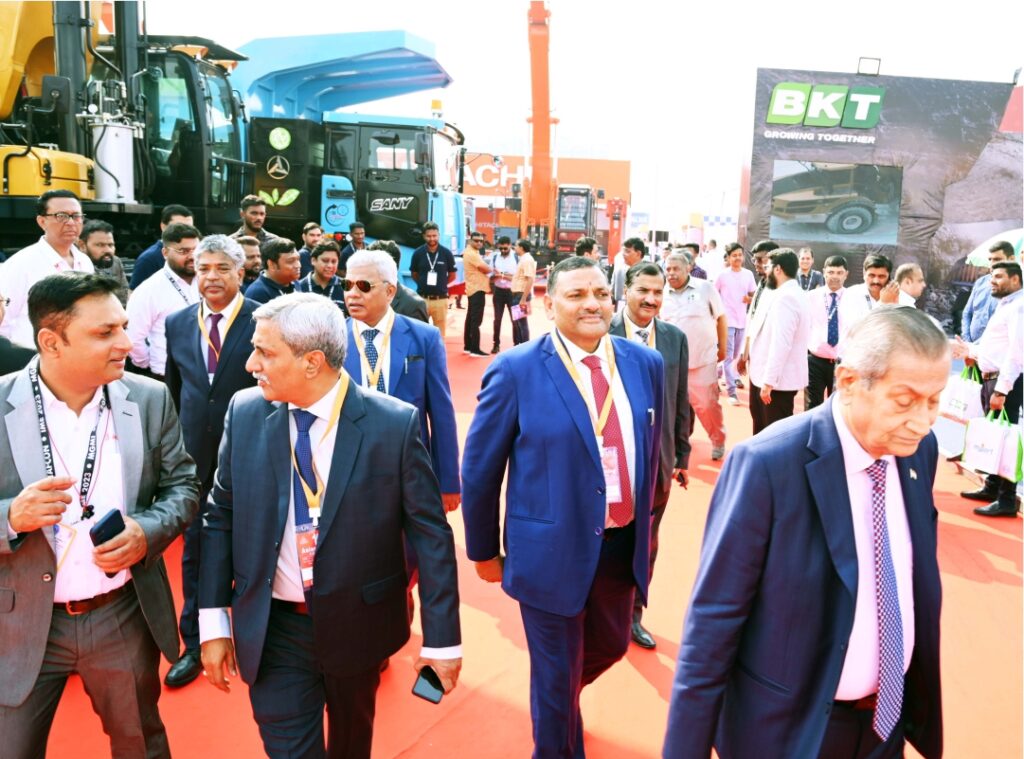
IME — အပြည်ပြည်ဆိုင်ရာ သတ္ထုတွေ့ရှိရေးနှင့် သတ္ထုမှုလုပ်ငန်းပြပွဲ — သည် အမျှင်အတိုင်း ပြောင်းလဲစဉ်းစားရန် အကြံပေးသည့် ပြပွဲဖြစ်သည်။ နှစ်နှစ်တစ်ကြိမ် အက်စ်နှစ်များတွင် ကျင်းပပါသည်။ ၁၂ ကြိမ်မြောက် ပြပွဲကို ၂၀၂၇ ခုနှစ်တွင် စီစဥ်ထားပါသည်။ ဤပြပွဲသည် အာရှသတ္ထုတွေ့ရှိရေးကွန်ဂရက်နှင့် တစ်ပါတည်း ကျင်းပပါသည်။ ထိုကွန်ဂရက်သည် နိုင်ငံအများအပြား (၂၅ နိုင်ငံအထက်) မှ ကိုယ်စားလှယ်များကို ဖိတ်ကော်ပါသည်။ ထို့အပ alongside အပြည်ပြည်ဆိုင်ရာ နည်းပညာဆိုင်ရာ အစီအစဥ်များကို ပေးအပ်ခြင်းဖြင့် IME ကို အမျှင်အတိုင်း ဒေသတွင်းသာမက နိုင်ငံတကာအဆင့်သို့ မြှင်မြှင်တင်ပေးပါသည်။ ဤပြပွဲကို အိန္ဒိယနိုင်ငံ၏ သတ္ထုတွေ့ရှိရေးစက်မှုကုန်ပစ္စည်းများ ထုတ်လုပ်ရေးလုပ်ငန်းများအသိုင်းအဝိုင်း၏ အုပ်ချုပ်မှုအောက်တွင် ကျင်းပပါသည်။ ထို့အပ alongside ကျောက်မီးသွေးဝန်ကြီးရုံးနှင့် သတ္ထုဝန်ကြီးရုံးများ၏ အထောက်အပံ့ဖြင့် ကုန်သွယ်ရေးပြပွဲတစ်ခုအတွက် ထူးခြားသော အစိုးရပါဝင်မှုအဆင့်ကို ရရှိပါသည်။
အိန္ဒိယနိုင်ငံသည် နှစ်စဉ်ကုန်းမြေပေါ်တွင် ကုန်းမြေပေါ်တွင် ကုန်းမြေပေါ်တွင် ကုန်းမြေပေါ်တွင် ကုန်းမြေပေါ်တွင် ကုန်းမြေပေါ်တွင် ကုန်းမြေပေါ်တွင် ကုန်းမြေပေါ်တွင် ကုန်းမြေပေါ်တွင် ကုန်းမြေပေါ်တွင် ကုန်းမြေပေါ်တွင် ကုန်းမြေပေါ်တွင် ကုန်းမြေပေါ်တွင် ကုန်းမြေပေါ်တွင် ကုန်းမြေပေါ်တွင် ကုန်းမြေပေါ်တွင် ကုန်းမြေပေါ်တွင် ကုန်းမြေပေါ်တွင် ကုန်းမြေပေါ်တွင် ကုန်းမြေပေါ်တွင......
သံမဏိအုပ်စုထုတ်လုပ်မှုသည် အိုဒီရှားနှင့် ကာနာတာကာတို့တွင် ဗဟိုပြုပြီး နိုင်ငံတစ်ဝှမ်းလုံးရှိ အခြေခံအဆောက်အအုံဖွံ့ဖြိုးရေးအစီအစဉ်များကို ပေးစွမ်းနေသည့် သံမဏိလုပ်ငန်းကို အထောက်အပံ့ပေးသည်။ ဆီမင့်ထုတ်လုပ်ရန် လိုအပ်သည့် ကုန်းကြမ်းကျောက်များ၊ အလူမီနီယမ်အတွက် ဘော်က်စိုက်နှင့် ရာဇသ్థాన်ပြည်နယ်ရှိ ဟိန်ဒူစ္တန် ဇင့်စ် လုပ်ငန်းများမှ ကြေးနီနှင့် သံပုလွန်များသည် မိုင်းစက်ပစ္စည်းများအတွက် ဝယ်လုံးများကို ထပ်မံဖြည့်စွက်ပေးသည်။ ဤအားလုံးတွင် အဖော်ထုတ်ထားသည့် အချက်များမှာ အိန္ဒိယနိုင်ငံရှိ မိုင်းလုပ်သမားများသည် မိမိတို့၏ လုပ်ငန်းနေရာများတွင် ထုတ်ကုန်များ၏ စွမ်းဆောင်ရည်ကို အထောက်အထားပေးနိုင်သည့် အသိပညာရှိသည့် ဝယ်သမားများဖြစ်ကြပါသည်။ ထိုလုပ်ငန်းနေရာများသည် မှုန်များပါသည့်၊ အပူချိန်များမြင့်မားသည့် နှင့် အများအားဖြင့် ဝေးကွာသည့် နေရာများဖြစ်ပြီး အိန္ဒိယနိုင်ငံရှိ မိုင်းဖွင့်လုပ်ငန်းများနှင့် မိုင်းအောက်လုပ်ငန်းများကို သတ်မှတ်ပေးသည်။
ပြပွဲသည် မိုင်းထုတ်လုပ်ရေးတန်းစားအားလုံးကို ဖုံးလွှမ်းပါသည်။ မိုင်းမျက်နှာပြင်နှင့် မိုင်းအောက်ခြေတွင် သုံးသော သုံးစွဲမှုနှင့် ပေါက်ကွဲမှုပိုင်းဆိုင်ရာ စက်ကူးပါမော်ဒယ်များ၊ ပို့ဆောင်ရေးနှင့် သယ်ဆောင်ရေးစက်များ၊ သတ္တုစင်ကြူးပါမော်ဒယ်များ၊ သယ်ဆောင်ရေးစနစ်များ၊ မိုင်းအတွင်းမှ ရေထုတ်ခြင်းစနစ်များ၊ လျှပ်စစ်နှင့် စီမံခန့်ခွဲမှုစနစ်များ၊ ဘေးကင်းရေးစက်ကူးပါမော်ဒယ်များနှင့် သတင်းအချက်အလက်နည်းပညာများ ဖုံးလွှမ်းပါသည်။ အထူးပိုင်းခြားထားသော အပိုင်းတွင် မိုင်းဖွံ့ဖြိုးရေးအတွက် အသုံးပြုသည့် တည်ဆောက်ရေးနှင့် အခြေခံအဆောက်အအိမ်ဆိုင်ရာ စက်ကူးပါမော်ဒယ်များကို ဖုံးလွှမ်းပါသည်။ ဥပမါ- သယ်ဆောင်ရေးလမ်းများ တည်ဆောက်ခြင်း၊ မိုင်းဝင်ပေါက်များ ပြင်ဆင်ခြင်းနှင့် မိုင်းထုတ်လုပ်ရေးလုပ်ငန်းများ စတင်မှုမှ အတွေ့အကြုံရှိသည့် အချိန်အထိ လုပ်ဆောင်ရေးနှင့် အတွေ့အကြုံရှိသည့် လုပ်ငန်းများ ပါဝင်ပါသည်။
အေးရှားမိုင်န်းကွန်ဂရက်စ် အစီအစဉ်သည် ပြပွဲနှင့် တစ်ပါတည်း ကျင်းပပါသည်။ ထိုအစီအစဉ်တွင် သုတေသန လုပ်ငန်းများ၊ ရေရှည်တည်တံ့သော မိုင်န်းလုပ်ငန်းများ၊ အလိုအလျောက်စနစ်များ၊ မိုင်န်းလုပ်ငန်းများတွင် ဘေးကင်းရေးနှင့် သတ္တုစီးပွားရေး စသည့် နည်းပညာဆိုင်ရာ အစီအစဉ်များကို စီစဥ်ပေးပါသည်။ ပြပွဲအခန်းနှင့် ကွန်ဂရက်စ် နှစ်များပေါင်းစပ်မှုဖြင့် နေ့နှစ်ရက် သို့မဟုတ် သုံးရက်ကြာသော အဖွဲ့အစည်းများ ဖန်တီးပေးပါသည်။ ထိုသို့သော အဖွဲ့အစည်းများသည် ပါဝင်သူများ၏ ကုန်ပစ္စည်းဝယ်ယူရေး စီမံကိန်းများနှင့် နည်းပညာဆိုင်ရာ အသိပညာ စီမံကိန်းများ နှစ်များကို တစ်ပါတည်း ဖောက်ထုတ်ပေးပါသည်။ ထို့ကြောင့် ပါဝင်သူများအနက် အင်ဂျင်နီယာများနှင့် နည်းပညာဆိုင်ရာ စီမံခန့်ခွဲမှုအဖွဲ့များ ပိုမိုများပါသည်။ သို့သော် စီးပွားရေးဆိုင်ရာ ပြပွဲများတွင် ပုံမှန်အားဖွဲ့ ပါဝင်သူများထက် ပိုများပါသည်။
အမျိုးအစား |
အသေးစိတ် |
ပြပွဲအမည် |
IME 2027 — အန်တာနေရှင်နယ် မိုင်န်းနှင့် သတ္တုပြပွဲ (၁၂ ကြိမ်မြောက်) |
အကြိမ်နှုန်း |
နှစ်နှစ်တစ်ကြိမ် ကျင်းပပါသည်။ အေးရှားနှစ်များတွင် ကျင်းပပါသည်။ |
တစ်ပါတည်း ကျင်းပသော အဖွဲ့အစည်း |
အေးရှားမိုင်န်းကွန်ဂရက်စ် ၁၁ ကြိမ်မြောက် — နိုင်ငံ ၂၅ နိုင်ငံမှ ပါဝင်သူများ |
ဦးတည်ချက် |
မိုင်န်းစက်မှုပစ္စည်းများ၊ သတ္တုစက်မှုပစ္စည်းများ၊ သုတေသန စက်မှုပစ္စည်းများ၊ မိုင်န်းအောက်ခြေနှင့် မိုင်န်းမျက်နှာပြင် စက်မှုပစ္စည်းများ |
IME သည် အစဉ်အလာအားဖြင့် ဩစတြေးလျ၊ တရုတ်၊ ချက်သမ္မတနိုင်ငံ၊ ဂျာမနီ၊ အီရန်၊ ပိုလန်၊ ရုရှား၊ ယူကေနှင့် အမေရိကန်ပြည်ထောင်စုမှ နိုင်ငံအဆင့် ကိုယ်စားလှယ်အဖွဲ့များကို ဆွဲဆောင်ခဲ့သည်။ ဤဒေသဆိုင်ရာ ကွဲပြားမှုများသည် အိန္ဒိယနိုင်ငံ၏ မိုင်းထုတ်လုပ်ရေးစက်ပစ္စည်းများ ပေးသွင်းရေး စီးပွားရေးလုပ်ငန်းကွဲ (supply chain) ၏ နိုင်ငံတကာအရေးပါမှုကို ထင်ဟပ်ပေးသည်။ အိန္ဒိယသည် ဩစတြေးလျမှ မိုင်းထုတ်လုပ်ရေးနည်းပညာကုမ္ပဏီများ၊ ဂျာမနီမှ တိက်မှုန်းမှုမှုန်းမှု စက်ကိရိယာများ ထုတ်လုပ်သည့်ကုမ္ပဏီများနှင့် တရုတ်မှ စက်ပစ္စည်းပေးသွင်းသည့်ကုမ္ပဏီများအတွက် ပြပွဲတွင် တိုက်ရိုက်ကိုယ်စားပြုရန် တန်ဖိုးရှိသည့် ဈေးကွက်ဖြစ်သည်။ ပြပွဲအတောအတွင် ကျင်းပသည့် 'ဝယ်သူ-ရောင်းသူ တွေ့ဆုံခွင့်' ပုံစံသည် အိန္ဒိယနိုင်ငံ၏ မိုင်းလုပ်သမားများနှင့် နိုင်ငံတကာ ပေးသွင်းသူများအကြား စီးပွားရေးအရ ပိုမိုထိရောက်သည့် ဖွဲ့စည်းထားသည့် တွေ့ဆုံမှုများကို ဖန်တီးပေးပါသည်။ ထိုသို့သော တွေ့ဆုံမှုများသည် ပြပွဲအတွင်း အများပြောသည့် အများပြောသည့် အများပြောသည့် အများပြောသည့် အများပြောသည့် အများပြောသည့် အများပြောသည့် အများပြောသည့် အများပြောသည့် အများပြောသည့် အများပြောသည့် အများပြောသည့် အများပြောသည့် အများပြောသည့် အများပြောသည့် အများပြောသည့် အများပြောသည့် အများပြောသည့် အများပြောသည့် အများပြောသည့် အများပြောသည့် အများပြောသည့် အများပြောသည့် အမျ......
အိန္ဒိယနိုင်ငံတွင် ဟာ့ဒ်-ရောက် မိုင်းထုတ်လုပ်ရေးလုပ်ငန်းများသည် မိုင်းတွင်းနေရာများတွင် ဖွံ့ဖြိုးရေးအတွက် ခြောက်သွေ့သော အမိုးအကာများ၊ ဒုတိယအဆင့် အကွဲအပေါက်ဖောက်ထုတ်မှုများနှင့် တည်ဆောက်ရေးနေရာများ ပြင်ဆင်ရေးအတွက် ဟိုက်ဒရောလစ် အကွဲအပေါက်ဖောက်ထုတ်ရေးပိုမ်းများအတွက် စိတ်ချရသော ဝယ်လိုအားကို ဖော်ပေးပါသည်။ အိန္ဒိယနိုင်ငံတွင် မိုင်းထုတ်လုပ်ရေးလုပ်ငန်းများ၏ အထူးအခြေအနေများ— ဒက်ကန် ဘေစောလ့် (Deccan basalt) အများအားဖြင့် မိုင်းထုတ်လုပ်ရေးလုပ်ငန်းများတွင် အသုံးပြုသည့် မိုင်းထုတ်လုပ်ရေးအတွက် အထူးခြောက်သွေ့သော ကျောက်များ၊ ပင်နင်ဆူလာ ရှိုက်ဒ် (peninsular shield) တွင် တွေ့ရသည့် ပရီကမ်ဘရီယန် မက်တာမော်ဖစ် ကျောက်များ၊ ကျောက်မှုန်နှင့် ရေကျောက်များ (sandstone and shale) တွင် ကျောက်မှုန်များ ပါဝင်သည့် ဂွန်ဒွန်နာ ဖော်မေးရှင်း (Gondwana formations) — သည် လုပ်ငန်းဆောင်တာများကို စိတ်ခေါ်မှုများဖော်ပေးပါသည်။ ထိုစိတ်ခေါ်မှုများသည် နည်းပညာအရ သာလွန်သော အကွဲအပေါက်ဖောက်ထုတ်ရေးပိုမ်းများကို ရှာဖွေရေးအတွက် အသုံးပြုသည့် အခြေအနေများဖော်ပေးပါသည်။ ကျောက်မှုန်ကုမ္ပဏီ အိန္ဒိယ (Coal India) ၏ အရှုပ်အထွေးများ၊ လွတ်လပ်ရေးအပြီး ပိုမိုကြီးမားလာသည့် ပုဂ္ဂလိက မိုင်းထုတ်လုပ်ရေးလုပ်ငန်းများနှင့် တည်ဆောက်ရေးလုပ်ငန်းများအတွက် ကျောက်မှုန်များ ဖော်ပေးရေးအတွက် ကျောက်မှုန်ထုတ်လုပ်ရေးလုပ်ငန်းများ ပိုမိုကြီးမားလာခြင်းတို့သည် IME မှတဆင်း ဝယ်သူအုပ်စုများကို ခွဲခြားသတ်မှတ်နိုင်သည့် အထူးအခြေအနေများဖော်ပေးပါသည်။ တရုတ်နှင့် အရှော့အရပ်အာရှနိုင်ငံများကို ကျော်လွန်၍ အာရှတွင် ဖွံ့ဖြိုးမှုရှိသည့် ဈေးကွက်များကို ရှာဖွေနေသည့် ထုတ်လုပ်သူများအတွက် အိန္ဒိယနိုင်ငံ၏ နှစ်တွင် နှစ်ကြိမ် ကျင်းပသည့် ပြပွဲသည် အကောင်းဆုံး စနစ်ကျသည့် တစ်ခုတည်းသော ဝင်ရောက်မှုအခွင့်အလမ်းဖော်ပေးပါသည်။

Welcome to HOVOO, a Chinese seal factory. Production of PU, Rubber and PTFE seals. The seals include O-ring, piston seal, rod seal, Gray ring and gas seal.


 EN
EN
 AR
AR CS
CS DA
DA NL
NL FI
FI FR
FR DE
DE EL
EL IT
IT JA
JA KO
KO NO
NO PL
PL PT
PT RO
RO RU
RU ES
ES SV
SV TL
TL IW
IW ID
ID LV
LV SR
SR SK
SK VI
VI HU
HU MT
MT TH
TH TR
TR FA
FA MS
MS GA
GA CY
CY IS
IS KA
KA UR
UR LA
LA TA
TA MY
MY
