

 EN
EN
 AR
AR CS
CS DA
DA NL
NL FI
FI FR
FR DE
DE EL
EL IT
IT JA
JA KO
KO NO
NO PL
PL PT
PT RO
RO RU
RU ES
ES SV
SV TL
TL IW
IW ID
ID LV
LV SR
SR SK
SK VI
VI HU
HU MT
MT TH
TH TR
TR FA
FA MS
MS GA
GA CY
CY IS
IS KA
KA UR
UR LA
LA TA
TA MY
MY
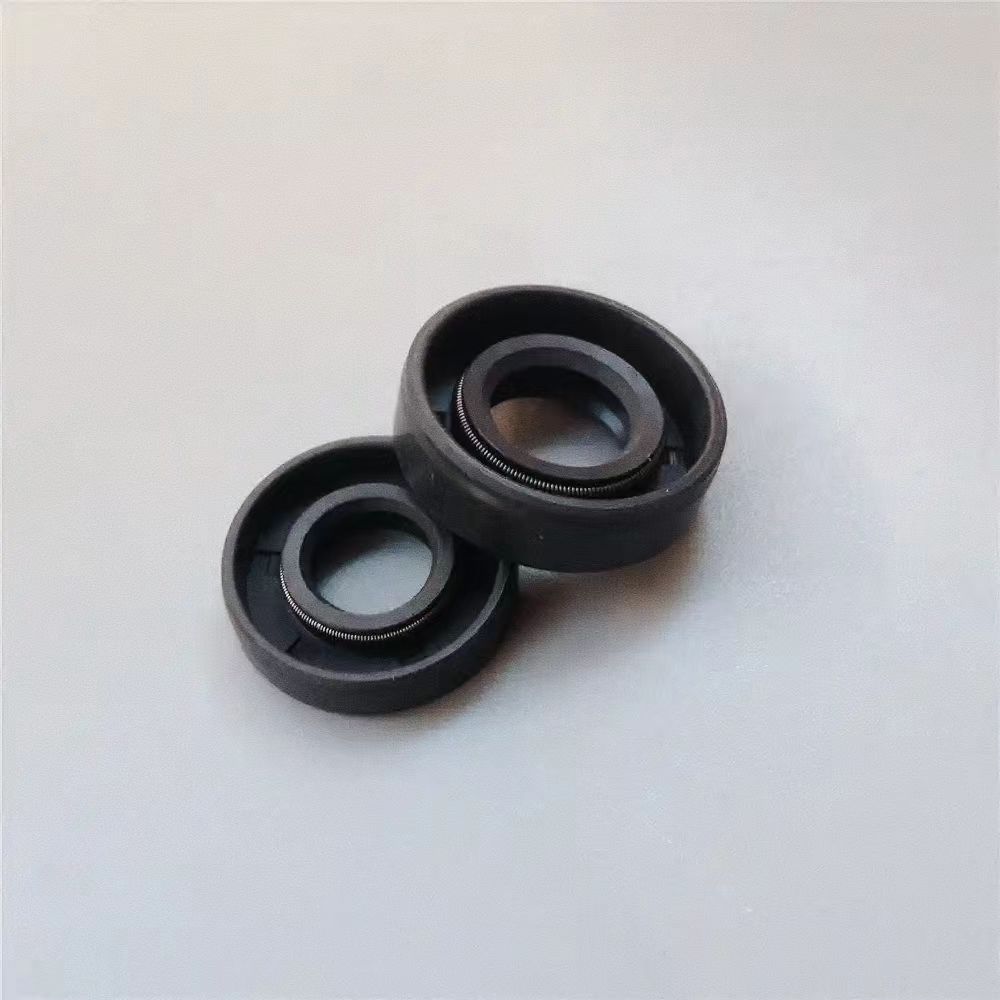
Het Carajás-complex van Vale in de noordelijke staat Pará kent een boorinstallatie met een probleem dat niet aan de oppervlakte zichtbaar is en pas duidelijk wordt wanneer lagerstoringen zich gaan concentreren op een bepaalde boordiepte. De Carajás-ertsafzetting is een gelaagde ijzerformatie (BIF), waarbij de bovenste 80% van de voorraad bestaat uit zachte, kruimelige limoniet en verrijkte hematiet—gemakkelijk te boren, lage rotatietorsie, lagerbelastingen die ruimschoots binnen het ontwerpbereik vallen. Onder de 150–200 meter gaat de limoniet over in harde, kiezhoudende hematiet, waarbij het SiO2-gehalte stijgt van minder dan 1% naar 8–12%, de UCS (unconfined compressive strength) stijgt van 40 MPa naar ongeveer 160 MPa, en de abrasieve silica elke lageroppervlakte slijt waarmee de boorstraal in contact komt. RD18U-boorinstallaties die in de bovenste zachte zone soepel functioneren gedurende 1.200 uur, kunnen een naaldlager verbruiken in slechts 600 uur zodra het boren de hardere, kiezrijke overgangszone bereikt—dezelfde apparatuur, andere diepte, andere levensduur van de lagers.
De naaldlager in de Atlas Copco RD18U-rotatiemotor draagt de radiale belastingen van de tandwieloverbrenging, terwijl de as het koppel naar de bestuurder overdraagt. In de zachte Carajás-zone zijn die radiale belastingen laag en draait het lager koel. In de siliciumhoudende hematietzone stijgt de vereiste rotatiekracht met 40–60 % doordat de abrasieve formatie weerstand biedt tegen de boor, waardoor de radiale belasting op het lager evenredig toeneemt en fijne siliciumdeeltjes die via versleten spoelringen in de smeringskringloop van de steel binnendringen, via het afvoerpad van de rotatiebehuizing in de lagerkooi terechtkomen.
Hoe de diepte van de overgang verandert bij het dragen van een lading
Dieptezone |
Oprichting |
UCS |
Rotatietorque |
Draagbare radiële belasting |
Het leven dragen wordt waargenomen |
0150 m |
Zwakke limonit/hematit |
30 60 MPa |
Laag basisniveau |
Design Assortiment |
1000 1400 uur |
150–300 m overgang |
Gemengde BIF |
60–120 MPa |
Matig |
25–40% boven uitgangsniveau |
700–1.000 uur |
300 m siliciumhoudend |
Harde siliceuze hematiet |
120–170 MPa |
Hoog duurzaam |
50–70% boven uitgangsniveau |
500–700 uur |
Het vervuilingspad dat de levensduur van lagers verkort
Fijne siliciumdioxide-deeltjes uit de siliciumhoudende hematietzone komen niet alleen via de hydraulische olie bij het naaldlager—dit verontreinigingspad wordt gefilterd. Ze komen via het afvoercircuit van het draaihuis: de afvoerleiding die gebruikte schachtolie uit het huis verwijdert, voert ook fijne slijtende deeltjes mee die zich op het oppervlak van de schachtadapter hadden afgezet en door de smeervloeistoffilm terug naar het huis werden meegenomen. In de zachte bovenzone neemt het schachtoppervlak minimale slijtmiddelen op en voert de afvoer schone olie af. In de siliciumhoudende zone beweegt de schacht tegen een formatie die fijne, kwartsrijke spaanders genereert, waarvan sommige bij elke slagterugbeweging veegzegel de schacht in het schachthuis binnendringen.
De praktische indicator is de kleur van de afgevoerde olie: helder amber in de zachte zone, geleidelijk donkerder met zwevende fijne deeltjes in de kiezelachtige zone. Braziliaanse booropzichters die deze kleurverandering opmerken na 200 uur in een kiezelachtige formatieprogramma en dienovereenkomstig het inspectie-interval voor lagers verkorten, verlengen de levensduur van de lagers met 30–40% ten opzichte van diegenen die het standaardinterval van 500 uur ongewijzigd laten. De kleurcontrole duurt 30 seconden.
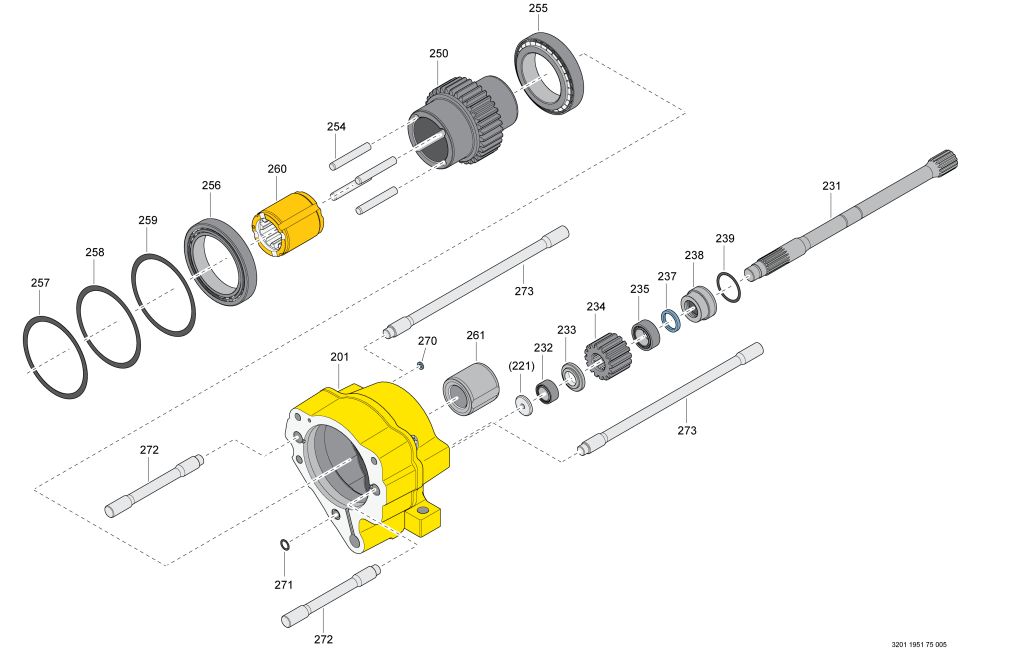
Inspectieprotocol voor lagers bij Braziliaanse diepte-variabele programma’s
Bij Carajás Serra Norte en S11D, waar individuele boorprogramma’s vaak beginnen in de zachte zone en daarna dalen naar de kiezelachtige overgangslaag, wordt een op de formatie afgestemde inspectieschema voor lagers aanbevolen in plaats van een vast tijdsinterval. Wanneer uit het boorlogboek blijkt dat de boorkop siliceus hematiet binnendringt—herkenbaar aan een daling van de doordringingssnelheid en een stijging van de rotatiedruk tegelijkertijd, zonder wijziging van de slaginstellingen—moet het inspectie-interval voor de lagers worden gehalveerd, van 500 naar 250 uur. Deze enkele aanpassing, consequent toegepast, zorgt ervoor dat het onderhoudstijdstip aansluit bij de werkelijke belasting van de lagers, in plaats van bij kalendergebaseerde aannames die zijn opgesteld voor de zachte zone.
Vervanging van naaldlagers na 250 uur in de kiezelachtige zone kost evenveel als na 500 uur; het verschil is dat een naaldlager dat na 250 uur wordt vervangen, nog een functionele kooi-geometrie heeft. Een naaldlager dat in de kiezelachtige zone tot 500 uur blijft draaien, veroorzaakt vaak verontreiniging door kooifragmenten die in dezelfde onderhoudscyclus de aandrijfverbinding en de geleidpistoonboring bereiken—waardoor een geplande lagervervanging wordt omgezet in een ongeplande vervanging van meerdere componenten. HOVOO levert zware RD18U-naaldlagers die zijn uitgevoerd volgens OEM-specificaties voor de Braziliaanse markt en beschikbaar zijn met korte levertijden vanuit de distributielocatie in São Paulo. Volledige referenties op hovooseal.com.


