33-99No. Mufu E Rd. Gulou District, Nanjing, China [email protected] | [email protected]
33-99No. Mufu E Rd. Gulou District, Nanjing, China [email protected] | [email protected]

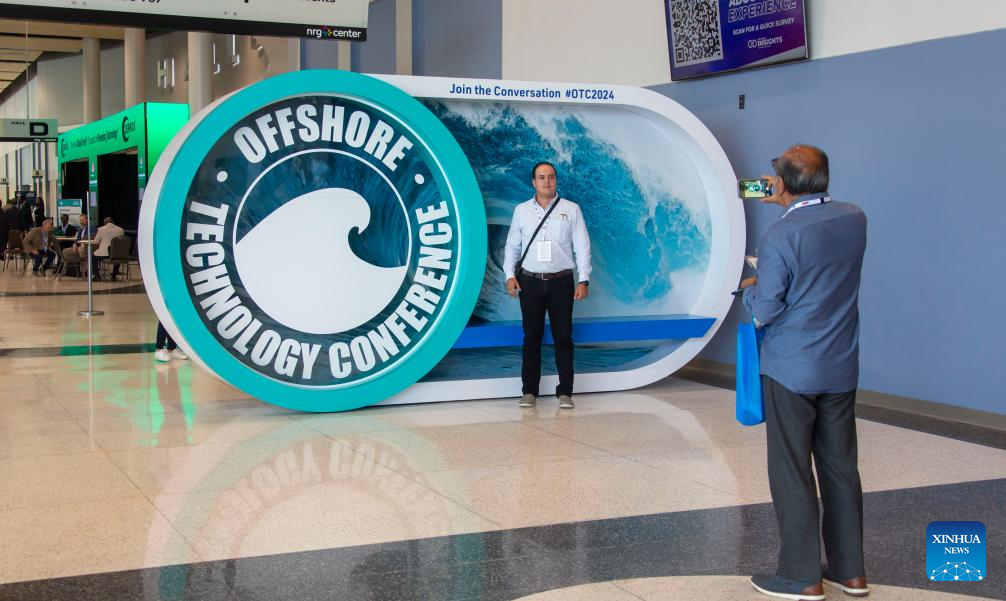
There is a hydraulic system currently operating at 3,000 metres below the surface of the Gulf of Mexico, controlling a subsea tree that manages the flow from an oil well producing 20,000 barrels per day. The ambient pressure around that system is 300 bar. The control fluid has been in service for two years without replacement. The system must respond to an emergency close signal within ten seconds — every time, without exception, because the alternative is an uncontrolled release of hydrocarbons at the seabed. The engineers who designed that system, the manufacturers who built its components, and the operators who qualify and maintain it all attend the Offshore Technology Conference in Houston every May.
OTC 2026 runs May 4 to 7 at NRG Park in Houston, Texas. The show has been running since 1969 — more than half a century as the primary technical and commercial gathering for the offshore oil and gas industry. Over 2,300 exhibitors and 60,000-plus attendees from the full spectrum of the offshore supply chain attend each edition. Deepwater drilling contractors, subsea equipment manufacturers, offshore platform operators, and the engineering companies that design the systems that keep offshore production running safely are all present in force.
Subsea hydraulic control systems are one of the most technically demanding applications in all of fluid power engineering. The umbilical cables that connect a floating production vessel to its subsea wellheads carry hydraulic control lines operating at up to 690 bar working pressure over distances sometimes exceeding 50 kilometres. The hydraulic fluid in those lines must maintain viscosity stability across the full temperature range from the warm topside environment to the near-freezing seabed, resist bacterial contamination, and remain compatible with the seals and metallurgy of subsea tree components designed for a 20-year service life without retrieval.
Above water, hydraulic technology is equally pervasive on offshore platforms. Deck cranes with hydraulic luffing and slewing drives handle loads exceeding 100 tonnes. Blowout preventers use hydraulic accumulators to store the energy required for emergency closure of the well bore. Hydraulic power units for subsea control systems typically run at very high reliability standards, with full redundancy and continuous condition monitoring. The engineering and procurement community responsible for all of this attends OTC every year in Houston — which is why the show is commercially relevant for any hydraulic component manufacturer with serious ambitions in the offshore sector.
Category |
Details |
Event Name |
OTC 2026 – Offshore Technology Conference |
Dates |
May 4–7, 2026 |
Venue |
NRG Park (Reliant Center), One NRG Park, Houston, TX 77054, USA |
Scale |
2,300+ exhibitors; 60,000+ attendees; annual; organised by OTC board |
OTC's technical programme is one of the most rigorous in the engineering exhibition world. Over 1,000 technical papers are presented across the four days, peer-reviewed by panels of industry experts and covering the full spectrum of offshore technology from deepwater drilling engineering to floating production system design, from riser dynamics to subsea processing. The hydraulics papers that appear in the OTC programme address real engineering problems — seal failure analysis, umbilical fatigue, hydraulic fluid qualification, blowout preventer reliability — with the specificity and technical depth that the offshore industry demands.
For hydraulic pump and component manufacturers positioned in the offshore market, OTC 2026 offers the combination of commercial exhibition and technical credibility that differentiates serious offshore suppliers from general-purpose hydraulic companies attempting to enter the sector. Establishing a published OTC technical paper track record — presenting real data from real applications — is one of the most effective long-term brand-building strategies available in the offshore hydraulics market, and it begins with participating in the conference that the industry's technical community considers authoritative.

Welcome to HOVOO, a Chinese seal factory. Production of PU, Rubber and PTFE seals. The seals include O-ring, piston seal, rod seal, Gray ring and gas seal.


 EN
EN
 AR
AR CS
CS DA
DA NL
NL FI
FI FR
FR DE
DE EL
EL IT
IT JA
JA KO
KO NO
NO PL
PL PT
PT RO
RO RU
RU ES
ES SV
SV TL
TL IW
IW ID
ID LV
LV SR
SR SK
SK VI
VI HU
HU MT
MT TH
TH TR
TR FA
FA MS
MS GA
GA CY
CY IS
IS KA
KA UR
UR LA
LA TA
TA MY
MY
