33-99No. Mufu E Rd. Gulou District, Nanjing, China [email protected] | [email protected]
33-99No. Mufu E Rd. Gulou District, Nanjing, China [email protected] | [email protected]

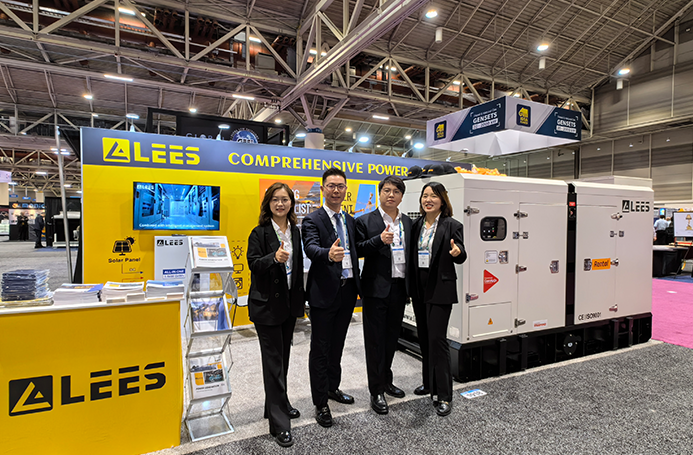
Every large power generation facility in the world has hydraulic systems running somewhere inside it. The steam turbine control valves in a combined-cycle gas plant use electrohydraulic governing systems to regulate rotor speed within fractions of a percent of setpoint. The penstock gates at a hydroelectric dam open and close on hydraulic cylinders sized to exert forces measured in hundreds of tonnes. Cooling tower fan drives at thermal plants increasingly use hydraulic variable-speed drives to adjust airflow without the electrical losses of variable frequency drives at part load. Power generation is, at its infrastructure level, a hydraulic industry — and Power-Gen International is where the people who operate and supply that infrastructure gather each December.
Power-Gen International 2025 ran in December in New Orleans at the Ernest N. Morial Convention Center, continuing a format that has made it the largest annual power generation exhibition and conference in the world. The show consistently draws over 1,400 exhibitors and 25,000-plus attendees from utilities, independent power producers, engineering contractors, equipment manufacturers, and the full range of service companies that support the operating power generation fleet. The conference programme — running alongside the exhibition — covers capacity market developments, grid reliability, the integration of renewables with dispatchable generation, and the technology trends shaping turbine, generator, and plant auxiliary system design.
The turbine governing system is the hydraulic application most unique to power generation. Steam turbine governors control the admission of steam to the turbine stages, and the actuators that position the steam admission valves are electrohydraulic — a combination of fast-response servo valves and hydraulic cylinder or rotary actuator drives that can respond to load changes in milliseconds. The hydraulic oil system for a large steam turbine governor operates at pressures between 100 and 200 bar with extremely tight cleanliness requirements: ISO 4406 cleanliness levels of 14/12/9 or better are standard, because even minor contamination in the servo valve control orifices causes response time degradation that affects grid frequency control.
Gas turbine hydraulic systems carry similar requirements. The fuel control valves that meter natural gas to the combustion chambers, the variable inlet guide vane actuators that adjust compressor performance, and the bleed valve systems that prevent compressor surge all use electrohydraulic actuation. Siemens Energy, GE Vernova, Mitsubishi Power, and Ansaldo Energia — the major gas and steam turbine OEMs — all specify turbine control hydraulic systems to standards that represent the upper tier of fluid power engineering precision.
Category |
Details |
Event Name |
Power-Gen International 2025 |
Dates |
December 2025, New Orleans (annual; confirm 2026 dates at power-gen.com) |
Venue |
Ernest N. Morial Convention Center, New Orleans, Louisiana, USA |
Scale |
1,400+ exhibitors; 25,000+ attendees; annual |
Hydroelectric power represents the largest installed base of hydraulic machinery in the world — every water turbine is a hydraulic motor, and every dam gate, penstock, and spillway valve is controlled by hydraulic actuators. The civil and mechanical rehabilitation of ageing hydroelectric infrastructure is a multi-decade global programme, and the hydraulic equipment companies involved in that rehabilitation attend Power-Gen to reach the utility owners, EPC contractors, and equipment suppliers managing those programmes. New pumped storage hydroelectric facilities — which are being built globally at rapid pace to provide grid-scale energy storage for renewable intermittency management — require completely new hydraulic infrastructure including the reversible pump-turbine hydraulic systems that are among the most complex hydraulic engineering projects in the industry.
For hydraulic pump and component manufacturers targeting the power generation sector, Power-Gen International provides annual access to a buyer community that is distinct from the construction, mining, and industrial markets. Power generation procurement moves slowly — turbine overhaul cycles are measured in years, and the engineering specifications for power plant hydraulic systems are heavily influenced by OEM requirements and industry standards. But the contracts that result from sustained engagement in this market are large, long-duration, and highly recurring, which makes the annual Power-Gen presence commercially worthwhile even when individual edition ROI is difficult to measure directly.

Welcome to HOVOO, a Chinese seal factory. Production of PU, Rubber and PTFE seals. The seals include O-ring, piston seal, rod seal, Gray ring and gas seal.


 EN
EN
 AR
AR CS
CS DA
DA NL
NL FI
FI FR
FR DE
DE EL
EL IT
IT JA
JA KO
KO NO
NO PL
PL PT
PT RO
RO RU
RU ES
ES SV
SV TL
TL IW
IW ID
ID LV
LV SR
SR SK
SK VI
VI HU
HU MT
MT TH
TH TR
TR FA
FA MS
MS GA
GA CY
CY IS
IS KA
KA UR
UR LA
LA TA
TA MY
MY
