

 EN
EN
 AR
AR CS
CS DA
DA NL
NL FI
FI FR
FR DE
DE EL
EL IT
IT JA
JA KO
KO NO
NO PL
PL PT
PT RO
RO RU
RU ES
ES SV
SV TL
TL IW
IW ID
ID LV
LV SR
SR SK
SK VI
VI HU
HU MT
MT TH
TH TR
TR FA
FA MS
MS GA
GA CY
CY IS
IS KA
KA UR
UR LA
LA TA
TA MY
MY
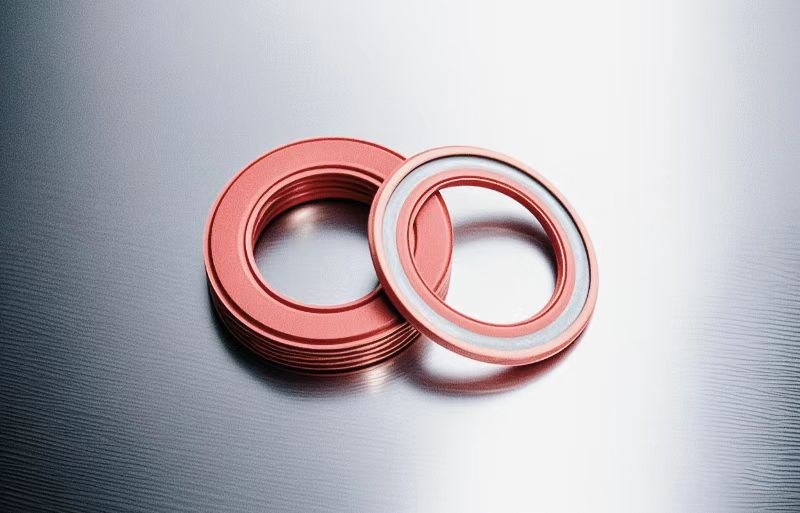
பெரும்பாலான இயக்கிகள், ஒரு ஹைட்ராலிக் பிரேக்கர் வலுவாக அடிக்கிறது என்பதை அறிவார்கள். ஆனால், சில பிரேக்கர்கள் இரண்டாயிரம் மணி நேரத்திற்குப் பிறகும் வலுவாக அடிக்கத் தொடர்கின்றன – மற்றவை ஐநூறு மணி நேரத்திலேயே சிதைந்துவிடுகின்றன என்பதற்கான காரணத்தை அறிவோர் மிகக் குறைவினர். இந்த வேறுபாடு பெரும்பாலும் இயந்திரம் அரிமானத்தையும் அழுத்த மாற்றத்தையும் ஒரே நேரத்தில் எவ்வாறு கையாளுகிறது என்பதில் தான் அமைகிறது.
ஒரு இயற்கை உலை (ஹைட்ராலிக் பிரேக்கர்) துளையிடும் விசையை, மிகத் துல்லியமான பிஸ்டன்கள், வால்வுகள் மற்றும் நைட்ரஜன் அறைகளின் அமைப்பின் மூலம் அழுத்தம் கொண்ட எண்ணெயை இயந்திர தாக்கு விசையாக மாற்றுகிறது. எண்ணெய் ஓட்ட வீதம் மற்றும் இயக்க அழுத்தம் ஆகியவை பிரேக்கரின் தேவைகளுக்கு ஏற்ப இருக்க வேண்டும் — பொதுவாக தரமான பயன்பாடுகளுக்கு 100 முதல் 200 பார் வரை இருக்கும். அந்த அளவு முக்கியமானது. தர வரம்பிற்கு வெளியே இயங்கும் பிரேக்கர் திறனை இழப்பது மட்டுமல்ல, அது தொடும் ஒவ்வொரு பரப்பிலும் வேகமாக தேய்வடைகிறது.
உண்மையில் தேய்வு ஏற்படும் இடம்
பிஸ்டன் என்பது தாக்க ஆற்றலை வழங்குவதற்கான முக்கிய பாகமாகும். ஹைட்ராலிக் திரவம் சிலிண்டர் கூறுக்குள் நுழையும்போது, அது பிஸ்டனை மேல்நோக்கி தள்ளி ஆற்றலைச் சேமிக்கிறது. பின்னர், அந்த ஆற்றல் கீழ்நோக்கி விடுவிக்கப்பட்டு, சிசல் (Chisel) வழியாக இலக்குப் பொருளில் கடத்தப்படுகிறது. இந்த சுழற்சி ஒரு நிமிடத்திற்கு நூற்றுக்கணக்கான முறை மீண்டும் மீண்டும் நிகழ்கிறது. ஒவ்வொரு தாக்கத்தின்போதும் முன் புஷிங் (Front Bushing), கருவியை பிடிக்கும் பாகம் (Tool Retainer) மற்றும் சிலிண்டர் சுவர் ஆகியவை சுமையை ஏற்றுகின்றன.
ஹோவூ மற்றும் ஹௌஃபு போன்ற தயாரிப்பாளர்கள் இதை செயல்படுத்துகின்றனர், அதாவது பிஸ்டன் மற்றும் சிலிண்டருக்கு உயர்-வலிமை தடுப்பு எஃகை குறிப்பிடுகின்றனர், மேலும் சில் கிட்ஸ் அதிக அழுத்தம் மற்றும் வெப்பநிலையை தாங்கக்கூடியதாக வடிவமைக்கப்பட்டுள்ளது. இது எளிதாகத் தோன்றுகிறது. நடைமுறையில், இது தொழிற்சாலையில் செய்யப்படும் பொருள் வழங்கல் முடிவுகள் ஒரு உடைப்பான் புலத்தில் எத்தனை மணி நேரம் செயல்படும் என்பதை தீர்மானிக்கிறது. ஹோவூ சீல் வடிவமைப்பு குறித்த மேலும் தகவல்களுக்கு: https://www.hovooseal.com/
முன் புஷிங் (bushing) என்பது பெரும்பாலான ஆபரேட்டர்கள் அழிவை முதன் முறையாக கவனிக்கும் இடமாகும். இது சிசலை (chisel)ஐ வழிநடத்துகிறது மற்றும் சாய்வான வேலைகளுடன் வரும் பக்க சுமைகளை (side loads) உறிஞ்சுகிறது. இது மோசமாகும்போது, சிசல் அசைகிறது — மற்றும் அசைவு என்பது இழந்த ஆற்றலே ஆகும், விநியோகிக்கப்படாத ஆற்றல்.
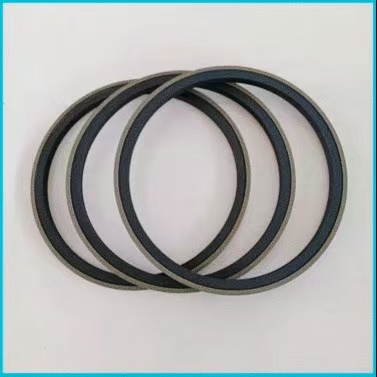
அழுத்த மாற்றம் மற்றும் அக்குமுலேட்டரின் (accumulator) பங்கு
அசுமுளை (அக்கியூமியுலேட்டர்) என்பது நைட்ரஜனால் சுமையேற்றப்பட்ட அழுத்த அறையாகும். இது குறைந்த அழுத்த கட்டங்களில் மிகையான ஆற்றலைச் சேகரித்து, உலோகப் பிஸ்டனின் கீழ்நோக்கிய இயக்கத்திற்கு உதவுகிறது; மேலும், பிஸ்டனின் திரும்பும் இயக்கம் அல்லது கருவியின் தாக்கத்தின் போது ஏற்படும் அழுத்த உச்சத்தைக் குறைக்கிறது. சரியான வாயு அழுத்தம் இல்லாத நிலையில், செயல்திறன் குறைகிறது மற்றும் உள் தேய்மானம் அதிகரிக்கிறது — இவை இரண்டும் ஒன்றை மற்றொன்று மேலும் மோசமாக்கும் பிரச்சினைகளாகும்.
பல செயல்திறன் சிக்கல்களுக்கு தவறான நைட்ரஜன் அழுத்தம், வால்வு நேர சிக்கல்கள் அல்லது தவறான கருவி பொருத்தம் ஆகியவையே காரணமாக இருக்கின்றன, உடைப்பான் (பிரேக்கர்) தன்னில் அல்ல. இது எந்த வேலிடத்திலும் மீண்டும் மீண்டும் வலியுறுத்தப்பட வேண்டிய ஒரு முக்கிய விஷயம்: உடைப்பான் என்பது ஒரு ஆற்றல் மாற்றி ஆகும்; அதன் வெளியீட்டின் தரம் அதன் உள்ளீட்டின் தரத்தைப் பொறுத்தே அமைகிறது. தவறான கேரியர் ஹைட்ராலிக்ஸ் (இயக்க திரவ அமைப்பு) ஆனது, கட்டுப்பாட்டு வால்வுகள் மற்றும் பிஸ்டன்களில் முன்கூடிய சீல் தோல்விக்கு முக்கிய காரணமாகும்.
முக்கிய தேய்மான எதிர்ப்பு வடிவமைப்பு கூறுகள்
வடிவமைப்பு உறுப்பு |
செயல்பாடு மற்றும் நன்மை |
கடினப்படுத்தப்பட்ட கலப்பு உலோக எஃகு பிஸ்டன் |
மீண்டும் மீண்டும் தாக்கத்தின் கீழ் உள் தேய்மானத்தைக் குறைக்கிறது |
நைட்ரஜன் அசுமுளை |
அழுத்தத்தை நிலைநிறுத்துகிறது, தாக்க ஆற்றலை அதிகரிக்கிறது |
தேய்மான எதிர்ப்பு முன் புஷிங் (புஷ்) |
கருவியின் வழித்தடத்தை பக்க சுமை சேதத்திலிருந்து பாதுகாக்கிறது |
துல்லியமான வால்வ் நேரம் |
ஒழுங்கான வெடிப்பு அதிர்வெண்ணை (500–1300 BPM) உறுதி செய்கிறது |
நீண்டகால பயன்பாட்டிற்கான பயனுள்ள விளைவுகள்
கடினப்படுத்தப்பட்ட பாகங்கள் மற்றும் தேய்வு-எதிர்ப்பு கருவித் துண்டுகளுடன் கூடிய உடைப்பியைத் தேர்வு செய்வது, கடினமான சூழ்நிலைகளில் அதன் சேவை ஆயுளை நீட்டிக்கிறது. ஆனால் வடிவமைப்பு தேர்வுகள் மட்டுமே வரம்புக்குட்பட்டவை. ஆபரேட்டர்கள் வெற்று-சுடுதல் (blank-firing) — அதாவது, சிசல் (chisel) ஏதும் மேற்பரப்பில் அழுத்தப்படாமல் உடைப்பியை இயக்குதல் — என்பது, எந்த பொருளும் அந்த ஆற்றலை உறிஞ்சாமல் இயந்திரத்திற்குள் கடுமையான அதிர்வு அலைகளை அனுப்புகிறது. இது, உடைப்பி எவ்வளவு தரமாக வடிவமைக்கப்பட்டிருந்தாலும், டை-ராட் (tie-rod) மற்றும் பிஸ்டன் தோல்விக்கு முக்கிய காரணமாகும்.
HOVOO மற்றும் HOUFU ஹைட்ராலிக் உடைப்பிகள், நீண்டகால சீல் மற்றும் புஷிங் ஆயுளைக் கொண்டு, ஒழுங்கான அழுத்த மாற்ற திறனுக்காக வடிவமைக்கப்பட்டுள்ளன. இந்த உபகரணங்களின் அடிப்படைக் கொள்கையைப் புரிந்துகொள்வது, ஆபரேட்டர்களுக்கு அவர்களின் முதலீட்டைப் பாதுகாக்க உதவும்: உங்கள் கேரியரை பொருத்துக, உங்கள் நைட்ரஜன் சார்ஜை பராமரிக்கவும், மற்றும் ஹாமர் வறண்ட நிலையில் இயங்காமல் பார்த்துக்கொள்ளவும்.
ஹைட்ராலிக் உடைப்பியின் செயல்பாட்டு கொள்கை | தேய்வு-எதிர்ப்பு ஹைட்ராலிக் ஹாமர் | அழுத்த மாற்ற உடைப்பி | HOVOO | HOUFU | hovooseal.com


