

 EN
EN
 AR
AR CS
CS DA
DA NL
NL FI
FI FR
FR DE
DE EL
EL IT
IT JA
JA KO
KO NO
NO PL
PL PT
PT RO
RO RU
RU ES
ES SV
SV TL
TL IW
IW ID
ID LV
LV SR
SR SK
SK VI
VI HU
HU MT
MT TH
TH TR
TR FA
FA MS
MS GA
GA CY
CY IS
IS KA
KA UR
UR LA
LA TA
TA MY
MY

குளிரூட்டும் சுற்றுப்பாதை பம்ப்கள் பொதுவாக யாருடைய முக்கிய உபகரணப் பட்டியலிலும் காணப்படுவதில்லை — அவை வேலை செய்யாமல் போகும் வரை. அப்போது, மிக விரைவில், அந்த தவறு ஏற்படுத்தும் விளைவுகள் தெளிவாகத் தெரிய வரும். குளிரூட்டும் சுற்றுப்பாதை பம்ப் தவறு ஏற்பட்டதால் ஹைட்ராலிக் அமைப்பு அதிக வெப்பத்தை ஏற்றுக் கொள்ளும்; இது சீல்களை அழிக்கும், திரவத்தின் தரத்தை குறைக்கும், மேலும் முதன்மை பம்பையும் சேதப்படுத்தக்கூடும் — ஒரு சிறிய பம்ப் தவறை விலை உயர்ந்த அமைப்பு சம்பவமாக மாற்றும்.
குளிரூட்டும் சுற்றுப்பாதைகள் உண்மையில் என்ன செய்கின்றன?
பெரிய ஹைட்ராலிக் நிறுவல்கள் மற்றும் தொழில்துறை இயந்திரங்களில், வால்வ் தடுப்பு, பம்பின் திறனின்மை மற்றும் ஆக்டுவேட்டர் பின்னடுப்பு ஆகியவற்றால் உருவாகும் வெப்பத்தை, சீல்கள் சரியாக செயல்படும் வெப்பநிலை வரம்பிற்குள் மற்றும் திரவத்தின் பாகுத்தன்மை நிலையாக இருக்கும் வரை தொடர்ந்து அகற்ற வேண்டும். குளிரூட்டும் சுற்றுப்பாதை பம்ப்கள், எண்ணெய், நீர் அல்லது நீர்-கிளைக்கால் ஆகியவற்றை வெப்ப பரிமாற்றிகள் வழியாக மாறாத ஓட்ட வீதத்தில் சுற்றுச்சுற்று செலுத்துகின்றன — இயந்திரம் இயங்கும் அனைத்து நாட்களிலும் 24 மணி நேரமும். எனவே, இவற்றின் நம்பகத்தன்மை தேவை ஒரு பயன்பாட்டு சேவை (utility) அளவிற்கு அருகில் உள்ளது, ஒரு சாதாரண இயந்திரப் பாகத்தை விட.
குளிரூட்டும் பயன்பாட்டிற்கான பம்ப் வகைத் தேர்வு
நீர்-அடிப்படையிலான குளிரூட்டும் சுற்றுப்பாதைகள் பெரும்பாலும் மையவிலகல் பம்புகளைப் பயன்படுத்துகின்றன — இவை எளியவை, மலிவானவை, மேலும் குறைந்த பாகுத்தன்மையுடைய தூய்மையான திரவங்களுக்கும் மிதமான அழுத்தங்களுக்கும் ஏற்றவை.
தொடக்க நேரத்தில் கவிடேஷன் (குமிழி) ஏற்படும் வாய்ப்பு
குளிர்ந்த தொடக்கங்கள் என்பவை குளிரூட்டும் சுற்றுப்பாதை பம்புகளுக்கு மிகவும் அழுத்தமான நேரங்களாகும். -10°C வெப்பநிலையில் உள்ள ஹைட்ராலிக் எண்ணெய், இயக்க வெப்பநிலையில் உள்ள அதே எண்ணெயை விட ஐந்து முதல் பத்து மடங்கு அதிக பாகுத்தன்மையைக் கொண்டிருக்கும். இயக்க பாகுத்தன்மைக்கு ஏற்றவாறு அளவிடப்பட்ட பம்பு ஒன்று, உறிஞ்சும் வழித்தடத்தின் வடிவமைப்பு இந்த பாகுத்தன்மை மாற்றத்தைக் கணக்கில் கொள்ளாவிட்டால், குளிர்ந்த தொடக்கத்தின் போது கவிடேஷன் (குமிழி) ஏற்படலாம். கவிடேஷன் பிரச்சினையைத் தவிர்க்க, நெட் பாசிட்டிவ் சக்ஷன் ஹெட் (NPSH) கணக்கீடுகளில் வெப்பமான நிலையை விட குளிர்ந்த பாகுத்தன்மை நிலையைப் பயன்படுத்த வேண்டும்; இது குளிர்கால காலைகளில் மட்டுமே தோன்றும் கவிடேஷன் பிரச்சினையைத் தவிர்க்கும்.
இயந்திர சீல்கள்: உண்மையான தோல்வி வகை
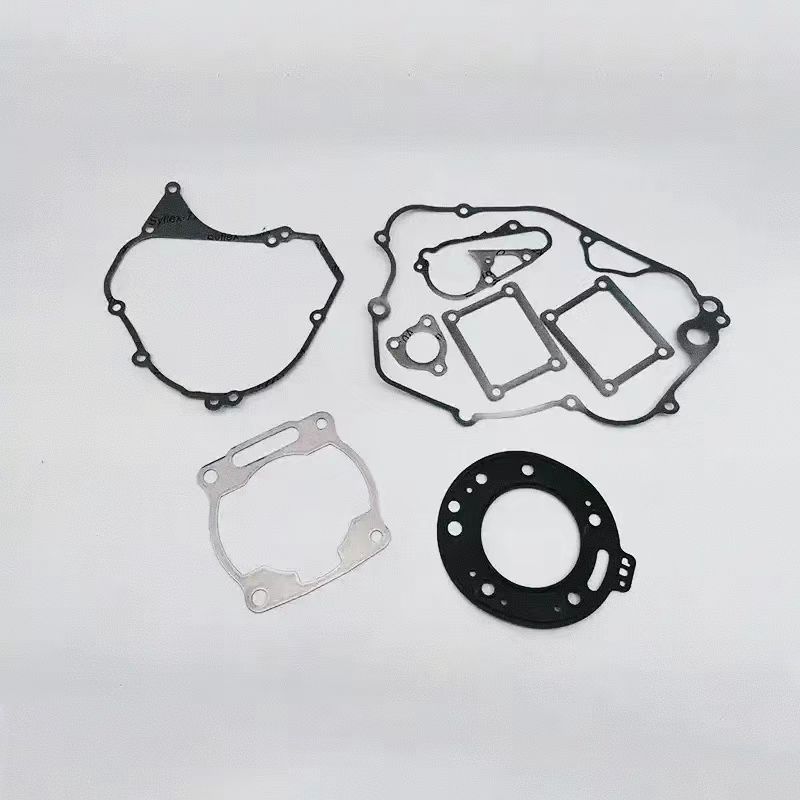
குளிரூட்டும் சுற்றுப்பாதை பம்ப் தவறுகள் பெரும்பாலான வழக்குகளில் இயந்திர முடிச்சு தரம் குறைதலால் ஏற்படுகின்றன. எண்ணெய் சேவைக்கு ஹைட்ராலிக் பம்ப் சில் கிட்ஸ் வடிவமைக்கப்பட்டவை அல்ல, குளிரூட்டும் சுற்றுப்பாதை பம்ப் முடிச்சுகள் தண்ணீர், கிளைக்கால் அல்லது கலந்த குளிரூட்டி வேதியியலுடன் ஒத்துப்போக வேண்டும். தூய்மையான தண்ணீர் சுற்றுப்பாதைகளுக்கு கார்பன்-செராமிக் முகப்பு முடிச்சு சேர்வுகள் நன்றாக வேலை செய்கின்றன; டங்ஸ்டன் கார்பைட் முகப்புகள் நேர்க்கு மீண்டும் சுழற்றப்படும் குளிரூட்டியில் நேராக துகள் மாசுப்பாட்டை சமாளிக்கின்றன.
ஹோவூ ஓ / ஹௌஃபு என்பவை ஹைட்ராலிக் எண்ணெய் குளிரூட்டும் சுற்றுப்பாதைகள் மற்றும் தண்ணீர்-அடிப்படையிலான வெப்ப மேலாண்மை அமைப்புகள் ஆகிய இரண்டிற்கும் முத்திரை கிட்களை வழங்குகின்றன. ஹௌஃபு குளிரூட்டும் பயன்பாடுகளுக்கான முத்திரை கிட்கள் பொதுவான ஹைட்ராலிக் சேவைக்கு அல்ல, உண்மையில் பயன்படுத்தப்படும் திரவ வேதியியலுக்கு ஏற்றவாறு தனிப்பயனாக்கப்பட்டுள்ளன. உங்கள் குளிரூட்டும் சுற்றுப்பாதை பம்ப் முத்திரை தீர்வை hovooseal.com-ல் கண்டறியவும்.
மூலம்: www.hovooseal.com


