

 EN
EN
 AR
AR CS
CS DA
DA NL
NL FI
FI FR
FR DE
DE EL
EL IT
IT JA
JA KO
KO NO
NO PL
PL PT
PT RO
RO RU
RU ES
ES SV
SV TL
TL IW
IW ID
ID LV
LV SR
SR SK
SK VI
VI HU
HU MT
MT TH
TH TR
TR FA
FA MS
MS GA
GA CY
CY IS
IS KA
KA UR
UR LA
LA TA
TA MY
MY
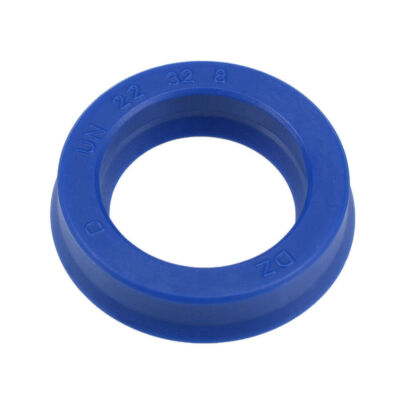
Ang VG 68 na langis sa isang sirkuito na idinisenyo para sa VG 46 ay hindi nagdudulot ng agarang pagkabigo ng mga selo—nagdudulot ito ng mabagal na thermal na pagkabigo na tila maagang pagkapagod ng mga selo sa inspeksyon pagkatapos ng 200 oras. Ang mekanismo: ang langis na may mas mataas na viscosity sa operasyon na temperatura ay lumilikha ng mas makapal na film sa ibabaw ng bore. Ang mas makapal na film na ito ay nagdudulot ng mas mataas na shear stress sa labi ng selo sa bawat percussive stroke, na nagpapasa ng higit na enerhiya sa compound ng labi bilang init. Ang temperatura ng labi ng selo ay tumataas ng 6–9°C kumpara sa gamit ng langis na may tamang viscosity, na nagpapabilis ng oksidasyon ng PU compound at ng akumulasyon ng compression-set ng 18–24% sa loob ng panahon ng pagpapalit.
Ang kabaligtaran ng problema — ang VG 32 sa isang VG 46 na circuit — ay nagdudulot ng ibang uri ng kabiguan: kulang na kapal ng pelikula sa temperatura ng operasyon, na nagbubuo ng mikro-kontaktong metal-sa-metal sa pagitan ng labi ng selo at ibabaw ng bore habang may mataas na porsyong percussive. Ang mga mikro-kontaktong ito ay nagdudulot ng abrasibong pagkasira sa ibabaw ng labi, na lumilitaw bilang isang pinolish na, bahagyang naka-recess na landas sa paligid ng paligid ng labi sa inspeksyon pagkatapos ng 200 oras. Hindi pa nabigo ang labi; ipinapakita lamang nito ang pasiglahing pagkabura na aabot sa threshold ng bypass sa loob ng 260–300 oras imbes na sa inaasahang 420–460 oras. Walang isa sa dalawang kabiguan ang nagpapahayag nang malakas — parehong nangangailangan ng paghahambing sa mga trend ng bilang ng partikulo sa sample ng langis upang maagapan nang maaga.
Epekto ng Viskosidad ng Langis sa Pagganap ng Selo
Kapal ng langis |
Kapal ng Pelikula sa 72°C |
Epekto sa Labi ng Selo |
Epekto sa Habambuhay na Serbisyo |
VG 32 (napakamahina para sa karaniwang drifter circuit) |
Kapal ng pelikula sa ilalim ng espesipikasyon sa temperatura ng operasyon |
Mga tuktok ng mikro-kontaktong nangyayari sa mga ekstremong porsyong percussive — pagpolish sa ibabaw ng labi |
260–310 na oras — 30–35% na mas maikli kaysa sa batayang VG 46 |
VG 46 (tama para sa karaniwang drifter) |
Kapal ng pelikula ayon sa teknikal na tukoy sa 70–78°C |
Buong hydrodynamic na pelikula na naghihiwalay sa labi mula sa bore |
Batayan: 400–460 na oras sa malinis na sirkuito |
VG 68 (masyadong makapal — karaniwang pagkakamali sa malamig na klima) |
Higit sa nakatakda ang kapal ng pelikula sa temperatura ng operasyon — mataas na shear stress |
Temperatura ng labi ay 6–9°C na mas mataas — pabilisin ang oksidasyon ng PU |
320–360 na oras — 15–20% na mas maikli dahil sa thermal degradation |
VG 100 (langis para sa kagamitan sa konstruksyon, hindi angkop na uri) |
Malayo sa pamantayan — labis na pagkagenera ng init dahil sa shear |
Ang labi ay tumatakbo 15–20°C nang mas mataas kaysa sa karaniwang temperatura ng operasyon |
180–240 oras — matinding thermal degradation; maaaring magpakita ang compound ng surface crazing |
PAO VG 46 (tamang gamitin sa malamig na klima sa ilalim ng −15°C) |
Tamang kapal ng film sa mas malawak na saklaw ng temperatura (−30°C hanggang +90°C) |
Pinananatili ang optimal na hydrodynamic film kahit sa cold start |
420–480 oras — bahagyang mas mahaba kaysa sa mineral VG 46 dahil sa mas mainam na proteksyon sa cold start |
Ang pagkakamali sa VG 68 sa mga operasyon sa malamig na klima ang pinakakaraniwang pagkakamali sa viscosity: ang mga koponan sa pagpapanatili ay nagbabago ng lubrikan sa VG 68 tuwing taglamig upang protektahan ang pump sa cold start, ngunit nakakalimutan nilang ibalik ito sa tamang viscosity kapag tumataas ang temperatura ng kapaligiran. Ang pump ay nabubuhay; ngunit ang percussion seals ay tumatakbo sa mataas na temperatura ng labi nang buwan-buwan. Ang HOVOO ay nagbibigay ng mga gabay sa pagpili ng viscosity para sa RD-series at HLX5T drifters batay sa saklaw ng temperatura ng operasyon. Ang buong listahan ng modelo ay matatagpuan sa hovooseal.com.


