33-99No. Mufu E Rd. Gulou District, Nanjing, China [email protected] | [email protected]
33-99No. Mufu E Rd. Gulou District, Nanjing, China [email protected] | [email protected]

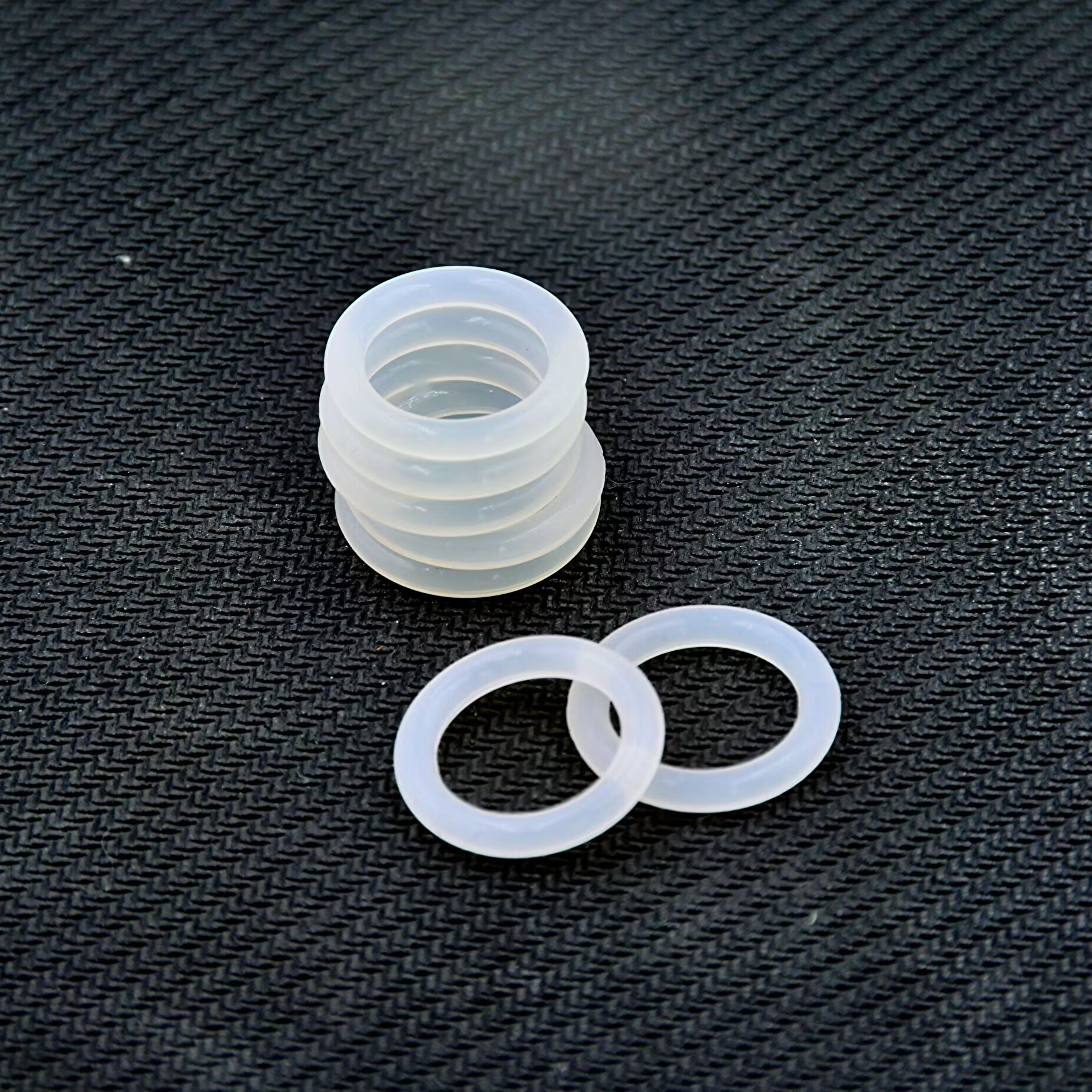
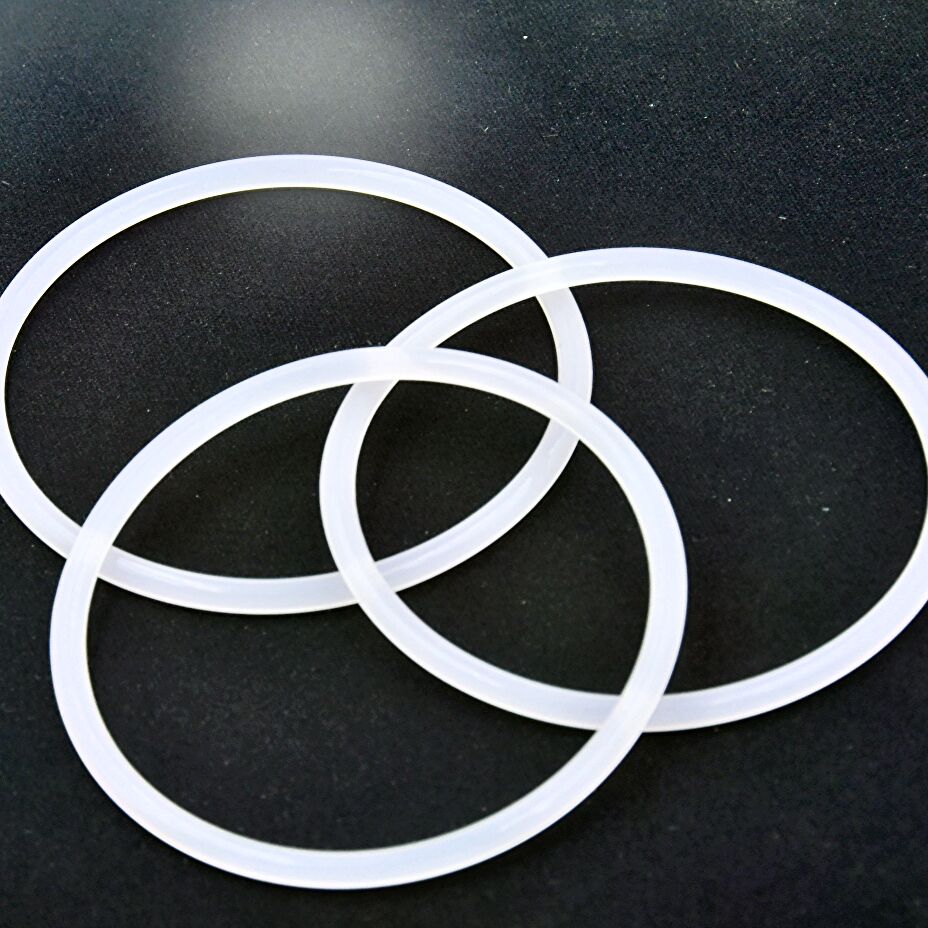
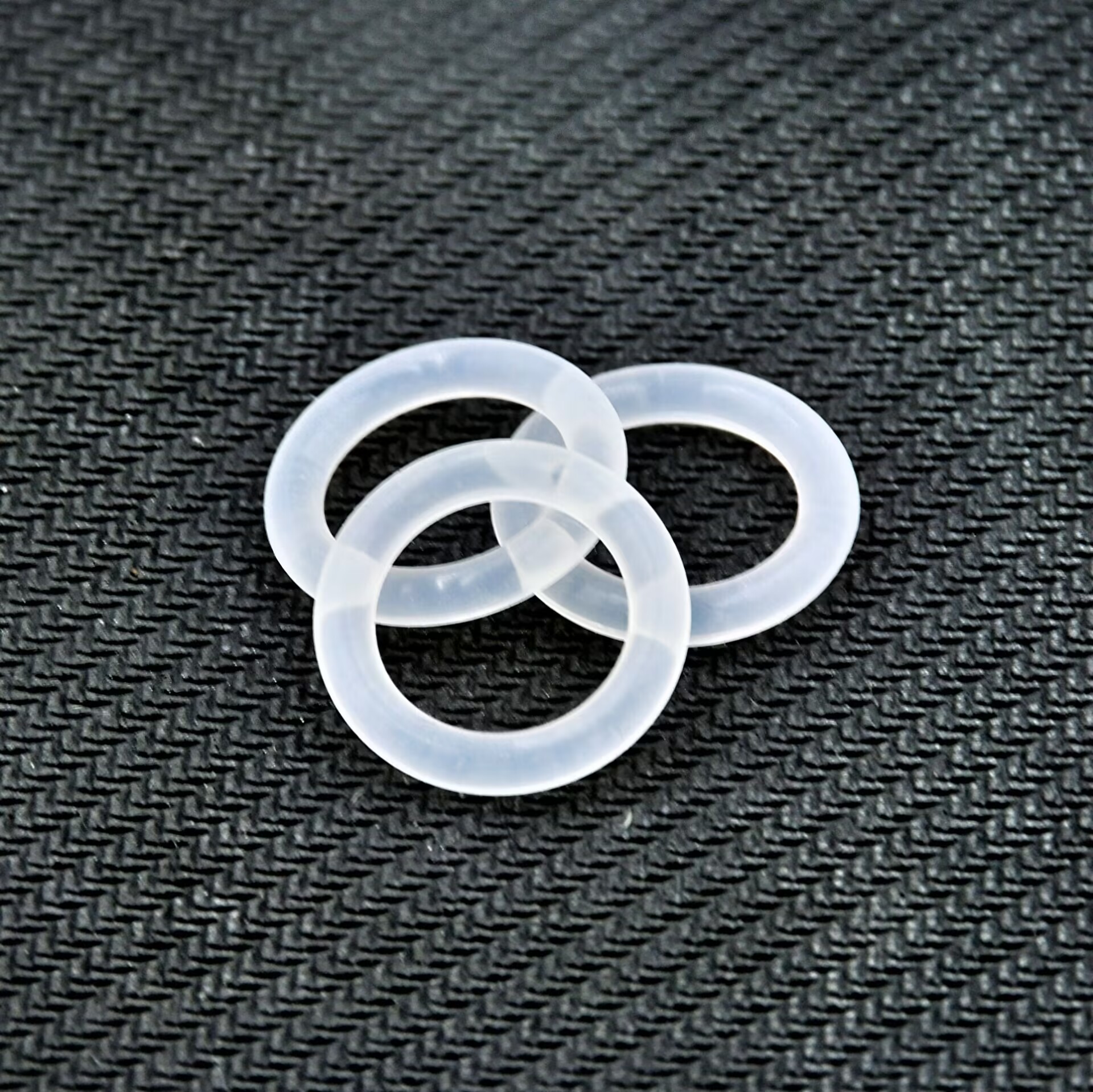
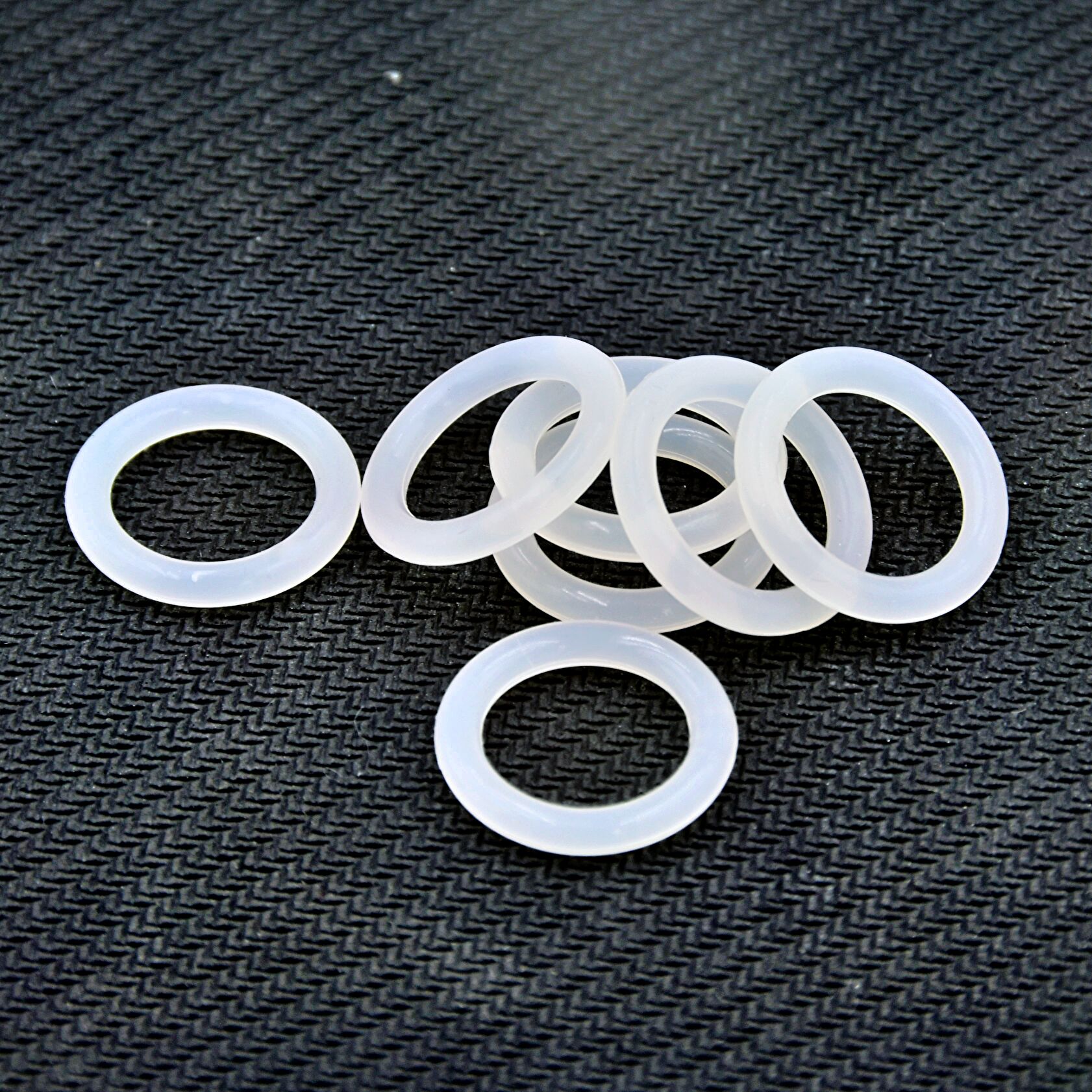
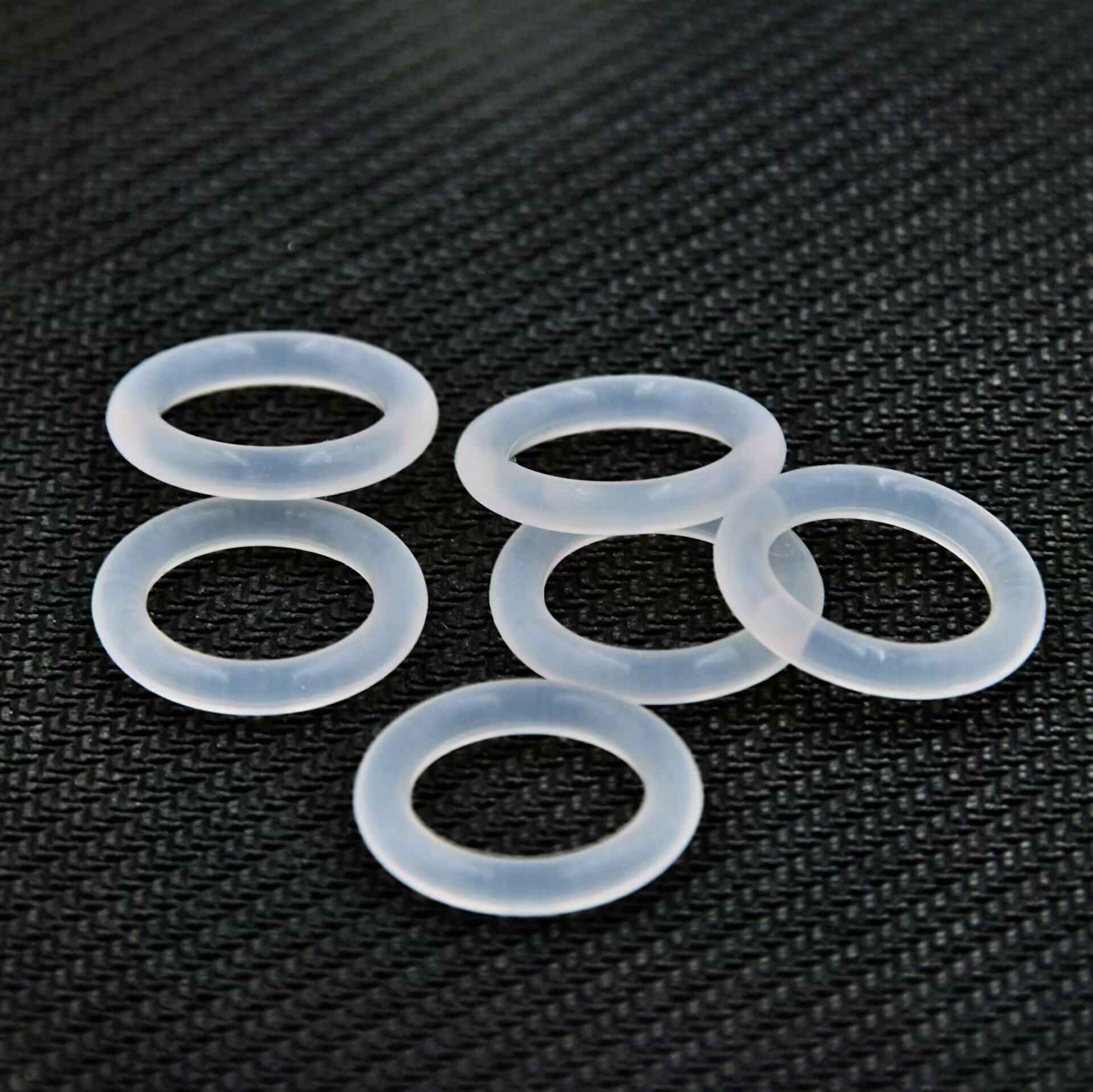
VMQ O-Rings are widely used due to the following outstanding properties of silicone rubber:
Exceptionally Wide Service Temperature Range: This is its most prominent advantage. Typically suitable for long-term use between -60°C to +225°C, with short-term exposure to even higher or lower temperatures possible.
Excellent Weather & Aging Resistance: Highly resistant to UV rays, ozone, rain, snow, and extreme weather conditions, preventing brittleness from aging.
Superior Chemical Stability: Resistant to weak acids, weak alkalis, alcohols, salt solutions, animal and vegetable oils, etc. Note: It has poor resistance to concentrated acids, strong alkalis, aromatic hydrocarbons, ketones, and certain solvents (e.g., gasoline).
Good Electrical Insulation: Maintains good insulating properties even in humid and high-temperature environments
Physiologically Inert: Non-toxic and odorless, complies with regulations like FDA for food contact and medical applications, suitable for high-hygiene sectors.
Gas Permeability: Permeability to gases (e.g., nitrogen, oxygen) is much higher than most organic rubbers, a characteristic to consider in certain sealing applications.
VMQ O-Rings are commonly used in sealing applications with special requirements for temperature, weather resistance, or hygiene:
Automotive Industry: High-temperature seals around engines, turbocharger systems, headlight seals, cooling systems for new energy vehicle batteries/electronic controls.
Household Appliances: Parts exposed to high-temperature steam in rice cookers, ovens, coffee makers, water dispensers, etc.
Food & Medical: Food processing equipment, medical devices, pharmaceutical packaging, baby bottles/pacifiers.
Aerospace: Seals in aircraft for high-altitude low-temperature and high-temperature conditions.
Lighting Industry: Seals for LED lights, outdoor lighting to prevent UV degradation.
Other Industries: Static sealing applications requiring long-term stability and aging resistance.
| Material Code | Material Name | Temp. Range (approx.) | Key Advantages | Key Disadvantages | Typical Applications |
|---|---|---|---|---|---|
| VMQ | Silicone Rubber | -60°C ~ +225°C | High/low temp resistance, weather resistance, non-toxic | Poor mechanical strength, poor oil resistance | Hot air/steam, food/medical, appliances |
| NBR | Nitrile Rubber | -30°C ~ +120°C | Good oil resistance, cost-effective | Poor ozone & high-temp resistance | Hydraulic oil, fuel systems (diesel) |
| FKM/FPM | Fluorocarbon Rubber | -20°C ~ +230°C | High temp, oil, & chemical resistance | Poor low-temp performance, expensive | Automotive fuel systems, chemical industry |
| EPDM | EPDM Rubber | -50°C ~ +150°C | Resistant to steam, ozone, weathering | Not resistant to mineral oils | Automotive cooling systems, plumbing, outdoor seals |

Welcome to HOVOO, a Chinese seal factory. Production of PU, Rubber and PTFE seals. The seals include O-ring, piston seal, rod seal, Gray ring and gas seal.


 EN
EN
 AR
AR CS
CS DA
DA NL
NL FI
FI FR
FR DE
DE EL
EL IT
IT JA
JA KO
KO NO
NO PL
PL PT
PT RO
RO RU
RU ES
ES SV
SV TL
TL IW
IW ID
ID LV
LV SR
SR SK
SK VI
VI HU
HU MT
MT TH
TH TR
TR FA
FA MS
MS GA
GA CY
CY IS
IS KA
KA UR
UR LA
LA TA
TA MY
MY