

 EN
EN
 AR
AR CS
CS DA
DA NL
NL FI
FI FR
FR DE
DE EL
EL IT
IT JA
JA KO
KO NO
NO PL
PL PT
PT RO
RO RU
RU ES
ES SV
SV TL
TL IW
IW ID
ID LV
LV SR
SR SK
SK VI
VI HU
HU MT
MT TH
TH TR
TR FA
FA MS
MS GA
GA CY
CY IS
IS KA
KA UR
UR LA
LA TA
TA MY
MY
Most site managers focus on blow frequency when comparing hydraulic rock drills. That number is easy to read on a spec sheet. What actually determines whether you hit your meters-per-shift target, though, is impact energy—and the two figures pull against each other in ways that catch purchasing teams off guard.
A short piston generates higher impact energy per blow, while a longer piston runs at higher frequency. In heavy duty mining applications—granite faces above 200 MPa, tunnel cross-sections where a misfire costs half a shift—getting that balance wrong is expensive. This article walks through what actually matters when specifying a heavy duty hydraulic rock drill for mining or tunneling work.
Impact Energy, Not Frequency, Drives Penetration Rate in Hard Rock
Research on percussive drill rigs confirms that propelling pressure and percussive pressure are the main factors affecting drilling rate—and crucially, higher percussive pressure is not always better. Pushing impact pressure past the optimum threshold reduces the rate-energy ratio: you consume more hydraulic flow for the same meters drilled.
A 20 kW hydraulic drifter operating in rock with 80–120 MPa compressive strength can reach 2 m/min under well-matched conditions. Push the same unit into granite at 250 MPa without adjusting feed force and rotation speed, and that figure drops fast. The drill rod starts to flex, the bit bounces, and energy that should be cracking rock is dissipating as heat and vibration in the steel.
Heavy duty models in the 18–25 kW power class are built specifically for hard rock: larger piston displacement, higher working pressure (typically 160–220 bar), and stabilizer geometry that keeps shank-to-piston contact consistent blow after blow.
Performance Comparison: Light, Medium, and Heavy Duty Rock Drills
Parameter |
Light Duty |
Medium Duty |
Heavy Duty |
Impact Power |
8–12 kW |
12–18 kW |
18–30+ kW |
Impact Energy |
50–150 J |
150–300 J |
300–700 J |
Blow Frequency |
2,200–3,000 bpm |
1,800–2,400 bpm |
1,500–2,100 bpm |
Hole Diameter |
38–64 mm |
64–102 mm |
89–178 mm |
Hydraulic Flow |
40–80 L/min |
80–150 L/min |
150–300+ L/min |
Typical Use |
Bolting, anchors |
Drifting, bench |
Production mining, tunnel face |
Note: Heavy duty drills operate at lower blow frequency than lighter units. That's not a limitation—it's a design trade-off that increases individual blow energy and improves stress wave transmission into hard formation.
Fewer Moving Parts, Longer Percussion Hours
Downtime between scheduled service intervals is the metric that separates equipment that looks good in a demo from equipment that works in a mine. Percussion modules built around two moving parts—piston and distributor sleeve, kept separate from the drill body—reduce the number of wear interfaces that can fail unexpectedly. That architecture is not new, but mines that have shifted to it report meaningful reductions in unplanned stops.
Operators targeting 500 percussion hours between major services need to track more than just oil changes. Unusual rock formations and fissured ground force the drill to work harder at off-nominal pressure settings, accelerating wear on guide sleeves and bearings. Rotation speed and torque adjustment based on actual face conditions—not a fixed parameter set—is standard practice at well-run sites.
Seal Integrity at 200 Bar: Where Leaks Kill Productivity
A single hydraulic seal failure in the percussion chamber doesn't just cause a leak. It changes the pressure differential that drives piston motion, which drops blow energy and makes each meter drilled slower and less predictable. At 160–220 bar operating pressure, seal kits rated for sustained temperatures above 90°C and dynamic cycling loads are not optional—they're what keeps percussion energy consistent across a 12-hour shift.
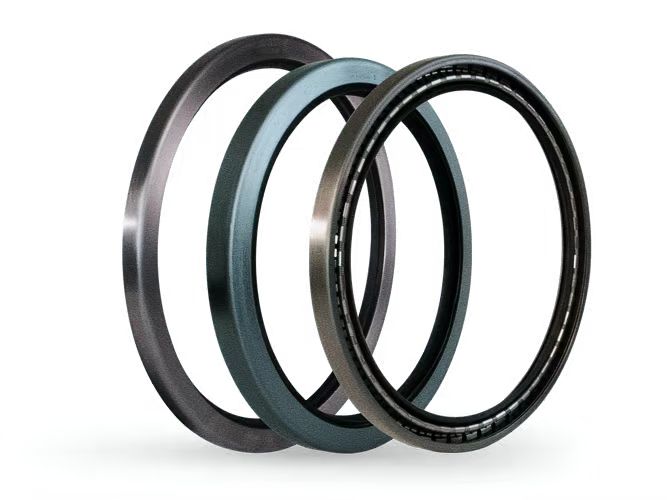
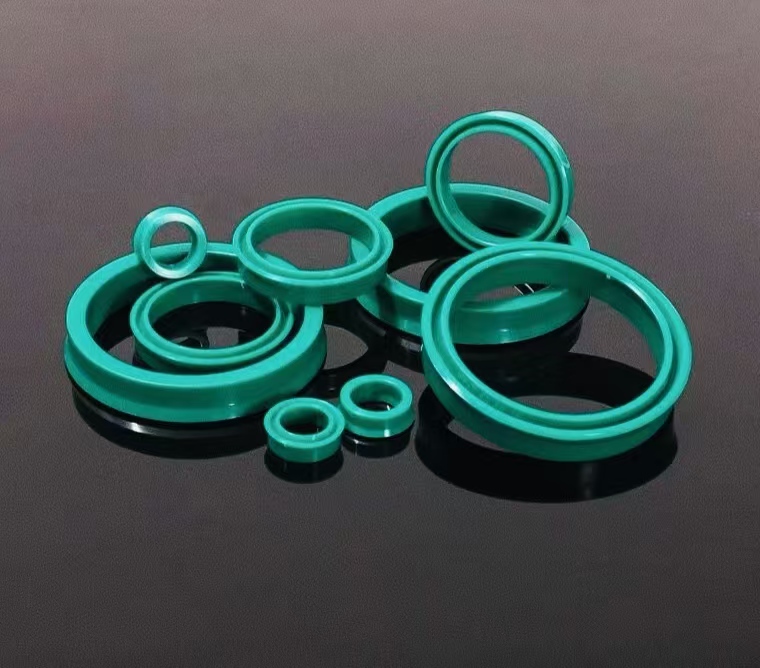
PU compound seals handle cyclic loading well in standard mining conditions. HNBR performs better where fluid temperature spikes are common. The right specification depends on the drill model, the hydraulic oil in use, and ambient temperature at the face. HOVOO supplies rock drill seal kits built to OEM dimensional standards and tested under cyclic hydraulic load—model-specific references are listed at hovooseal.com. Getting the seal wrong in a heavy duty unit means an oil change problem becomes a percussion problem.
Matching the Drill to the Face: Tunnel Construction vs. Open-Pit Mining
Tunnel work and open-pit bench drilling put different stresses on the same class of drill. In a tunnel, the machine operates in a confined heading—often under 5 m × 5 m—where heat builds up, exhaust accumulates, and drill rods up to 6 meters long must maintain hole alignment within fractions of a degree. A deviation of 2% over 4 meters generates overbreak that adds directly to shotcrete costs. Compact drill design and integrated flushing (water or air, depending on site water access) move from nice-to-have to mandatory.
Surface longhole applications tolerate a larger footprint but push hole depth—sometimes past 36 meters in a single pass. At that depth, drill rod geometry matters: T51 and GT60 rods transmit energy with lower loss than lighter thread profiles, and the stabilizer becomes the difference between a straight hole and a deviation that complicates the next blasting round.
Select by carrier weight (20–35 t class for most heavy duty units), available hydraulic flow and pressure on the carrier, hole diameter target, and formation hardness. A drill that's underpowered for the rock wastes consumables. One that's overpowered for the carrier never reaches its rated impact energy anyway.
Table of Contents
- Impact Energy, Not Frequency, Drives Penetration Rate in Hard Rock
- Performance Comparison: Light, Medium, and Heavy Duty Rock Drills
- Fewer Moving Parts, Longer Percussion Hours
- Seal Integrity at 200 Bar: Where Leaks Kill Productivity
- Matching the Drill to the Face: Tunnel Construction vs. Open-Pit Mining


