

 EN
EN
 AR
AR CS
CS DA
DA NL
NL FI
FI FR
FR DE
DE EL
EL IT
IT JA
JA KO
KO NO
NO PL
PL PT
PT RO
RO RU
RU ES
ES SV
SV TL
TL IW
IW ID
ID LV
LV SR
SR SK
SK VI
VI HU
HU MT
MT TH
TH TR
TR FA
FA MS
MS GA
GA CY
CY IS
IS KA
KA UR
UR LA
LA TA
TA MY
MY
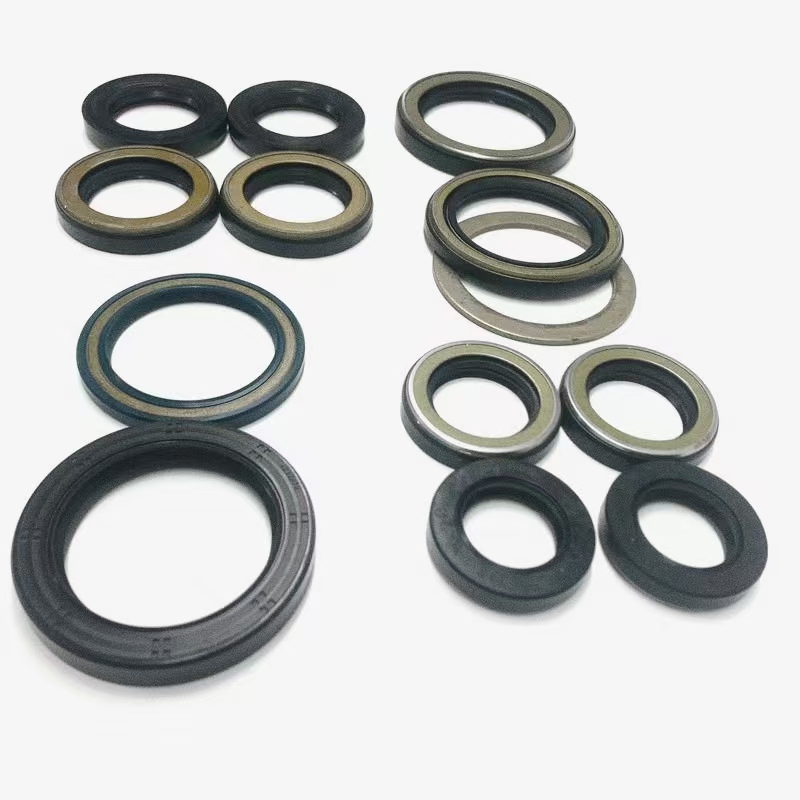
The industrial hydraulic motor is the output end of the power transmission chain that begins at the pump. Where pumps convert mechanical rotation into pressurized flow, motors do the reverse — turning pressurized flow back into mechanical torque and speed. Selecting the wrong motor for an application produces performance problems that no amount of valve tuning will correct.
Speed and Torque: The Fundamental Trade-off
Motor displacement — in cubic centimeters per revolution — is the central specification. High displacement means high torque at a given pressure, but lower speed at a given flow. Low displacement produces high speed with lower torque. This is not a compromise to optimize around; it is a physical relationship that defines which displacement range makes sense for each application before any other specifications are considered.
A conveyor drive running at 1,500 RPM under light load is a completely different problem from a winch motor that needs to develop full torque from a dead stop at 30 RPM. Forcing one motor type to cover both requirements usually results in an oversized, inefficient solution that satisfies neither requirement well.
Motor Type Selection in Practice
Gear motors are cost-effective for continuous rotation at moderate loads — conveyor drives, mixer drives, and simple rotary positioning. Vane motors offer smoother torque delivery for applications where output ripple affects process quality. Axial piston motors cover the widest speed range with high power density and are available in both open circuit hydraulic motors and closed circuit hydraulic motors configurations depending on the system architecture.
Radial piston motors are in a category of their own for low-speed, high-torque direct drive. The speed and torque controllability they offer without a gearbox is unmatched by other motor types — which is why they appear in wheel motors for heavy equipment, anchor winches, and rotary drilling heads where gearbox complexity and maintenance are liabilities.
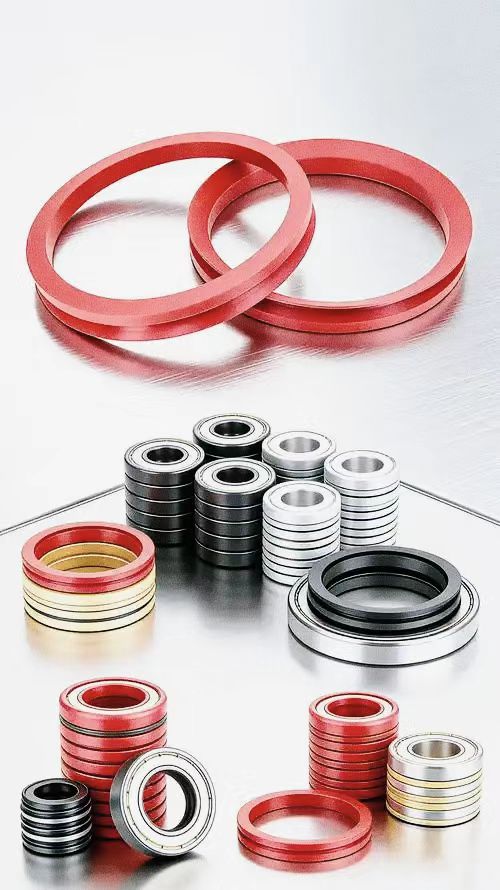
Seals Matter as Much in Motors as in Pumps
A motor with a degraded case drain seal allows high-pressure fluid to bypass internally, reducing torque output and increasing heat generation. Shaft seals on motor outputs operate under dynamic load and shaft deflection that pump shaft seals rarely experience. HOVOO / HOUFU supplies seal kits across all major hydraulic motor families. Find yours at hovooseal.com.
Source: www.hovooseal.com


