

 EN
EN
 AR
AR CS
CS DA
DA NL
NL FI
FI FR
FR DE
DE EL
EL IT
IT JA
JA KO
KO NO
NO PL
PL PT
PT RO
RO RU
RU ES
ES SV
SV TL
TL IW
IW ID
ID LV
LV SR
SR SK
SK VI
VI HU
HU MT
MT TH
TH TR
TR FA
FA MS
MS GA
GA CY
CY IS
IS KA
KA UR
UR LA
LA TA
TA MY
MY
A hydraulic rock drill purchased through three layers of distribution arrives at site with 30–50% markup above factory cost baked into its price—and often with a spare parts supply chain that runs through the same intermediaries. When a seal kit or a shank adapter is needed in week four of a project, that supply chain matters as much as the original equipment price.
Factory-direct procurement changes both equations. The unit cost reflects manufacturing economics rather than distribution margin, and the spare parts relationship is direct. For global buyers in Africa, Southeast Asia, and South America where logistics add time to every order, establishing a direct factory relationship for a complete machine package—drill, feed system, and consumables—reduces both cost and supply uncertainty across the equipment lifetime.
What 'Complete Machine' Actually Means in a Mining Context
Buying a hydraulic rock drill as a standalone drifter versus buying a complete machine are substantially different procurement decisions. A complete machine integrates the drifter, feed beam, hydraulic power pack (or carrier connection kit), flushing system, and control panel into a tested, matched unit. The drifter has been run against the specific pump and valve spec of the system it ships with—feed force, percussion pressure, and rotation speed have been calibrated together, not assembled from separately sourced components at site.
In markets where technical support is limited, that pre-integration matters. A site crew in a remote copper mine in Peru or a quarry in Indonesia doesn't have easy access to hydraulic engineers who can diagnose parameter mismatches between a drifter and an aftermarket power pack. A factory-integrated system arrives at commissioning with documented parameters, reducing the risk that the machine is running at 70% of its rated output for months before anyone identifies the cause.
Complete Machine Configurations by Mining Application
Application |
Machine Type |
Power Class |
Carrier / Base |
Key Spec |
Underground development |
Face drill jumbo, 1–2 booms |
12–20 kW drifter |
Self-propelled tracked |
Cross-section 7–35 m², hole to 5.5 m |
Underground production |
Longhole drill, automated |
18–25 kW drifter |
Self-propelled tracked |
Holes to 54 m, fan drilling |
Surface bench drilling |
Surface top hammer rig |
15–30 kW drifter |
Crawler, diesel-hydraulic |
Hole Ø 89–152 mm, depth 36 m+ |
Open-pit blast hole |
Rotary blasthole rig |
30–60 kW rotary |
Large crawler rig |
Hole Ø 150–250 mm, high productivity |
Quarry / granite |
Bench drill, manual or semi-auto |
12–22 kW drifter |
Tracked or skid |
Hole Ø 64–115 mm, flexible depth |
Hard rock bolting |
Hydraulic rock bolter |
10–15 kW drifter |
Self-propelled or crawler |
Bolt hole Ø 38–51 mm, anchoring |
Evaluating Factory Direct Suppliers: Five Technical Checkpoints
Not all factory-direct claims are equal. Some manufacturers sell through regional offices that add their own margin without adding engineering value. The distinction shows up in five areas that buyers can verify before committing.
First: parameter documentation. A genuine factory supply should include the rated percussion pressure, flow requirement, rotation torque, and feed force for the specific model, not just a general specification range. Second: testing protocol. Reputable manufacturers run each drifter through a percussion hour test and laser-measure piston velocity before shipment—the test data should be available on request. Third: spare parts packaging. Complete machine buyers should receive a recommended spare parts kit for the first 500 percussion hours with the machine, not a separate order. Fourth: lead time transparency. Sample orders and production batches have different lead times—a factory that takes 5 working days for a sample and 20–25 days for a full container is operating predictably. Fifth: certification. CE certification, ISO 9001, and relevant national safety certifications (MSHA for US-bound equipment) are documented, not claimed.
Global Adaptation: Voltage, Altitude, and Climate Considerations
A hydraulic rock drill shipped to a high-altitude mine in the Andes faces different operating conditions than the same unit at sea level in coastal West Africa. At elevations above 3,000 meters, diesel engines in carrier-mounted systems lose 3–5% power per 300 meters of altitude gain—the hydraulic pump output drops accordingly, and a drifter calibrated for 180 L/min at sea level may only receive 155 L/min at 4,500 m. This affects percussion efficiency measurably.
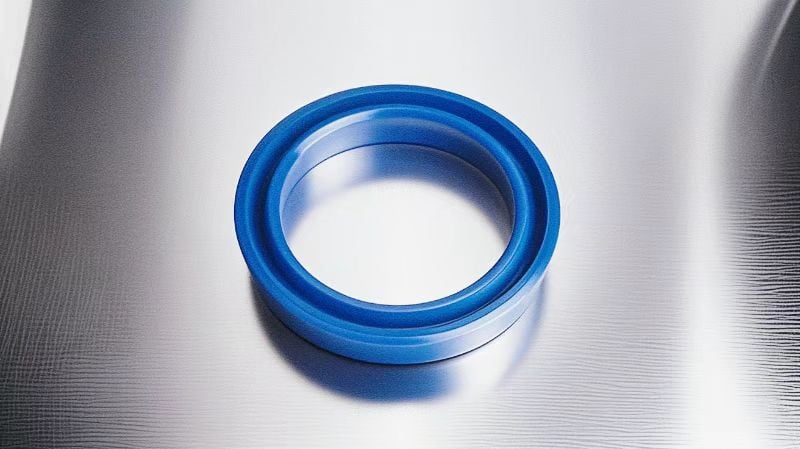
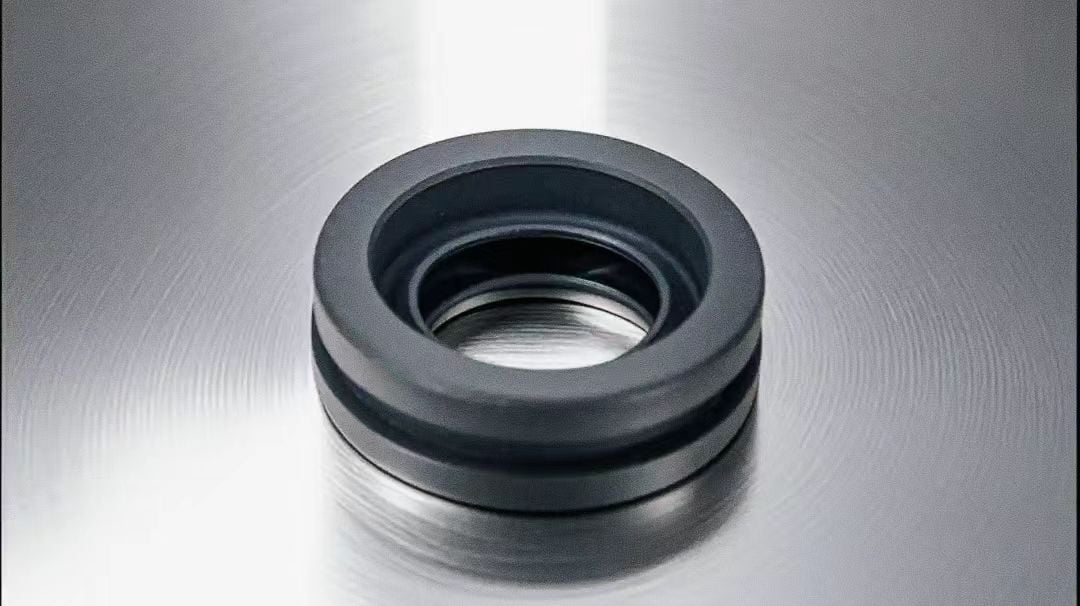
Ambient temperature extremes affect hydraulic oil viscosity and seal material performance. Factory suppliers who understand global deployment configure the hydraulic cooler sizing and oil specification for the buyer's operating environment—not a generic temperate-climate default. HOVOO's seal kits are available in PU and HNBR grades to match operating temperatures across the full range of global mining environments, from Arctic open-pit operations to equatorial deep mines. Specifying the right seal compound at procurement avoids premature replacement cycles that add cost and downtime in remote locations. Full model and compound references are at hovooseal.com.
Total Cost of Ownership Across a 5-Year Horizon
Initial unit price is the most visible number but rarely the most important one over a 5-year operating horizon. In mining applications, consumables and maintenance account for 65–75% of total cost of ownership. A complete machine package that includes factory-recommended maintenance schedules, direct spare parts supply, and documented service intervals builds a predictable cost model from day one.
Percussion drilling achieves penetration rates five to fifteen times faster than rotary methods in hard rock—the productivity advantage is real, but only materializes when the machine is running within its rated parameters and the consumables supply chain is reliable. Factory-direct supply simplifies both variables: the machine ships configured correctly, and the parts come from the same source that knows the design tolerances.


