

 EN
EN
 AR
AR CS
CS DA
DA NL
NL FI
FI FR
FR DE
DE EL
EL IT
IT JA
JA KO
KO NO
NO PL
PL PT
PT RO
RO RU
RU ES
ES SV
SV TL
TL IW
IW ID
ID LV
LV SR
SR SK
SK VI
VI HU
HU MT
MT TH
TH TR
TR FA
FA MS
MS GA
GA CY
CY IS
IS KA
KA UR
UR LA
LA TA
TA MY
MY
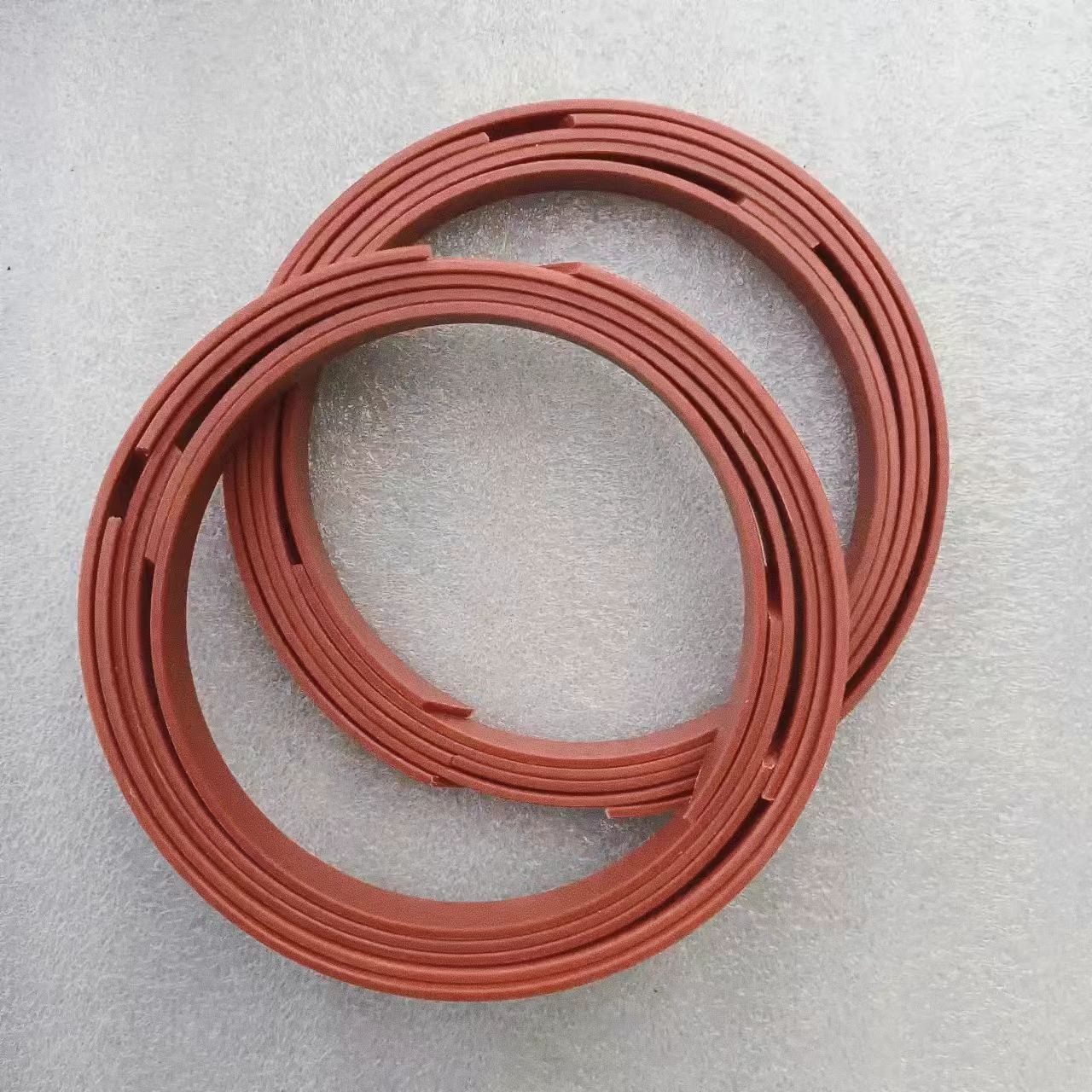
Both tools hit rock with hydraulic power. Both mount on excavators. Both appear in specifications under the general category of 'hydraulic rock breaking equipment.' Beyond those surface similarities, a rock drill and a hydraulic breaker are built for fundamentally different tasks, and putting the wrong one on a job doesn't produce a slower version of the right result—it produces an equipment failure, a ruined face, or a project that runs at 20% of its planned productivity.
The confusion is partly linguistic. 'Rock drill' gets used informally to mean anything that breaks rock hydraulically. Technically, a rock drill (or drifter) is a rotary-percussive tool that creates a cylindrical borehole—it drills a hole for a specific purpose: blasting, anchoring, exploration, or geotechnical sampling. A hydraulic breaker is a purely percussive tool with no rotation and no flushing circuit—it fractures material at the surface without creating a defined hole. The outputs are completely different, and so are the applications.
The Core Mechanical Difference: Rotation + Flushing vs. Impact Only
A hydraulic rock drill operates through three simultaneous functions: percussion (the piston striking the shank), rotation (the motor turning the bit between blows), and flushing (water or air clearing cuttings from the bore). These three functions working together are what creates a clean, cylindrical hole. Remove any one of them and the hole either doesn't form, fills with rock powder and jams, or deviates from its intended geometry.
A hydraulic breaker operates through percussion alone. The chisel or moil point transmits impact energy directly to the rock surface, creating fractures that propagate outward from the contact point. There is no rotation, no flushing circuit, no borehole to maintain. The result is fragmented rock—useful for demolition, secondary breaking of boulders, concrete removal—but not a hole you can load with explosive or thread a bolt through.
Blank firing is the hydraulic breaker's primary failure mode: operating the hammer when the tool is not in firm contact with the material sends the full impact wave back into the breaker housing instead of the rock. That reflected energy fatigues tie rods, stresses the piston, and causes housing damage within hours. Rock drills have a different vulnerability—flushing circuit failure that allows cuttings to compact around the bit, jamming rotation and potentially breaking the drill rod under combined torque and impact load.
Side-by-Side Comparison
Parameter |
Hydraulic Rock Drill (Drifter) |
Hydraulic Breaker |
Primary output |
Cylindrical borehole |
Fragmented rock / demolition |
Operating mechanism |
Percussion + rotation + flushing |
Percussion only (no rotation) |
Tool bit |
Button bit on drill rod (threaded) |
Chisel, moil, or blunt point |
Flushing circuit |
Required (water or air) |
None |
Blank-fire protection |
Anti-jam function; bit stays in rock |
Critical; blank firing causes rapid housing failure |
Primary applications |
Blast holes, anchor holes, tunnel face, exploration |
Demolition, secondary breaking, concrete removal |
Carrier sizing |
12–50 t depending on drifter class |
~10% of carrier weight is standard guideline |
Seal maintenance |
Percussion circuit + flushing box seals |
Percussion piston + accumulator diaphragm |
Depth capability |
Top hammer to 30 m; DTH to 60 m+ |
Surface contact only |
Applications Where Only One Tool Works
Blast hole drilling requires a rock drill. Full stop. A hydraulic breaker cannot create a hole at the required diameter, depth, and geometry for loading explosives. A 5-meter blast hole at 64 mm diameter in granite—the standard specification for a quarry bench round—can only be drilled with a percussive-rotary tool running appropriate flushing. A breaker applied to that face will fracture the surface irregularly and consume far more time per cubic meter removed than a correctly specified drill.
Conversely, secondary breaking of oversize boulders after blasting is a job for the hydraulic breaker. The boulders already exist as fragmented material; they need to be reduced further for transport. Running a rock drill into a free-standing boulder accomplishes nothing useful—there's no confined face for the percussion energy to work against, the rotation motor fights an unstable geometry, and the drill rod can snap under eccentric loading. The breaker's impact-only mechanism handles that task efficiently.
Urban demolition near existing structures is a special case. Both tools generate vibration—but breakers generate higher peak vibration amplitude at lower frequency, which travels further through soil and building foundations. Rock drills at percussion frequencies of 30–60 Hz produce higher frequency, lower amplitude vibration. In some proximity-to-structure situations, the higher-frequency, lower-amplitude vibration profile of a rock drill is less damaging to adjacent buildings than the slower, heavier impacts of a breaker, even at equivalent energy per blow.
The Tunnel Excavation Combination: When Both Tools Appear on the Same Site
Tunnel faces using drill-and-blast sequences need both. The face drilling jumbo uses hydraulic rock drills to create the blast pattern holes—central slot holes at 64–127 mm for the cut, perimeter holes at 43–51 mm for the profile. After blasting, oversized boulders in the muck pile and tight corners at the tunnel invert that didn't break cleanly get addressed with a hydraulic breaker mounted on a separate excavator. The 2021 Chongqing tunnel project that combined rock saw cutting with breaker fragmentation reported 4–5 meters per day advance in hard rock, far higher than conventional excavation—but that combination works precisely because each tool was applied to the task it was designed for.
Seal Kit Considerations for Each Tool
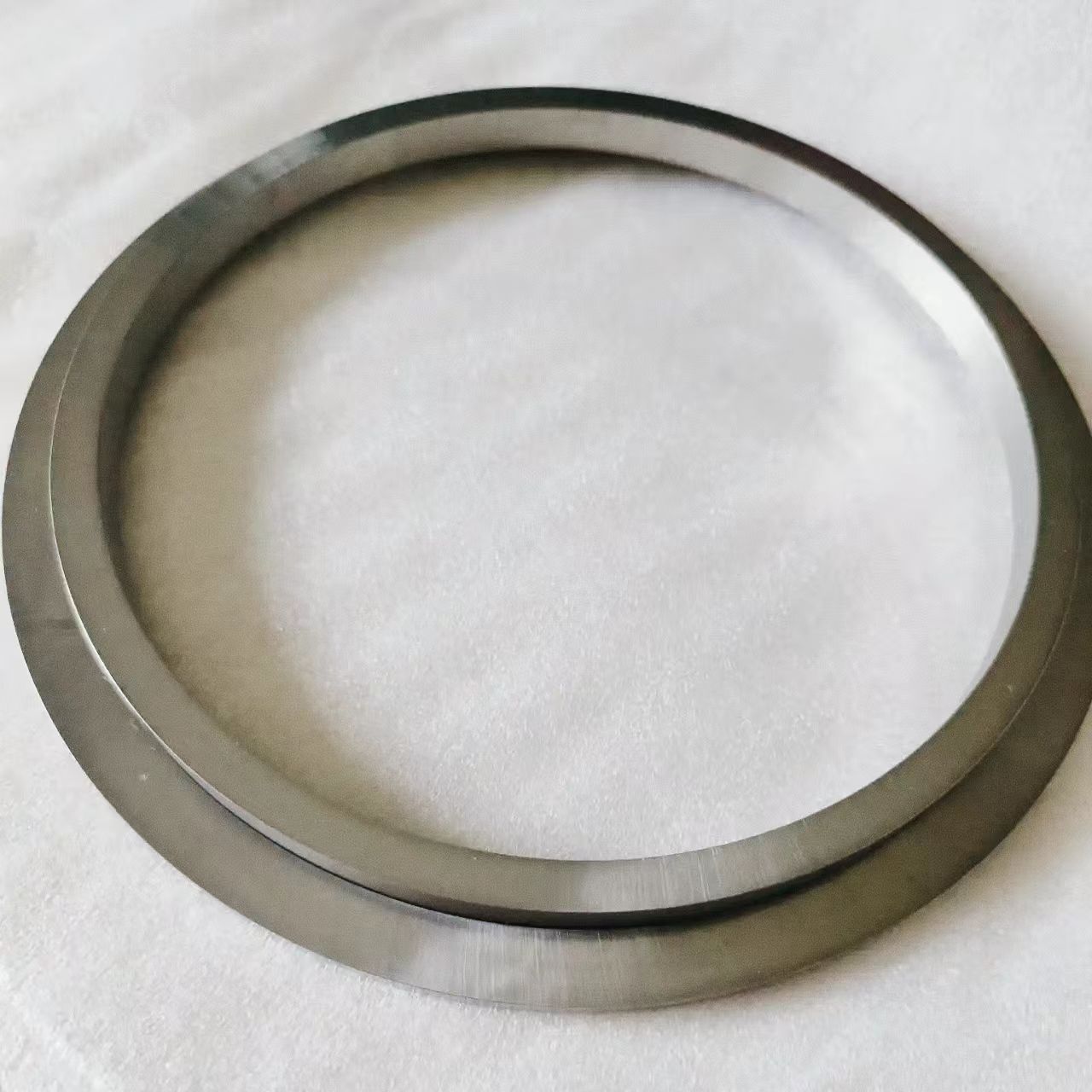
Rock drill seal maintenance involves two separate circuits that wear at different rates: the percussion piston seals cycling at 30–60 Hz under 160–220 bar, and the flushing box seals exposed to abrasive cuttings-laden water. Both need matching to OEM bore dimensions and elastomer compounds appropriate to the operating temperature and water chemistry.
Hydraulic breaker seal kits center on the percussion chamber O-rings and the accumulator diaphragm—the nitrogen-charged component that buffers each blow. Diaphragm failure produces the same hoarse percussion sound as a rock drill accumulator fault, and the repair logic is similar: check nitrogen pre-charge before condemning the diaphragm. HOVOO supplies seal kits for both rock drills (Epiroc, Sandvik, Furukawa, Montabert models) and hydraulic breakers across major brands. Model references at hovooseal.com.


