33-99No. Mufu E Rd. Gulou District, Nanjing, China [email protected] | [email protected]
33-99No. Mufu E Rd. Gulou District, Nanjing, China [email protected] | [email protected]
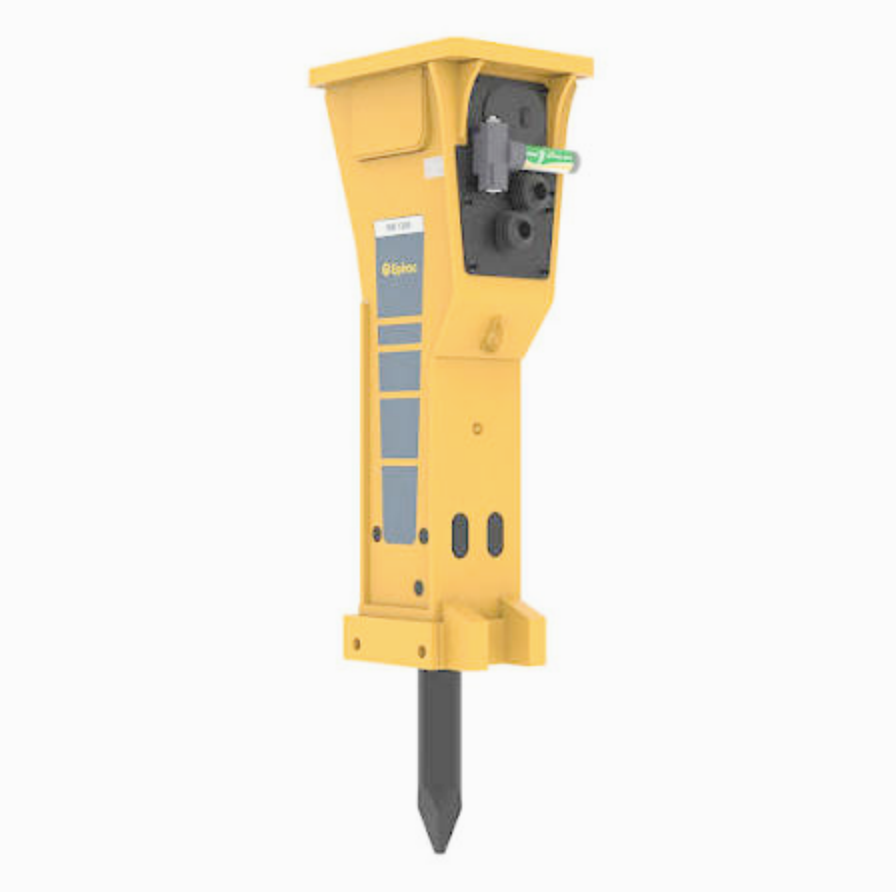
For large-scale open-pit mining, hard rock quarrying and heavy-duty rock excavation projects, equipment durability and stable high-pressure operation determine overall production throughput and operational profitability. The Epiroc MB1200, MB1700, HB...
VIEW MORE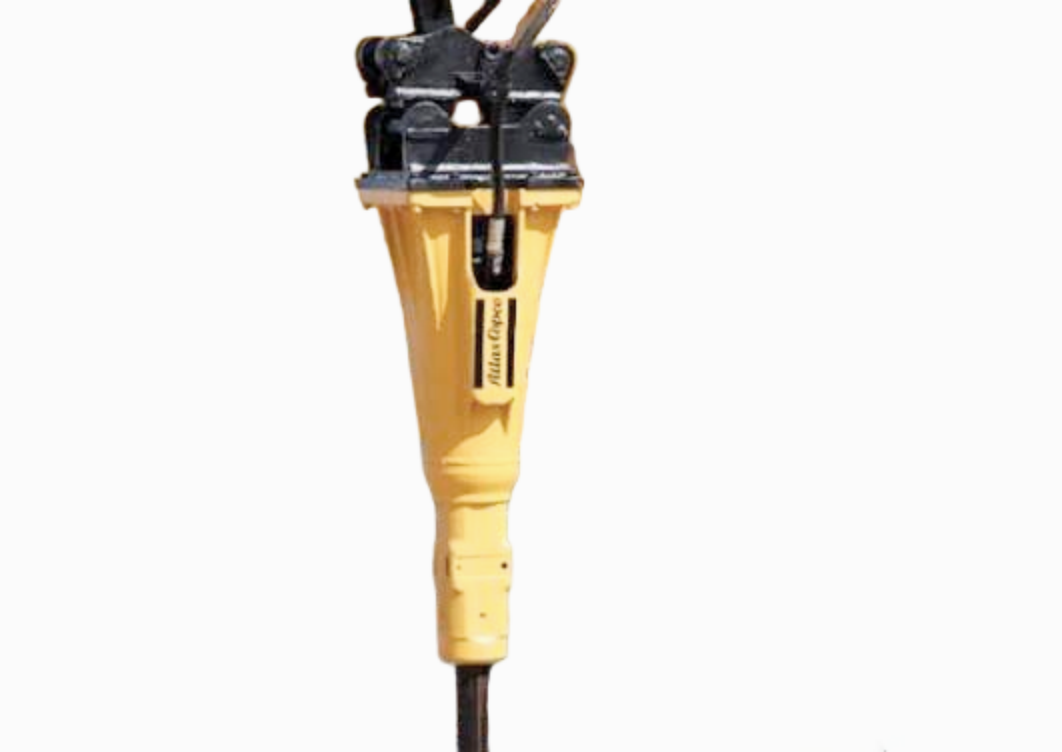
Modern urban construction and municipal renovation projects demand efficient, low-disturbance demolition solutions that balance powerful breaking performance with environmental friendliness. The Epiroc TEX75, TEX250, SB450, SBC610 and SBC650 hydrauli...
VIEW MORE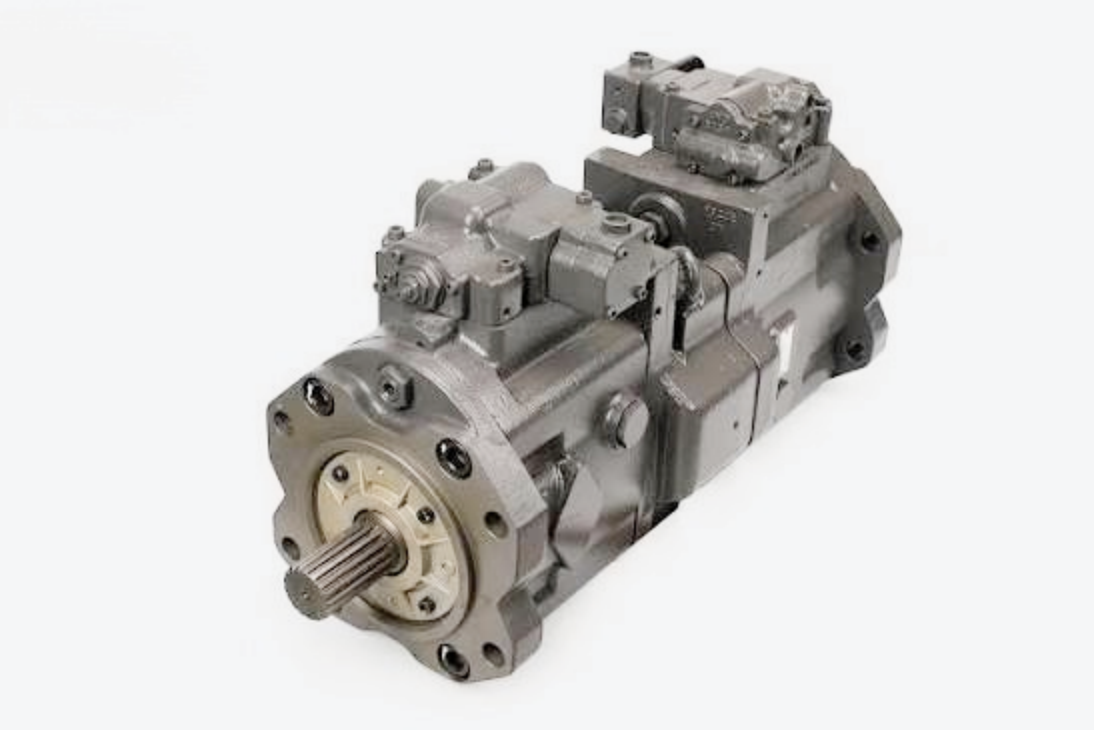
Agricultural and construction equipment share a hydraulic pump challenge that almost no other industry faces: peak demand that's 4–6× higher than average demand, variable prime mover speed (engine speed ranges from 800 to 2,200 RPM depend...
VIEW MORE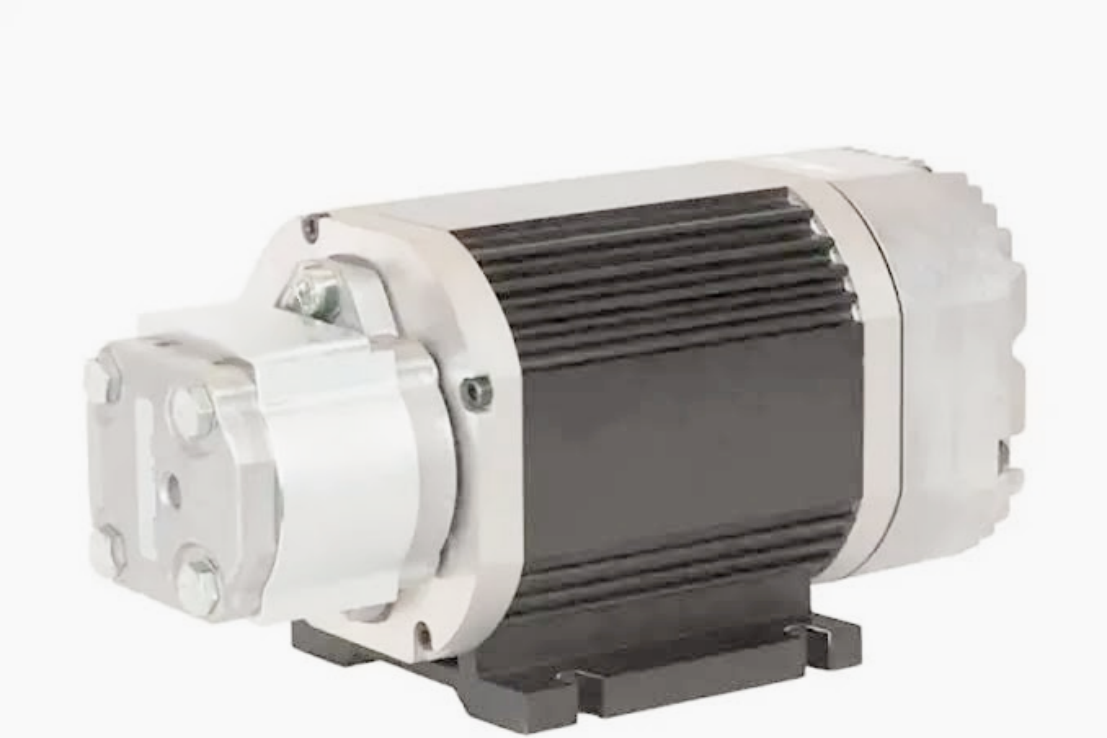
Three structural forces are reshaping hydraulic pump technology through 2026 and beyond: electrification of the prime mover, digitalization of pump control, and tightening non-road emissions standards across the US, EU, China, and India simultaneousl...
VIEW MORE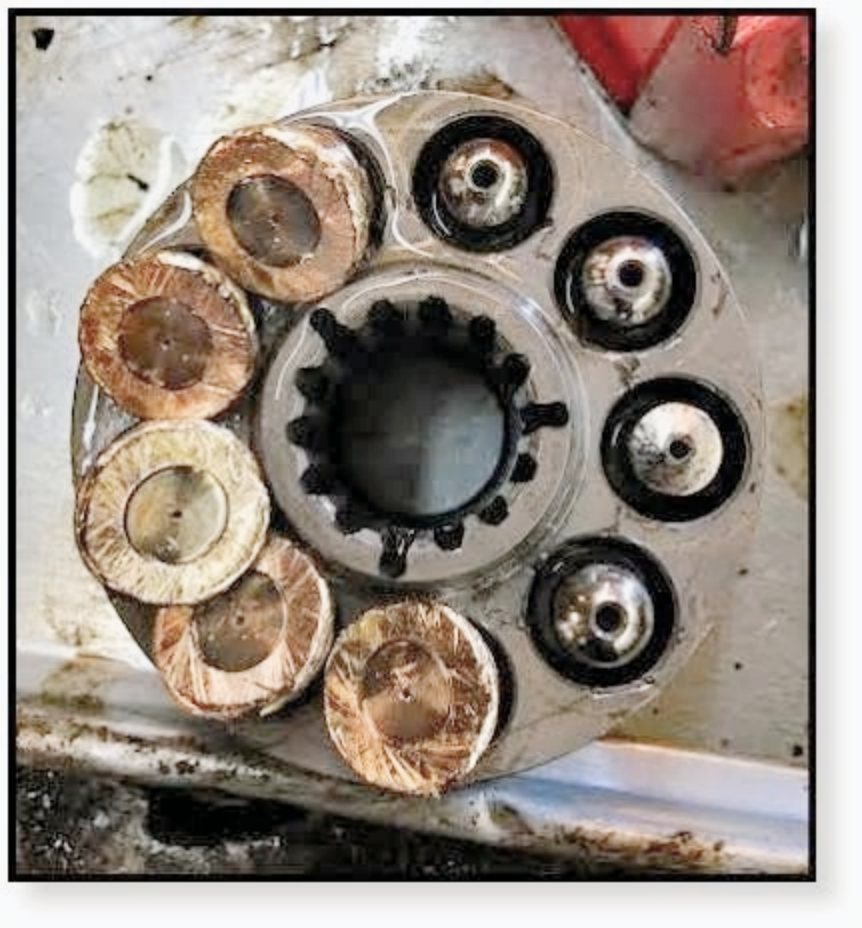
Hydraulic pump failures in the field almost always announce themselves 80–200 hours before they produce a breakdown — through noise, temperature, pressure, or oil condition changes that a structured inspection protocol catches. The proble...
VIEW MORE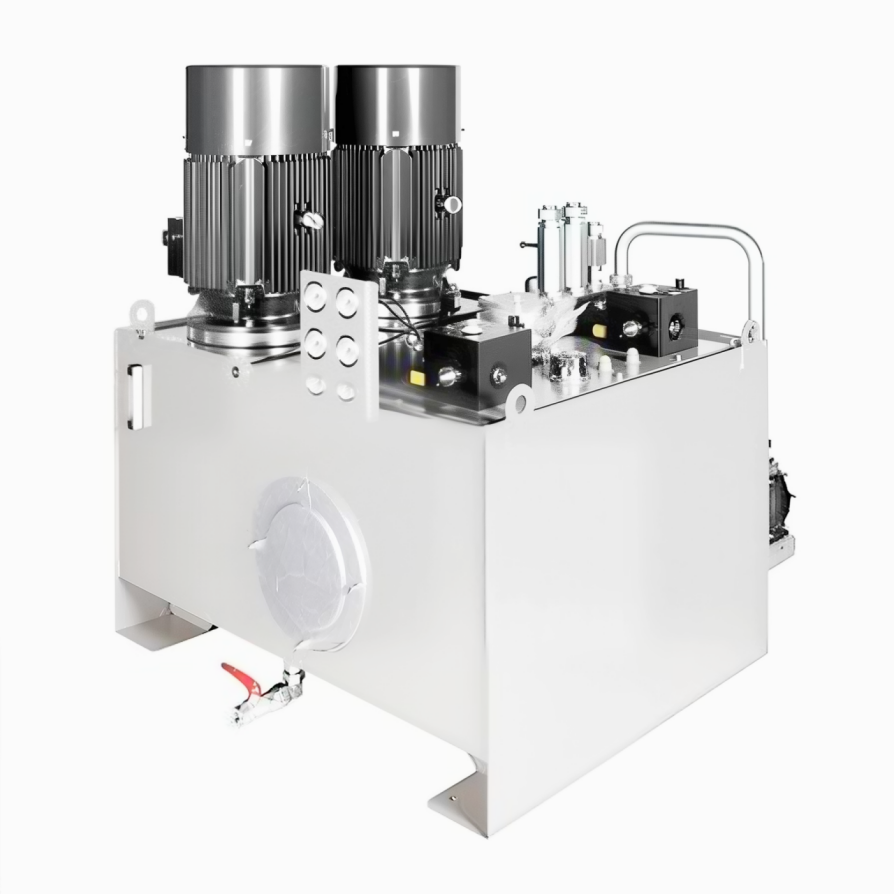
Standard catalog pump specifications cover 75–80% of hydraulic applications. The remaining 20–25% — defense vehicles, offshore winches, specialized agricultural implements, subsea systems, custom industrial machines — have dut...
VIEW MORE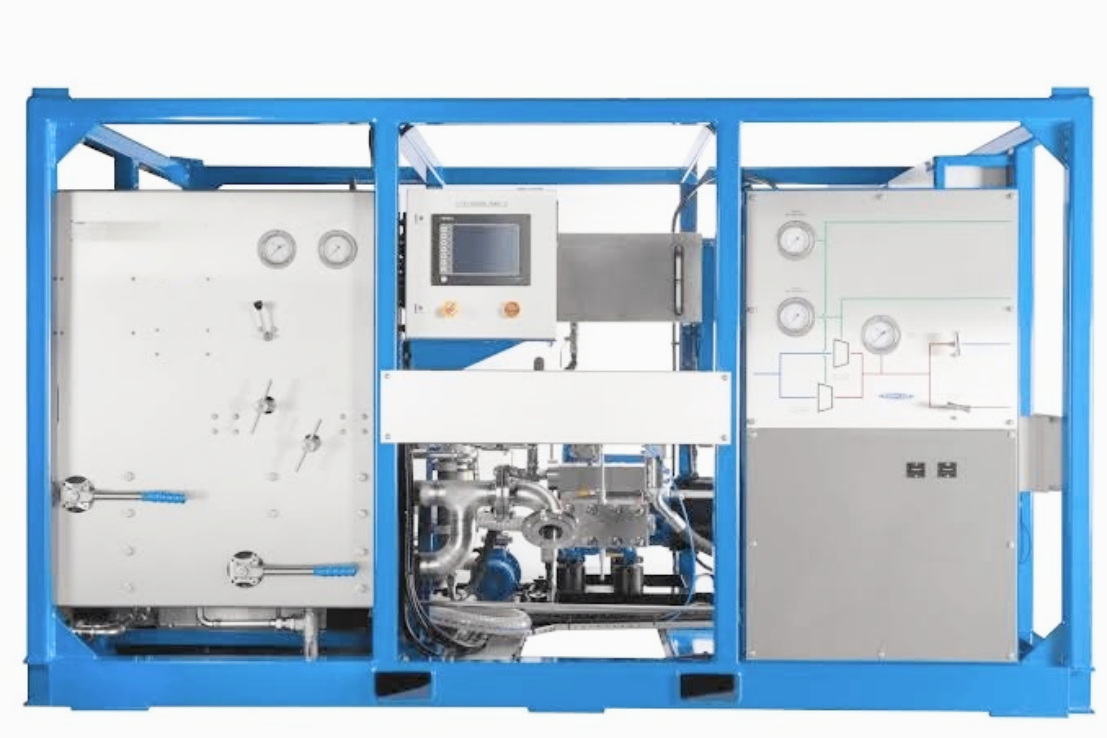
Power density — kilowatts of hydraulic output per kilogram of pump mass — has increased 340% in axial piston hydraulic pumps over the past 30 years. A Danfoss H1 pump producing 180 kW of hydraulic power weighs 28 kg and fits in a 31...
VIEW MORE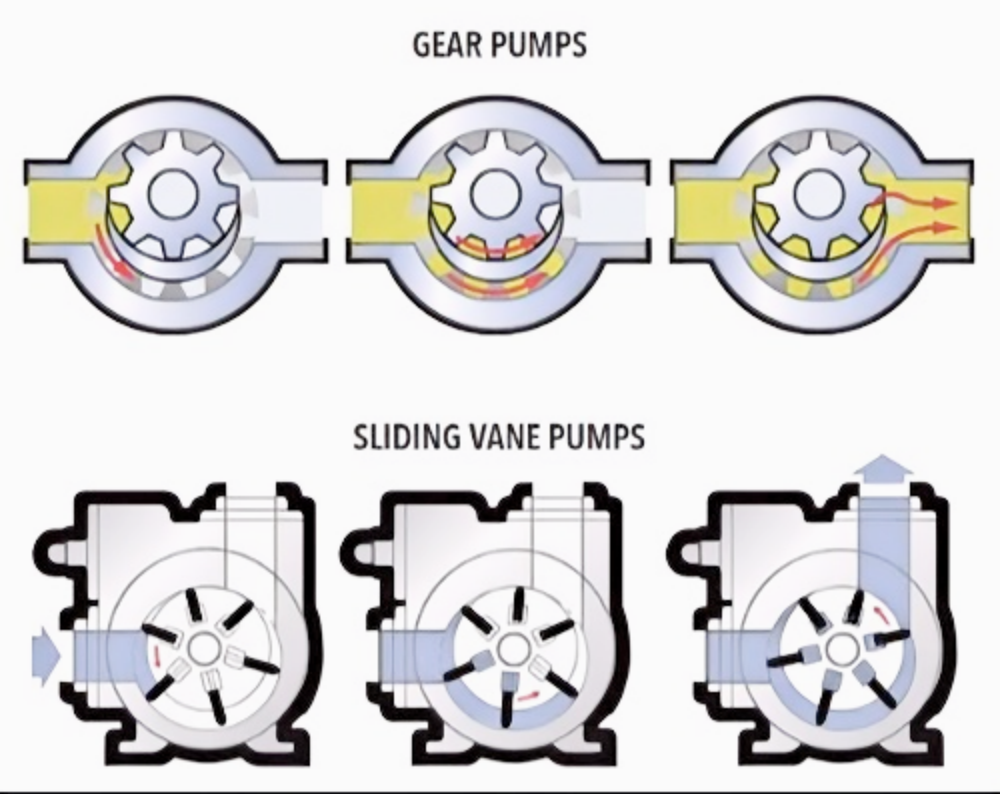
Three pump mechanisms — gear, vane, and piston — cover 96% of hydraulic pump applications in mobile and industrial equipment. Each generates flow through a different positive displacement principle, and each has a specific pressure and ef...
VIEW MORE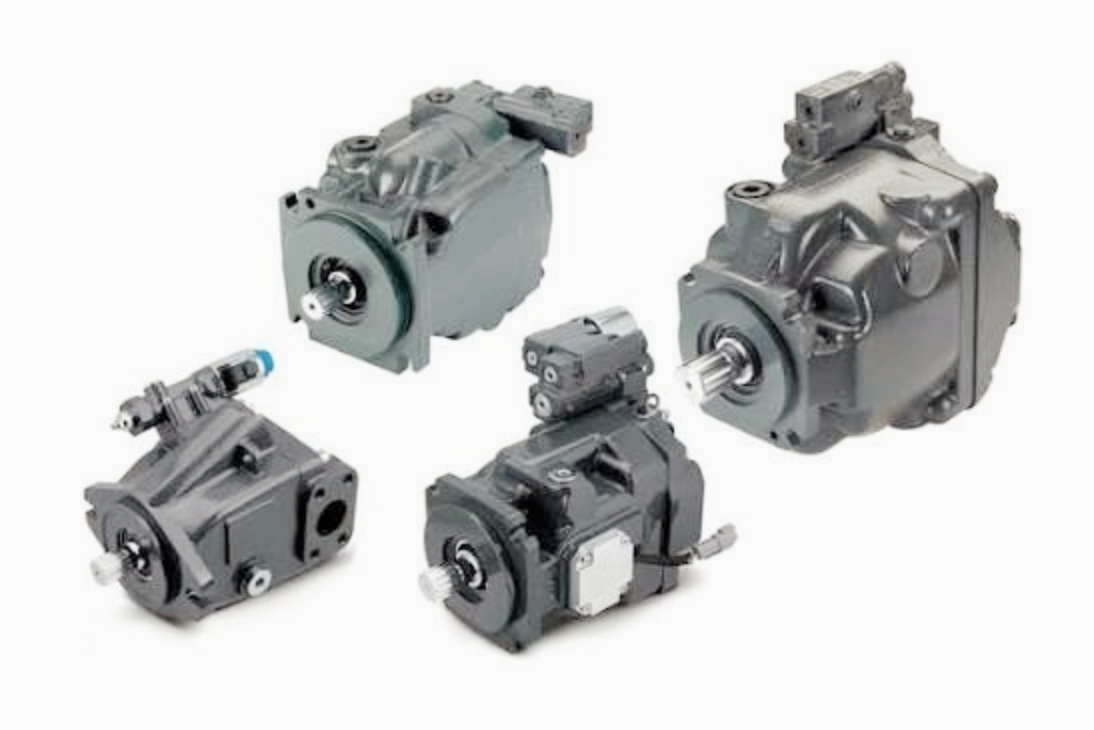
Five parameters determine hydraulic pump selection, and skipping any one of them produces a specification that works until it doesn't — then fails in a way that's expensive to trace back to the original selection error. The five: required flow ...
VIEW MORE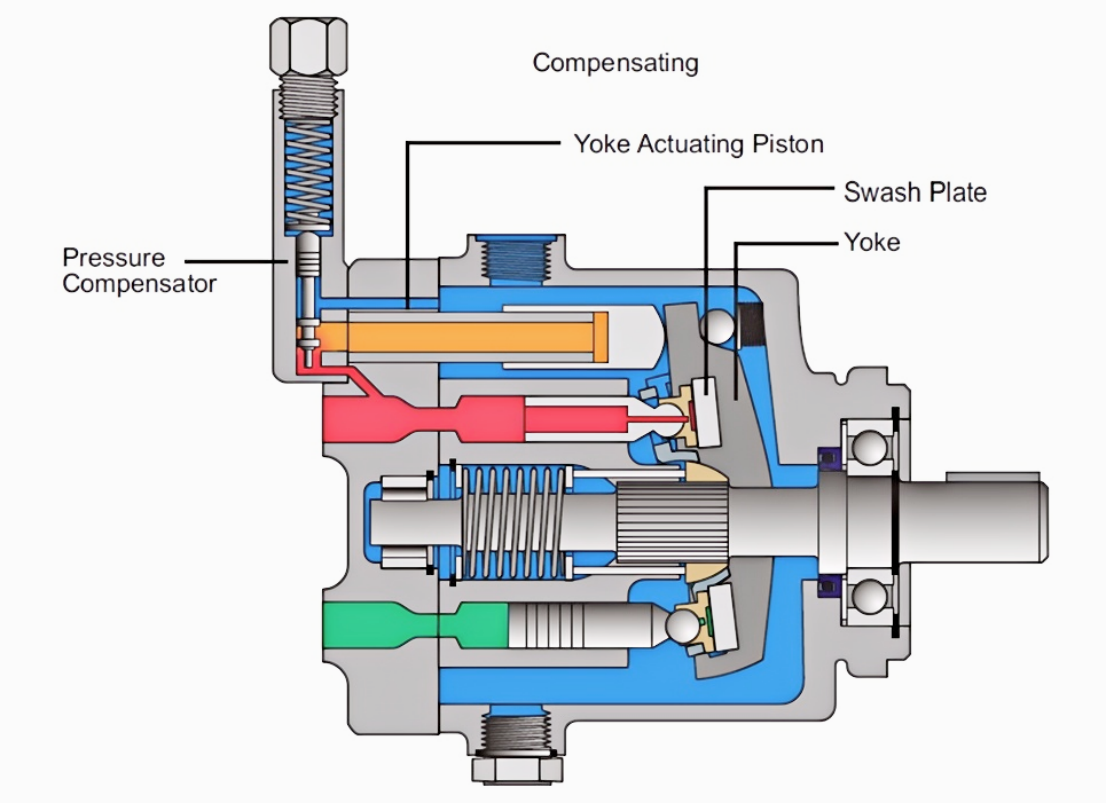
The energy comparison between fixed and variable displacement pumps only makes sense when you specify the duty cycle — the percentage of time the machine operates at full load versus partial load. At 100% load factor, a high-quality fixed pisto...
VIEW MORE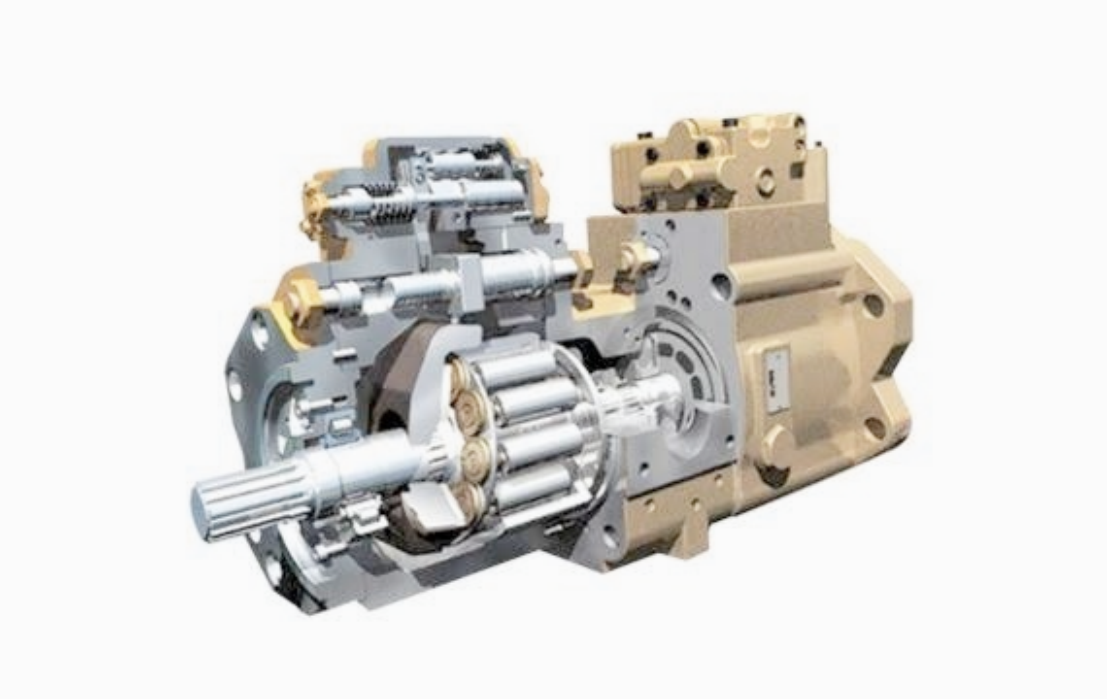
The terminology collision between 'hydrostatic pump' and 'variable displacement pump' causes more procurement errors than almost any other hydraulic specification question. A hydrostatic pump is defined by its transmission function — it convert...
VIEW MORE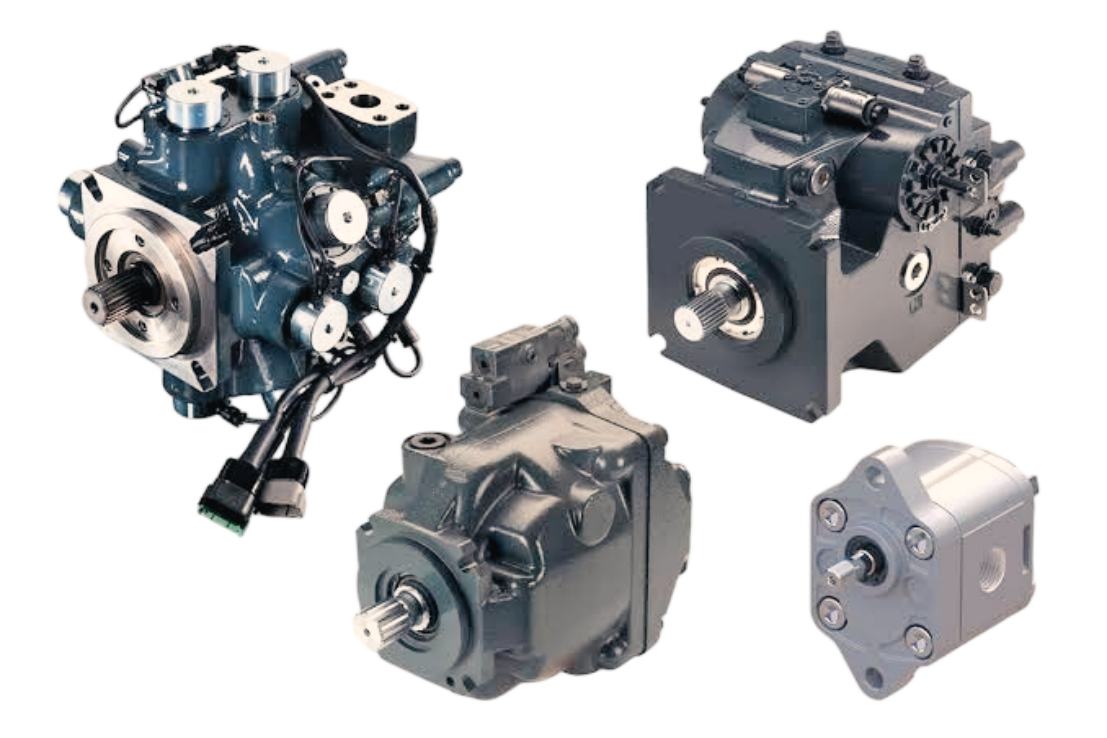
Running a hydraulic pump at full displacement when the load demands 40% is the industrial equivalent of leaving every light in a factory on overnight — except the electricity bill arrives in fuel consumption, CO₂ certificates, and accelerated c...
VIEW MORE
Welcome to HOVOO, a Chinese seal factory. Production of PU, Rubber and PTFE seals. The seals include O-ring, piston seal, rod seal, Gray ring and gas seal.


 EN
 AR
 CS
 DA
 NL
 FI
 FR
 DE
 EL
 IT
 JA
 KO
 NO
 PL
 PT
 RO
 RU
 ES
 SV
 TL
 IW
 ID
 LV
 SR
 SK
 VI
 HU
 MT
 TH
 TR
 FA
 MS
 GA
 CY
 IS
 KA
 UR
 LA
 TA
 MY

