33-99No. Mufu E Rd. Gulou District, Nanjing, China [email protected] | [email protected]
33-99No. Mufu E Rd. Gulou District, Nanjing, China [email protected] | [email protected]

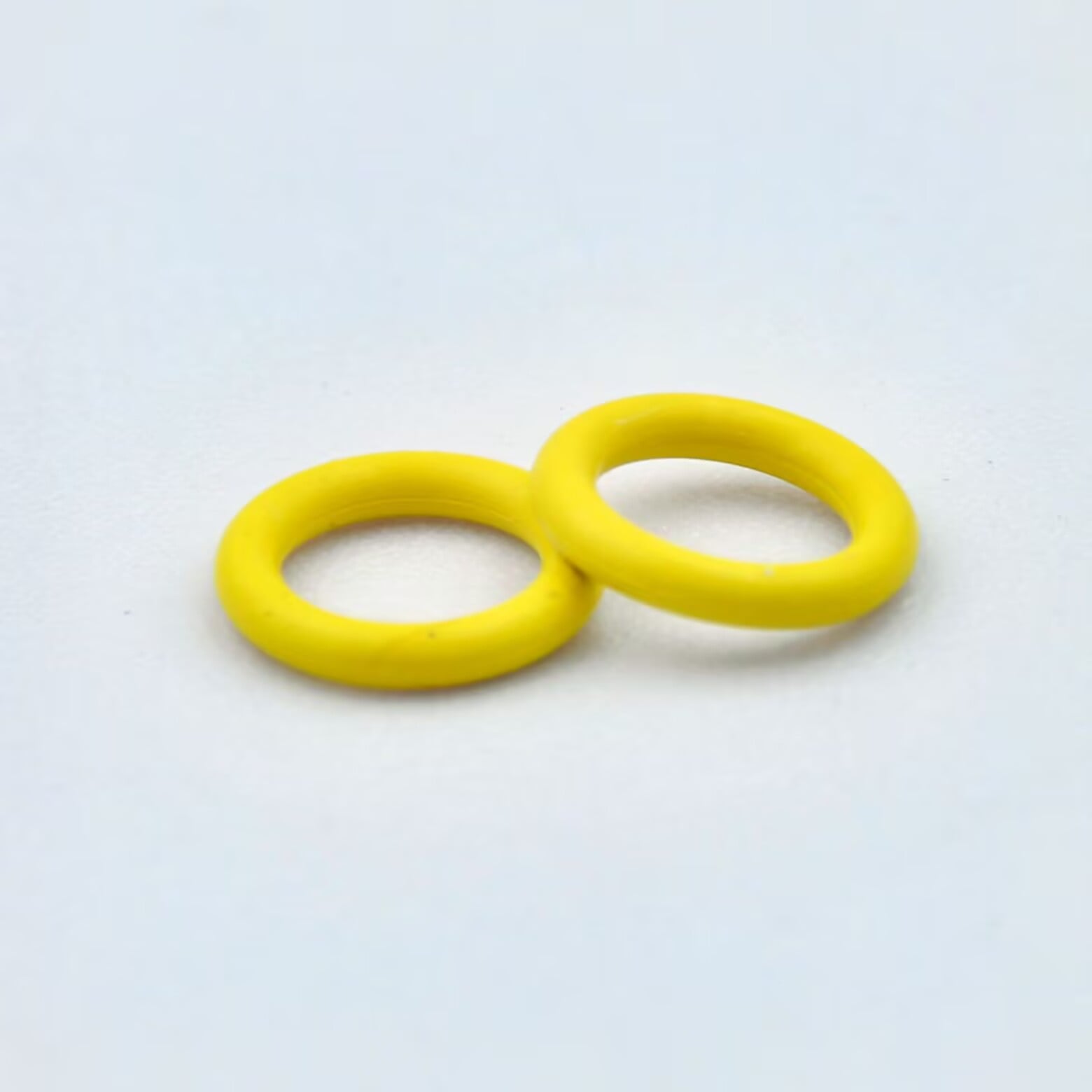
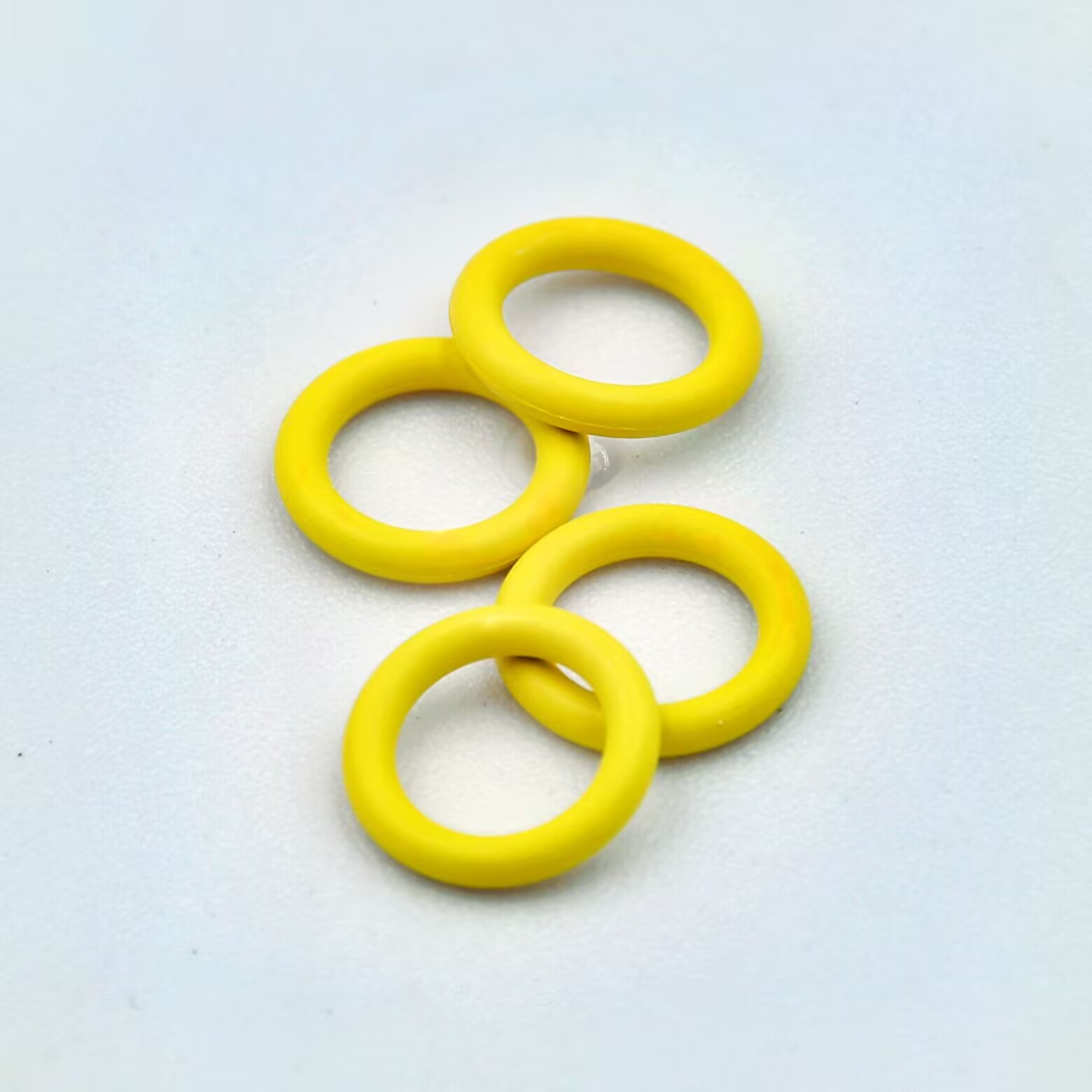
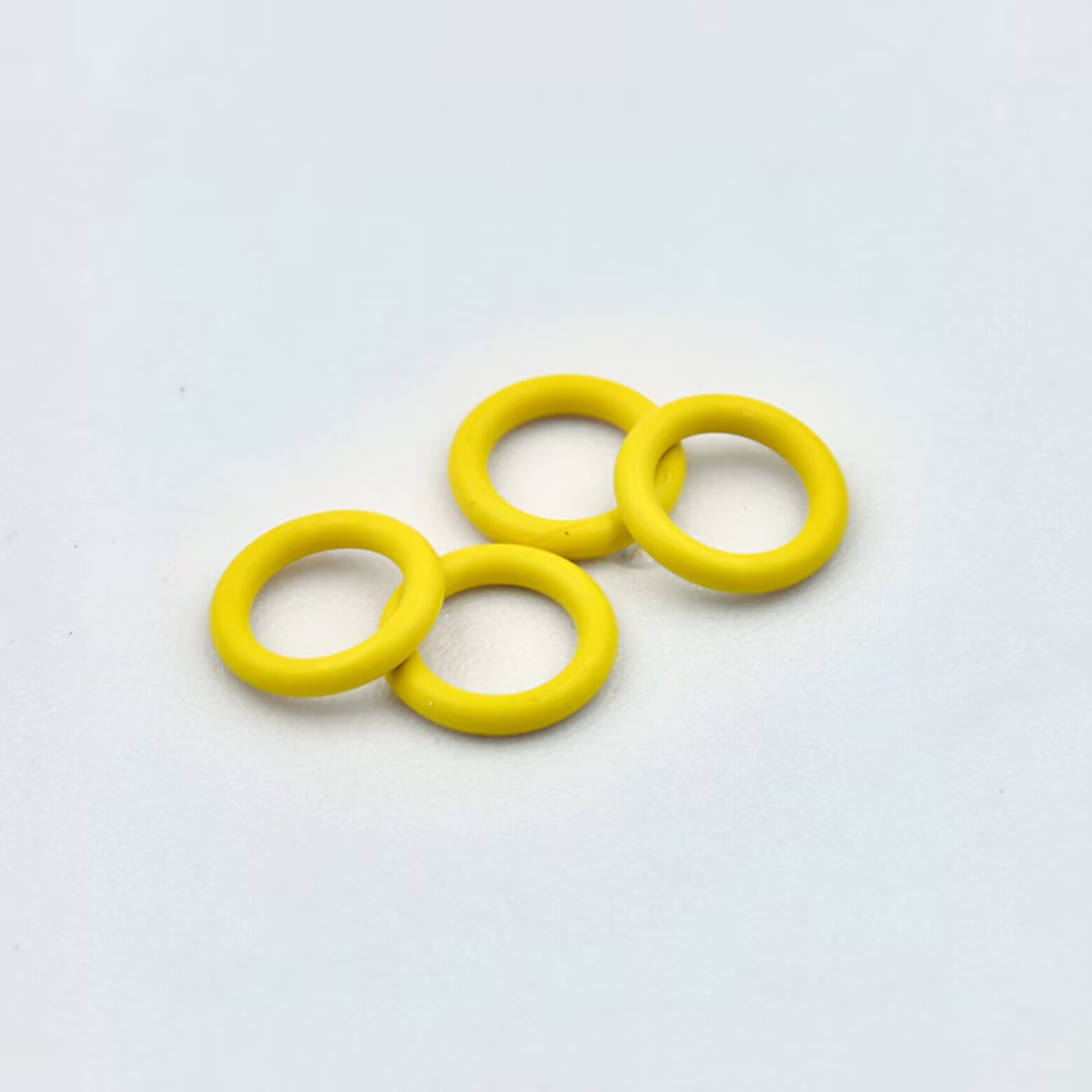
Hydrogenated Nitrile Butadiene Rubber (HNBR):
Produced by the selective hydrogenation of nitrile groups. Its performance depends on the ACN content, which ranges from 18% to 50%, as well as the degree of saturation. It exhibits excellent mechanical properties. When in contact with mineral oils and greases, the applicable operating temperature ranges from -30°C to +140°C (up to +160°C for short periods). Special formulations can be used at temperatures as low as -40°C.
Due to its reliable performance, HNBR is the material of choice for demanding sealing and power transmission applications.
Automotive Industry (Largest Market):
Engine Systems: Crankshaft front/rear seals, valve stem seals, cylinder head gaskets.
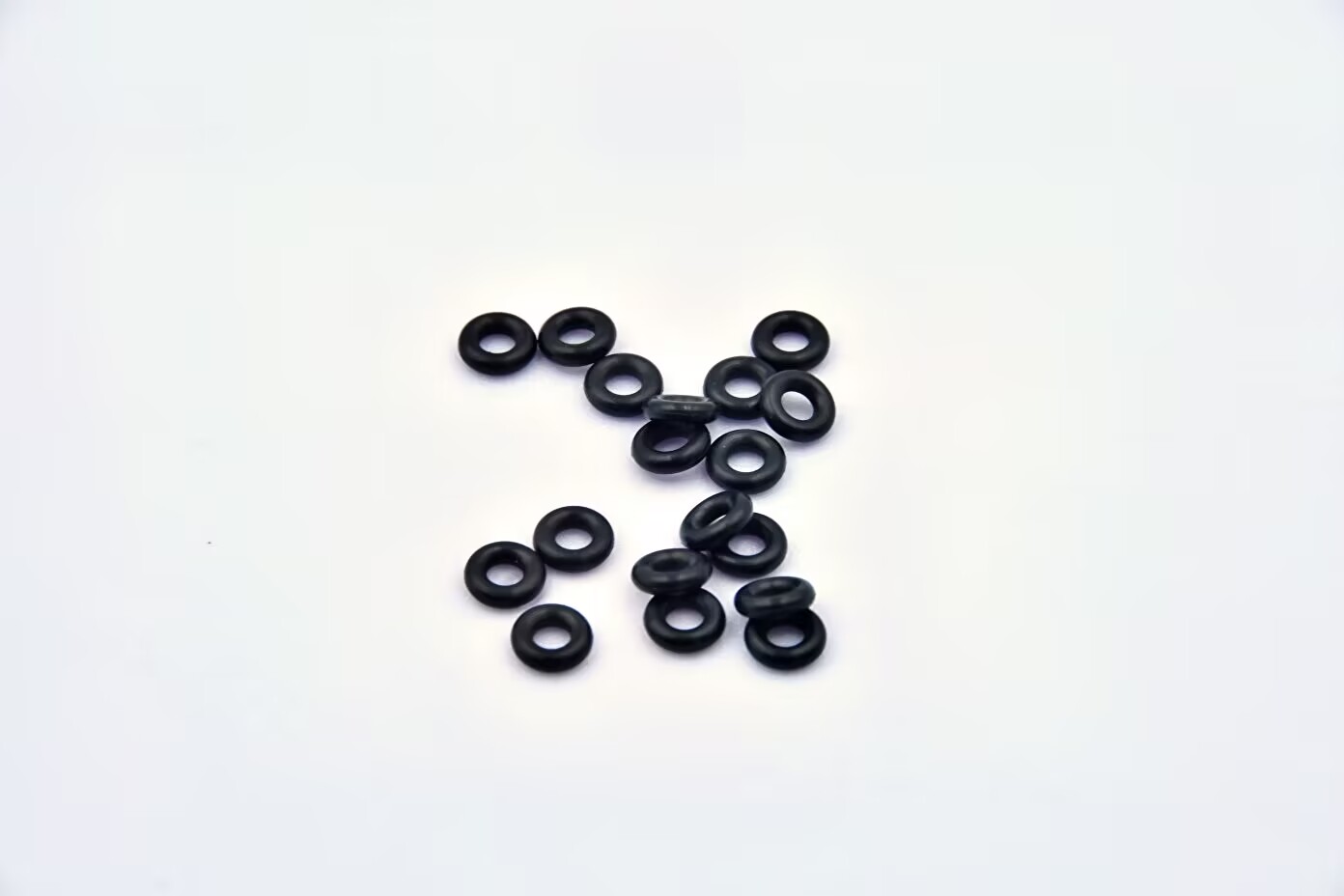
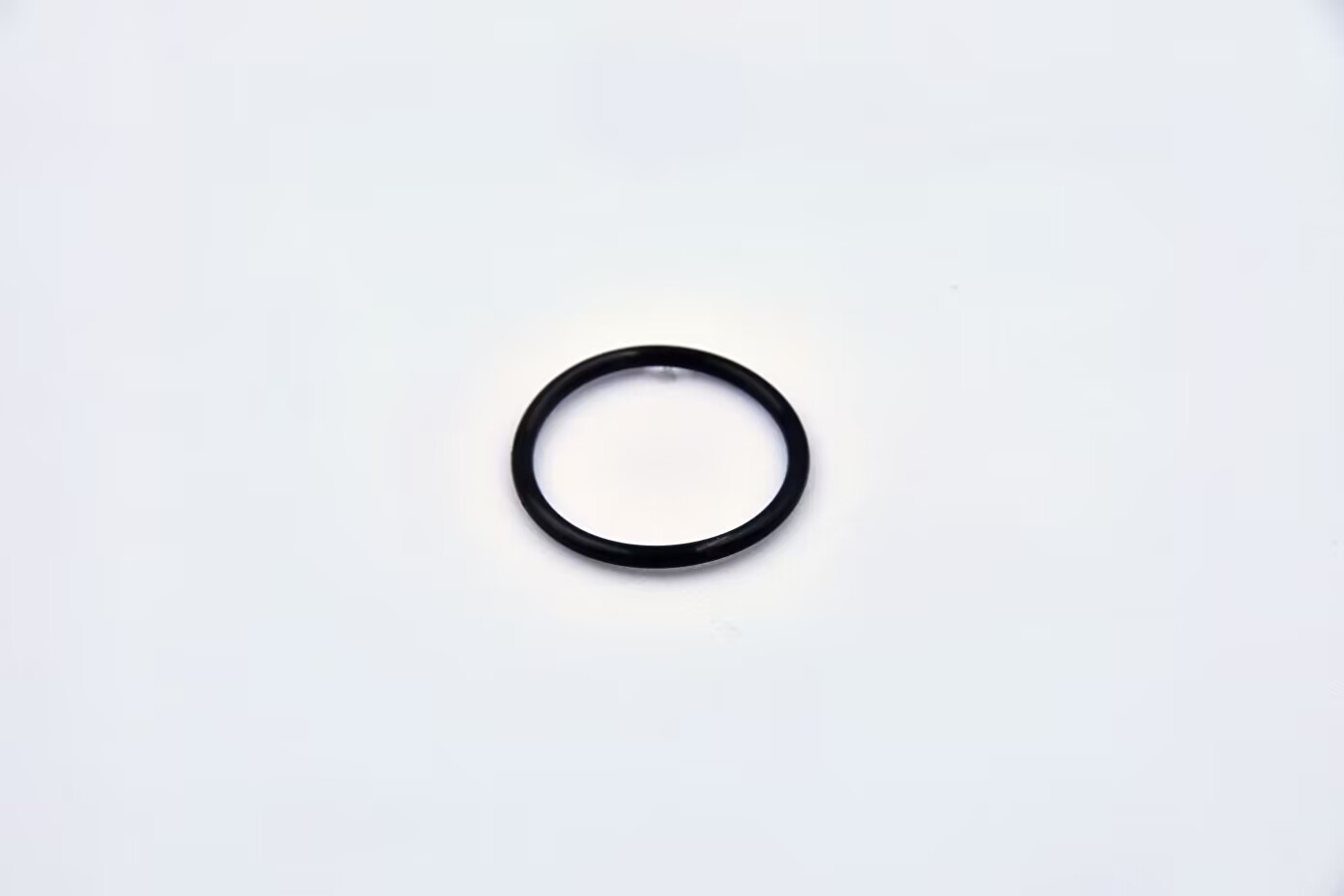
Fuel Systems: Fuel injection line seals, O-rings.
Transmission Systems: Automatic transmission seals, gaskets.
Steering Systems: Power steering system seals.
Cooling Systems: Water pump seals.
Oil and Gas Industry:
Downhole packers, drilling equipment seals (resistant to H₂S, high temperature, and pressure).
Industrial Sector:
High-speed printer rollers, industrial rollers, synchronous belts (especially engine timing belts).
Seals for food processing and dishwashers (requiring clean-grade HNBR cured with peroxide systems).
Others:
Air conditioning compressor seals, washing machine bearing seals, etc.
| Characteristic | HNBR | Standard NBR | Explanation |
|---|---|---|---|
| Heat Resistance | Excellent | Fair | Continuous use temperature up to 150°C, short-term exposure up to 160-170°C—an improvement of about 40°C over NBR. |
| Ozone/Weather Resistance | Excellent | Poor | The saturated structure gives it ozone and weather aging resistance close to that of EPDM. |
| Oil/Fuel Resistance | Excellent | Excellent | Retains the excellent resistance of NBR to fuels, lubricating oils (including those with additives). |
| Chemical Resistance | Superior | Good | Stronger resistance to engine coolants, detergents, hydrogen sulfide, and other chemicals. |
| Mechanical Strength | High | Fair | High tensile strength, high tear strength, excellent abrasion resistance. |
| Low-Temperature Flexibility | Good | Very Good | Hydrogenation slightly increases the glass transition temperature (approx. -40°C to -20°C), but it still maintains good low-temperature performance. |

Welcome to HOVOO, a Chinese seal factory. Production of PU, Rubber and PTFE seals. The seals include O-ring, piston seal, rod seal, Gray ring and gas seal.


 EN
EN
 AR
AR CS
CS DA
DA NL
NL FI
FI FR
FR DE
DE EL
EL IT
IT JA
JA KO
KO NO
NO PL
PL PT
PT RO
RO RU
RU ES
ES SV
SV TL
TL IW
IW ID
ID LV
LV SR
SR SK
SK VI
VI HU
HU MT
MT TH
TH TR
TR FA
FA MS
MS GA
GA CY
CY IS
IS KA
KA UR
UR LA
LA TA
TA MY
MY