

 EN
EN
 AR
AR CS
CS DA
DA NL
NL FI
FI FR
FR DE
DE EL
EL IT
IT JA
JA KO
KO NO
NO PL
PL PT
PT RO
RO RU
RU ES
ES SV
SV TL
TL IW
IW ID
ID LV
LV SR
SR SK
SK VI
VI HU
HU MT
MT TH
TH TR
TR FA
FA MS
MS GA
GA CY
CY IS
IS KA
KA UR
UR LA
LA TA
TA MY
MY
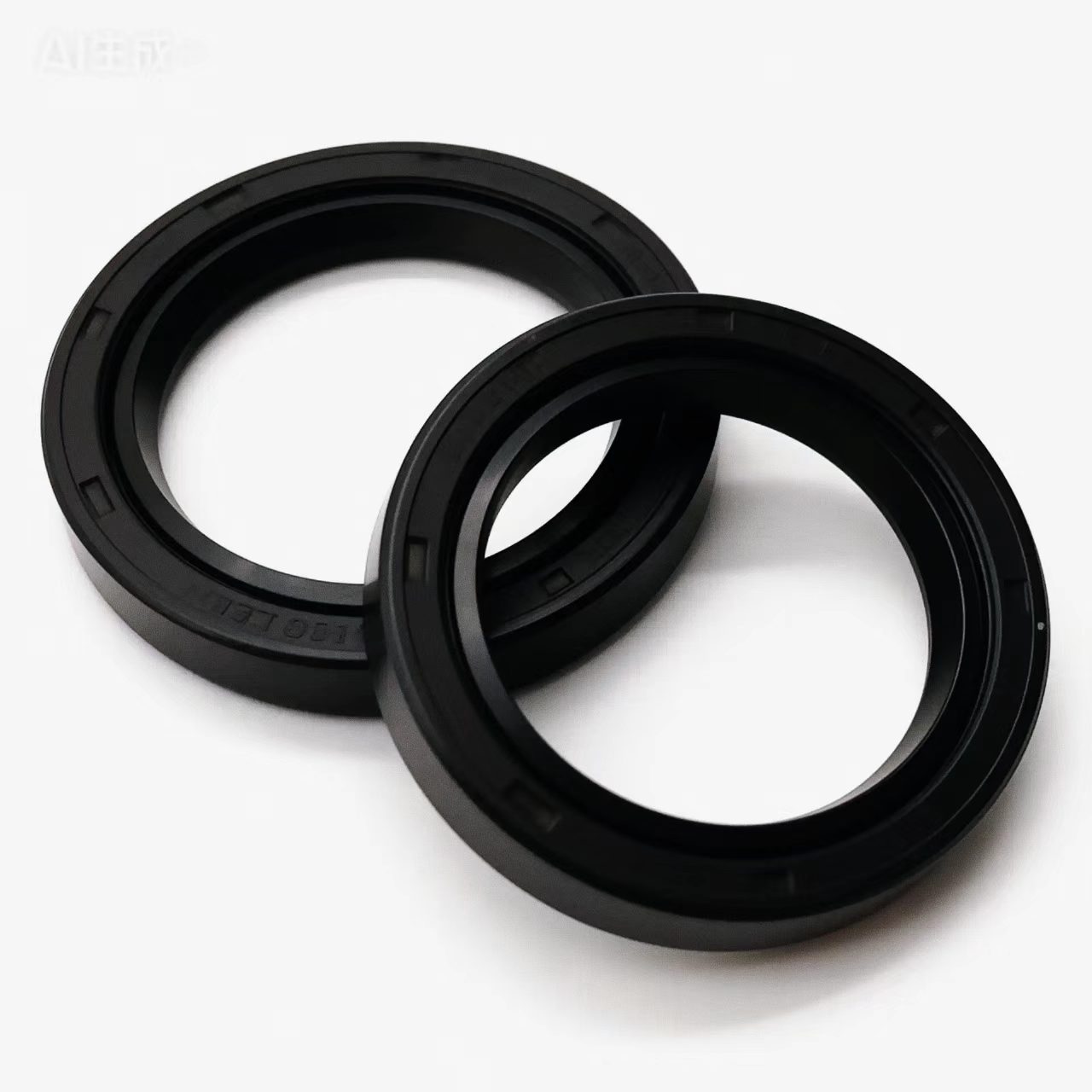
כישלון איטום במקדחה סלעית המופעלת בסביבה אגרסיבית נדיר שיתחיל עם קורוזיה נראית לעין על פני השטח של החומר האלאסטומרי. הוא מתחיל עם נפיחות. תרכובת האיטום סופגת נוזל או אדים מהסביבה — מים חומציים מהמכרה, נוזל חיתוך אמולסיוני, שמן הידראולי מזוהם חדירת מים — והאלאסטומר מתנפח מעבר לריווח העיצובי של התעלה. גאומטריית השפה מתעוותת. הלחץ המגע נגד דופן התעלה עובר מכוח האיטום המתוכנן לטעינה נקודתית לא צפויה. תוך כמה מאות שעות פעילות, האיטום שנראה תקין בבדיקה ויזואלית מתחיל לאפשר זרימה עוקפת.
עיצוב החותם הנוגד קורוזיה מטפל במנגנון ההתנפחות הראשוני, ולא במצב הכשל הلاحق. בחירת תרכובת אלסטומר עם ספיגה נמוכה של נוזלים בסביבה הספציפית — בין אם זו מים מלוחים באקוויפר חופי, נזילה חומצית גופרתית בתפעול כרייה של נחושת, או מים לרחיצה בעלי pH גבוה בפרויקט מנהרה לבטון — קובעת האם החותם יחזיק 200 שעות או 600 שעות בין החלפות. הגאומטריה וההתקנה הן שניות לבחירת התרכובת.
הכימיה שעומדת בבסיס התנגדות הקורוזיה באלסטומרים
גומי ניטריל (NBR) הוא האלסטומר הנפוץ ביותר בחותמים הידראוליים בזכות התנגדותו הטובה לשומנים מינרליים ולרוב הנוזלים הידראוליים. החולשה שלו היא שהקשרים הכפולים לא רוויים של פחמן-פחמן בגביש הבוטדיין פגיעים למתקפות של אוזון, חום מוגבה, וסוגים מסוימים של חומרים כימיים. בסביבה כרוכה בטמפרטורה נמוכה מ-60°C עם שמן הידראולי נקי, NBR מתפקד מספיק. עם חדירת מים חומציים, עליית הטמפרטורה הסביבתית, או נוזל הידראולי סינתטי שמכיל תוספים מבוססי אסטר, אורך החיים השימושי של NBR מתקצר באופן חמור.
HNBR — גומי ניטריל מומשן — מוסיף אטומי מימן לאורך הקשרים הלא רוויים של הסלע במהלך הסינтזה, ומכניס את הקשרים הכפולים הפעילים לקשרים יחידים יציבים. קבוצות הניטריל שנותנות עמידות לשמן נשמרות; הרגישות לאוזון ולחום מצטמצמת באופן דרמטי. HNBR שומר על תכונות אלסטיות שימושיות עד ל-150°צ במשרה מתמדת ועומד במתקפות של נוזלי חפירה, שמן מאמולסיפי, ומים מלוחים שיגרמו לדרוג של NBR סטנדרטי תוך שבועות. הוא הושק לראשונה בשוק בשנת 1984 והפך לבחירה המובילה למסגרות דינמיות בסביבות קשות במערכות הידראוליות.
פּטְפֶה מאמץ גישה שונה לחלוטין. הגבון הפחמן-פלואורין שלו — עם הקשר החזק ביותר בכימיה האורגנית — אינו מגיב כמעט לכל חומר כימי שמתגלה במכרות ובבנייה. הוא לא מתנפח בחומצות, בסיסים, ממסים או במים מלוחים. המגבלה היא מכנית: פּטְפֶה הוא פולימר קשיח בעל אלסטיות נמוכה ודורש מנגנון עזר דוגמת קפיץ או רכיב תמיכה כדי לשמור על מגע איטום בעת התחשפותו לבלאי. במעגלים איטומים סטטיים, בלוקי שסתומים, מושבים של שסתומים וinterfaces סטטיים של תיבות שטיפה, רכיבי פּטְפֶה חיים זמן רב בהשוואה לחלופות אלסטומריות בסביבות כימיות קשות. עיגול גומי למעגלים איטומים סטטיים, בלוקי שסתומים, מושבים של שסתומים ומבני חיבור סטטיים של תיבות שטיפה, רכיבי פּטְפֶה חיים זמן רב בהשוואה לחלופות אלסטומריות בסביבות כימיות קשות.
קטגוריות של תנאי קיצוניים וחומרי איטום מתאימים
סביבה |
איום עיקרי |
חומר מומלץ |
תוחלת חיים יחסית ל-NBR כבסיס השוואה |
זרימה חומצית ממכרות (pH < 5) |
תקיפה כימית על גביש הבוטאדין |
HNBR או PTFE לאיטום סטטי |
+40–80% בתוחלת חיים של האיטום |
מכרה עמוק בטמפרטורה גבוהה (טמפרטורת הסביבה 40° צלזיוס) |
הידרדרות תרמית, התכווצות קבועה |
HNBR (מתאים לטמפרטורות עד 150° צלזיוס) |
+50–100% במעגל הפעימה |
מימים מלוחים באקוויפר (חופיים/בקרבת הים) |
התקפה של יוני כלוריד, קורוזיה של مقاعد אטמים מתכתיים |
HNBR + מקדחה נירוסטה |
+30–60% באורך חיים של האטם |
נוזל חיתוך אמולסיפי (מים-שמן) |
תופעת ההنتשה עקב תוספים מסוג אסטר |
HNBR או FKM למעגלים סטטיים |
+40–70% בתיבת השטיפה |
שטיפה במים מתוקים תחת לחץ גבוה |
בליעת חלקיקים קשוחים, הדילול |
פוליאוריתן לדינמיקה, גביש פוליטетראפלואוראתילן (PTFE) כתומך |
אורך חיים סטנדרטי מושמר |
סביבה של מנהרה צמנטית/אלקלית |
התקפה על ידי נוזל בעל pH גבוה |
פוליטטראפלואוראתילן (PTFE) או אטילן-פרופילן-דיאן-מונומר (EPDM) למסגרות סטטיות |
+50–80% באורך החיים של המסגרות הסטטיות |
בחירת חומר האיטום למעגלים הסטטיים — O-rings בבלוק השסתומים, חיבורים של פתח מאגר, וחיבורים של פתח מים לרחיצה — לעיתים קרובות קובעים את פרק הזמן הכולל בין תחזוקות יותר מאשר החיבור הדינמי של המכה. חיבורים סטטיים שמתמודדים עם מים אגרסיביים לרחיצה נמצאים במנוחה בין מחזורי הנקיר, ומרחצים בכל כימיקל שהמערכת לספיגת המים מכילה. טבעת O מסוג NBR במערכת מים עם pH גבוה יכולה להיכשל בגלל התכווצות קבועה תוך 100 שעות מהרגע הראשון של מגע עם המים, גם אם המכונה פעלה רק 20 שעות של מכה במהלך אותו זמן.
זיהוי תבניות כשל של סביבה אגרסיבית לפני שהן מתחרדות
שלושה תבניות מצביעות על התקפה סביבתית על החתימות, ולא על wearing מחזורי רגיל. ראשונה, דעיכה אסימטרית של פנים החתימה: ה-wearing הרגיל יוצר ניקוי שווה של פנים ההשקה לאורך היקף השפה. נפיחת כימית מעוותת את הגאומטריה של השפה באופן אסימטרי, ויוצרת תבנית wearing שעוקבת אחרי כיוון הנפיחות המרבית. שנייה, שינוי צבע בלתי רגיל בשמן ההידראולי המוחזר: גוון ירוק-יירוק או חלבוני במעגל ההחזר ההידראולי מצביע על אמולסיפיקציה של מים, לרוב כתוצאה מחתימה פגומה בתיבת השטיפה שמאפשרת חדירת מים למעגל ההדפיקה. שלישית, היווצרות ג'ל: סדרות התקפה כימית מסוימות גורמות לפיסות אלסטומר להתמוסס חלקית בזנת ההידראוליקה, ויוצרות זיהום דמוי ג'ל שמביא לסתימת אלמנטי המסננים מהר יותר מאשר בדרך כלל, ויכול לפגוע ברקעים המדויקים בבלוק השסתומים.
כל אחד מהסימנים האלה דורש בדיקה מלאה קיט סיגל לפני פרק הזמן המתוכנן הבא לתיקון, ולא בו. הפעלת חיבור שנפגע כימית עד למועד ההחלפה המתוכנן מאפשרת לתקלה להתפשט אל פני השטח של הקנה, מה שמגביר את היקף התיקון מחליפת ערכת חיבורים לקליפת קנה מחדש או להחלפת גוף המכונה.
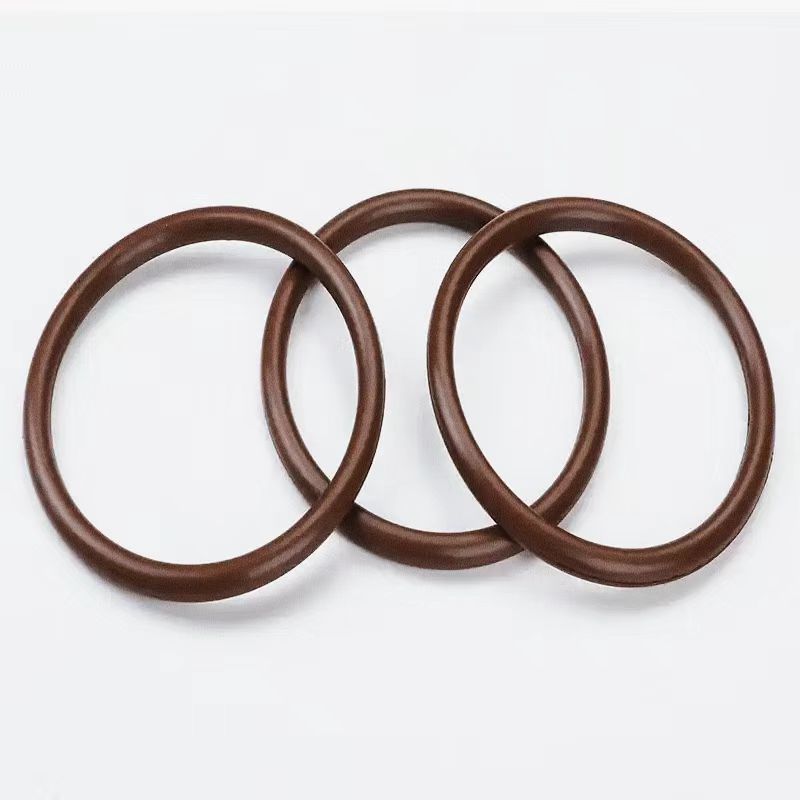
סטות חתימות נוגדות קורוזיה של HOVOO ליישומים במכרות ובטונלים
HOVOO מספקת קיטים למסגרות סגירה למכונות קדיחת סלעים עם אפשרויות תרכובות של HNBR ו-PTFE עבור מודלים עיקריים של דריפטרים בשימוש ביישומים בסביבות אגרסיביות. הקיט הסטנדרטי מפוליאוריתן (PU) מתאים לרוב הפעולות באקלים מתון ובשימוש במים נקיים לשטיפה. קיטי HNBR מומלצים לפעולות שבהן הטמפרטורה סביב הפנים עולה על 40° צלזיוס באופן מתמשך, כאשר מי גשמים חומציים משמשים כאמצעי שטיפה, או כאשר שמן הידראולי במעגל ההחזרה פועל בטמפרטורה גבוהה מ-80° צלזיוס. קיטי תמיכה מ-PTFE למעגלים סטטיים זמינים בנפרד להתקנות בפרויקטים של מנהרות אלקליניות או בפעולות חופיות עם חדירת מים מלוחים.
בחירת תרכובת לא נכונה בסביבה אגרסיבית ידועה, ולאחר מכן החלפת קיט הסגירה בתדירות כפולה, יקרה יותר מאשר הזמנת התרכובת הנכונה פעם אחת בלבד. המתייחסים המודל-ספציפיים של HOVOO, כולל סימוני התרכובות לכל יישום דריפטר, מופיעים באתר hovooseal.com.


