

 EN
EN
 AR
AR CS
CS DA
DA NL
NL FI
FI FR
FR DE
DE EL
EL IT
IT JA
JA KO
KO NO
NO PL
PL PT
PT RO
RO RU
RU ES
ES SV
SV TL
TL IW
IW ID
ID LV
LV SR
SR SK
SK VI
VI HU
HU MT
MT TH
TH TR
TR FA
FA MS
MS GA
GA CY
CY IS
IS KA
KA UR
UR LA
LA TA
TA MY
MY
חפירת המנהרות מעמיסה את רכיבי מחתרת הסלעים במתח שמעל לרמה שנוצרת בעבודת השולחן על פני השטח. המכונה פועלת בחלק הקדמי של המנהרה, שם אין מקום להשתחרר מהרעד, ומוטות המחתרת נשארים במגע עם הפנים היציבות לאורך זמן רב יותר בכל משמרת; אפילו סטייה קטנה בהגדרת החור מתאצמת לתופעה של חפירה יתרת (overbreak) שגורמת להוצאות ממשיות בדפנות הבטון.
Sandvik בנה את אסטרטגיית המוצרים שלו של הסדרות HL ו-RD סביב פתרון הבעיה הספציפית הזו — לא רק לחפור מהר יותר, אלא גם לחדור ישר יותר ולשפר את משך הזמן בין עצירות תחזוקה. המאזן הוא החלק הוויזואלי ביותר של פילוסופיית העיצוב הזו, אך הארכיטקטורה שעומדת מאחוריה עומקה יותר מרכיב בודד.
המניע המתייצב: לא רק מדämpר רעדים
סנדוויק מציעה מתייצב הידראולי ברוב דגמי המקלעים לסלע כבדים שלה — הדגמים HL1060T, HL1560T, HL1560ST, RD1635CF ו-RD1840C כוללים אותו כסטנדרט. התפקידה של המערכת הוא לשמור על גאומטריה עקיבה של הקשר בין הציר לקולח לאורך מחזור החפירה המלא, ובכך לשלוט במגע בין ראש המקלע לפני השטח הסלעי.
למה זה חשוב? קפיצת הראש (bit bounce) — כלומר, עליית הראש מהפני הסלע בין מכות ההדפה — מבזבזת את אנרגיית ההדפה ומאיצה את ההתנשנות הלא אחידה של הקרبيد. בגרניט בעל חוזק סQUEEZE של 250 MPa עם שרשראות מקלע באורך 30 מטר, קפיצת הראש יכולה להפחית את העברת האנרגיה האפקטיבית ב-15–20% בהשוואה למגע יציב. המתייצב מיישם כוח הידראולי כדי לשמור על יציבות הגאומטריה של הציר, מה שמונע את החזרת גלי המתח חזרה לגוף המקלע ומאפשר להם לחדור באופן נקי לתוך הסלע.
ה- Sandvik DL422i, אשר משתמש במכונה לחפור סלעים HF1560ST, מדווח על עלייה של עד 10% במטרים שנחפרו למשמרת בפירוק אוטומטי, במיוחד בשל העובדה שהמיצבים ובקרת הפרמטרים האוטומטית פועלים יחד — המניע לא מאבד מחזורי עבודה עקב רטט של הראש או התאמות ידניות.
סדרות HL ו-RD: השוואת מבנה הדגמים
דגם |
עיצוב |
קוטר החור |
יישום עיקרי |
תכונה בולטת |
HL710 |
סיבוב עצמאי, שטיפת נפרדת |
64–115 מ"מ |
חפירה תת-קרקעית באורכים גדולים |
3 אפשרויות מנוע סיבוב |
HL1060T |
מיצב, גוף מודולרי |
76–127 מ"מ |
לפני השטח ותחת השטח |
מתמר הידראולי ליציבות |
HL1560T |
סיבוב עצמאי, מוציא כוח |
89–152 מ"מ |
תעלות ארוכות לפני השטח |
שטיפה נפרדת, אפשרות CSL |
HL1560ST |
מודול פגיעה דו-חלקי |
89–152 מ"מ |
חור ארוך בקוטר גדול |
מ Piston + שרוול, ללא מגע עם הגוף |
RD1635CF |
תדר גבוה, מיצב |
89–152 מ"מ |
תעלות ארוכות לפני השטח |
שימון גוף סיבובי |
RD1840C |
הפעלה פולשנית באורך רב |
140–178 מ"מ |
ייצור שטח כבד |
מוכן לפקיחת RockPulse™ |
עיצוב מודול הפעימה של ה-HL1560ST ראוי להתייחסות נפרדת. הפיסטון והכיסוי המחלק פועלים ללא מגע עם גוף החורף. מספר קטן יותר של משטחי חיבור פירושו מספר קטן יותר של מסלולי דליפה, ומערכת הבולטים הצדדיים שמחזיקה יחד את מודולי הגוף מפחיתה את מספר משטחי החסימה שעליהם יש לשמור תחת עומס הידראולי מחזורי.
טכנולוגיית הפיסטון הארוך ומה שהיא באמת משנה
ה-RD1840C של Sandvik משתמש בחבילה לפעימה עם פיסטון ארוך, אשר מייצרת אנרגיית מכה גבוהה יותר עם צורת פולס שונה מאשר עיצוב פיסטון קצר. מחקר על מכניקת החפירה הפעימית מראה שפיסטון קצר מייצר אנרגיית מכה מרבית גבוהה יותר, בעוד שפיסטון ארוך מייצר צורת פולס מאופטמת יותר — העברה יעילה יותר של אנרגיה לסלע בכל מכה, עם מתח מרבי נמוך יותר על מוט החפירה.
בישורים לוחשיים על פני השטח בקטרים של 140–178 מ"מ, העיצוב עם המאיץ הארוך של ה-RD1840C שומר על מתח המוטות בגבולות שמאפשרים להאריך באופן משמעותי את תקופת השירות של מוטי T51 ו-GT60. זהו גורם בעל חשיבות רבה בעלויות הפעלה: מחרוזות מוטות חלופיות לישורים באורך של 30 מטרים ומעלה יקרות מאוד, וצורת הגל המפחיתה את מחזורי העייפות במפגשי המוטות מצטברת לאורך עונת הייצור.
RockPulse — זמינה כאינטגרציה טכנולוגית בציוד החדש של Sandvik — מודדת את גל המתח בזמן אמת, ונותנת למבצע נתונים להתאמת פרמטרי החפירה למצב הממשי של מגע הסלע. בכך היא מעבירה את אופטימיזציית הפרמטרים מהשערה למדידה.
שימון הגבעול: הצעד לתיקון והתחזוקה שדוללים אותו
מערכת השמירה על שמן המניע (CSL) במודלים RD1635CF ו-HL1560T מפחיתה את צריכת שמן המניע של המניע ב־70% לעומת מערכות קונבנציונליות. זהו לא רק נתון על עלות הפעלה — אלא גם פירושו פחות זיהום של מעגל ההשקייה משפיכת שמן, מה שחשוב במיוחד כאשר לחץ מים ההשקייה הוא 10–15 בר ושימור תנאי בור ניקוז נקיים הוא קריטי.
במודלים של סנדוויק ללא מערכת CSL, תדירות שימון המניע ובחר דרגת השמן משפיעים ישירות על כושר הסיבולת של שרוול המדריך ועל משך חיים של מתחבר המניע. שימון בגריסים דחוסים במרווחים ארוכים מדי מאפשר מגע מתכת-מתכת בין המניע לשרוול המדריך בשלב הסיבוב. שימון בתדירות גבוהה מדי גורם לעודף שמן לחדור לחצמי תאי ההדפה — מה שמגביר את הידרדרות חצמי ה־PU יותר מאשר עייפות מחזורית רגילה בלבד.
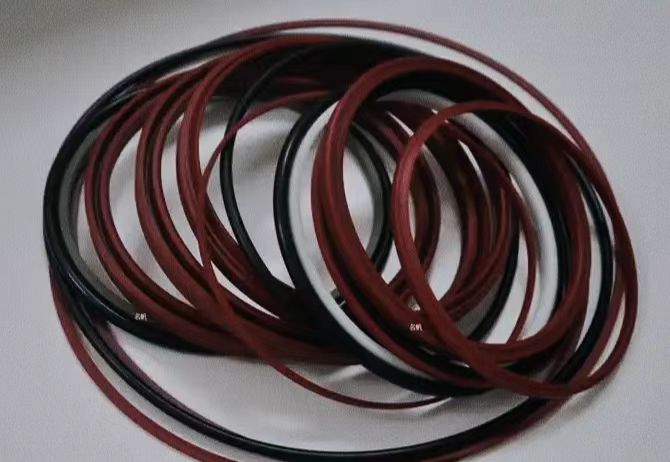
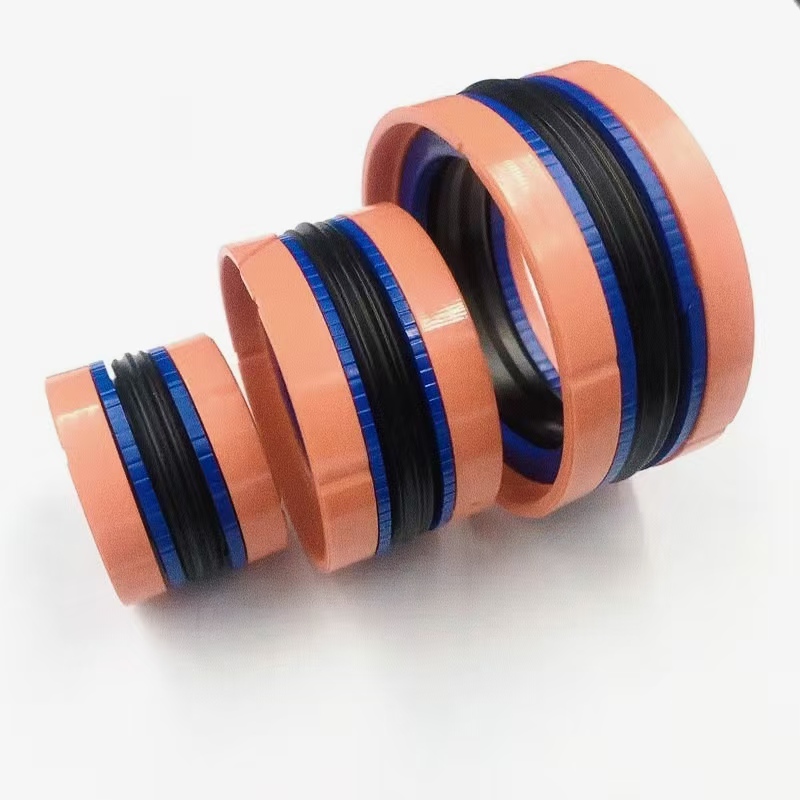
HOVOO מספקת מקדחות סלע קִיטֵי חֲתֹם תואמת לדגמים של סדרות HL ו-RD של Sandvik, כולל חתימות שרוול המנחה וממירים לשעון O-rings שהם נפגעים בדרך כלל על ידי שחיקה הקשורה לשמירה. הפניות לסוגי הדגמים של Sandvik מופיעות באתר hovooseal.com.
קידוח אוטומטי והמעבר לפעולת הפעלה רציפה
מכונות הקידוח לנקודות עומק של סדרת i של Sandvik — הדגם DL422i הוא דגם הייצור הנוכחי — מעוצבות להפעלה ללא אדם גם במהלך החלפתกะים. קידוח אוטומטי באמצעות מאוורר, 재מקם אוטומטי של הזרוע ותפעול מרחוק מפאנל אחד בלבד מאפשרים למכרה לשמור על פעילות מכונת הקידוח במשך 30–45 הדקות של החלפת הצוות, אשר בדרך כלל לא היו משומשות.
ברמה של הרכיבים, זה אומר שהמכונה לנקיבת סלעים עצמה פועלת קרוב יותר למחזור העבודה התיאורטי שלה. שעות הפעלה בקצב מכה נצברות מהר יותר. ערכות איטמים שעשויות לשרוד 400 שעות בציוד המופעל ידנית מתחילות לסבול עומס של 500 שעות ומעלה בהגדרות אוטומטיות. בחירת תרכובות האיטמים — פוליאוריתן (PU) למחזורים סטנדרטיים, ו-HNBR לאזורי טמפרטורה גבוהה — תוך התחשבות בשעות הפעלה האמיתיות, היא חשובה יותר ברכבים אוטומטיים מאשר ברכבים המופעלים באופן מסורתי.


