

 EN
EN
 AR
AR CS
CS DA
DA NL
NL FI
FI FR
FR DE
DE EL
EL IT
IT JA
JA KO
KO NO
NO PL
PL PT
PT RO
RO RU
RU ES
ES SV
SV TL
TL IW
IW ID
ID LV
LV SR
SR SK
SK VI
VI HU
HU MT
MT TH
TH TR
TR FA
FA MS
MS GA
GA CY
CY IS
IS KA
KA UR
UR LA
LA TA
TA MY
MY
150 მპა-ზე მეტი სიმტკიცის მქონე მყარი ქანები ხვრელების წინააღმდეგ იჩენენ წინააღმდეგობას ისე, როგორც არ აკეთებენ არა მყარი და საშუალო სიმტკიცის ფორმაციები. ბიტის კარბიდი ეხება ზედაპირს, რომელსაც არ შეიძლება მარტივად დაჭერა — ამიტომ თითოეული დარტყმა უნდა გადასცეს საკმარისი ენერგია რათა გამოიწვიოს გატეხილობა, არ მხოლოდ ელასტიურად დეფორმირდეს ქანი. თუ თითოეული დარტყმის პერკუსიული ენერგია არ აკმაყოფილებს ამ კონკრეტული ქანის გატეხილობის მოთხოვნებს, დარტყმა მხოლოდ სითბოს და ბიტის აბრაზიულ მოცვლას იწვევს ხვრელის წინსვლის გარეშე. ამიტომ მყარი ქანების ხვრელები ვერ ხერხდება არ მხოლოდ არასწორი ტექნიკის არჩევანის გამო, არამედ სწორი ტექნიკის არასწორი პარამეტრებით ექსპლუატაციის გამო.
Პროდუქტიული მყარი ქანების ხვრელების განსაკუთრებული უნარები და ძვირადღირებული მყარი ქანების ხვრელების შორის გამორჩევის უმთავარი ფაქტორი არის სისტემის სწორად მუშაობის ამოცნობარობა ქანის წინააღმდეგ — და როდესაც ის უბრალოდ საწვავს წვავს.
Ენერგიის ზღვარის პრობლემა მყარ ქანებში
Ყველა ტიპის ქანს აქვს ენერგიის ზღვარი, რომელზე დაბალ მნიშვნელობაში თითოეული დარტყმა იწვევს მხოლოდ ელასტიურ დეფორმაციას — ქანი უკან იხელებს მუდმივი გატეხილების გარეშე. ზღვარზე მაღალ მნიშვნელობაში ჩნდება და ვრცელდება ხარვეზები, ხოლო ბურღი წინსვლის ადგილს იკავებს. ეს ზღვარი იზრდება UCS-თან ერთად: 200 მპა მქონე გრანიტს მნიშვნელოვნად უფრო მაღალი ზღვარი აქვს, ვიდრე 80 მპა მქონე ცხადი ქვას. 150 ჯ ენერგიით მოქმედების უნარი მქონე დრიფტერი შეიძლება ეფექტურად დაბურღოს ცხადი ქვას, მაგრამ გრანიტს მხოლოდ მცირედ გატეხოს — არ იმიტომ, რომ 150 ჯ «დაბალი» მნიშვნელობაა, არამედ იმიტომ, რომ 150 ჯ ამ ფორმაციის შემთხვევაში ზღვარს არ აღემატება.
Პრაქტიკული შედეგი: მყარ სასროლ ქანებში არ უნდა შეიზღუდოთ დარტყმის წნევა. მყარ გრანიტში დარტყმის ნომინალური წნევის 80%-ით მუშაობა „მოწყობილობის დასაცავად“ სასარგებლო არ არის — დრიფტერი მეტ საათს ატარებს დაჭრილი მეტრის მიხედვით, ბიტი და სასროლი სადგური მეტ ჯამურ დარტყმის ციკლს განიცდის მეტრის წინსვლის მიხედვით (რადგან თითოეული დარტყმა ნაკლებად ეფექტურია), ხოლო საერთო სასროლი სადგურის მოხმარება იზრდება. მყარი ქანების დასამუშავებლად სჭირდება მაქსიმალური ენერგია თითოეული დარტყმის დროს და სწორი საკვების ძალა, რათა თითოეული დარტყმის განმავლობაში კონტაქტი შეიძლება შეინარჩუნოს.
Ბიტის არჩევანი: ღილაკის გეომეტრია მნიშვნელოვნად აღემატება მის ზომას
150 მპა-ზე მაღალი მყარობის მქონე ქანების შემთხვევაში ღილაკიანი ბიტის გეომეტრია განსაზღვრავს იმ ეფექტურობას, რომლითაც დარტყმის ენერგია გარდაიქმნება გამოტაცების გავრცელებად. ბალისტიკური (კონუსური) ღილაკები თითოეული დარტყმის დროს უფრო ღრუბლიანად შედის ქანში და შესაფერებელია ეროვნულად მყარ ქანებში. სფერული ღილაკები კონტაქტის ზედაპირს უფრო ფართოდ ამყარებენ და უფრო მეტად მოსახერხებელია გატეხილ ან ცვალებად მყარ ქანებში, სადაც გატეხილებიდან წარმოქმნილი ასიმეტრიული ტვირთი მწვავე გეომეტრიის ღილაკებს გამოიტაცებს.
Ღილაკის დიამეტრი — თითოეული კარბიდული ჩასასმელის დიამეტრი — უნდა შეესაბამებოდეს ფორმირების სიხშირეს. დიდი დიამეტრის ღილაკები ტვირთს ანაწილებენ უფრო დიდ ზედაპირზე, რაც ამცირებს ცალკეული ღილაკის დატვირთვას ძალიან მყარ ქანაში. პატარა დიამეტრის ღილაკები ენერგიას კონცენტრირებენ კონტაქტის წერტილში, რაც უკეთეს შეღრევას უზრუნველყოფს საშუალო მყარობის ფორმირებაში. მოხსნილი ფორმირების ბიტის გეომეტრიის გამოყენება მყარ გრანიტში იწვევს სწრაფ კარბიდული აბრაზიული ამოცხადებას, რადგან თითოეული ღილაკი ძალიან პატარაა, რათა გაუძლოს მაღალი UCS-ის ქანის ინტერფეისიდან მომდინარე რებაუნდის ტვირთს.
Მყარი ქანის პარამეტრების დაყენება და რეგულირების მითითებლები
Პარამეტრი |
Მყარი ქანის დაყენება |
Რატომ |
Ჭარბად შესწორების ნიშანი |
Პერკუსიული წნევა |
ნომინალური მნიშვნელობის 85–95% |
Უნდა აღემატდეს ფორმირების გატეხვის ზღვარს |
Კორპუსის ვიბრაცია, სტერჟის დატვირთვა |
Საკვების ძალა |
Მკვრივი — უწყვეტი კონტაქტი |
Თავიდან არ იძლევა ბიტის აწევას დარტყმებს შორის |
Ბრუნვა ჩერდება, სტერჟი იჭედება |
Როტაციის სიჩქარე |
Დაბალი საწრაფო (5–8 გრადუსი/დარტყმა) |
Მკვრის ქვიშაქვის კარბიდს სჭირდება დრო თითოეული გატეხვისთვის |
Კარბიდის გაცხელება, სწრაფი ბრტყელი აბრაზიული აღნაგობის დაკარგვა |
Პერკუსიული სიხშირე |
Საშუალო კლასი |
Მკვრის ქვიშაქვის დასამუშავებლად სჭირდება ენერგია; სიხშირე მეორადია |
Ორმაგი შეჯახება, ცუდი ეფექტურობა |
Გამორეცხვის წნევა |
15–20 ბარ |
Ნაკვეთების გასუფთავება ნელი წინსვლის დროს |
Ნაკვეთები იკრებებიან, ბიტი იჩერება |
Ბიტის აბრაზიული აღნაგობის დაკარგვის ადრეული ამოცნობარობა კატასტროფული მდგომარეობის წინ
Საშუალო და მძიმე ქანებში ბიტის ცხელება უფრო სწრაფად მოხდება და ნაკლებად მოსათმენად იქნება, ვიდრე მსუბუქ ფორმაციებში. ბიტის მდგომარეობის შესაფასებლად სრული შემოწმების წინ სამი მაჩვენებელი არსებობს: შეღრევის სიჩქარის დაცემა პარამეტრების ცვლილების გარეშე (გამოყენებული კარბიდი თითოეულ დარტყმაზე ნაკლებ შეტევის ენერგიას აძლევს), ბრუნვის წნევის მატება გეოლოგიური ცვლილების გარეშე (გამოყენებული გეიჯის კარბიდის გამო მეტი ტორქი სჭირდება, რაც ბიტის გარე დიამეტრის შემცირებას იწვევს და კონტაქტის პერიმეტრს ამატებს) და პერკუსიული ხმის მკაცრობის გაზრდა (გამოყენებული ბუტონების გამო ბიტის ზედაპირი უფრო პირდაპირ ეხება ქანს, რაც სადგურის ძაბვის ტალღის ფორმის ცვლილებას იწვევს).
Ბიტების შეცვლის ინტერვალები მკვრივ გრანიტში უნდა განისაზღვროს შეღწევის სიჩქარის მონაცემებით, არა კი ფიქსირებული საათობრივი ინტერვალით — სიჩქარე წინასწარ განსაზღვრულად კლებულობს კარბიდის აბრაზიული wear-ის შედეგად, და მისი 15–20 % კლება დაფიქსირება (35–40 % კლებამდე მოლოდინის გარეშე) ნიშნავს, რომ გამოყენებული ბიტი შემცირებული სიჩქარით მხოლოდ მცირე მანძილზე მუშაობდა შეცვლამდე. ბიტის მიერ გამოკვეთილი მეტრების დათვლა (არა საათების დათვლა ბიტის მიხედვით) აძლევს ფორმაციის მიხედვით ნორმალიზებულ მეტრიკას, რომელიც მუდმივია სხვადასხვა გამოკვეთის კამპანიაში.
Ძაფიანი სადგურების მართვა მკვრივ ქანებში
Საყრდენი ძაფის სიცოცხლე მყარ ქანებში მოკლეა როგორც პროცესში მონაწილე მაქსიმალური პერკუსიული ენერგიის, მაღალი ბრუნვის მომენტის და მყარი ქანის ბიტის დაკეტვის ტენდენციის კომბინაციის გამო, რაც ყოველ ძაფის შეერთებაში მეტად დაძაბული ციკლების გამეორებას იწვევს. ძაფის ძირი არის დაძაბულობის გამომწვევი ადგილი. კარბურიზებული შეერთებები 3–4-ჯერ უფრო გრძელია სტანდარტულად ცხელად მუშავებული ტიპებზე მყარი ქანების გამოყენების შემთხვევაში. ძაფის სითხის სწორი ანტი-გალინგის შემადგენლით — არ უნდა იყოს უბრალო სითხე — ხდება ძაფის ზედაპირებზე ადჰეზიური მეტალური გადატანის თავიდან აცილება შესაძლებელი დარტყმის ტვირთის დროს.
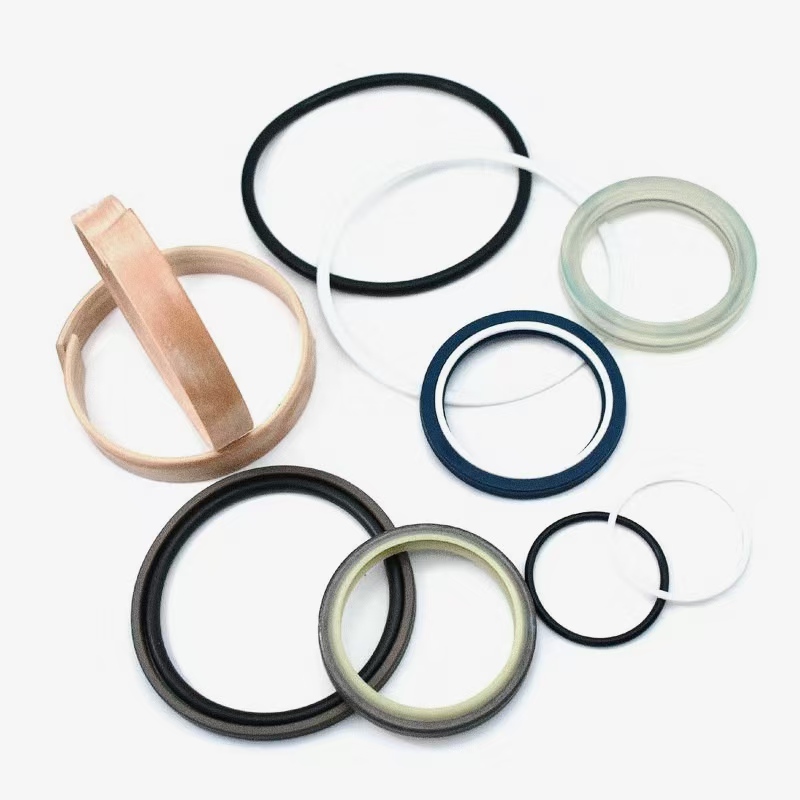
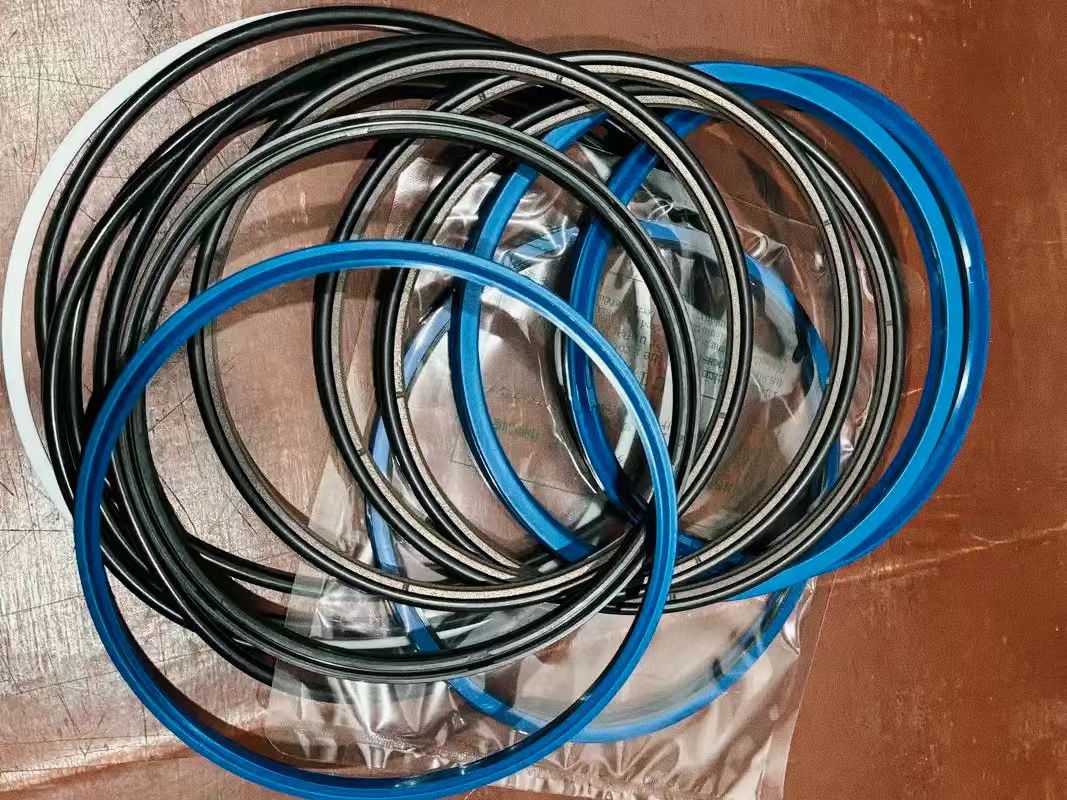
Წარმოების მაღალი სიმტკიცის ქვის ბურღვის დროს ყოველი ტურის შემდეგ ძაფის შემოწმება მაღალი ინტენსივობის საიტებზე სტანდარტული პრაქტიკაა. ძაფის ფესვის გაფტეხვა ხილულია ძლიერი განათების პირობებში ძირითად დიამეტრზე; ფესვზე აღმოჩენილი გაფტეხვა ნიშნავს დარტყმითი ტვირთვის ქვეშ მყისიერ გატეხვას. გაფტეხილი მავთულის გატეხვამდე შეცვლა იკავებს ბურღის საწყობის აღდგენის ოპერაციას, რომელსაც ხვრელის შუაში გატეხვა იწვევს. HOVOO მაწოდებს საცავი კომპლექტებს მაღალი სიმტკიცის ქვისთვის გამოყენებული ძირითადი დრიფტერი მოდელებისთვის — Ეპიროკ COP 1838+, SANDVIK HL/RD სერია, Furukawa HD700 — PU და HNBR კომპოზიციებში, რომლებიც შეესაბამება ექსპლუატაციის ტემპერატურას. საინფორმაციო მონაცემები hovooseal.com-ზე.


