

 EN
EN
 AR
AR CS
CS DA
DA NL
NL FI
FI FR
FR DE
DE EL
EL IT
IT JA
JA KO
KO NO
NO PL
PL PT
PT RO
RO RU
RU ES
ES SV
SV TL
TL IW
IW ID
ID LV
LV SR
SR SK
SK VI
VI HU
HU MT
MT TH
TH TR
TR FA
FA MS
MS GA
GA CY
CY IS
IS KA
KA UR
UR LA
LA TA
TA MY
MY
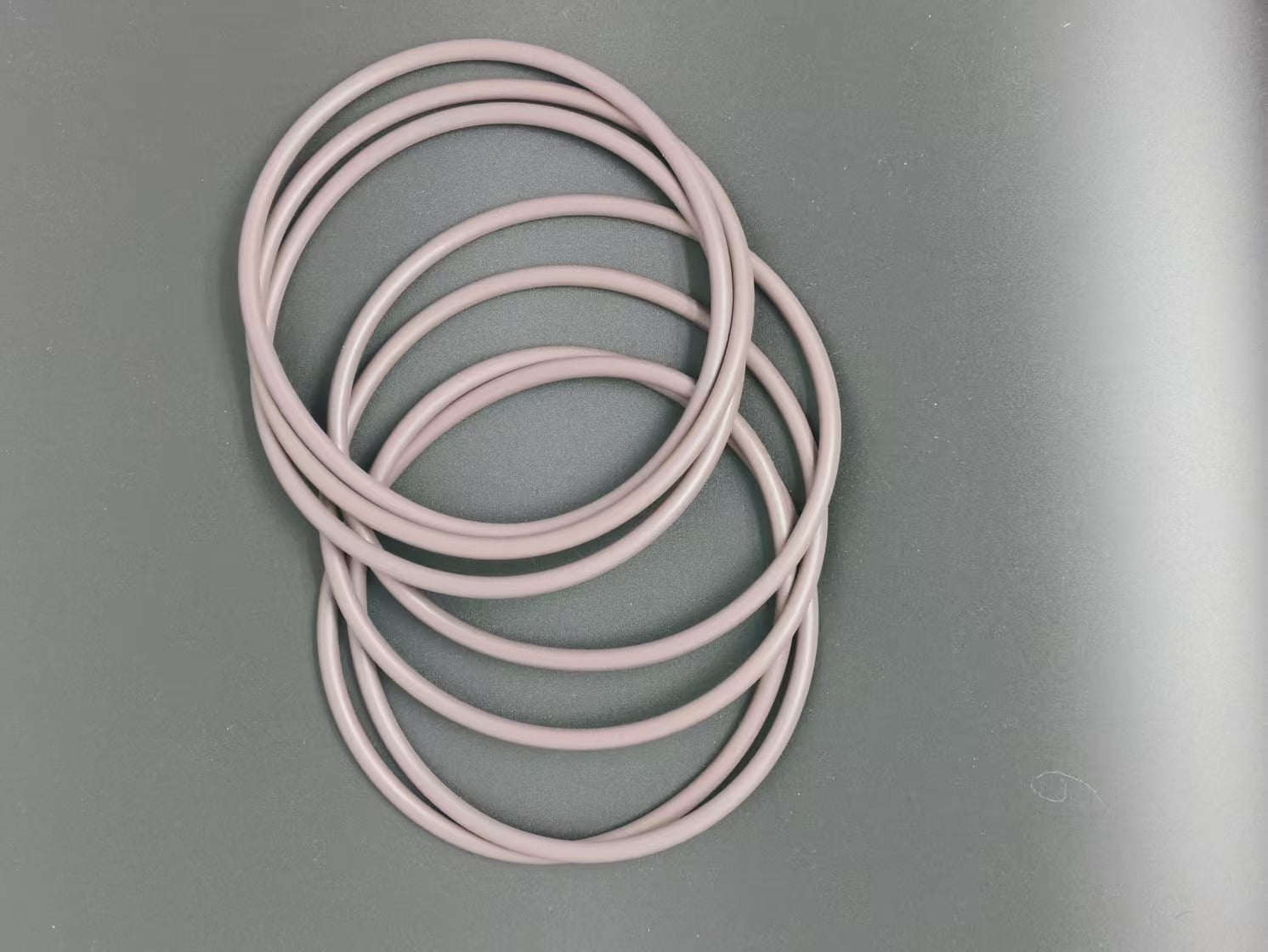
ဟိုင်ဒရောလစ် ကျောက်တူးစက်များတွင် အများအားဖြင့် တစ်ခုနှင့်တစ်ခုကို ရှုပ်ထွေးမိလေ့ရှိသည့် လျှပ်စစ်ဓာတ်အားဖြင့် လုပ်ဆောင်သည့် အဆီလေးမှုန်းစနစ် (၂) များ ရှိပါသည်။ ထိုအဆီလေးမှုန်းစနစ် (၂) ကို တစ်ခုသာ ထိန်းသိမ်းပြီး အခြားတစ်ခုကို ထိန်းသိမ်းခြင်းမှ ကင်းဝေးခြင်းသည် ဒရိုဖ်တာ ပျက်စေခြင်းအား အရေးကြီးသည့် အကြောင်းရင်းတစ်ခုဖြစ်ပါသည်။ ပထမအဆီလေးမှုန်းစနစ်မှာ ဟိုင်ဒရောလစ် စက်ဝိုင်း ကိုယ်တိုင်ဖြစ်ပါသည်— ပေါက်ကွဲမှု၊ လှည့်ပေးခြင်းနှင့် အားဖေးမှု စသည့် လုပ်ဆောင်မှုများကို အမြင့်အားဖေးမှုဖြင့် လုပ်ဆောင်ပေးသည့် အဆီသည် ဒီဇိုင်းထုတ်ထားသည့် အကွာအဝေးများနှင့် အဆီစီးထွက်သည့် လမ်းကြောင်းများမှတစ်ဆင့် ပစ်တန်းအတွင်း အကွက်များ၊ ဖောင်းကွက်အုပ်စုနှင့် လှည့်ပေးသည့် ဂီယာစနစ်များကို အဆီလေးမှုန်းပေးပါသည်။ ဒုတိယအဆီလေးမှုန်းစနစ်မှာ ရှန်က် အဆီလေးမှုန်းစနစ်ဖြစ်ပါသည်— ရှန်က် အက်ဒေါ့ပ်တာ၊ လမ်းညွှန်သည့် ဘရှ်ရှင်းနှင့် ရှန်က် အက်ဒေါ့ပ်တာနှင့် လှည့်ပေးသည့် ဒရိုင်ဗာတို့ ထိတွေ့သည့် အပိုင်းများတွင် အဆီ (သို့မဟုတ်) အဆီမှုန်းများကို အထူးသဖြင့် ပေးပေးသည့် သီးသန့် အဆီလေးမှုန်းစနစ်ဖြစ်ပါသည်။
ရှန်ချ်လိမ်းခြင်းမရှိတဲ့ လည်ပတ်မှုယူနစ်တွေဟာ လျင်မြန်စွာ ပျက်စီးသွားပါတယ်။ ဘောင်းဘီနဲ့ မောင်းသူရဲ့ spline ထိတွေ့မှုက 3065 Hz မှာ တစ်ပြိုင်နက်မှာ torque နဲ့ တိုက်ခိုက်မှု တုန့်ပြန်မှု ဝန်ထုပ်တွေကို သယ်ဆောင်ပါတယ်။ အဲဒီ interface မှာ လုံလောက်တဲ့ ဆီမွှေမှု မရှိရင် အဲဒီဝန်ထုပ်တွေအောက်မှာ သတ္တုနဲ့ သတ္တု ထိတွေ့မှုကြောင့် အဝတ်အထည်တွေ ဆုတ်ယုတ်လာတယ်၊ အသားအရေတွေ ဆုတ်ယုတ်လာတယ်၊ နောက်ဆုံးမှာ ရှန်ခ်နဲ့ လည်ပတ်တဲ့ ချပ် အစိတ်အပိုင်းတွေကို အစားထိုးဖို့ လိုအပ်တဲ့ spline ပျက်စီး ဒါက ရှောင်ရှားလို့ရတဲ့ ပျက်ကွက်မှုပါ၊ ဒါပေမဲ့ ရှန်ခ် ဆီလူးခြင်း ပတ်လမ်းက ဘာလဲ၊ ဘယ်မှာ ကျွေးတယ်၊ ဖြတ်တောက်တဲ့အခါ ဘာဖြစ်လဲဆိုတာ နားလည်ဖို့ လိုပါတယ်။
ရှန်ခ်ဆီလူးဘရစ်ကရစ်က ဘယ်လို အလုပ်လုပ်သလဲ
ဟိုင်ဒရောလစ် ဒရေးဖ်တာအများစုသည် ရှန်က် လူဘ်ရီကေးရှင်းကို နည်းလမ်းနှစ်များဖြင့် ပေးစေသည်။ ရှေးရိုးစွဲနည်းလမ်းတွင် ကာရီယာ၏ အပိုဆောင် လေကွန်ပရက်ဆာ စီးကရ်ကူအသုံးပြုခြင်း (သို့) သေးငယ်သော သီးသန့် ကွန်ပရက်ဆာကို အသုံးပြု၍ ရောက် ဒရိုင်းအီးယ်အိုင်လ်ကို အဏုမှုန်များအဖြစ် ပေါက်ကွဲစေပြီး စီးကရ်ကူထဲသို့ အတိအကျ သတ်မှတ်ထားသော အိုပန်နင်မှတဆင့် ရှန်က် ဟော့စင်းထဲသို့ ထည့်သွင်းပေးသည်။ အီးယ်အိုင်လ်အဏုမှုန်များသည် ပေါက်ကွဲမှု စက်ကြောင်းတိုင်းတွင် စပလိုင်းများနှင့် ဂိုင်းဒ် ဘုရှင်း ဘော်အား အပေါ်တွင် အဆေးလိမ်းအလွှာကို ဖုံမှုန်ဖြင့် ဖုံးအုပ်ပေးသည်။ အတ်လပ်စ် ကော့ပ်ကို / အီပီရောက် နှင့် Sandvik စနစ်များသည် ဤနည်းလမ်းကို အရင်က အသုံးပြုခဲ့ကြပြီး ဒရေးဖ်တာ မော်ဒယ်ပေါ်မူတည်၍ ရှန်က် လူဘ်ရီကေးရှင်း အီးယ်အိုင်လ် သုံးစွဲမှုသည် မိနစ် ၆၀၀ မှ ၁၂၀၀ ဂရမ်/နာရီ အထိ ရှိသည်။
Sandvik က RD1635CF နှင့် HL1560T တို့ကဲ့သို့သော မော်ဒယ်များတွင် မိတ်ကပ်ထားသော လည်ပတ်သော ရှန်ခ်လိမ်းခြင်းစနစ် (CSL) သည် မတူညီသော ချဉ်းကပ်မှုတစ်ခုဖြင့် ဆောင်ရွက်ထားသည်။ ၎င်းသည် လည်ပတ်မော်တာစီးကရစ်မှ စစ်ဆေးထားသော ဟိုက်ဒရိုလစ်အဆီ CSL စနစ်သည် အစဉ်အလာ မှောင်မိုက်စနစ်များနှင့်ယှဉ်လျှင် ရှန်ခ်လစ်ဘရစ်ဆီသုံးစွဲမှုကို ၇၀% အထိလျော့ချပေးပြီး ဘူမိစက်ပေါ်တွင် သီးခြားရှန်ခ်လစ်ဘရစ်ဆီ သိုလှောင်စရာ လိုအပ်မှုကို ဖယ်ရှားပေးသည်။ ပိတ်လှည့် ဗိသုကာက ဆီလိမ်းတဲ့ ဆီက ရေညစ်ညမ်းမှုကို အိုးအိမ်ထဲကို ပြန်မပို့တာလည်း ဆိုလိုပါတယ်။ အိုးလမ်းကြောင်း ပြောင်းလဲတဲ့အခါ အစဉ်အလာ မိုးခေါင်စနစ်တွေ လုပ်နိုင်တာပါ။
မလုံလောက်တဲ့ သံချပ်ဆီလိမ်းခြင်းရဲ့ အကျိုးဆက်များ
ရှင်းက်ချောမှုမလုံလောက်ခြင်းကြောင့် ပုံစံသတ်မှတ်ထားသော အဆင့်များအတိုင်း ပျက်စီးမှုများ ဖြစ်ပေါ်လာပါသည်။ အဆင့် (၁) – စပလိုင်းနှင့် ဒရိုင်ဘာကြား ပွန်းစဲမှုများ မြင့်တက်လာခြင်းကြောင့် လှည့်နေသော တော်ကြီးအား တိုးမြင့်လာခြင်းဖြစ်ပါသည်။ ဤသည်မှာ မှန်ကန်သော လှည့်နေသော ဖိအားဖတ်ချက်များထက် များစွာမြင့်မားသော ဖတ်ချက်များအဖြစ် ပုံပေါ်လာပါသည်။ လုပ်သောသူများသည် ဤဖတ်ချက်များကို ရှင်းက်ချောမှုပြဿနာများထက် ဖွဲ့စည်းမှု၏ မာကျောမှုကြောင့် ဖြစ်သည်ဟု အများအားဖြင့် ယူဆကြပါသည်။ အဆင့် (၂) – စပလိုင်းထိတ်မှုမျက်နှာပြင်များပေါ်တွင် ဖရက်တင်းပွန်းစဲမှုများ ဖြစ်ပေါ်လာခြင်းကြောင့် သေးငယ်သော သံမှုန်များ ထုတ်လုပ်လာပါသည်။ ထိုသံမှုန်များသည် လမ်းညွှန်ချောင်းအကွာအဝေးထဲသို့ ဝင်ရောက်ပြီး ရှင်းက်၏ ဘေးဘက်တွင် လှုပ်ရှားမှုကို တိုးမြင့်စေပါသည်။ ထိုသို့ဖြစ်ခြင်းကြောင့် လမ်းညွှန်ချောင်းအုပ်ဖုံးမှု ပွန်းစဲမှုများ မြန်ဆန်စေပါသည် (အထက်တွင် သီးခြားဖော်ပြထားသည်)။ အဆင့် (၃) – စပလိုင်းအနားပေါ်တွင် ဂေါလင်းဖြစ်ပေါ်ခြင်းကြောင့် ရှင်းက်နှင့် ဒရိုင်ဘာမျက်နှာပြင်များကြား ကပ်စွဲမှုဖြင့် ပေါင်းစပ်မှုများ ဖြစ်ပေါ်လာပါသည်။ ထိုပေါင်းစပ်မှုများသည် တုန်ခါမှုနှင့် တော်ကြီးအား ပေါင်းစပ်ထားသော ဖိအားအောက်တွင် ပဲ့ကုန်ပါသည်။ ထိုသို့ဖြစ်ခြင်းကြောင့် စပလိုင်းအမြစ်တွင် ကြေ cracks များ စတင်ဖြစ်ပေါ်လာပါသည်။
ပထမဆုံးအကြိမ် လျော့နည်းသော အဆီပေးခြင်းမှ မြင်သာရှိသော စပလိုင်းပျက်စီးမှုအထိ ကြာမောင်းသည် ပေါက်ကွဲမှု၏ အက frequency နှင့် ကျောက်တုံး၏ မာကြောမှုအပေါ်တွင် မှီခိုပါသည်။ အပြည့်အဝ ပေါက်ကွဲမှုနှုန်းဖြင့် မာကြောသော ဂရနိုက်တ်ကျောက်တုံးတွင် အဆီပေးခြင်းမှု မလ sufficiently ဖြစ်ပါက စပလိုင်းပျက်စီးမှုသည် ပေါက်ကွဲမှု ၅၀–၁၀၀ နှစ်ကြာခြင်းအတွင်း ဖြစ်ပေါ်လာနိုင်ပါသည်။ ပိုမှုန်းသော ကျောက်တုံးများတွင် အပိုင်းအစ ပေါက်ကွဲမှုဖိအားဖြင့် အချိန် ၂၀၀ နှစ်ကြာမှ ဖြစ်ပေါ်လာနိုင်ပါသည်။ အမျှအမျှ ပေါက်ကွဲမှုစက်၏ ဒီဇိုင်းထုတ်ထားသော အသုံးပြုနိုင်သည့် သက်တမ်းထက် သိသာစွာ တိုတောက်သည်။
ပေါက်ကွဲမှုစက်အမျိုးအစားအလိုက် အဆီပေးခြင်းနှုန်းနှင့် အဆီအမျိုးအစား
စနစ်အမျိုးအစား |
အိုင်လ်အမျိုးအစား |
စီးဆင်းမှုနှုန်း |
စစ်ဆေးရန် အမှတ် |
ပျက်ကွက်မှုညွှန်ပြချက် |
လေမှုန် (ရှေးရိုးစွဲ) |
ကျောက်တုံးဖောက်စက်အဆီ ISO VG 100 |
၆၀၀–၁,၂၀၀ ဂရမ်/နာရီ |
တစ်ရက်လုပ်အိပ်စဉ်လုံး အဆီအိုင်းကို စစ်ဆေးပါ |
လှည့်ပေးသည့်ဖိအား မြင့်တက်လာခြင်း၊ စပလိုင်းပျက်စီးမှုမှ အသံထွက်ခြင်း |
CSL (စက်ဝိုင်းအတွင်း အဆီပေးခြင်း) |
စစ်ထုတ်ထားသော ဟိုက်ဒရောလစ်အဆီ |
စက်ဝန်းလည်ပတ်ခြင်း လုပ်ဆောင်မှု |
ဟိုက်ဒရောလစ် သန့်ရှင်းမှုကို စစ်ဆေးပါ |
အသုံးစရိတ် ၇၀% လျော့ကျခြင်း။ ညစ်ညမ်းမှုသည် အန္တရာယ်ဖြစ်သည် |
ဂရီစ်ထည့်သွင်းခြင်း |
NLGI အဆင့် ၂ EP ဂရီစ် |
အကြိမ်တိုင်း တိကျစွာ တိုင်းတာပေးသော |
စောင်းပေးမှုအခါ ထည့်သွင်းသူကို စစ်ဆေးပါ |
ဂရီစ်မှုန်းခြင်း = အချိန် ၁၀၀ နာရီအတွင်း စပလိုင်းမှ မှုန်းပေါက်ခြင်း |
ဇီဝအဆိပ်သင်းနိုင်သော ဆီ |
အက်စ်တာအခြေပြု ကျောက်တူးစက်ဆီ |
VG 100 အထုပ်နှင့် အတူတူပါပါ |
စီးလ်များနှင့်သာ သ совместимဖြစ်ပါသည် |
ပထမဦးစွဲအားဖြင့် စီးလ်ပစ္စည်း၏ သဟဇာတဖြစ်မှုကို အတည်ပြုပါ |
အဆီ၏ အဆိုပြုချက်သည် အဆီ၏ သိပ်သည်းဆထက် ပိုမိုအရေးကြီးပါသည်။ ကျောက်တုံးဖောက်စက်အတွက် အဆီများသည် လေးနက်သော အားဖြင့် ထိရောက်မှုရှိသော ဖီလ့်ဖွဲ့စည်းရေး အက်ဒီတီဗ်များ ပါဝင်ရပါမည်— ပစ်စတန်များ တုံးခေါက်သည့်အခါ စပလိုင်းအပေါ်ယံတွင် ဖြစ်ပေါ်လာသော ခဏတာ ထိတ်တုန်အားများသည် စတေတစ်က် ဖိအားထက် အဆ များစွာများပါသည်။ ယေဘုယျအားဖြင့် အသုံးပြုသည့် ဟိုက်ဒရောလစ်အဆီသည် ဤအသုံးပြုမှုအတွက် EP (အလွန်မြင့်မားသော ဖိအား) ကာကွယ်မှုကို မလ sufficiently ပေးနိုင်ပါသည်။ ကျောက်တုံးဖောက်စက်အတွက် အထူးပြုထားသော အဆီများတွင် တက်ကီဖိုင်ယာများ ပါဝင်ပါသည်။ ထိုတက်ကီဖိုင်ယာများသည် အဆီဖီလ့်ကို တုံးခေါက်မှုများကြားတွင် သံမဏိများပေါ်တွင် ကပ်နေစေရန် အထောက်အကူပေးပါသည်။ အဆီဖီလ့်သည် လှည့်ပတ်မှုအတွင်း အလေးချိန်အားဖြင့် ဖယ်ရှားခေါက်ထုတ်ခံရခြင်းမှ ကာကွယ်ပေးပါသည်။
လှည့်ပတ်မှုအိုး၏ အိုင်းလ်ထုတ်ခြင်း— အများစုသော နေရာများတွင် လွင်စေသည့် ထိန်းသိမ်းရေးအဆင့်
ဟိုင်ဒရောလစ် ဒရစ်ဖ်တာများတွင် လည်ပတ်မှုမော်တာအိုင်းဆောင်းပေါ်တွင် အသုံးပြုပြီးသား ချောမွေ့ရေးဆီ၊ ကျောက်တုံးမှ ဖုန်မှုန်များ ညစ်ညမ်းမှုနှင့် ရေစီးမှုများကို ရှန်ခ်ဧရိယာမှ ထုတ်လုပ်ပေးသည့် အနောက်ဘက်ပေါက်ပေါ်တွင် ရှိပါသည်။ ဤအနောက်ဘက်ပေါက်သည် အမှုန်များစုပုံမှုကြောင့်၊ အနောက်ဘက်ပေါက်လိုင်းတွင် ခေါက်ခေါက်ဖောက်မှုကြောင့် သို့မဟုတ် ဝန်ဆောင်မှုပေးပြီးနောက် လိုင်းကို ပြန်လည်ချိတ်ဆက်ခြင်းမရှိခြင်းကြောင့် ပိတ်ဆို့သွားပါက အသုံးပြုပြီးသား ချောမွေ့ရေးဆီသည် အိုင်းဆောင်းတွင် စုပုံလာပါသည်။ ထို့နောက် ညစ်ညမ်းသောဆီသည် လမ်းညွှန်ဘွဲ့ချောင်းအကြား အကွာအဝေးမှတဆင့် ပေါက်ခေါက်မှု အိုင်းဆောင်းထဲသို့ ဝင်ရောက်ပြီး ဟိုင်ဒရောလစ် ပေါက်ခေါက်မှုအရည်နှင့် ရောစပ်သွားပါသည်။ ထိုရောစပ်မှုကြောင့် ပေါက်ခေါက်မှု အပိုင်းအစများနှင့် ပစ်စန်အိုင်းဆောင်းများပေါ်တွင် ပိုမိုမြန်ဆန်စွာ ပုံပေါ်လာသော ပုံပေါ်မှုများ ဖြစ်ပေါ်လာပါသည်။
ဝန်ဆောင်မှုကာလတိုင်းတွင် အနောက်ဘက်ပေါက်လိုင်းကို စစ်ဆေးခြင်း— အောက်ပါအတိုင်း စစ်ဆေးပါ။ အောက်ပါအတိုင်း စစ်ဆေးပါ။ စီးဆေးမှုရှိမှုကို အတည်ပြုခြင်း၊ လိုင်းသည် ဖိစီးခံရခြင်း သို့မဟုတ် ပိတ်ဆို့ခံရခြင်းမရှိကြောင့် အတည်ပြုခြင်းနှင့် ဆီသည် ဒရိုင်းအိုင်းဆောင်းမှ ဝေးရာတွင် ကျော်လွန်သွားနိုင်ရေးအတွက် လိုင်းအဆုံးသည် အိုင်းဆောင်းမှ ဝေးရာတွင် ရှိကြောင့် အတည်ပြုခြင်း—သည် ငါးမိနစ်ထက် မပိုပါ။ ထိုသို့သော စစ်ဆေးမှုသည် လည်ပတ်မှုအိုင်းဆောင်းကို နောက်တစ်ကာလတွင် ပေါက်ခေါက်မှုအစိတ်အပိုင်းများကို ပျက်စီးစေသည့် ညစ်ညမ်းမှုအရင်းအမြစ်ဖြစ်လာခြင်းကို ကာကွယ်ပေးပါသည်။
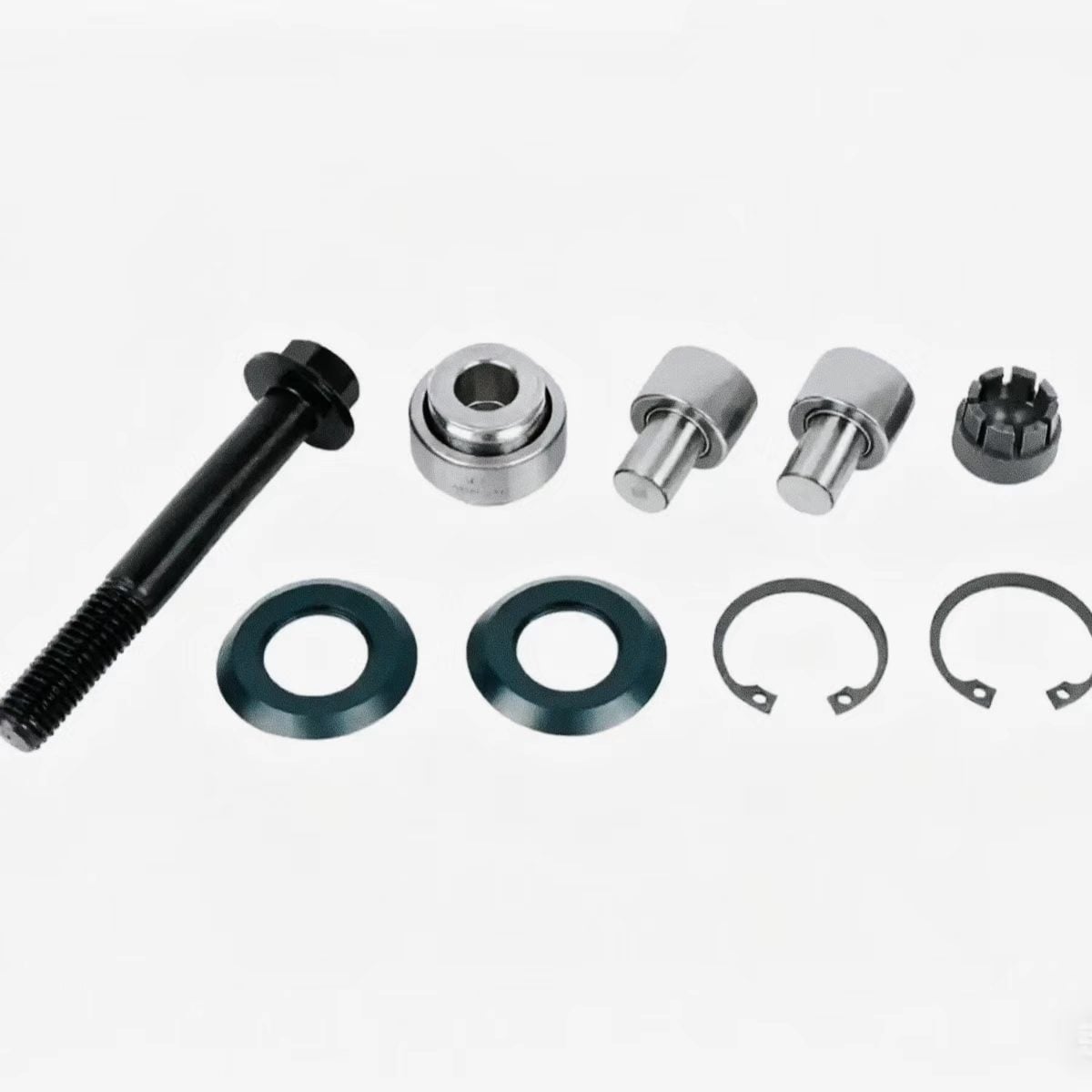
ဟိုက်ဒရောလစ်ဆီ ထိန်းသိမ်းရေး – စနစ်၏ အခြားတစ်ဝက်
ပေါက်ကွဲမှု ဆီစက်ဝိုင်းတွင် အထူးသီးသန့် အဆီပေးစက်မှု ဖော်စပ်မှုများ မလိုအပ်ပါ— ဟိုက်ဒရောလစ်ဆီသည် ပစ်စတန် အတွင်းသို့ ရေပိုင်းဆီဖလင်ကို ပေးစေပါသည်၊ အထူးသဖြင့် ဖယ်လ်ဗ်ဘလောက် စပူးလ်များနှင့် လှည့်ပတ်မှု မော်တာများတွင် ဖြစ်ပါသည်။ ထိုဆီသည် လိုအပ်သည်မှာ သန့်ရှင်းမှုသာ ဖြစ်ပါသည်။ ညစ်ညမ်းနေသော ဟိုက်ဒရောလစ်ဆီသည် ပေါက်ကွဲမှု ဖယ်လ်ဗ်များ ပုံပိုင်းပျက်စီးမှု၊ လမ်းညွှန် စလေးဖ်များ၏ အပ်စက်ပုံပိုင်း ပျက်စီးမှုနှင့် လှည့်ပတ်မှု မော်တာများ ပုံပိုင်းပျက်စီးမှုတို့၏ အဓိက အကြောင်းရင်း ဖြစ်ပါသည်။ ISO သန့်ရှင်းမှု ကုဒ် ၁၆/၁၄/၁၁ သည် ပေါက်ကွဲမှု ဆီစက်ဝိုင်းအတွက် ပန်းတိုင်ဖြစ်ပါသည်။ ထိုကုဒ်ထက် ညစ်ညမ်းမှုများ ပိုများသော စနစ်များသည် ဒရိုင်ဖ်တာတွင် အတိကျသော အကွာအဝေးများတွင် ပုံပိုင်းပျက်စီးမှုကို တစ်ပါတည်း မြန်ဆန်စေပါသည်။
ထုတ်လုပ်သူမှ အကြံပေးထားသော အချိန်ကာလအတိအကျ အီးယ်အိုင်လ် အစားထိုးခြင်း (နှင့်) သံမှုန်များ ဝင်ရောက်စေနိုင်သည့် မည်သည့် အစိတ်အပိုင်း ပျက်စဲမှုအပြီးတွင် ချက်ချင်း အီးယ်အိုင်လ် အစားထိုးခြင်းသည် အဓိက ဟိုင်ဒရောလစ် ထိန်းသောင်းမှု လုပ်ဆောင်ချက်ဖြစ်သည်။ HOVOO သည် အဓိက ဒရေးဖ်တာ မော်ဒယ်အားလုံးအတွက် စီးလ် ကစ်များကို ပေးသည်။ အီးယ်အိုင်လ် အစားထိုးခြင်းကို စီမံချဉ်းကပ်ရာတွင် အီးယ်အိုင်လ် အစားထိုးခြင်းကို seal ကော်ပျူကစ် စစ်ဆေးမှုကာလသည် အထူးသဖြင့် ပုံမှန်ပြုပြင်မှုတစ်ခုအတွက် စက်ပုံစံ၏ စီးရီးန်းအတွင်း လျှပ်စစ်ခုံးအတွင်းသို့ ဝင်ရောက်မှုကို ပြုလုပ်ပြီးနောက် အခြားသော ပုံမှန်ပြုပြင်မှုအတွက် သုံးပတ်အကြာတွင် ထပ်မံဝင်ရောက်မှုမှုလုပ်ရန် မလိုအပ်စေရန် ဖြစ်သည်။ အသေးစိတ်မော်ဒယ်အချက်အလက်များကို hovooseal.com တွင် ကြည့်ရှုနိုင်ပါသည်။


