

 EN
EN
 AR
AR CS
CS DA
DA NL
NL FI
FI FR
FR DE
DE EL
EL IT
IT JA
JA KO
KO NO
NO PL
PL PT
PT RO
RO RU
RU ES
ES SV
SV TL
TL IW
IW ID
ID LV
LV SR
SR SK
SK VI
VI HU
HU MT
MT TH
TH TR
TR FA
FA MS
MS GA
GA CY
CY IS
IS KA
KA UR
UR LA
LA TA
TA MY
MY
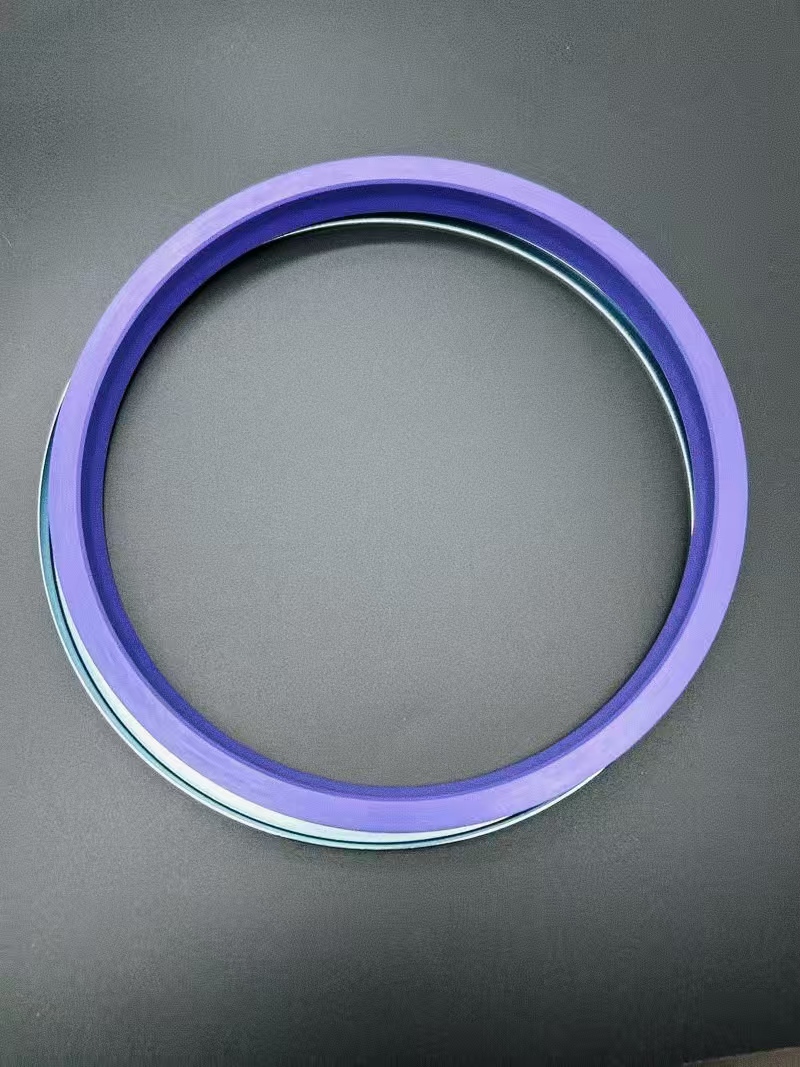
ဟိုက်ဒရောလစ် ကျောက်တူးစက် အလုပ်လုပ်ပုံကို ရှင်းပေးသည့် အများစုသည် ပစ်စန်းဖြင့် စတင်ကြသည်။ ထိုသည်မှာ မှားယွင်းသော အစပျိုးမှုဖြစ်သည်။ ပစ်စန်းသည် ဟိုက်ဒရောလစ်-မက်ကန်နီကယ် စနစ်၏ အထွက်ဖြစ်သည်။ ပစ်စန်းလုပ်ဆောင်ပုံကို နားလည်ခြင်းသည် အသုံးဝင်မှုရှိသည့်အတွက် ပထမဆုံး ပစ်စန်းကို ထိန်းချုပ်သည့် အရာကို နားလည်ရန် လိုအပ်သည်။ ကုပ်လင်း ပေါက်ကွဲမှု စနစ်သည် အခြေခံအားဖြင့် ဟိုက်ဒရောလစ် အိုဆီလေတာဖြစ်သည်။ ပြောင်းလဲသည့် ဗာဗယ်သည် ပစ်စန်း၏ ရှေ့နှင့် နောက်ဘက် အခန်းများသို့ ရေနံစီးဆင်းမှုကို အချိန်မှန်စွာ ပြောင်းလဲပေးခြင်းဖြင့် အဆက်မပြတ် အလှည့်ကျ လှုပ်ရှားမှုကို ထောက်ပံ့ပေးသည်။ ထို့နောက်တွင် ဖြစ်ပေါ်လာသည့် အရာများဖြစ်သည့် ပစ်စန်း၏ အမြန်နှုန်း၊ တိုက်ခိုက်မှု စွမ်းအားနှင့် ကြိမ်နှုန်း စသည်တို့သည် ထို ပြောင်းလဲမှုကို အချိန်မှန်စွာ ပေးနိုင်မှုအပေါ်တွင် မှီခိုသည်။
အပြည့်အဝ ဖောက်ထုတ်ခြင်းလုပ်ဆောင်မှုသည် လုပ်ဆောင်ချက်သုံးရပ်ကို တစ်ပါတည်း ပေါင်းစပ်ထားပါသည်။ အလျားလိုက် တုန်ခါမှု (ပစ်စတန်၏ တုန်ခါမှု)၊ လှည့်ခြင်း (ဖောက်ထုတ်ရှားကို လှည့်ပေးခြင်းဖြင့် တုန်ခါမှုတိုင်းသည် ကျောက်သစ်ပေါ်သို့ တိုက်ရိုက်ကျရောက်စေခြင်း) နှင့် အားပေးမှု (ဖောက်ထုတ်ခြင်းအိုင်ရှားကို မျက်နှာပြင်သို့ ဖိနှိပ်ပေးသည့် အား)။ အဆိုပါလုပ်ဆောင်ချက်သုံးရပ်လုံးကို ဟန်ခေါင်းညှိပေးရန် လိုအပ်ပါသည်။ ထိုသို့မဟုတ်ပါက ဟိုက်ဒရောလစ်အားကို မည်မျှပဲ ပေးပေး စနစ်သည် အကောင်အထောက်မဖြစ်ပါ။
တုန်ခါမှု စက်ဝန်း - တစ်ခေါက်တွင် အဆင့်ရှစ်ပါသည်
ပစ်စန်း၏ လှုပ်ရှားမှုသည် တစ်ကြိမ်သော တုန်ခါမှု စက်ကွင်းတွင် ပြောင်းလဲသော ဖိအားမှု အခြေအနေ ရှစ်မျူးကို ဖြတ်သန်းသွားပါသည်။ ထိုအခြေအနေများကို ပစ်စန်း၏ အနေအထားနှင့် ညှိပေးသည့် ပြောင်းလဲသော ဖိအားမှု ဖိအားမှု ဖိအားမှု ဖိအားမှု ဖိအားမှု ဖိအားမှု ဖိအားမှု ဖိအားမှု ဖိအားမှု ဖိအားမှု ဖိအားမှု ဖိအားမှု ဖိအားမှု ဖိအားမှု ဖိအားမှု ဖိအားမှု ဖိအားမှု ဖိအားမှု ဖိအားမှု ဖိအားမှု ဖိအားမှု ဖိအားမှု ဖိအားမှု ဖိအားမှု ဖိအားမှု ဖိအားမှု ဖိအားမှု ဖိအားမှု ဖိအားမှု ဖိအားမှု ဖိအားမှု ဖိအားမှု ဖိအားမှု ဖိအားမှု ဖိအားမှု ဖိအားမှု ဖိအား...... အခြေအနေ ၁ တွင် အမှုန်းဖိအားရှိသော ဆီသည် ရှေ့ဘက် အခန်းထဲသို့ ဝင်ရောက်ပြီး ပစ်စန်းကို ပြောင်းလဲသော လှုပ်ရှားမှု (ပြန်လည်လှုပ်ရှားမှု) ဖြင့် နောက်ဘက်သို့ တွန်းပေးပါသည်။ ပြန်လည်လှုပ်ရှားမှု အတွင်းတွင် ပြောင်းလဲသော ဖိအားမှု ဖိအားမှု ဖိအားမှု ဖိအားမှု ဖိအားမှု ဖိအားမှု ဖိအားမှု ဖိအားမှု ဖိအားမှု ဖိအားမှု ဖိအားမှု ဖိအားမှု ဖိအားမှု ဖိအားမှု ဖိအားမှု ဖိအားမှု ဖိအားမှု ဖိအားမှု ဖိအားမှု ဖိအားမှု ဖိအားမှု ဖိအားမှု ဖိအားမှု ဖိအားမှု ဖိအားမှု ဖိအားမှု ဖိအားမှု ဖိအားမှု ဖိအားမှု ဖိအားမှု ဖိအားမှု ဖိအားမှု ဖိအားမှု ဖိအားမှု ဖိအားမှု ဖိအားမှု ဖိအား...... ပစ်စန်း၏ အနေအထားကို အတွင်းပိုင်း ဖိအားမှု ဖိအားမှု ဖိအားမှု ဖိအားမှု ဖိအားမှု ဖိအားမှု ဖိအားမှု ဖိအားမှု ဖိအားမှု ဖိအားမှု ဖိအားမှု ဖိအားမှု ဖိအားမှု ဖိအားမှု ဖိအားမှု ဖိအားမှု ဖိအားမှု ဖိအားမှု ဖိအားမှု ဖိအားမှု ဖိအားမှု ဖိအားမှု ဖိအားမှု ဖိအားမှု ဖိအားမှု ဖိအားမှု ဖိအားမှု ဖိအားမှု ဖိအားမှု ဖိအားမှု ဖိအားမှု ဖိအားမှု ဖိအားမှု ဖိအားမှု ဖိအားမှု ဖိအား...... လမ်းကြောင်းမှ သိရှိပြီး ကိုယ်ပိုင် ပြောင်းလဲမှုကို စတင်ပါသည်— အမှုန်းဖိအားရှိသော ဆီကို ရှေ့ဘက် အခန်းမှ နောက်ဘက် အခန်းသို့ ပြောင်းလဲပေးခြင်းဖြစ်သည်။ အခြေအနေ ၇ တွင် ပစ်စန်းသည် အမြင့်ဆုံး အမြန်နှုန်းဖြင့် ရှေးချိုးမှု မျက်နှာပြင်နှင့် ထိတွေ့ပါသည်။ ပြောင်းလဲသော ဖိအားမှု ဖိအားမှု ဖိအားမှု ဖိအားမှု ဖိအားမှု ဖိအားမှု ဖိအားမှု ဖိအားမှု ဖိအားမှု ဖိအားမှု ဖိအားမှု ဖိအားမှု ဖိအားမှု ဖိအားမှု ဖိအားမှု ဖိအားမှု ဖိအားမှု ဖိအားမှု ဖိအားမှု ဖိအားမှု ဖိအားမှု ဖိအားမှု ဖိအားမှု ဖိအားမှု ဖိအားမှု ဖိအားမှု ဖိအားမှု ဖိအားမှု ဖိအားမှု ဖိအားမှု ဖိအားမှု ဖိအားမှု ဖိအားမှု ဖိအားမှု ဖိအား...... သည် ထိုအချိန်တွင် အတိအကျ ပြောင်းလဲသော အနေအထားသို့ ရောက်ရှိရန် လိုအပ်ပါသည်။ အလွန်မြန်ပါက ရှေ့ဘက် အခန်းတွင် အမှုန်းဖိအားရှိသော ဆီသည် ပစ်စန်းကို ရှေးချိုးမှု မျက်နှာပြင်နှင့် ထိတွေ့မီ အရှိန်ကို ရပ်တန်းစေပါသည်။ အလွန်နှေးပါက ထိတွေ့ပြီးနောက် နောက်ဘက် အခန်းသည် ဖိအားမှု အောက်တွင် ရှိနေပါမည်။ ထိုအချိန်တွင် ဒုတိယအကြိမ် ထိတွေ့မှု (‘တွေ့ခြင်းနှစ်ကြိမ်’) ဖြစ်ပါသည်။ ထိုသို့သော ဒုတိယအကြိမ် ထိတွေ့မှုသည် စွမ်းအင်ကို ဖုန်းစေပါသည်။ ထိုသို့သော ဒုတိယအကြိမ် ထိတွေ့မှုသည် နောက်တစ်ကြိမ် ထိရောက်သော ထိတွေ့မှုအတွက် အထောက်အကူမဖြစ်ပါသည်။
ပြောင်းလဲသည့် ဖိအားမှုန်းခေါ် တန်းကွင်း (reversing valve) အချိန်ကို လေ့လာခြင်းအရ ဒုတိယအကျိုးသက်ရောက်မှု အကြောင်းအရင်း (secondary-impact fault) သည် ထုတ်လုပ်မှုအတွင်းရှိ ဒရစ်ဖ်တာများ (drifters) တွင် သတ်မှတ်ထားသည့် ပြောင်းလဲမှုစွမ်းအား (percussion energy) ထက် နိမ့်ကျနေခြင်း၏ အဓိကအကြောင်းရင်းဖြစ်ကြောင်း တွေ့ရှိခဲ့ပါသည်။ ဒုတိယအကျိုးသက်ရောက်မှုသည် ပြောင်းလဲသည့် ဖိအားမှုန်းခေါ် တန်းကွင်း၏ အမြန်နှုန်း မလ sufficiently ဖြစ်သည့်အခါ ဖြစ်ပေါ်လာပါသည်။ စီလင်ဒါနှင့် ဖိအားမှုန်းခေါ် တန်းကွင်း၏ အတွင်းဘက်အမြင် (valve bore) အကြား အကွာအဝေး ε သည် ဖိအားမှုန်းခေါ် တန်းကွင်း ပြောင်းလဲမှုအမြန်နှုန်းကို ထိန်းချုပ်ပါသည်။ ε = 0.01 mm ဖြစ်သည့်အခါ အကွာအဝေးမှ အောက်စီဂျင်စီးဆင်းမှု (clearance flow) သည် ဒီဇိုင်းအတိုင်း ပြောင်းလဲမှုအမြန်နှုန်းကို ထိန်းသိမ်းပေးပါသည်။ အကွာအဝေးကို ပိုမျှောင်းသည်ဖြစ်စေ၊ ပိုတောင်သည်ဖြစ်စေ ပြောင်းလဲမှုစွမ်းအားကို လျော့နည်းစေပါသည်။ အကွာအဝေးကို ပိုမျှောင်းပါက ဖိအားမှုန်းခေါ် တန်းကွင်း ပြောင်းလဲမှုအမြန်နှုန်း နှေးကွေးခြင်း (ဒုတိယအကျိုးသက်ရောက်မှု) ကြောင့်ဖြစ်ပါသည်။ အကွာအဝေးကို ပိုတောင်ပါက ဖိအားမှုန်းခေါ် တန်းကွင်း ပြောင်းလဲမှုအမြန်နှုန်း ပေါ်လွန်ခြင်း (overshoot) ကြောင့် ပစ်တန်း၏ အမြန်နှုန်း ဆုံးရှုံးခြင်းဖြစ်ပါသည်။
အားဖိအားလှုပ်ရှားမှု လွှဲပေးခြင်း – ကျောက်မျက်နှုန်းတွင် စွမ်းအား
ပစ်စန်းသည် အမြန်နှုန်း v ဖြင့် ရှန်က်ကို တိုက်ခိုက်သည့်အခါ ကျောက်တူးချောင်းအတွင်းသို့ အောက်ဘက်သို့ သိပ်သည်းမှု လှိုင်းကို ဖြစ်ပေါ်စေပြီး ထိုလှိုင်းသည် ကျောက်ကို ခွဲခြင်းအတွက် အားကို ဖော်ပေးသည်။ ထိုလှိုင်း၏ အမြင့်သည် ကျောက်တူးချောင်းအတွင်း ပုံသဏ္ဍာန် ပျံ့နှံ့မှုနှင့် ချောင်း၏ ဆက်သွယ်မှုများတွင် ပုံမှန်အတိုင်း လျော့နည်းလာသည်။ couplings , နှင့် ပစ္စည်း၏ စိတ်ဖြေလျော့မှု။ ကွင်းပေါ်တွင် တိုင်းတာမှုများအရ ဖိအားလှိုင်းပုံစံသည် ကြိမ်နှုန်းချိန်သတ်မှတ်ထားပြီး ရောဒ်၏ အလျားတစ်လျောက် သုညနီးပါးသို့ လျော့နည်းသွားသည်—ဆိုလျှင် အနက်ရှိုင်းတွင် အသုံးပြုနိုင်သော ထိခိုက်မှုစွမ်းအားသည် ရှန်က်တွင် ပစ်တုန်းမှ ထုတ်လုပ်သည့် စွမ်းအား၏ အစိတ်အပိုင်းသာ ဖြစ်သည်။
စီးပီးတန်း၊ ရှန့်၊ ရောဒ်နှင့် ဘစ်တ်အကြား အချိန်မှီမှု (Impedance matching) သည် စွမ်းအင်လွှဲပေးမှုအတွက် အရေးကြီးပါသည်။ ဤအစိတ်အပိုင်းများအကြား လှိုင်းခုခံမှု (wave resistance) (ဖော်ပ်စ်ဆက်ပ်ရှန်အကူးအပြောင်းဧရိယာနှင့် အသံအမြန်နှုန်းတို့၏ မြှောက်ဖော်ကိန်း) ကို ကိုက်ညီအောင် ပြုလုပ်ထားပါက လှိုင်းဖိအားသည် အန်တာဖေးတွင် ပြန်လည်ရောင်ပ်ခြင်းမရှိဘဲ ထိရောက်စွာ လွှဲပေးနိုင်ပါသည်။ စီးပီးတန်းရောဒ်အချင်းသည် ဒရိုင်းလ်ရောဒ်အချင်းနှင့် သိသိသာသာ မကိုက်ညီပါက လှိုင်း၏ အစိတ်အပိုင်းတစ်ခုသည် ပြန်လည်ရောင်ပ်ပါမည်— ထိုပြန်လည်ရောင်ပ်လာသော အစိတ်အပိုင်းသည် စွမ်းအင်အသုံးမဝင်ခြင်းဖြစ်ပါသည်။ ထို့ကြောင့် စီးပီးတန်း၏ ပုံစံသည် အထွေထွေဒီဇိုင်းမဟုတ်ဘဲ ရောဒ်အချင်းအမျိုးအစားတစ်မျိုးအတွက် အထူးရှိရှိ အကောင်းဆုံးဖော်ပေးထားခြင်းဖြစ်ပါသည်။
လှည့်ပေးသည့် စနစ် - အချိန်ကိုက်ညီမှု (Timing Between Blows)
ပေါက်ကွဲမှုအတွင်း လှည့်စောင်းမော်တာသည် ဒရိုင်းလ်စ်ထရင်းကို အဆက်မပြတ်လှည့်ပေးပါသည်။ လှည့်နှုန်းကို ဘီတ်သည် တစ်ခါလျှင် အနေအထား ၅–၁၀ ဒီဂရီ အထိ ရှေးရှေးသို့ ရွေ့လာစေရန် သတ်မှတ်ထားပါသည်။ ထိုထောင်လိုက် ရွေ့လျားမှုသည် နောက်တစ်ခါ ထိခိုက်မှုမှီ ကာဘိုင်းဒ် ဘတ်တ်န်အောက်တွင် ကျောက်သစ်မျက်နှာပြင်ကို အသစ်ဖြင့် တင်ပေးပါသည်။ ရွေ့လျားမှု အလွန်နည်းပါက- ကာဘိုင်းဒ်သည် အရင်က ကွဲထွက်ပြီးသား နေရာကို ထပ်မြောက်စေပါသည်။ ထိုအခါ အမှုန်များနှင့် အပူပိုမိုထွက်ပေါ်လာပြီး ကွဲထွက်မှုအသစ် ဖြစ်ပေါ်စေခြင်းမရှိပါ။ ရွေ့လျားမှု အလွန်များပါက- ကာဘိုင်းဒ်သည် အရင်ထိခိုက်မှုများကြောင့် ကွဲထွက်ပြီးသား နေရာများကြားရှိ ကွဲထွက်မှုမရှိသေးသော ကျောက်ကို ထိမိပါသည်။ ထိုသို့သော အခြေအနေတွင် အစိတ်အပိုင်းအား အပိုင်းအစိတ်အားဖြင့် ကွဲထွက်ပြီးသား မျက်နှာပြင်ပေါ်တွင် ထိမိခြင်းထက် ပိုမိုမကောင်းမွန်ပါသည်။
လှည့်ပတ်မော်တာသည် ချောက်ချားမှုစက်ဝန်းမှ အလွတ်သမ်းဖြစ်ပြီး အထူးသဖြင့် ဟိုက်ဒရောလစ်စက်ဝန်းဖြင့် ထိန်းချုပ်ပါသည်။ ဘစ်သည် မာကြောသော အလွှာများနှင့် တွေ့ကုန်သည့်အခါ သို့မဟုတ် ချောက်ချားမှုမှ ထွက်ပေါ်လာသော အမှုန်များ စုပုံလာပြီး ရေစီးကြောင်းကို တားဆီးသည့်အခါ လှည့်ပတ်မော်မင်းအား တိုးမြင့်လာပါသည်။ လှည့်ပတ်မော်မင်းအား ရပ်တန့်စေသည့် မော်မင်းအထိတ်အလန့် (torque spike) သည် ချောက်ချားမှု ဆက်လက်လုပ်ဆောင်နေသည့်အခါ ဘစ်ကို နေရာတွင် ချောက်ချားမှုမရှိသည့် ကြေးနောင်များပေါ်တွင် အနေအထားတုန်းတုန်းဖြင့် အမှုန်များကို ထုတ်လုပ်ပေးနေပါသည်။ ဤအခြေအနေတွင် မော်တာကြေးနောင်သည် လှည့်ပတ်မော်မင်းအားနှင့် ဖိအားအားနှစ်များ ပေါင်းစပ်မော်မင်းအားကို ခံစားရပြီး စက္ကန်အနည်းငယ်အတွင်း အသုံးပျော့မှုနှုန်းကို ကျော်လွန်သွားနိုင်ပါသည်။ ခေတ်မီ ဂျမ်ဘိုများတွင် အသုံးပြုသည့် အတားအဆီးမှကင်းဝေးရေး လုပ်ဆောင်ချက်သည် ဤအခြေအနေကို သိရှိပြီး ကြေးနောင်ပျက်စီးမှု ဖြစ်ပေါ်မှုမှ ကာကွယ်ရန် ချောက်ချားမှုဖိအားကို လျော့ချခြင်း သို့မဟုတ် လှည့်ပတ်မော်မင်းကို ခဏအတွင်း ပြောင်းပေးခြင်းတို့ကို ပြုလုပ်ပါသည်။
အားပေးမှုအား: ထိတ်တွေ့မှုညီမျှခြင်း
ဖီဒ် ဖြစ်စေသော အားသည် ပေါက်ကွဲမှု တုန်ခါမှုများကြားတွင် ဘစ်ကို ကျောက်မျက်နှာပေါ်တွင် ဖိထားပေးသည့် အလျားလိုက် ဖိအားဖြစ်သည်။ ထိုဖီဒ် ဖြစ်စေသော အားမရှိပါက ဘစ်သည် ပြန်လာသော ဖိအား တုန်ခါမှုကြောင့် အနည်းငယ် မျှ မှုန်းသွားပြီး နောက်တစ်ကြိမ် ပေါက်ကွဲမှု ရောက်လာမှုအထိ ကျောက်မျက်နှာပေါ်နှင့် ထိတွေ့မှု ဆုံးရှုံးသည်။ ထို့ကြောင့် တစ်ခုချင်းစီသော ထိခိုက်မှုသည် ဘစ်ကို ကျောက်မျက်နှာပေါ်သို့ ပြန်လာစေရန် အရှိန်မှုန်းရာတွင် အပိုင်းအစ အသုံးပြုခံရပြီး ကျောက်ကို ကွဲအောင် ထိခိုက်ရန် အသုံးမဝင်တော့ပါ။ ဖီဒ် ဖြစ်စေသော အား အလွန်များပါက ဘစ်သည် ကျောက်မျက်နှာပေါ်တွင် အလွန်တင်းကျပ်စွာ ဖိမိသည့်အတွက် ပစ္စတန်သည် အပြည့်အဝ ရှေးနောက် ရှုပ်ထွေးမှုကို ပြီးမောင်းနိုင်ခြင်း မရှိပါ။ ထို့ကြောင့် ထိခိုက်မှု စွမ်းအားသည် အတိုအထီးဖြစ်ပြီး ထိရောက်သော ပေါက်ကွဲမှု စွမ်းအားသည် ကျဆင်းသွားပါသည်။
အကောင်းဆုံး ဖီဒ် အားသည် ပစ်တန်း၏ လှုပ်ရှားမှုကို မထိခိုက်စေဘဲ ဘီට်နှင့် ကျောက်သွင်းကြား ထိစပ်မှုကို မာက်န်းပြီး အဆက်မပါသော အားဖော်ပေးပါသည်။ လက်တွေ့တွင် အီးအီးအီးအီးအီးအီးအီးအီးအီးအီးအီးအီးအီးအီးအီးအီးအီးအီးအီးအီးအီးအီးအီးအီးအီးအီးအီးအီးအီးအီးအီးအီးအီးအီးအီးအီးအီးအီးအီးအီးအီးအီးအီးအီးအီးအီးအီးအီးအီးအီးအီးအီးအီးအီးအီးအီးအီးအီးအီးအီးအီးအီးအီးအီးအီးအီးအီးအီးအီးအီးအီးအီးအီးအီးအီးအီးအီးအီးအီးအီးအီးအီးအီးအီးအီးအီးအီးအီးအီးအီးအီးအီးအီးအီးအီးအီးအီးအီးအီးအီး......
ဒမ်ပင်းခြင်း – ကျောက်သွင်းက အသုံးမပြုသည့် စွမ်းအင်ကို ပြန်လည်ရယူခြင်း
ဖိအားလှိုင်းသည် ဘစ်မျက်နှာပေါ်သို့ ရောက်သောအခါ စွမ်းအားအတော်များများသည် ကျောက်ကို ကွဲစေသည်။ ကျန်သောစွမ်းအားများသည် တိုက်ရိုက်ပြန်လာပြီး ဒရိုင်လ်စ်ထရင်းတစ်လျောက် တင်ဆက်သည့် ဖိအားလှိုင်းဖြစ်သည်။ အကယ်၍ ထိုပြန်လာသောလှိုင်းကို မည်သည့်အရာမျှ မတားဆီးပါက ထိုလှိုင်းသည် ရှန်က်သို့ ရောက်ပြီး ဒရိုင်တာ ကိုယ်ထည်အတွင်းသို့ ပြန်လွှင်ပေးသည်—ထိုအခါ အိမ်အုပ်၊ ဘူမ်မောင်းများနှင့် ဖွဲ့စည်းမှုဆက်သွယ်မှုများကို ဖိအားဖေးသည်။ စိတ်ဖြေလျော့မှုစနစ်သည် ထိုပြန်လာသောစွမ်းအားကို ဖမ်းယူသည်။ တစ်ခုတည်းသော စိတ်ဖြေလျော့မှုဒီဇိုင်းများ (ပေါ်လွင်နေသော အကောင်းဆုံးအသုံးပြုမှု၊ အောက်ပါတွင်) အီပီရောက် COP) သည် ရှန်က်-ပစ်တုန်း ဆက်သွယ်မှုနေရာတွင် ပြန်လာသောလှိုင်းကို စုပ်ယူသည်။ နှစ်ခုပါသော စိတ်ဖြေလျော့မှုဒီဇိုင်းများ (ဖူရူကာဝာ HD စီးရီး) သည် နှစ်ခုသော အစဉ်လိုက် အခန်းများကို အသုံးပြုသည်။ ပထမအခန်းသည် ပုံမှန်ပြန်လာသောလှိုင်းကို စုပ်ယူသည်။ ဒုတိယအခန်းသည် ပထမအခန်းမှ ဖြတ်သွားသော ကျန်ရှိသော ပြန်လာသောစွမ်းအားကို ဖမ်းယူသည်။
ပေါက်ကွဲမှု ၈ နာရီ အချိန်ကြာသော အသုံးများသည့် မြေအောက် လုပ်ဖော်ကိုင်ဖက် အလုပ်အမှုဆောင်မှုတွင် စုစုပေါင်း ပြန်လည်ထွက်ပေါ်လာသော လှိုင်းစွမ်းအားကို စုပ်ယူရန် ဒမ်ပင်းစနစ်မှ စုပ်ယူသည့် စွမ်းအားသည် အလွန်များပါသည်။ ဒမ်ပင်းစနစ်၏ စီးဆင်းမှု ခုံခံစနစ်တွင် ပိုမိုမှုန်းနေသော အသုံးပြုမှုကြောင့် စုပ်ယူမှု ထိရောက်မှု လျော့နည်းလာပါသည်။ ထို့ကြောင့် ဒမ်ပင်းစနစ်မှ ဖမ်းယူရန် ဒီဇိုင်းထုတ်ထားသည့် စွမ်းအားများကို ဟောင်းစောင်း (housing) မှ စုပ်ယူရန် စတင်လာပါသည်။ HOVOO သည် အဓိက ဒရိုက်ဖ်တာ ပလက်ဖောင်းများအတွက် ဒမ်ပင်းစနစ် ပိုမိုမှုန်းနေသော ခုံခံစနစ် ပိုက်ခွေများနှင့် စံသတ်မှတ်ထားသော ပေါက်ကွဲမှု ပိုက်ခွေများကို ပေးအပ်ပါသည်။ hovooseal.com တွင် အပြည့်အစုံ ကိုးကားချက်များ ရရှိပါသည်။


