

 EN
EN
 AR
AR CS
CS DA
DA NL
NL FI
FI FR
FR DE
DE EL
EL IT
IT JA
JA KO
KO NO
NO PL
PL PT
PT RO
RO RU
RU ES
ES SV
SV TL
TL IW
IW ID
ID LV
LV SR
SR SK
SK VI
VI HU
HU MT
MT TH
TH TR
TR FA
FA MS
MS GA
GA CY
CY IS
IS KA
KA UR
UR LA
LA TA
TA MY
MY
ข้อมูลจำเพาะของดริฟเตอร์มักได้รับความสนใจเป็นพิเศษในการจัดซื้อเครื่องมือ แต่ระบบเครื่องมือเจาะ—รวมถึงอะแดปเตอร์เชื่อมกับส่วนหัว แท่งเจาะ การเชื่อมต่อ ปลอกหุ้ม และหัวเจาะ—คือปัจจัยที่กำหนดว่าพลังงานกระทบจากดริฟเตอร์จะส่งผ่านไปยังหน้าหินได้มากน้อยเพียงใด ทุกจุดต่อแบบเกลียวในชุดเครื่องมือจะสะท้อนคลื่นแรงดันบางส่วนกลับไปยังดริฟเตอร์แทนที่จะส่งผ่านไปข้างหน้าอย่างสมบูรณ์ ดังนั้น หากสภาพเกลียวไม่ดี การไม่สอดคล้องกันของมิติ หรือการเลือกวัสดุไม่เหมาะสมที่จุดต่อใดจุดหนึ่ง จะทำให้พลังงานที่ส่งถึงหัวเจาะลดลง โดยไม่จำเป็นต้องปรับเปลี่ยนอะไรบนตัวดริฟเตอร์เลย
สิ่งนี้ทำให้การจัดการเครื่องมือเจาะกลายเป็นจุดที่สามารถสร้างผลกระทบได้อย่างมาก แต่มักถูกมองข้าม: การปรับปรุงคุณภาพของเครื่องมือและการปฏิบัติตามวินัยในการบำรุงรักษาอย่างเข้มงวด สามารถกู้คืนพลังงานกระทบ (percussion energy) ได้ 5–15% ซึ่งสูญเสียไปที่บริเวณรอยต่อระหว่างชิ้นส่วนในชุดเครื่องมือเจาะ (string interfaces) โดยใช้ต้นทุนเพียงเศษเสี้ยวเมื่อเทียบกับการอัปเกรดระบบ drifter ให้มีพลังงานกระทบสูงขึ้น ผลทางคณิตศาสตร์ชี้ว่า การจัดการเครื่องมืออย่างมีประสิทธิภาพควรดำเนินการก่อนพิจารณาอัปเกรดระบบ drifter ที่มีราคาแพง
ตัวแปลงปลายแท่งเจาะ (Shank Adapter): ประตูสู่การถ่ายโอนพลังงาน
ตัวแปลงปลายแท่งเจาะ (shank adapter) เป็นชิ้นส่วนแรกที่ลูกสูบกระทบ — และยังเป็นชิ้นส่วนที่รับแรงเครียดต่อหน่วยปริมาตรสูงที่สุดในชุดเครื่องมือเจาะทั้งหมด มันทำหน้าที่ส่งผ่านทั้งแรงกระทบ (แรงอัดตามแนวแกน) และแรงบิดจากการหมุน (torsional load) พร้อมกันที่ความถี่ 30–65 เฮิร์ตซ์ แรงรวมที่เกิดขึ้นบริเวณรากเกลียว (thread root) ก่อให้เกิดวงจรความเครียดที่มีแอมพลิจูดสูง จึงเป็นเหตุผลว่าทำไมรากเกลียวของตัวแปลงปลายแท่งเจาะจึงเป็นจุดเริ่มต้นของการแตกร้าวที่พบบ่อยที่สุดในชุดเครื่องมือเจาะ เมื่อไม่มีการเปลี่ยนตัวแปลงปลายแท่งเจาะตามช่วงเวลาที่เหมาะสม
ความสมบูรณ์ของเกลียวขึ้นอยู่กับสามปัจจัย ได้แก่ คุณภาพวัสดุ (เหล็กโครงสร้างโลหะผสม ผ่านกระบวนการคาร์บูไรซ์จนมีความลึกของชั้นผิวแข็ง 0.8–1.2 มม.) ความแม่นยำของมิติ (รูปทรงส่วนหัวต้องสอดคล้องกับรุ่นดริฟเตอร์เฉพาะรุ่น— Epiroc COP Sandvik HL/RD กับก้านเจาะ Furukawa HD/PD ไม่สามารถใช้แทนกันได้ และความแข็งผิว (โดยทั่วไปอยู่ที่ 58–62 HRC บนผิวด้านข้างของเกลียว) อีกหนึ่งสัญญาณการสึกหรอที่มองเห็นได้คือพื้นผิวด้านหน้าที่ถูกกระทบจนบวม (mushroomed strike face) ซึ่งเกิดจากการสะสมของแรงกระแทกที่ปลายก้านซึ่งสัมผัสกับลูกสูบ รูปร่างที่บวมดังกล่าวจะเปลี่ยนลักษณะการแพร่กระจายคลื่นความเครียดเข้าสู่ก้าน ส่งผลให้ประสิทธิภาพการถ่ายโอนพลังงานลดลง ควรเปลี่ยนก้านเมื่อสังเกตเห็นการเปลี่ยนรูปของพื้นผิวด้านหน้าได้ชัดเจน
แท่งเจาะ: ตัวนำพลังงาน
แท่งเจาะส่งคลื่นความเครียดจากส่วนก้านไปยังหัวเจาะ ขณะเดียวกันก็ถ่ายทอดทอร์กที่ทำให้เกิดการหมุนและอนุญาตให้ของเหลวสำหรับล้างไหลผ่านรูตรงกลางได้ พื้นที่หน้าตัดของแท่งเจาะกำหนดค่าอิมพีแดนซ์ของคลื่น—การจับค่าอิมพีแดนซ์นี้ให้สอดคล้องกับค่าอิมพีแดนซ์ของส่วนก้านและหัวเจาะคือสิ่งที่ทำให้คลื่นความเครียดสามารถส่งผ่านได้โดยไม่เกิดการสะท้อนกลับอย่างรุนแรงที่แต่ละรอยต่อ แท่งเจาะที่มีขนาดเล็กหรือใหญ่กว่าส่วนก้านอย่างมีนัยสำคัญจะลดประสิทธิภาพในการส่งผ่านลงอย่างวัดค่าได้
มีการจัดเรียงแท่งหลักสองแบบ: แท่งต่อความยาว (Extension rods) มีเกลียวแบบเมีย (female threads) ที่ปลายทั้งสองข้าง และเชื่อมต่อกันผ่านปลอกเชื่อมแยกต่างหาก (coupling sleeves) ส่วนแท่งความเร็ว MF (Male-Female) มีเกลียวแบบผู้ (male) และแบบเมีย (female) บูรณาการอยู่ที่ปลายทั้งสองข้าง ซึ่งช่วยกำจัดปลอกเชื่อมออกได้ และลดจำนวนจุดที่คลื่นความเครียดสะท้อนกลับ—เหมาะสำหรับการปฏิบัติงานที่ให้ความสำคัญกับความตรงของรูและเปลี่ยนแท่งได้รวดเร็วขึ้น ทั้งนี้ การออกแบบเกลียวแบบไม่สมมาตรของ Sandvik (ซีรีส์ Alpha) ใช้มุมด้านข้าง (flank angles) ที่ต่างกันบนด้านที่ใช้สำหรับการขันแน่น เพื่อลดความเข้มข้นของแรงเครียดในบริเวณวิกฤตที่มักเป็นจุดเริ่มต้นของการหัก ซึ่งผลการทดสอบเปรียบเทียบระบุว่าอายุการใช้งานของชิ้นส่วนเพิ่มขึ้นอย่างน้อย 30%
การหมุนแท่งในชุดสายเจาะ—การหมุนสลับตำแหน่งของแท่งอย่างเป็นระยะเพื่อให้แท่งแต่ละแท่งเข้าไปอยู่ในตำแหน่งต่าง ๆ ภายในชุดสายเจาะ—ช่วยกระจายการสึกหรออย่างสม่ำเสมอมากขึ้น และยืดอายุการใช้งานโดยรวมของชุดสายเจาะ แท่งที่อยู่ในตำแหน่งบนสุดใกล้กับส่วนหัว (shank) จะรับแรงคลื่นความเครียดที่มีแอมพลิจูดสูงที่สุด จึงสึกหรอเร็วกว่าแท่งที่อยู่ต่ำกว่าในชุดสายเจาะ หากไม่มีการหมุน แท่งที่อยู่ตำแหน่งบนสุดจะเสียหายก่อน ในขณะที่แท่งอื่น ๆ ยังสามารถใช้งานได้ตามปกติ
การเลือกดอกสว่านตามชนิดของชั้นหิน
ประเภทหิน |
UCS |
ประเภทดอกสว่าน |
รูปทรงกระดุม |
การออกแบบกระโปรง |
เกลียว |
หินตะกอนนุ่ม |
<60 เมกะพาสคาล |
ดอกสว่านแบบครอส หรือ X-bit |
หัวบัฟเฟอร์แบบแบน/ตื้น |
ระบบระบายความร้อนแบบไหลผ่านกว้าง |
R25/R32 |
หินปูนระดับกลาง |
60–100 เมกะพาสคาล |
ดอกสว่านปุ่ม |
สเปอร์ฟิก |
มาตรฐาน |
R32/T38 |
หินทรายแข็ง |
100–150 เมกะพาสคาล |
ดอกสว่านปุ่ม |
ทรงกลม/แบบกระสุน |
มาตรฐาน |
T38/T45 |
หินแกรนิตแข็ง |
150–200 เมกะพาสคาล |
ดอกสว่านปุ่ม |
แบบกระสุน/ทรงกรวย |
Retrac |
T45/T51 |
หินควอตไซต์แข็งมาก |
200 MPa |
หัวเจาะแบบบัตตอน HQ |
รูปกรวย ขนาดเส้นผ่านศูนย์กลางใหญ่ |
Retrac |
T51/GT60 |
พื้นดินแตกร้าว |
ปรับได้ |
ดอกสว่านปุ่ม |
สเปอร์ฟิก |
Retrac |
T38/T45 |
การออกแบบกระโปรงแบบรีแทรก (Retrac) — ซึ่งปุ่มวัดขนาด (gauge buttons) ถูกติดตั้งในตำแหน่งที่หดเข้าไปเมื่อเทียบกับเรขาคณิตมาตรฐาน — ช่วยให้สามารถดึงดอกสว่านออกจากหลุมได้ดีขึ้นในชั้นหินที่เหนียวหรือยุบตัวได้ง่าย ในขณะที่เรขาคณิตกระโปรงแบบมาตรฐานเพียงพอสำหรับการใช้งานในหินแข็งที่ผนังหลุมยังคงสะอาดอยู่ การบังคับดึงดอกสว่านแบบมาตรฐานออกจากชั้นดินเหนียวที่เหนียวจับตัวแน่นจะทำให้เกิดการสึกหรอของปุ่มวัดขนาดเนื่องจากแรงกดข้างขณะดึงออก ซึ่งเรขาคณิตแบบรีแทรกสามารถหลีกเลี่ยงปัญหานี้ได้
ปลอกเชื่อมต่อ: อินเทอร์เฟซที่มักถูกมองข้าม
ปลอกต่อเชื่อมแท่งเหล็กเข้าด้วยกันแบบปลายต่อปลาย และเป็นชิ้นส่วนที่สึกหรอมากที่สุดในชุดอุปกรณ์หลังจากหัวเจาะ เนื่องจากต้องรับแรงพร้อมกันทั้งแรงดัด แรงบิด และแรงหมุนสลับ (tensile-compressive fatigue) ที่บริเวณข้อต่อเกลียวทั้งสองด้าน ปลอกต่อเชื่อมที่ผ่านกระบวนการคาร์บูไรซ์—ซึ่งมีความลึกของชั้นผิวแข็งเท่ากับแท่งเหล็ก (0.8–1.2 มม.)—มีอายุการใช้งานยาวนานกว่าปลอกต่อเชื่อมแบบผ่านการอบร้อนมาตรฐาน 3–4 เท่า ในการขุดหินแข็ง รูปทรงปลอกต่อเชื่อมแบบฟูลบริดจ์ (full-bridge) มีปริมาณวัสดุมากกว่าที่รากเกลียวเมื่อเทียบกับแบบฮาล์ฟบริดจ์ (half-bridge) จึงช่วยลดอัตราการเริ่มต้นของการแตกร้าวจากความเหนื่อยล้า (fatigue crack initiation) ที่ตำแหน่งที่รับแรงสูงสุด
การหล่อลื่นเกลียวที่การประกอบข้อต่อทุกจุดเป็นสิ่งที่จำเป็นอย่างยิ่ง สารป้องกันการยึดติดของโลหะ (anti-galling compound) ช่วยป้องกันไม่ให้เกิดการถ่ายโอนโลหะแบบยึดติดกันระหว่างผิวเกลียวในระหว่างวงจรการโหลดที่มีทั้งแรงกระแทกและแรงบิด ซึ่งเป็นรูปแบบความล้มเหลวที่ทำให้เกิดความเสียหายต่อเกลียวภายในเวลาเพียงไม่กี่ชั่วโมงในกรณีที่ไม่มีการหล่อลื่น จาระบีมาตรฐานที่ใช้ทาบนเกลียวของข้อต่อไม่เพียงพอ; สารดังกล่าวต้องประกอบด้วยสารเพิ่มประสิทธิภาพแบบฟิล์ม-ฟอร์มมิ่ง (EP additive) ที่สามารถคงประสิทธิภาพไว้ได้ภายใต้แรงดันสัมผัสทันทีทันใดที่เกิดขึ้นระหว่างการกระทบ
ช่วงเวลาในการบำรุงรักษา: สิ่งที่ตรวจสอบเมื่อใด
หลังการใช้งานแต่ละกะ: ทำความสะอาดตัวแปลงและข้อต่อเกลียว ตรวจสอบพื้นผิวส่วนที่กระทบ (strike face) ว่ามีการบวมหรือไม่ (mushrooming) ตรวจดูรากเกลียวด้วยตาเปล่าภายใต้แสงสว่างจ้าเพื่อหารอยแตก และหล่อลื่นให้ทั่ว
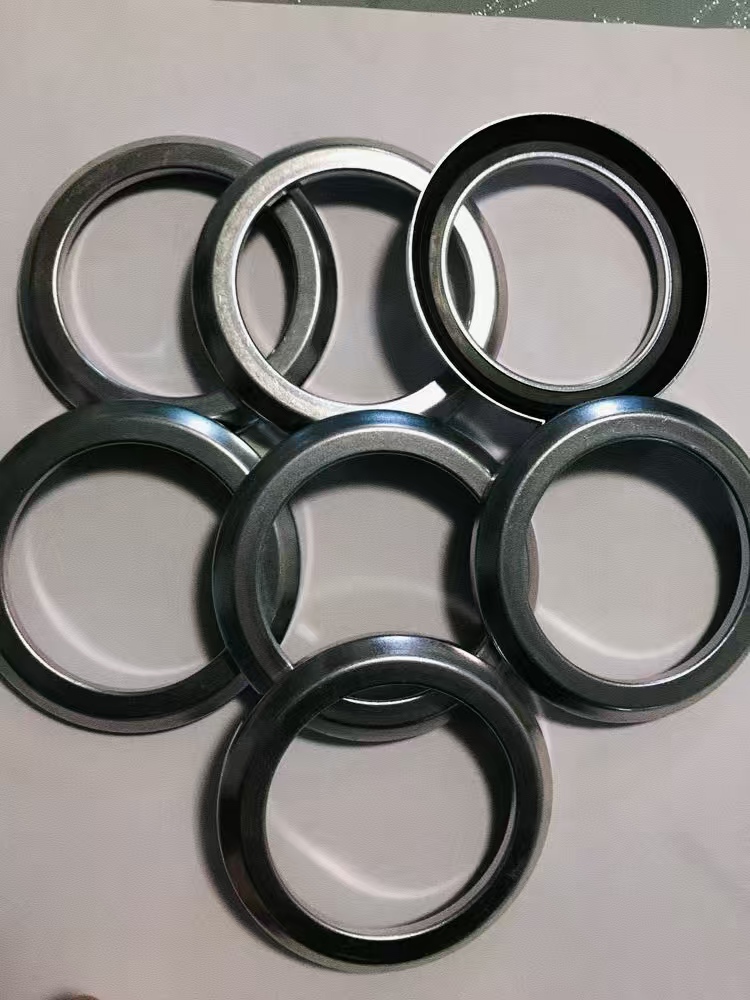
สภาพของซีลดริฟเตอร์สัมพันธ์โดยตรงกับสภาพของอุปกรณ์เจาะ: ปลอกนำทางที่สึกหรอ (ระยะห่างระหว่างปลอกกับก้าน 0.4 มม.) จะสร้างแรงดันที่ไม่อยู่ในแนวแกน ทำให้ก้านรับแรงเครียดซ้ำๆ บริเวณเกลียวเร่งให้เกิดการล้าของวัสดุเร็วขึ้น การแก้ไขระบบอุปกรณ์เจาะโดยไม่ตรวจสอบปลอกนำทาง หรือการเปลี่ยนปลอกนำทางโดยไม่ตรวจสอบก้าน จะทำให้แก้ปัญหาได้เพียงครึ่งเดียวเท่านั้น HOVOO จัดจำหน่ายชุดซีลปลอกนำทางร่วมกับชุดอุปกรณ์เคาะ (percussion kits) สำหรับแพลตฟอร์มดริฟเตอร์หลักทั้งหมด รายละเอียดแบบจำเพาะทั้งหมดมีให้ที่ hovooseal.com


