

 EN
EN
 AR
AR CS
CS DA
DA NL
NL FI
FI FR
FR DE
DE EL
EL IT
IT JA
JA KO
KO NO
NO PL
PL PT
PT RO
RO RU
RU ES
ES SV
SV TL
TL IW
IW ID
ID LV
LV SR
SR SK
SK VI
VI HU
HU MT
MT TH
TH TR
TR FA
FA MS
MS GA
GA CY
CY IS
IS KA
KA UR
UR LA
LA TA
TA MY
MY
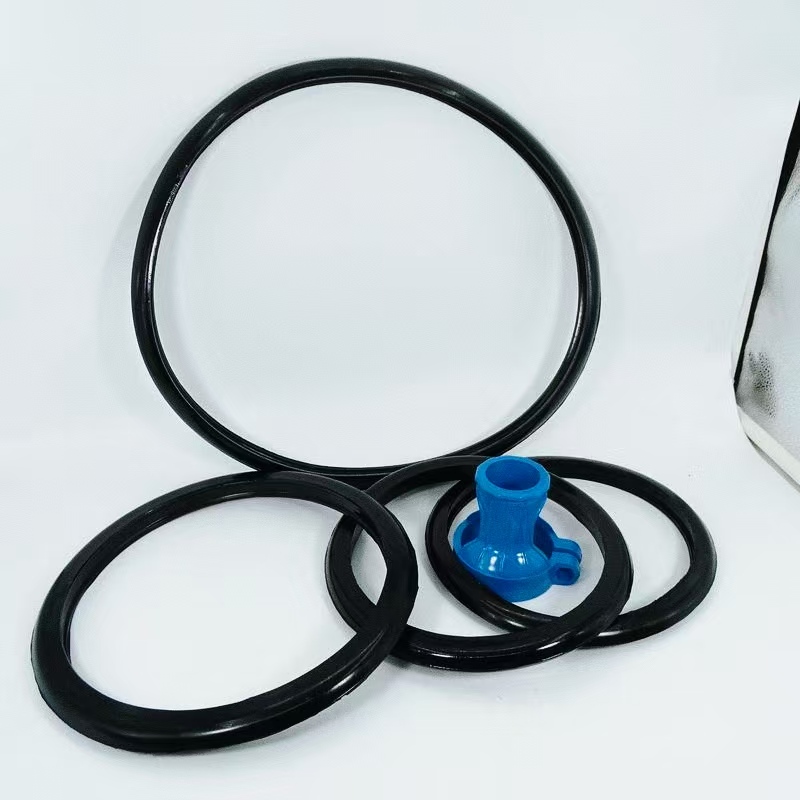
Ang pagbubuga ng langis sa isang hydraulic rock drill ay bihira lamang na isang abala. Ang isang nangungulay na seal ng flushing box ay nangangahulugan na pumapasok ang tubig sa percussion circuit sa kabaligtaran ng direksyon—nagdudulot ng kontaminasyon sa hydraulic oil at unti-unting nagpapagawa ng mga guhit sa ibabaw ng bore. Ang isang nangungulay na seal ng percussion chamber ay nangangahulugan na ang high-pressure circuit ay nawawala ang epektibong pressure differential sa bawat power stroke, kaya nababawasan ang blow energy bago pa man lumitaw ang anumang panlabas na bunganga. Sa oras na mapansin ng isang teknisyan ang tumitigas na langis sa ilalim ng drifter, karaniwan nang lubhang na-establish ang landas ng pinsala.
Ang tamang tugon sa pagbubuga ng langis ay ganap na nakasalalay sa kung aling circuit ang nangungulay, hindi sa dami ng langis na nakikita. Ang mga panlabas na bunganga sa mga hose fitting at port faces ay hiwalay na mga problema mula sa mga panloob na bunganga sa ibabaw ng mga seal face—at ang mga pamamaraan sa pagkukumpuni ay ganap na magkakaiba. Ang pagtrato sa kanila nang palitan ay ang pinagmulan ng karamihan sa mga nabigong pagkukumpuni ng pagbubuga.
Pag-uuri ng Bunganga Bago Hapuin ang Isang Wrench
Ang tatlong lokasyon ng pagbubuga ay sumasakop sa malaking bahagi ng mga kaso ng pagbubuga ng langis sa rock drill. Ang unang lokasyon ay ang panlabas na pagbubuga sa port: ang langis na tumatagos mula sa mga naka-thread na koneksyon sa pagitan ng mga hydraulic hose at ng katawan ng drifter. Ito ang pinakamadaling uri ng pagbubuga na mapapatunayan—linisin ang lugar, i-run ang maikling percussion cycle, at obserbahan kung saan lumilitaw ang bagong langis. Maaaring kadalasan ayusin ang mga koneksyon sa port sa pamamagitan ng pagpapahigpit nito ayon sa itinakdang torque; kung patuloy pa rin itong dumudrip o sumusulpot pagkatapos nito, nasira ang thread face seat at kailangan palitan ang fitting.
Ang pangalawa ay ang pagbubuhos ng tubig mula sa kahon ng flushing: pagbubuhos ng langis mula sa lugar ng circuit ng flushing patungo sa harap ng drifter. Ito ay nagpapahiwatig na nabigo ang mga seal ng flushing box—mga ito ay nagsuwear dahil sa normal na pag-uulit o nabawasan ang kalidad dahil sa kemikal na agresibong tubig para sa flushing. Ang kritikal na punto: ang pagbubuhos mula sa flushing box ay nagpapahintulot sa tubig na umurong papasok sa percussion chamber, kung saan nangyayari ang emulsification ng hydraulic oil. Ang isang sample ng hydraulic oil na may kulay gatas o madilim na kinuha mula sa drain port ng drifter matapos ang pagbubuhos mula sa flushing box ay kumpirmasyon ng kontaminasyong ito. Dapat palitan ang langis bago ilagay ang mga bagong seal, dahil kung hindi, ang abrasive na emulsion ay sisira sa mga bagong seal sa loob lamang ng ilang oras.
Ang pangatlo ay ang pagbubuhos mula sa silid ng percussive: ang langis na kumakalat sa likod ng drifter o sa lugar ng rotation motor, kadalasan nang walang malinaw na panlabas na pagkakalat. Ito ay karaniwang nagpapahiwatig ng isang problema sa percussive piston seal o sa valve block O-ring Ang sintomas ay ang pagkawala ng enerhiya ng percussive nang higit pa sa nakikitaang panlabas na pagbubuhos—ang langis ay dumadaan sa loob patungo sa return circuit imbes na lumabas sa housing.
Lokasyon ng Pagbubuhos at Paraan ng Pagsusuri Ayon sa Zona
Zona ng Pagbubuhos |
Nakikitang Palatandaan |
Hakbang sa Pagsusuri |
Pinakamalamang na Sanhi |
Pagpaparami |
Mga koneksyon sa port / hose |
Film ng langis sa naka-thread na koneksyon |
Linisin, i-run ang cycle, at i-kumpirma ang pinagmulan |
Maluwag na fitting o nasirang seat |
I-torque ayon sa espesipikasyon; palitan ang fitting kung nasira ang seat |
Kahon para sa pagpapalakas ng daloy |
Langis malapit sa harap ng drifter; madilaw na langis na hidrauliko |
Sample ng langis mula sa butas na pampalabas—madilaw = pumasok na tubig |
Nausog o kemikal na nasira ang seal para sa pagpapalakas ng daloy |
Palitan ang langis; palitan ang flushing kit ng Seal |
Percussion sa likuran |
Langis sa likuran ng drifter o sa lugar ng pag-ikot |
Pagsusuri ng daloy sa linya ng pampalabas para sa dami ng daloy na nagbubypass |
Ang seal ng percussion piston ay nagbabypass |
Palitan ang set ng seal ng percussion; suriin ang bore |
Piyerto ng accumulator |
Langis sa mukha ng diafragma ng accumulator |
Suriin ang paunang paga-load ng nitrogen sa diafragma |
Ang diafragma ay na-crack o nabigo ang O-ring |
Palitan ang diafragma ng accumulator; i-reseat ang O-ring |
Sel ng motor na nagpapaikot |
Langis mula sa daluyan ng langis ng housing na nagpapaikot |
Ihambing ang daloy ng daluyan sa espesipikasyon |
Gumagamit na sel ng shaft o nasalanta ng torque shock |
Palitan ang sel ng motor na nagpapaikot; suriin ang kasaysayan ng sobrang torque |
Gabay na sleeve / lugar ng shank |
Langis sa harapang chuck habang nagpapalit |
Suriin ang luwag ng gabay na sleeve |
Gumagamit na gabay na bushing; nabigo ang wiper seal |
Palitan ang mga seal ng gabay na sleeve; suriin ang luwag ng bushing |
Bakit Dapat Suriin ang Kalagayan ng Bore Bago Ilagay ang Bagong Seal
Ang bawat hydraulic seal ay gumagana laban sa isang machined bore surface. Kapag tumagal ang pagtagas ng langis sa paligid ng percussion piston seal, ang mga partikulo mula sa pag-degrade ng elastomer at pagkakaubos ng metal ay kumakalat sa return oil. Ang ilan sa mga partikulong ito ay nananatili sa bore wall at lumilikha ng mga scoring track—mga manipis na guhit na pahalang sa loob ng bore. Ang bagong seal na gumagalaw sa ibabaw ng mga guhit na ito ay mabilis na nabibigo: ang labi nito ay umaapak sa pinakamataas na bahagi ng guhit, nababali ang oil film, at dumadami ang abrasive wear sa linyang iyon ng kontak.
Ang protokol sa pagsusuri ay simple lamang. Pagkatapos tanggalin ang piston, ipasa ang isang malinis na tela na walang lint sa buong ibabaw ng bore sa ilalim ng mabuting pagkakasindi. Ang anumang nakikitang mga guhit na naka-score o mga butas na mas malawak kaysa sa humigit-kumulang 0.2 mm ay nangangailangan ng honing bago i-install ang mga bagong seal. Ang pag-iwas sa hakbang na ito at ang pag-install ng isang bagong kit sa isang nasira na bore ang pinakakaraniwang dahilan ng paulit-ulit na maagang pagkabigo ng seal—at ang pinakamadaling maiwasan.
Ang mga score na dulot ng kontaminadong tubig sa paghuhugas ay karaniwang nakatuon sa unahang bahagi ng bore malapit sa interface ng flushing box. Samantala, ang mga score na dulot ng kontaminasyon ng metal na partikulo ay mas pantay na nakadistribyu sa buong haba ng bore. Ang anyo ng mga score ay nagpapakita kung saan galing ang kontaminante.
Ang Kadena ng Kontaminasyon: Bakit Isang Pagkabigo ng Seal ang Nag-trigger sa Iba Pa
Ang mga rock drill na gumagana sa ilalim ng lupa ay partikular na madaling ma-contaminate. Ang mga seal sa percussion circuit ay maaaring mapahantong sa mga abrasive na partikula mula sa harap ng bato, sa kontaminasyon mula sa flushing circuit, at sa kontaminasyon ng hydraulic oil mula sa mga upstream filter na lumampas na sa kanilang itinakdang panahon ng paggamit. Ang alinman sa mga ito ay nagpapabilis sa pagsuot ng mga seal. Kapag ang pinabilis na pagsuot ay nagdudulot ng leakage, ang tumutulo na langis ay lumilikha ng sekondaryang kontaminasyon na umaabot sa susunod na seal sa circuit.
Ang madalas na pagkakawala at muling pagkakabit ng mga drill sa pressure source—na karaniwan sa ilalim ng lupa na pagmimina habang umuunlad ang harap ng mina—ay isang dokumentadong pinagmulan ng pumasok na kontaminante. Bawat siklo ng pagkakawala na nagbubukas ng isang hydraulic port ay pumapasok ng ilang atmospheric particles. Sa loob ng daan-daang siklo, ang ganitong karga ng kontaminasyon ay nakakalipas sa filter at umaabot nang direkta sa mga percussion seal.
Ang pinakaepektibong pag-iingat ay ang layunin sa kalinisan ng hydraulic oil: ISO cleanliness code na 16/14/11 o mas mahusay sa percussion circuit. Karamihan sa mga lokasyon ay gumagana nang mas madumi kaysa dito. Ang isang sample ng langis na kinuha sa 200 at 500 na oras ng operasyon at sinuri ng isang akreditadong laboratoryo ay nagbibigay ng maagang babala bago pa man makita ang pagkasira ng mga seal. Ito ay isang investisyon na $50 bawat sample na nakakaiwas sa pagpapalit ng seal kit na nagkakahalaga ng $400–600 kasama ang kaugnay na panahon ng paghinto sa operasyon.
HOVOO Seal Kits: Pagtutugma ng Compound sa Ugat na Dahilan ng Pagsusulot
Hindi lahat ng sitwasyon ng pagbubuhos ng langis ay nangangailangan ng karaniwang PU seal kit. Kung ang pagbubuhos ay dulot ng mataas na temperatura ng langis—ang langis na bumabalik ay higit sa 80°C, na pabilis sa compression set ng PU—ang mga compound na HNBR ay nagpapahaba ng maaasahang buhay ng seal ng 20–30%. Kung ang kontaminadong flushing water ang dokumentadong pinagmulan ng kontaminasyon, ang isang kit na may static seal na may PTFE backing sa flushing box circuit ay nababawasan ang panganib ng papasok na tubig sa hinaharap. Ang HOVOO ay nagbibigay ng rock drill seal kit sa parehong uri ng compound para sa lahat ng pangunahing brand ng drifter, na may mga sukat ng bore at geometry ng lip na partikular sa modelo at sumasalig sa mga teknikal na tukoy ng OEM. Mga sanggunian sa hovooseal.com.
Talaan ng Nilalaman
- Pag-uuri ng Bunganga Bago Hapuin ang Isang Wrench
- Lokasyon ng Pagbubuhos at Paraan ng Pagsusuri Ayon sa Zona
- Bakit Dapat Suriin ang Kalagayan ng Bore Bago Ilagay ang Bagong Seal
- Ang Kadena ng Kontaminasyon: Bakit Isang Pagkabigo ng Seal ang Nag-trigger sa Iba Pa
- HOVOO Seal Kits: Pagtutugma ng Compound sa Ugat na Dahilan ng Pagsusulot


