

 EN
EN
 AR
AR CS
CS DA
DA NL
NL FI
FI FR
FR DE
DE EL
EL IT
IT JA
JA KO
KO NO
NO PL
PL PT
PT RO
RO RU
RU ES
ES SV
SV TL
TL IW
IW ID
ID LV
LV SR
SR SK
SK VI
VI HU
HU MT
MT TH
TH TR
TR FA
FA MS
MS GA
GA CY
CY IS
IS KA
KA UR
UR LA
LA TA
TA MY
MY
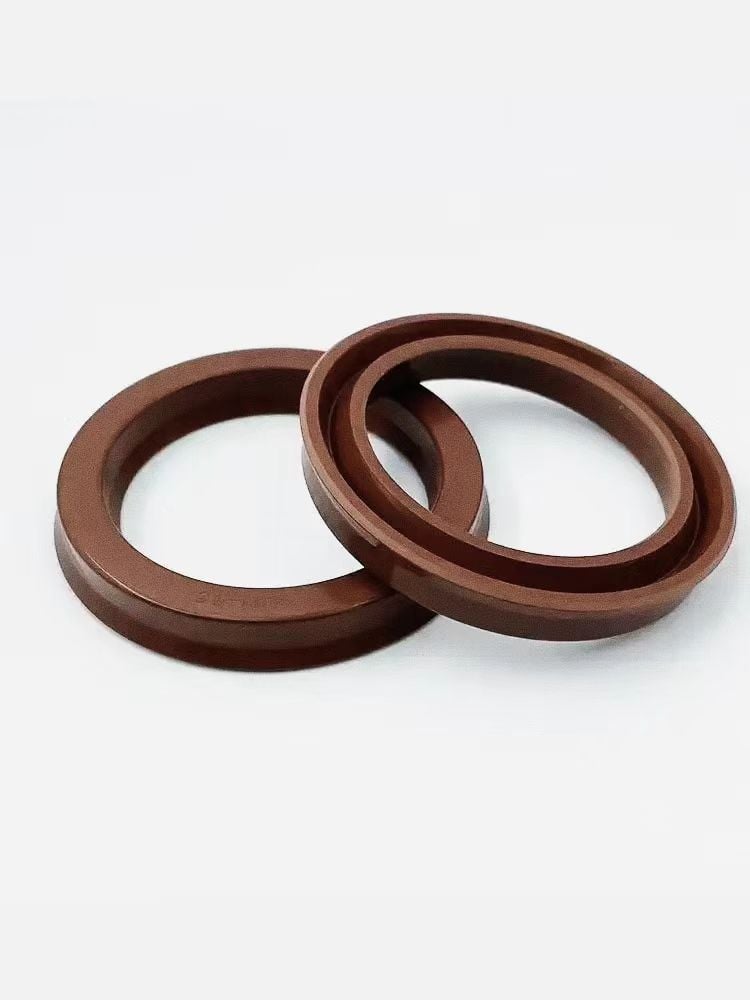
Ang Kaminiko road tunnel sa Hiroshima Prefecture ay tumagos sa granito na may compressive strength na higit sa 200 MPa, na may mga gusaling paninirahan na nasa 70 metro sa itaas ng crown nito. Ang pagpapaputok ay hindi isang opsyon para sa mahabang bahagi ng tunnel. Kailangan ng construction team ng hydraulic rock drill na kayang magpatuloy sa pagbuo ng libreng mukha (free-face) sa bilis na 3.5 m² kada oras sa matitigas na bato, sa isang heading kung saan walang sapat na espasyo para ma-manoeuvre ang malalaking kagamitan at walang toleransya sa anumang pinsala sa lupa sa itaas dulot ng vibration.
Iyan ang hanay ng mga limitasyon na nagtatakda ng tunnel-specific drilling—hindi lamang ang mas makitid na espasyo, kundi isang lubos na iba’t ibang engineering brief. Ang ingay, ang katatagan sa ilalim ng confined vibration, ang kahusayan ng flushing sa limitadong airflow, at ang boom geometry na nagbibigay ng buong pagsakop sa face nang hindi kinakailangan ang isang makina na hindi kayang pumasok sa cross-section kung saan ito dapat gumana. Bawat isa sa mga kinakailangang ito ay sumasalungat sa bawat isa, at ang isang drill na idinisenyo para sa open-pit bench work ay mabibigo sa ilan sa mga ito.
Ang Geometry Constraint: Bakit ang Compact ay Hindi Nangangahulugan ng Underpowered
Ang mga tunnel jumbo drill ay nakaklasipika batay sa cross-section na maaari nilang takpan, hindi batay sa sukat ng carrier. Ang isang rig na may rating para sa 7–35 m² na cross-section ay nangangailangan ng boom geometry na umaabot sa buong harapang profile—kabilang ang crown, floor, at sidewalls—nang walang kailangang i-reposition ang carrier. Ito ay nangangailangan ng isang articulated boom design na may kakayahang mag-hold ng parallel, upang ang feed beam ay manatiling perpendicular sa drill pattern anuman ang posisyon ng boom.
Ano ang ibig sabihin nito para sa rock drill mismo: kailangan nitong magbigay ng 12–20 kW na percussion power sa loob ng isang compact na drifter body. Ang stepped piston design na ginagamit sa ilang tunnel-oriented na drifter ay nagpapabuti ng kahusayan ng impact energy transfer nang eksaktong dahil ito ay optimising para sa power density, hindi para sa peak energy. Ang isang 15 kW na stepped-piston drifter sa isang 3.5 m × 1.8 m na heading ay kayang mapanatili ang 2 m/min na penetration sa bato na may lakas na 80–120 MPa habang sumasapat pa rin sa isang carrier na makakapasok sa isang 2.5 m × 1.5 m na access drift.
Ang mga mababang konpigurasyon—tulad ng klase ng KJ212 na idinisenyo para sa mga heading na kasing-sikip ng 3.5 m × 1.8 m—ay gumagamit ng isang boom na maaaring i-fold nang tiyak upang ang makina ay makapagmamaneho sa loob ng seksyon na 2.5 m × 1.5 m at pagkatapos ay buksan sa buong taas ng paggana sa harap. Hindi ito isang panghuli lamang na ideya; ito ay isang pangunahing kinakailangan sa disenyo para sa mga development heading sa mga minahan na may makitid na biyahe.
Ingay sa Isang Tunnel: Kung Saan Ang Pamantayan na Spesipikasyon Ay Nagiging Isyu sa Pagkakasunod
Ang bukas na pag-drill ng bato ay naglalabas ng 95–115 dB sa posisyon ng operator sa isang bukas na bakuran. Sa isang tunnel heading na 5 m × 5 m, ang parehong enerhiyang percussion ay wala nang lugar para mawala—ang sumasalat na tunog mula sa pader na kongkreto o shotcrete ay nagdaragdag ng 10–15 dB na reverberasyon. Ang tuloy-tuloy na pagkakalantad sa antas ng ingay na higit sa 85 dB ay nagpapagana ng mga kinakailangan sa proteksyon sa pandinig ayon sa karamihan ng mga regulasyon sa pagmimina; kapag higit sa 100 dB sa isang saradong espasyo, ipinapatupad na ang mga limitasyon sa haba ng shift.
Ang disenyo ng mababang-ingay na drifter ay gumagana sa dalawang antas: ang paghihiwalay sa vibrasyon sa pagitan ng percussion module at ng carrier structure (upang bawasan ang paglipat ng tunog sa pamamagitan ng istruktura papasok sa boom at frame), at ang pinaurong na flushing exhaust kung saan ang hangin ang gamit na flushing medium. Ang pag-flush gamit ang tubig ay nangangailangan ng natural na pagpapababa ng ilang ingay mula sa percussion at kontrolado rin ang alikabok nang sabay-sabay—parehong mahahalagang kadahilanan kapag nag-ooperahan sa loob ng isang heading kung saan mas mabilis ang pag-akumula ng alikabok kaysa sa kakayahan ng ventilasyon na alisin ito.
Ang mga regulasyon sa mga proyektong tunnel sa urbanong lugar—mga proyektong kalsada at riles na tumatakbo sa ilalim ng mga nabuo nang lugar—ay kadalasang nagtatakda ng maximum na bilis ng vibrasyon sa ibabaw, hindi lamang ng ingay sa harap. Ang mga paraan ng pag-drill na may libreng harap (free-face drilling) na gumagamit ng hydraulic percussion imbes na pagsabog ay maaaring makamit ang kakayahan sa pagbuo ng harap na 3.5 m²/h sa granite na may lakas na higit sa 200 MPa habang pinapanatili ang vibrasyon sa ibabaw sa loob ng katanggap-tanggap na hangganan kung saan ang mga pamamaraang may pampasabog ay hindi magagawa.
Mga Tukoy ng Tunnel Drill: Cross-Section, Boom, at Drifter Class
Cross-Section (m²) |
Uri ng Carrier |
Boom Configuration |
Drifter Class |
Lalim ng Butas / Diameter |
3.5–12 |
Mababang-profile na may track, nababaluktot na boom |
Isang boom, kompakto |
10–15 kW |
Hanggang 3.5 m / 35–51 mm |
7–25 |
Artikuladong jumbo na may dalawang boom |
Dalawang hiwalay na boom |
12–18 kW |
Hanggang 5 m / 43–64 mm |
12–35 |
Rig para sa pag-drill sa harap na may dalawa/tatlong boom |
Kumpleto ang sakop sa harap, maaring palawakin |
15–22 kW |
Hanggang 5.5 m / 51–76 mm |
35–80 |
Three-boom jumbo, platform ng serbisyo |
3 na boom + kakayahang magbolt |
18–25 kW |
Hanggang 6 m / 64–89 mm |
80–112 |
Heavy-duty jumbo, kabinang may ROPS/FOPS |
Teleskopiko, gabay ng laser |
20–30 kW |
Hanggang 6.4 m / 76–102 mm |
Ang isang two-boom jumbo na sumasaklaw sa isang 50-hole face pattern sa 3.5 m na advance bawat round ay kadalasang natatapos sa pagpapalit ng drilling cycle sa loob ng 2.5–3 oras sa matitibay na bato. Ang cycle time ay tumataas nang malaki sa mga nababahagiang o may luad na lupa kung saan ang mga anti-jamming function ay madalas na aktibo—ito ang lugar kung saan ang awtomatikong parameter control ay nababawasan ang pagkaantala ng reaksyon ng tao na, kung hindi man, ay nagpapabigay-daan sa pagkakabind ng drill string.
Kakayahang Panatilihin ang Estabilidad sa Ilalim ng Mataas na Cycle Loading sa Isang Nakakulong Na Espasyo
Ang isang rock drill na gumagana sa isang jumbo boom ay nagpapasa ng vibrasyon sa chassis ng carrier sa pamamagitan ng feed beam, mga cradle mounts, at mga hydraulic hose. Sa loob ng isang tunnel, wala ang chassis na malambot na lupa sa ilalim nito upang absorbo ang vibrasyon—nakatayo ito sa kongkreto o nakakompaktong bato, na nagpapasa ng lahat ng vibrasyon. Ang mga wet multi-disc service brakes at mga spring-applied hydraulic-release parking brakes ay karaniwang ginagamit sa mga modernong tunnel jumbo upang maiwasan ang paggalaw ng carrier habang nangyayari ang percussion, na maaaring magpalit ng posisyon ng butas mula sa plano.
Ang katiyakan sa pagpo-posisyon ng boom na ±2 cm ay makakamit gamit ang mga awtomatikong parallel-holding system at laser alignment, ngunit lamang kung ang carrier ay matatag sa sandaling itinatakda ang collar. Ang isang carrier na lumilipat ng 5 mm sa unang metro ng pagbuburak ay magdudulot ng pagkakaiba sa posisyon ng butas na tumitibay hanggang 50–80 mm sa lalim na 4 metro—sapat na upang masira ang blast pattern at magdulot ng overbreak na nagdaragdag sa gastos ng shotcrete sa bawat isa pang round.
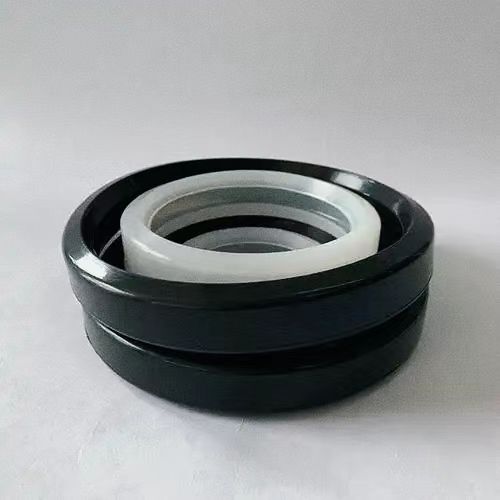
Pangangalaga sa Selyo at Sirkit ng Pagpapaligpit sa mga Kondisyon sa Tunal
Ang mga tunal drifter ay nakakakuha ng oras ng percussive nang mas mabilis kaysa sa kagamitang pang-ibabaw dahil ang makina ay madalas na hindi makagalaw sa pagitan ng mga butas gaya ng ginagawa ng isang rig sa ibabaw. Ang mas kaunting oras ng paggalaw ay nangangahulugan ng higit na oras ng pagbuburak bawat shift. Lalo na ang sirkit ng pagpapaligpit ang tumatanggap ng mas malaking pasanin: ang pagpapaligpit ng tubig sa isang nakakulong na heading ay nangangahulugan na ang daloy na bumabalik ay dala-dala ang mga maliit na putol na bato sa pamamagitan ng interphase ng selyo ng kahon ng pagpapaligpit nang patuloy, imbes na lumalagot nang malinaw gaya ng mangyayari sa isang bukas na butas sa ibabaw.
Ang HOVOO ay nagbibigay ng mga suplay seal Kits para sa mga tunnel drifter na tumatakbo sa pangunahing jumbo platform—kabilang ang mga modelo na naaangkop sa Epiroc , Sandvik , at sa mga teknikal na tukoy ng Montabert drifter. Dahil sa mas mataas na rate ng pagkasira ng flushing box sa mga underground application, ang pagkakaroon ng flushing kit at percussion kit bilang hiwalay na maaaring palitan na mga bahagi—sa halip na isang iisang pina-ugnay na kit—ay nagpapahintulot ng target na pagpapalit batay sa aktwal na pagkasira imbes na palitan ang pareho sa parehong panahon. Ang mga model-specific kit ay nakalista sa hovooseal.com.
Talaan ng Nilalaman
- Ang Geometry Constraint: Bakit ang Compact ay Hindi Nangangahulugan ng Underpowered
- Ingay sa Isang Tunnel: Kung Saan Ang Pamantayan na Spesipikasyon Ay Nagiging Isyu sa Pagkakasunod
- Mga Tukoy ng Tunnel Drill: Cross-Section, Boom, at Drifter Class
- Kakayahang Panatilihin ang Estabilidad sa Ilalim ng Mataas na Cycle Loading sa Isang Nakakulong Na Espasyo
- Pangangalaga sa Selyo at Sirkit ng Pagpapaligpit sa mga Kondisyon sa Tunal


