

 EN
EN
 AR
AR CS
CS DA
DA NL
NL FI
FI FR
FR DE
DE EL
EL IT
IT JA
JA KO
KO NO
NO PL
PL PT
PT RO
RO RU
RU ES
ES SV
SV TL
TL IW
IW ID
ID LV
LV SR
SR SK
SK VI
VI HU
HU MT
MT TH
TH TR
TR FA
FA MS
MS GA
GA CY
CY IS
IS KA
KA UR
UR LA
LA TA
TA MY
MY
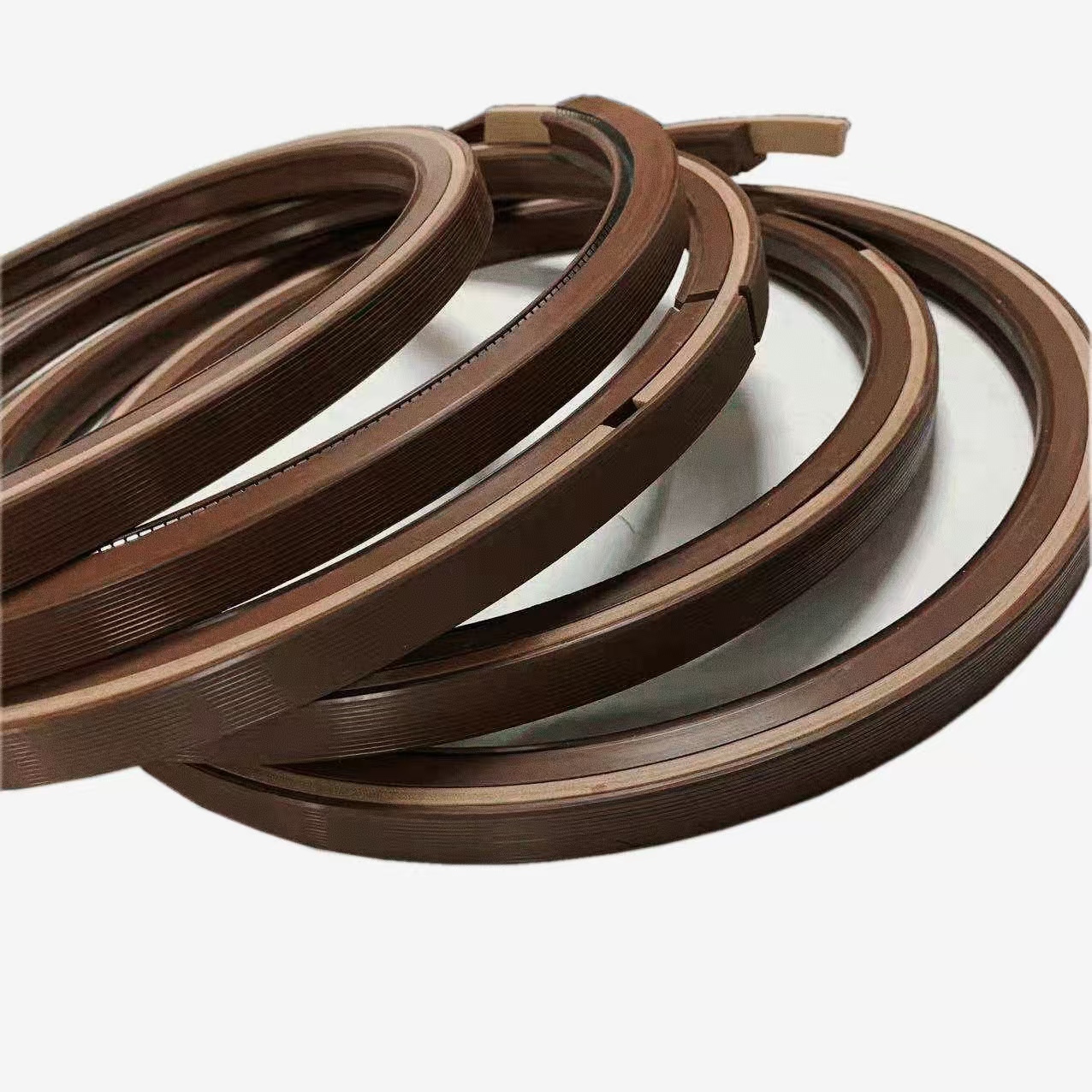
Hidrolik kaya delici bir etki gücü kaybettiğinde, çoğu sahada ilk olarak sökülüp değiştirilen bileşen hidrolik pompa dır. Bu genellikle yanlış bir karardır. Pompa, basınç değil akış üretir; hidrolik bir sistemde basınç, akışa karşı dirençtir ve gerçek bir pompa arızası genellikle nominal devirde yetersiz akışla ortaya çıkar, yalnızca düşük darbe enerjisiyle değil. Çalışan bir pompayı değiştirmek tam bir vardiya kaybına neden olur ve asıl arızayı çözmeden bırakır.
Hidrolik kaya delicisinde düşük darbe, bir arıza değil, bir belirtidir. Arıza neredeyse her zaman dört şeyden biridir: akümülatör ön şarj basıncının spesifikasyon dışına çıkması, darbe devresi basıncının delici’nin nominal değerinin altında ayarlanması, aşınmış bir darbe piston mühürü dan dolayı sızıntı oluşması ya da kontrol valfinin kısmen tıkanması nedeniyle darbe silindirine giden yağ akış hızının azalması. Bunların her biri benzer bir dış belirtiye neden olur—delici daha künt bir ses çıkarır, ilerleme düşer, basınç göstergesi ibresi salınır—ancak bunlar farklı tanısal adımlar ve farklı onarımlar gerektirir.
Arıza 1: Akümülatör Ön Şarj Basıncı Spesifikasyon Dışı
Darbe devresindeki yüksek basınçlı akümülatör, hidrolik enerjiyi depolar ve pistonun yön değiştirmesi anında bu enerjiyi serbest bırakır; böylece pompanın sağladığı akış ile devrenin anlık talebi arasındaki boşluğu doldurur. Azot önyük basıncı — bozulma veya yavaş gaz geçişinden dolayı — düştüğünde, akümülatör yön değişimindeki basınç patlamasını artık dengeleyemez. Sonuç olarak piston ikincil bir darbeye maruz kalır: yön değişimini erken gerçekleştirir, geri dönüş stroku çok kısadır ve her darbedeki darbe enerjisi nominal değerlerin belirgin şekilde altına düşer. diyafram degradasyon veya kademeli gaz geçirgenliğinden kaynaklanan — azot önyük basıncı düştüğünde, akümülatör yön değişimindeki basınç patlamasını artık dengeleyemez. Sonuç olarak piston ikincil bir darbeye maruz kalır: yön değişimini erken gerçekleştirir, geri dönüş stroku çok kısadır ve her darbedeki darbe enerjisi nominal değerlerin belirgin şekilde altına düşer.
Teşhis göstergesi belirgin bir özelliktir: mat, düzensiz bir perküsyon sesi ve görünür basınç göstergesi ibresi titreşimi. COP1838 kılavuzunda bu durum, sesin keskinlikten kısıklığa geçmesi olarak tanımlanmıştır; bu, ikincil darbe zamanlaması bozukluğunun nasıl duyulduğunu doğru bir şekilde betimler. İbre titreşimi ve şiddetli yağ borusu hareketi eşliğinde yaklaşık 14 MPa civarında darbe basıncı okumaları, bu modelde akümülatör arızasının karakteristik belirtileridir. Azot önşarj basıncının kontrol edilmesi ve düzeltilmesi, doğru şarj aracıyla 15 dakikalık bir iştir; diyafrağın değiştirilmesi ise yaklaşık iki saat sürer.
Şüpheli bir akümülatör arızası olduğunda damla deliciyi (drifter) asla çalıştırmayın. Hava olmaması veya yetersiz önşarj basıncıyla çalıştırma, maksimum hidrolik yağ basıncını akümülatör kabuğuna yoğunlaştırır ve bu da muhafaza kırılmasına neden olabilir—bu, bir diyafrağın değiştirilmesinden çok daha maliyetli bir onarımdır.
Aksama 2: Perküsyon Devresi Basıncı Belirtilen Değerin Altında Ayarlanmış
Her delici, belirtilen darbe enerjisini ürettiği hidrolik basınçta bir nominal darbe basıncına sahiptir. Darbe devresindeki emniyet valfi maksimum basıncı sınırlandırır; bu valf çok düşük ayarlanmışsa veya yay yorgunluğundan ya da kirlilikten dolayı ayarı kaymışsa, piston asla nominal darbe enerjisinin üretilmesi için gerekli basıncı ulaşamaz.
Bu arıza, akü arızasının rastgele desenine kıyasla darbe gücünde yavaş ve simetrik bir azalmaya neden olur. Kazıma derinliği yalnızca ara sıra değil, tüm delik konumlarında tutarlı bir şekilde düşer. Çözüm oldukça basittir: test bağlantı noktasında (çoğu delici modelinde bulunur) gerçek darbe basıncını ölçün, servis dokümantasyonunda belirtilen nominal değerle karşılaştırın ve emniyet valfini ayarlayın ya da değiştirin. Hidrolik yağ değişimi aralıkları uzatıldıktan sonra sıkça görülen kirlenmiş emniyet valfleri kısmen açık kalır; partikül kirliliği, valf oturak yüzeyine yapışır ve tam kapanmayı engeller.
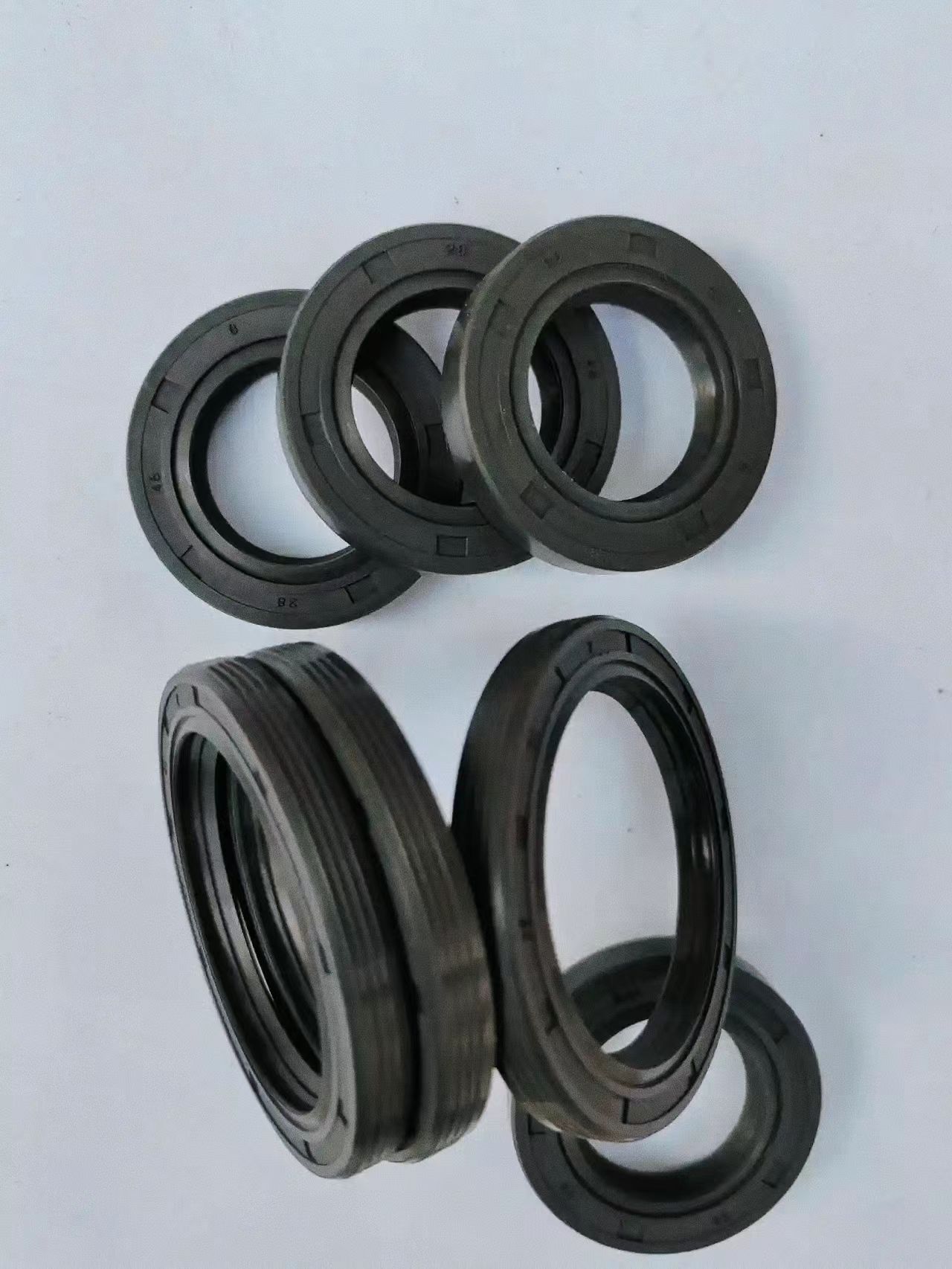
Aralık 3: Vurmalı Piston Contası Atlayarak Sızıntıya Neden Oluyor
Aşınmış bir vurmalı piston contası, güç stroku sırasında hidrolik yağı piston yüzeyini atlatmasına izin verir. Contayı geçen yağ, pistonu gövdeye doğru hızlandırmak yerine geri dönüş devresinde basınç oluşturur—piston üzerindeki etkili kuvvet, atlayarak geçen yağ hacmiyle orantılı olarak düşer. Önceki iki arızadan farklı olarak, bu arıza genellikle yüzlerce işletme saati boyunca yavaş yavaş gelişir ve ani bir olay yerine yavaş performans düşüşüne neden olur.
Tanısal belirti, dönüş hattındaki hidrolik yağ sıcaklığının yükselmesi ve nüfuz hızının azalmasıdır. Atlayıcı yağ, basınç farkını mekanik iş yerine ısıya dönüştürmektedir; dışarıda görünür bir sızıntı oluşmadan önce devrenin normal değerine göre dönüş yağı sıcaklığı 10–15°C artar. Darbeli silindirin drenaj portundan çıkan gerçek akış hızının üretici spesifikasyonuyla karşılaştırıldığı bir drenaj hattı akış testi, darbeli deliciyi sökmeden atlayıcı sızıntısını doğrular.
Çözüm, darbeli conta setinin değiştirilmesidir. HOVOO, işletim sıcaklığını göz önünde bulundurarak PU veya HNBR bileşimli darbeli devre conta setleri sunar ve bu setler ana darbeli delici modelleri için uygundur. Tam model referansları için hovooseal.com adresini ziyaret ediniz.
Aksaklık 4: Kontrol Vanası Akış Sınırlaması
Pistonu darbe çevrimi boyunca sıralayan yön kontrol valfi, minimum basınç düşüşüyle tam nominal debiyi geçirmelidir. Aşınmış paletler, silindir iç yüzeyinde çizikler veya bozulmuş hidrolik yağdan kaynaklanan parçacık kirliliği içeren bir valf, darbe silindirine sağlanan debiyi azaltır—bu durum, küçük boyutlu bir pompa arızasının yarattığı aynı belirtiyi oluşturur; ancak bu durum tüm hidrolik fonksiyonları aynı anda etkilemek yerine yalnızca darbe devresine lokal olarak sınırlıdır.
Kontrol vanası arızası ile pompa arızası arasındaki fark şudur: Pompa sorununda, taşıyıcının tüm hidrolik fonksiyonları aynı anda düşük performans gösterir. Darbeli vana arızasında ise sadece darbeli devre etkilenir; dönüş, besleme ve bom fonksiyonları normal şekilde çalışmaya devam eder. Test portundan darbeli devre akışını ölçün ve spesifikasyonla karşılaştırın. Akış düşük ancak taşıyıcı hidrolik basıncı normal ise, arıza ana beslemenin aşağısındaki darbeli devrededir.
Teşhis Sırası: Düşük Darbe Arıza Ağacı
Belirti |
En Muhtemel Neden |
Hızlı Kontrol |
Düzeltmek |
Keskin olmayan, gırtlağı bozuk ses; göstergenin ibresi salınım yapıyor |
Akümülatör ön şarjı düşük veya diyafram arızalı |
Şarj aracıyla N₂ ön şarjını kontrol edin |
N₂’yi yeniden şarj edin; diyafram arızalıysa değiştirin |
Tüm koşullarda tutarlı düşük darbe etkisi |
Emniyet valfi çok düşük ayarlı veya kirlenmiş |
Test bağlantı noktasında darbe basıncını ölçün |
Emniyet valfini ayarlayın veya değiştirin |
Yavaş yavaş ilerleyen performans düşüşü; yüksek dönüş yağı sıcaklığı |
Darbe pistonu contası kaçak sızıntısı |
Boşaltma hattı akış testi; dönüş sıcaklığını kontrol edin |
Darbe contası takımı değiştirin |
Yalnızca düşük darbe gücü; diğer tüm fonksiyonlar normal |
Kontrol valfi akış kısıtlaması |
Darbe devresi akış hızını ölçün |
Yön valfini temizleyin veya değiştirin |
Düşük darbe + hidrolik sistem genel olarak aşırı ısınmış |
Dönüş filtresi tıkanmış veya yağ soğutucusu kirlenmiş |
Filtre diferansiyel basıncını kontrol edin |
Filtreyi değiştirin; soğutucuyu temizleyin |
Yalnızca yağ değişimi sonrası düşük etki |
Yağ viskozitesi uyumsuzluğu veya devrede hava |
Yağ sınıfını kontrol edin; darbe devresini havasızlaştırın |
Doğru yağ sınıfı; havayı tahliye edin |
Düzeltmeden Sonra: Tekrarlanmayı Önleme
Tekrarlayan düşük etki arızalarının en iyi tek öngörücüsü, hidrolik yağın saflığıdır. 10–50 mikron aralığındaki parçacık kirliliği çıplak gözle görünmezdir ancak basınç emniyet valfi kaymalarının, kontrol valfi çizilmelerinin ve contaların erken aşınmasının başlıca nedenidir. 200 ve 500 saatte alınan kullanılmış yağ örneğinin analizi, bu arızalara yol açacak kirlilik seviyeleri konusunda erken uyarı sağlar. ISO saflık kodu 16/14/11, çoğu darbe devresi uygulaması için hedef değerdir—çoğu işletme bunun altında çalışır ancak farkında değildir.
İşletim parametrelerini her vardiyada kaydedin: darbe basıncı, dönme basıncı, itme basıncı ve tampon basıncı. COP1838 servis protokolü bu uygulamayı özellikle önermekte ve erken uyarı desenini tanımlamaktadır: bu dört parametre birbirleriyle ilişkili denge durumlarından çıktığında, düşük darbe gibi açık belirti ortaya çıkmadan önce bir darbeli hata gelişmeye başlamıştır. Bu sorunu parametre kayması aşamasında ele almak, bir filtre değişimi ve yağ analizi ile çözülebilir; ancak bu sorun açık belirti ortaya çıktıktan sonra ele alındığında bir conta seti, bir valf veya bir diyafram gerekir.
İçindekiler Tablosu
- Arıza 1: Akümülatör Ön Şarj Basıncı Spesifikasyon Dışı
- Aksama 2: Perküsyon Devresi Basıncı Belirtilen Değerin Altında Ayarlanmış
- Aralık 3: Vurmalı Piston Contası Atlayarak Sızıntıya Neden Oluyor
- Aksaklık 4: Kontrol Vanası Akış Sınırlaması
- Teşhis Sırası: Düşük Darbe Arıza Ağacı
- Düzeltmeden Sonra: Tekrarlanmayı Önleme


