33-99No. Mufu E Rd. Gulou District, Nanjing, China [email protected] | [email protected]
33-99No. Mufu E Rd. Gulou District, Nanjing, China [email protected] | [email protected]
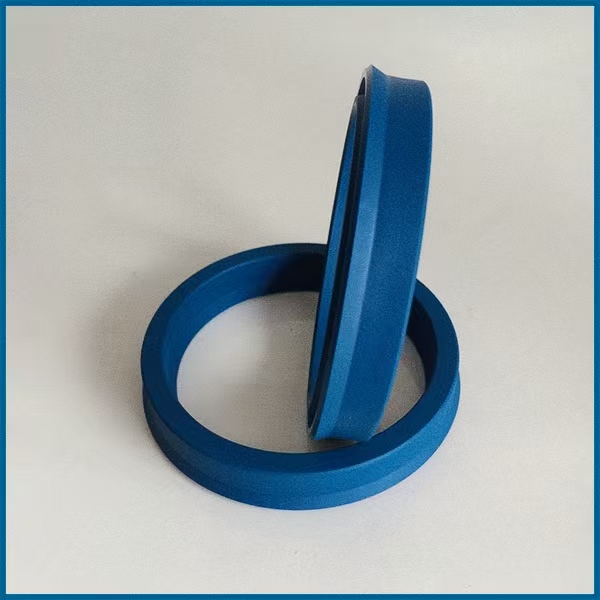
The same hydraulic breaker running the same chisel on two different materials will produce two very different results — and two very different wear patterns on the parts. A moil point that excels in reinforced concrete becomes a liability on a ...
VIEW MORE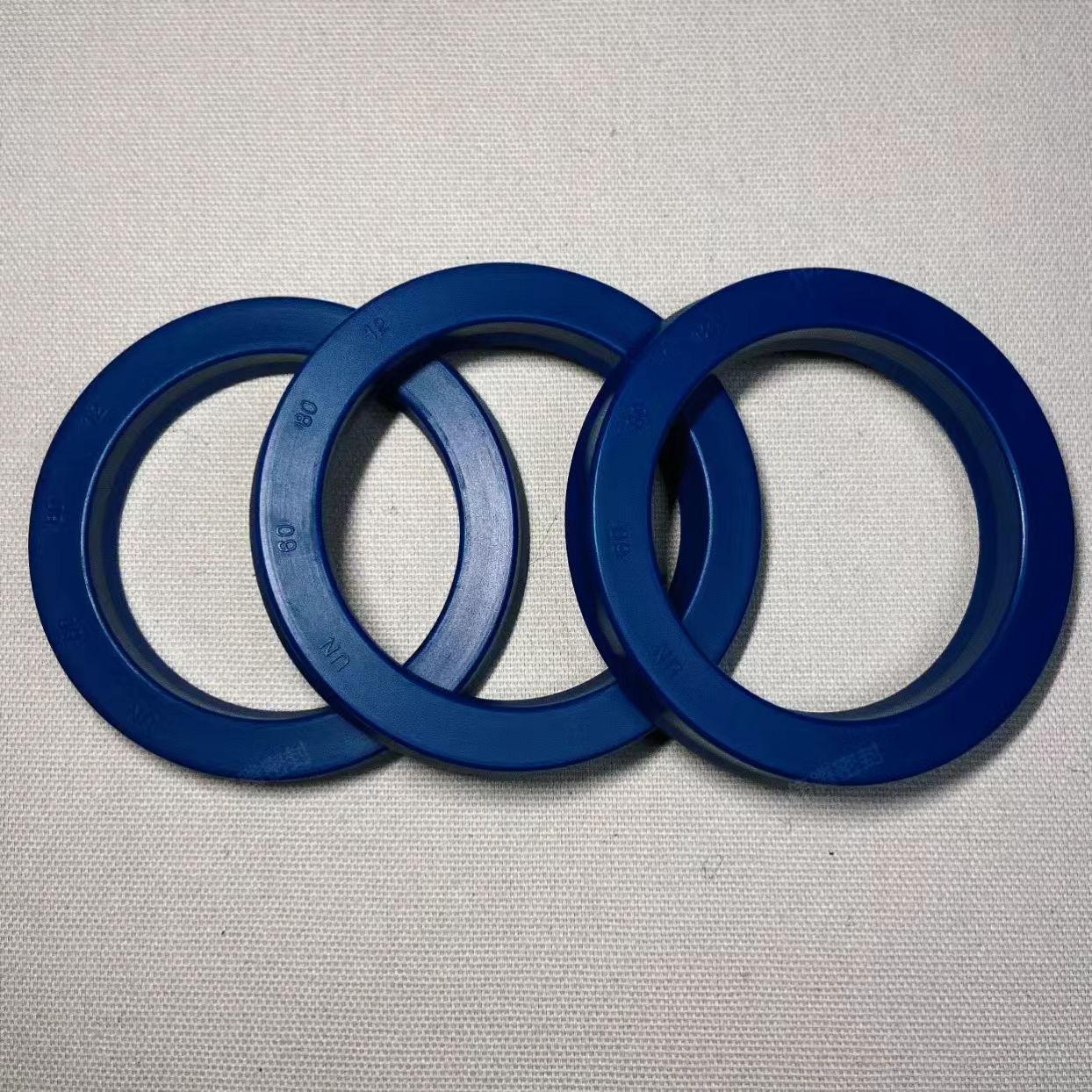
Most hydraulic breaker seal replacements on site fail not because the technician lacked skill, but because they skipped the preparation steps that separate a repair that lasts 1,000 hours from one that lasts 50. A seal kit replacement on a hydraulic ...
VIEW MORE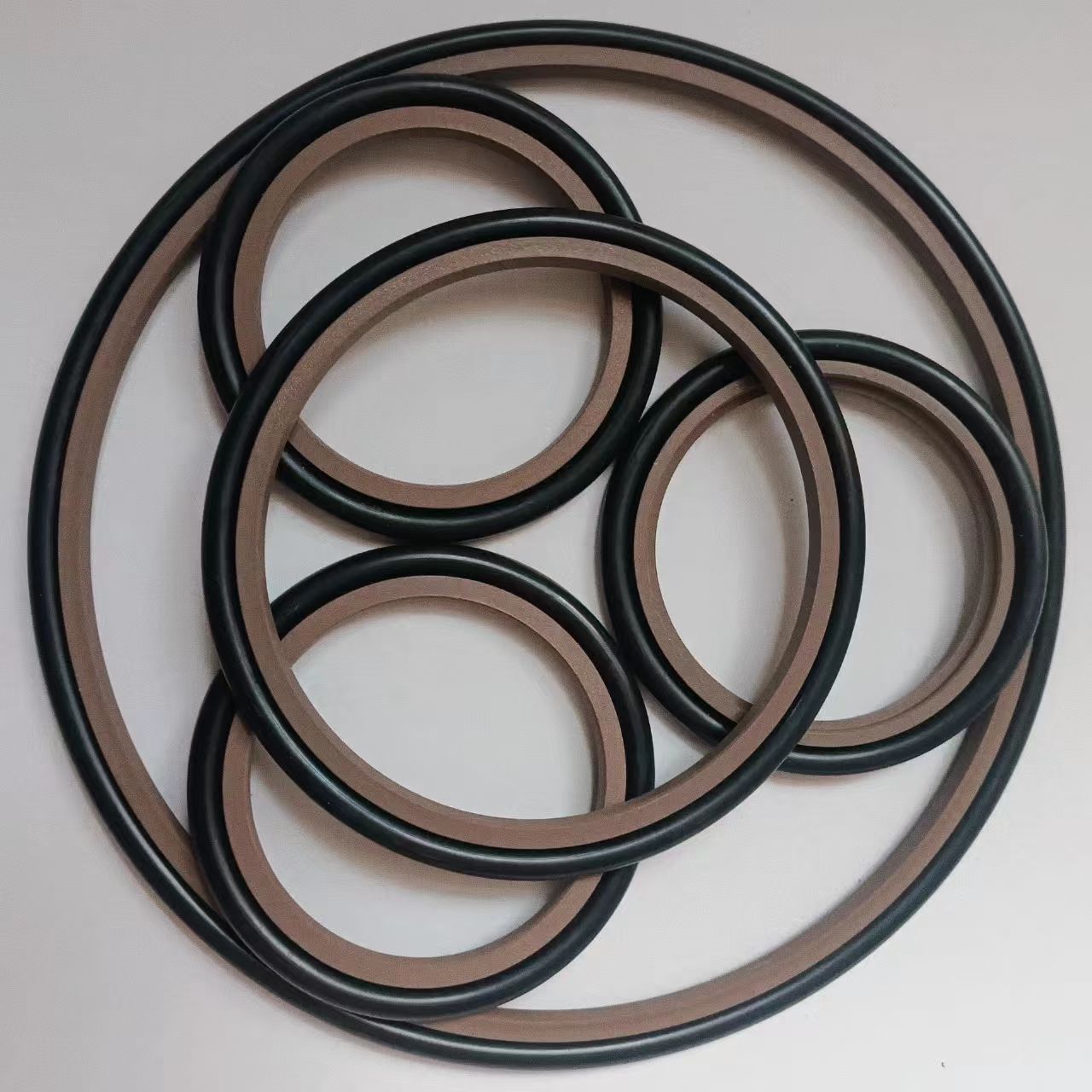
Buying the right breaker size is step one. Getting the hydraulic connection right is step two, and step two is where most field problems actually start. An operator running a correctly-sized breaker on mismatched hydraulic settings is losing producti...
VIEW MORE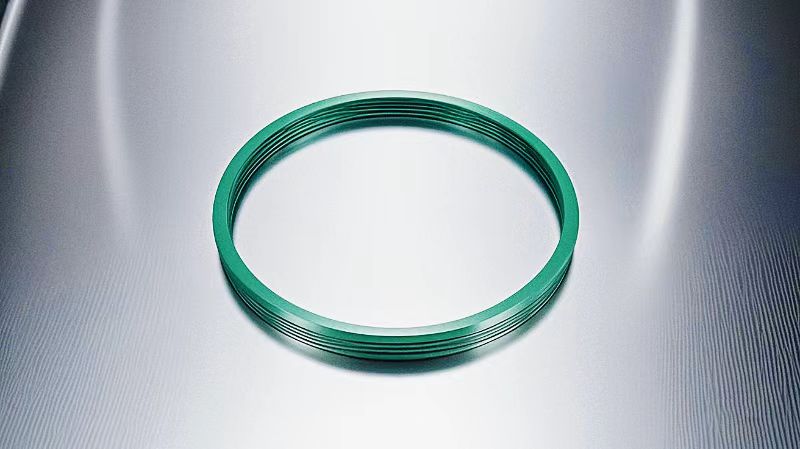
More blows per minute does not mean more material removed per hour. This is the most common misconception in hydraulic breaker operation, and it's the direct cause of underperformance on hard rock jobs, seal overheating on concrete sites, and carrier...
VIEW MORE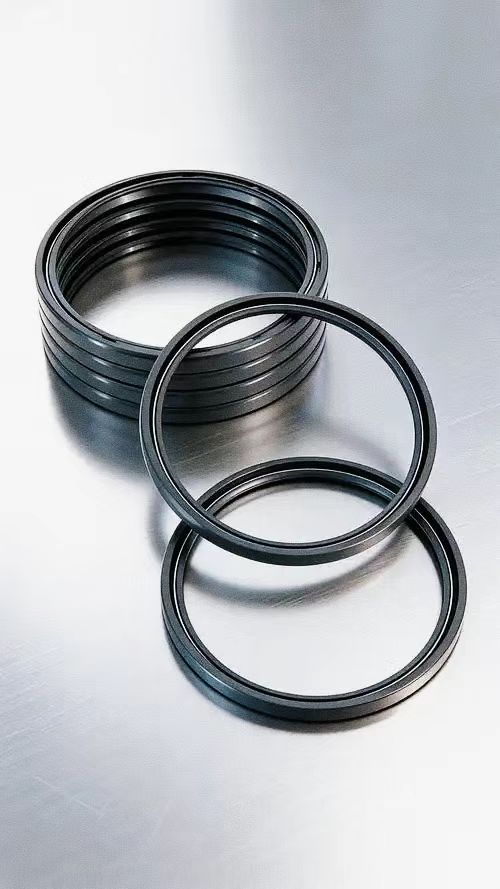
The 20-ton excavator class — Komatsu PC200, Cat 320, SANY SY215, Hitachi ZAX210 — is the most common carrier on construction sites globally. Every breaker manufacturer has a model 'for 20-ton machines', but matching on weight alone misses...
VIEW MORE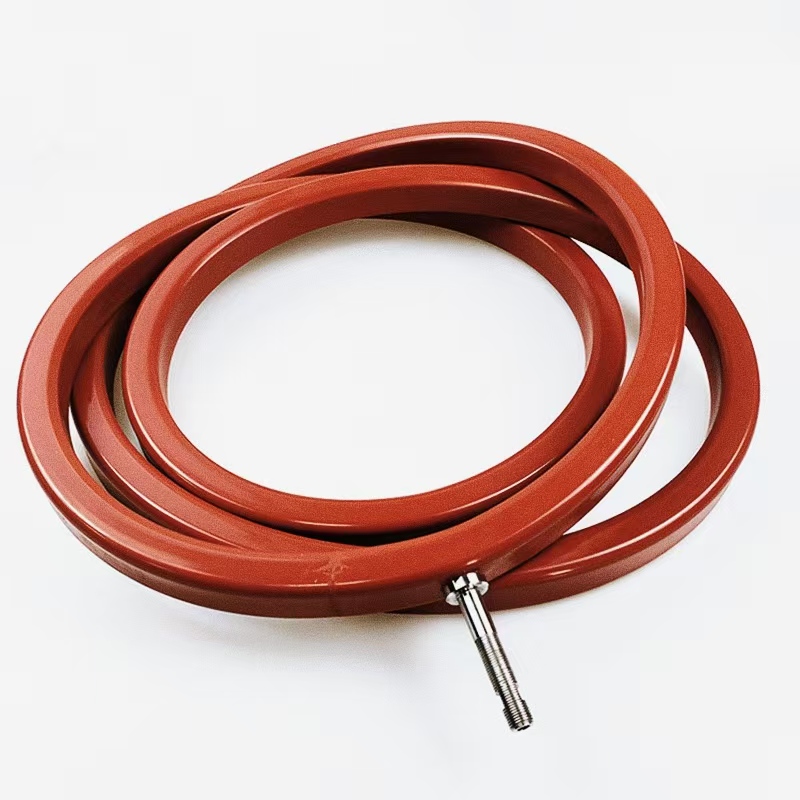
A hydraulic breaker running in the Sahel at 45°C ambient with laterite dust blowing across the site is not the same maintenance problem as the same unit on a European demolition project. The seal materials that last 1,500 hours in Germany may fai...
VIEW MORE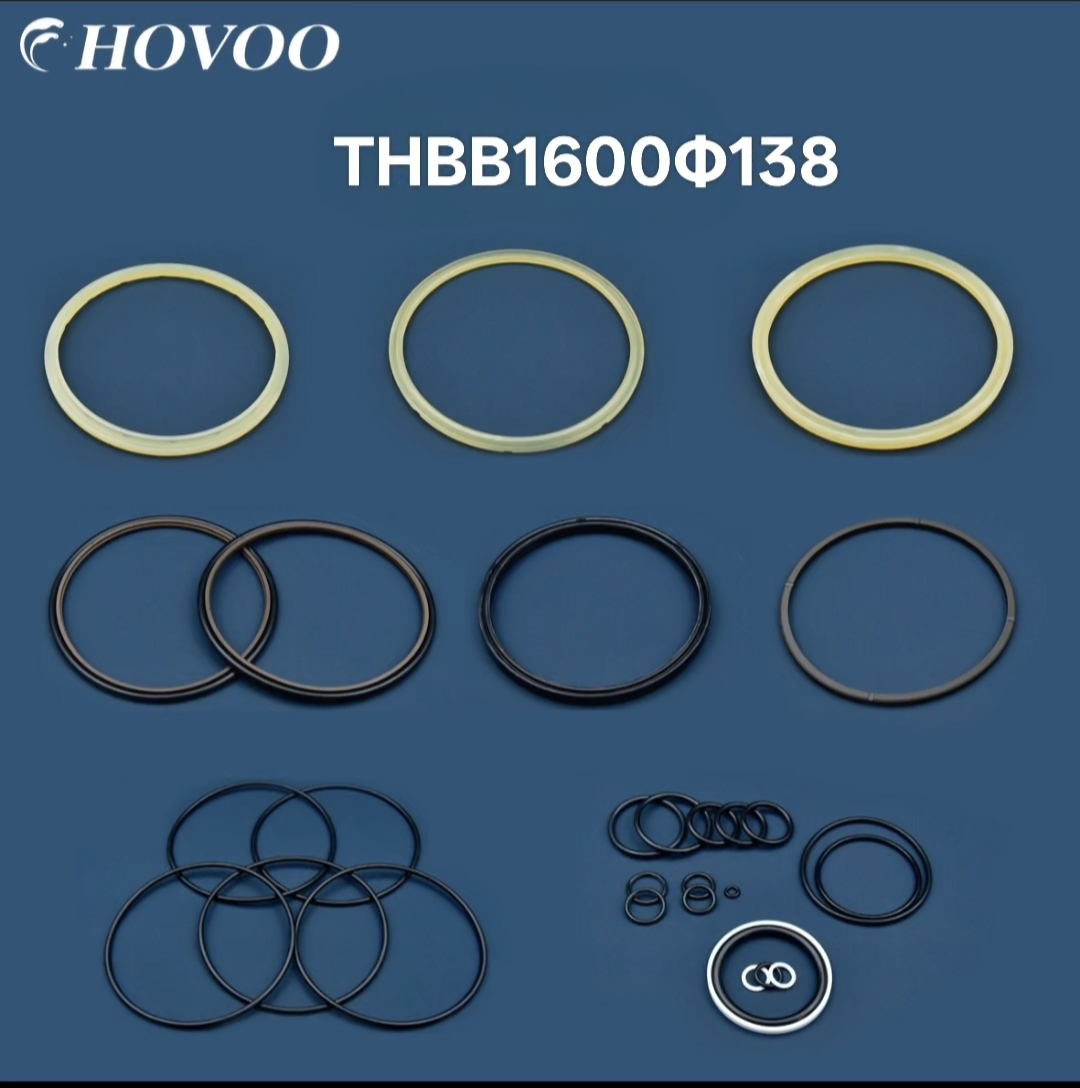
1. THBB101 Φ70 Hydraulic Breaker THBB101 (Φ70) is an ultra-compact hydraulic breaker designed for 0.8-3 ton mini excavators. It delivers stable and efficient impact energy for light demolition, landscaping, and small-scale exca...
VIEW MORE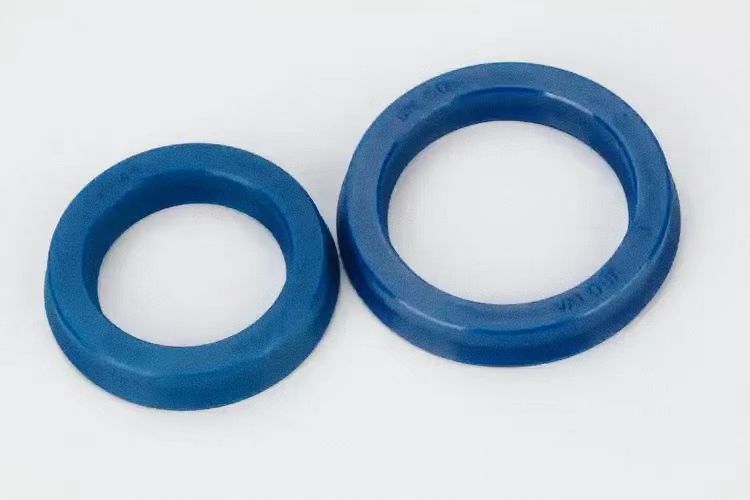
Underground work exposes every breaker failure mode simultaneously and removes the margins that surface operations take for granted. Vibration travels through rock instead of dissipating into open air. Dust has nowhere to go. Heat builds faster...
VIEW MORE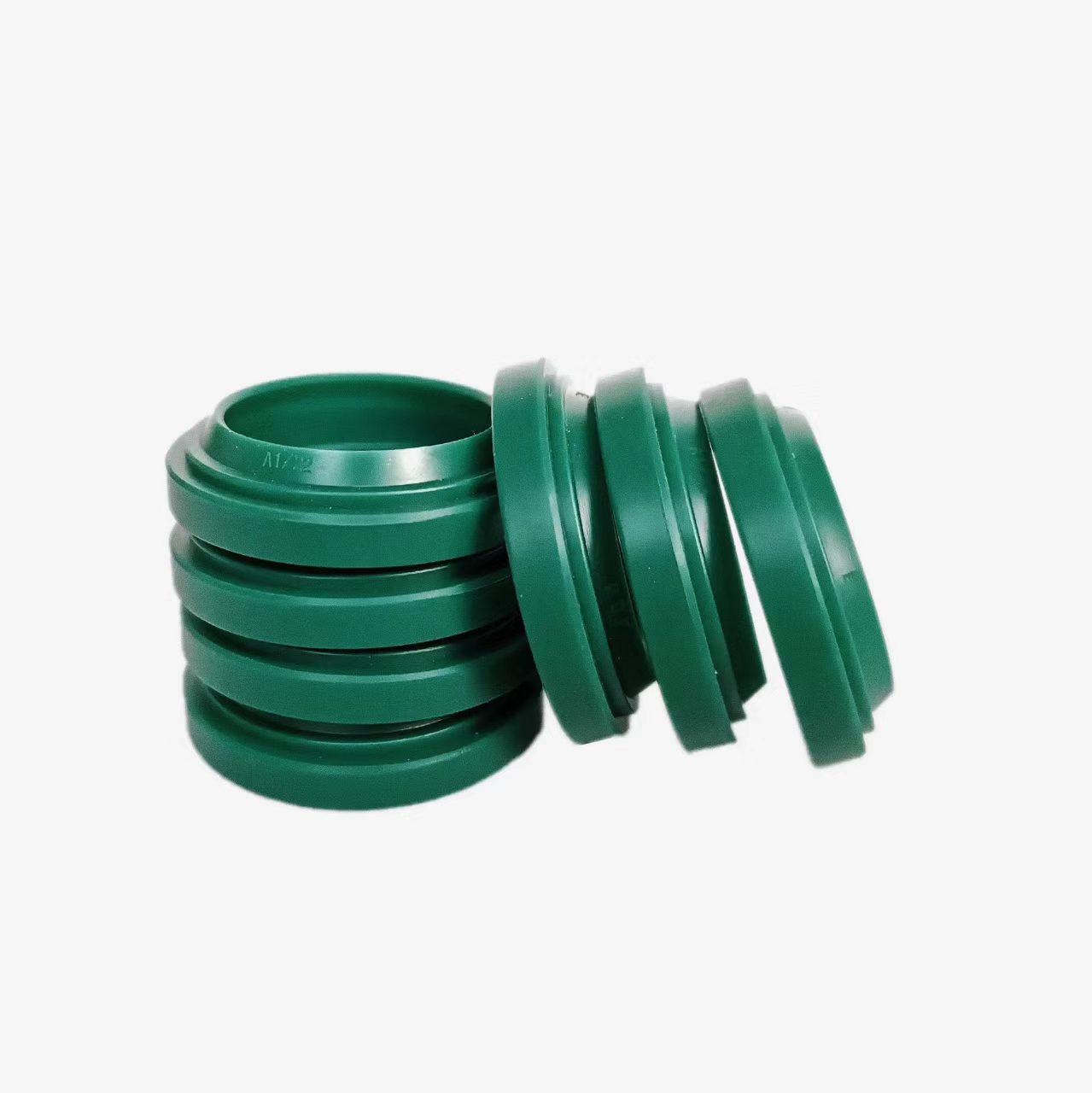
The directional valve in a hydraulic breaker does one thing: it switches high-pressure oil flow between the top and bottom of the piston at up to 1,400 times per minute to create the impact cycle. That switching frequency is why the directional valve...
VIEW MORE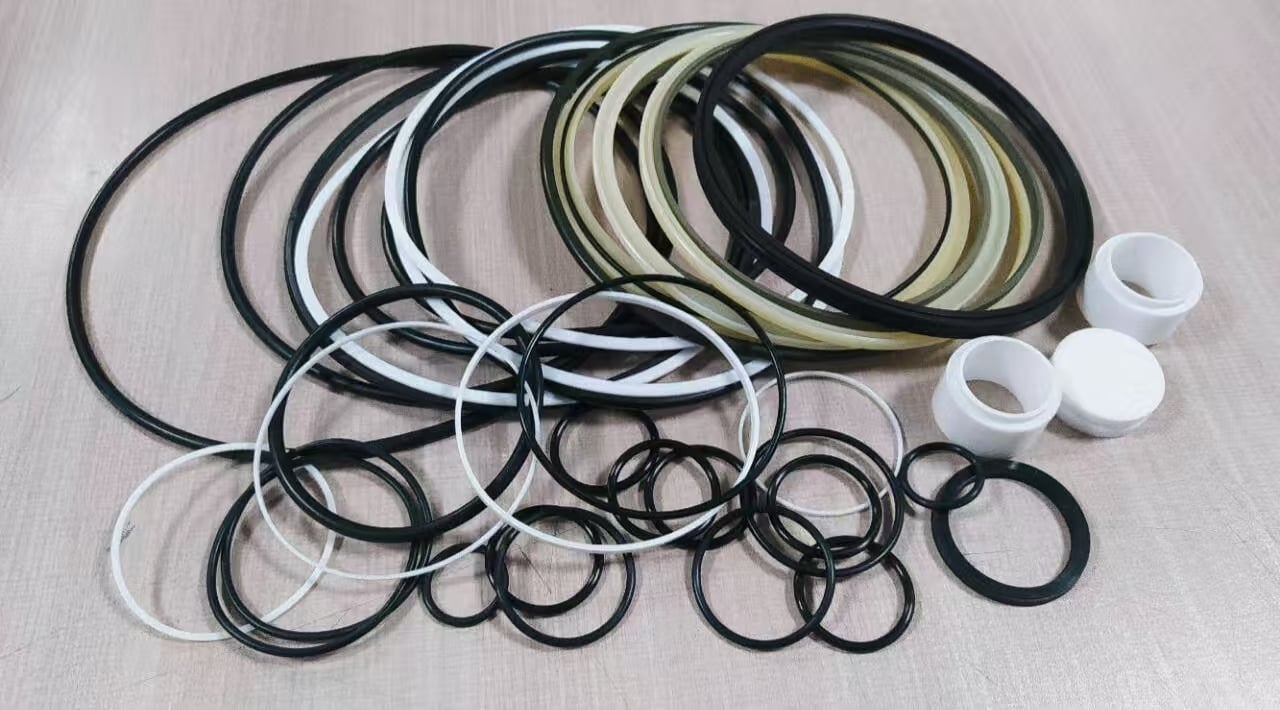
Oil leaking from a hydraulic breaker is a diagnostic signal, not just a maintenance task. Two breakers leaking from the same general area can have completely different root causes — and repairing the wrong cause guarantees the same failure repe...
VIEW MORE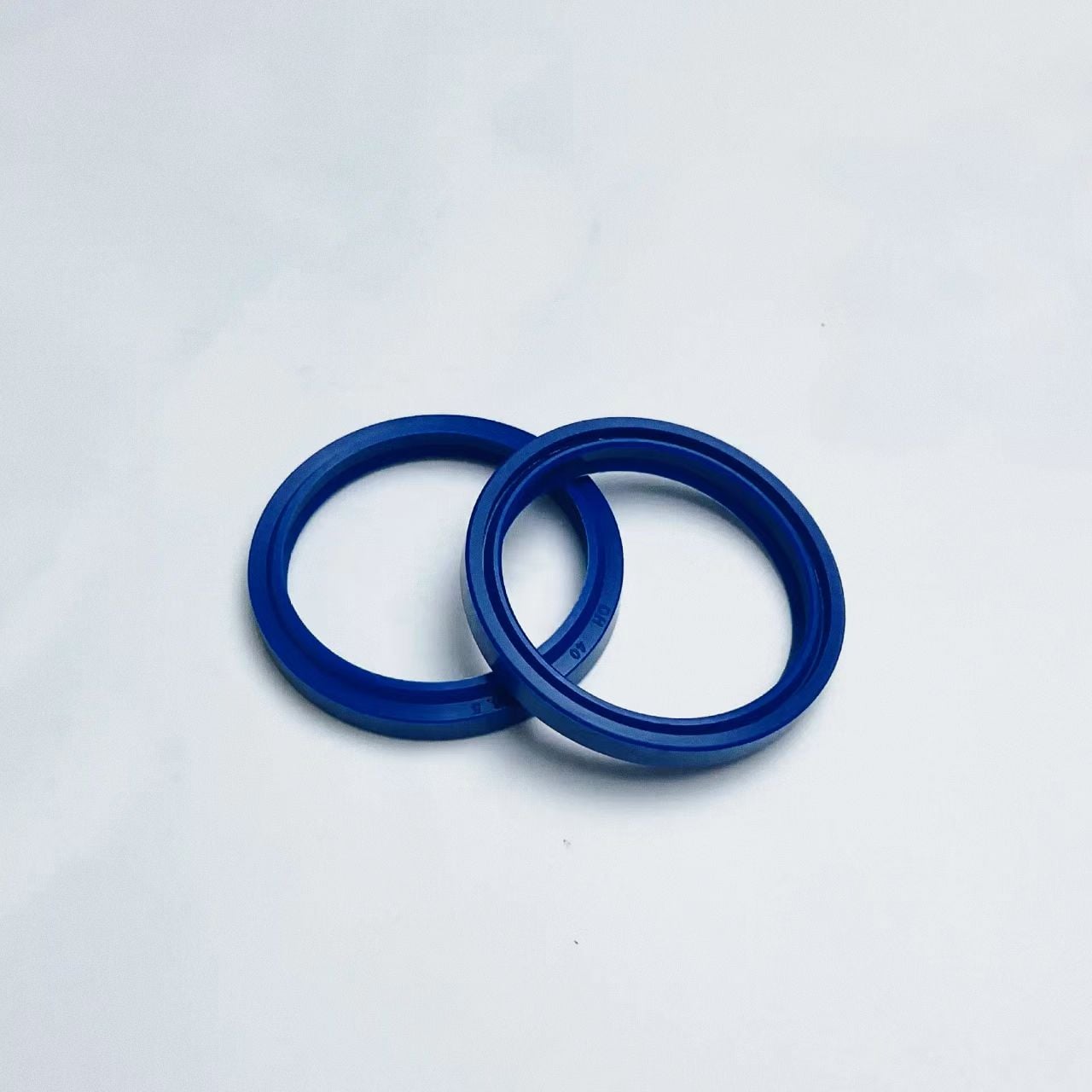
The impact energy figure on a breaker's spec sheet is not always what the unit delivers in the field. This gap matters. A breaker purchased on a 4,000 J rating that's actually delivering 2,800 J is 30% less productive than expected — and the di...
VIEW MORE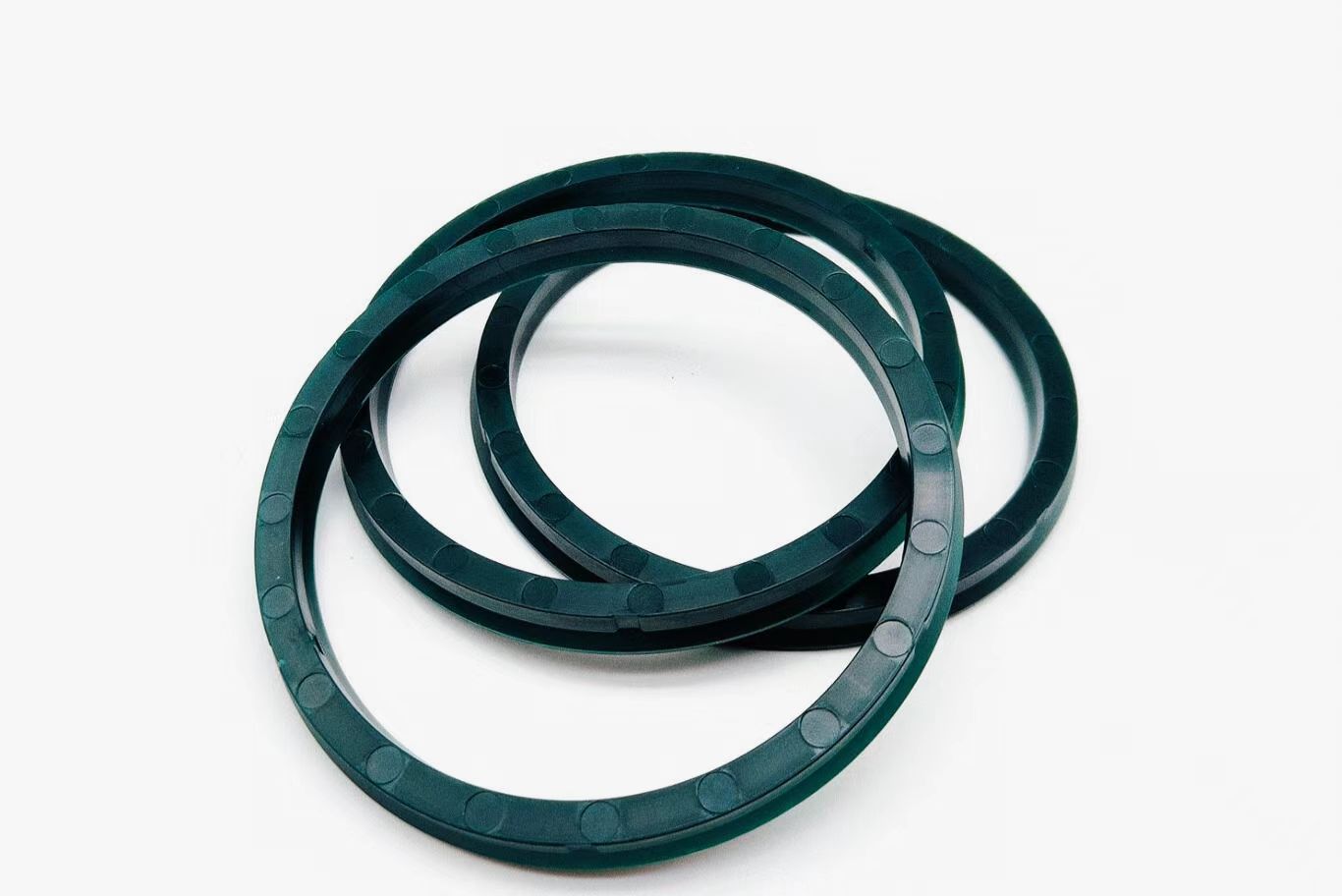
Rammer's Excellence Line uses a membrane-type accumulator — sealed, no field recharge required under normal operation. That's the marketing point. The reality on a busy site is that membranes age, O-rings fail, and pressure leaks out. When an o...
VIEW MORE
Welcome to HOVOO, a Chinese seal factory. Production of PU, Rubber and PTFE seals. The seals include O-ring, piston seal, rod seal, Gray ring and gas seal.


 EN
EN
 AR
AR CS
CS DA
DA NL
NL FI
FI FR
FR DE
DE EL
EL IT
IT JA
JA KO
KO NO
NO PL
PL PT
PT RO
RO RU
RU ES
ES SV
SV TL
TL IW
IW ID
ID LV
LV SR
SR SK
SK VI
VI HU
HU MT
MT TH
TH TR
TR FA
FA MS
MS GA
GA CY
CY IS
IS KA
KA UR
UR LA
LA TA
TA MY
MY
