33-99No. Mufu E Rd. Gulou District, Nanjing, China [email protected] | [email protected]
33-99No. Mufu E Rd. Gulou District, Nanjing, China [email protected] | [email protected]
When a hydraulic rock drill loses impact power, the first component that gets pulled and replaced on most sites is the hydraulic pump. That's usually the wrong call. The pump generates flow, not pressure—pressure in a hydraulic system is resist...
VIEW MORE
Buying a hydraulic rock drill by spec sheet alone usually ends in one of two predictable disappointments. Either the drifter exceeds the carrier's hydraulic capacity and runs at 70% of rated percussion power for its entire service life—quietly ...
VIEW MORE
Running a 25 kW heavy-duty drifter on a limestone highway cut that tops out at 100 MPa doesn't improve productivity. It adds capital cost, increases hydraulic flow demand on the carrier, burns more fuel per meter, and wears consumables faster than th...
VIEW MORE
Seal failure in a rock drill operating in an aggressive environment rarely starts with visible corrosion on the elastomer surface. It starts with swelling. The seal compound absorbs fluid or vapor from the environment—acidic mine water, emulsif...
VIEW MORE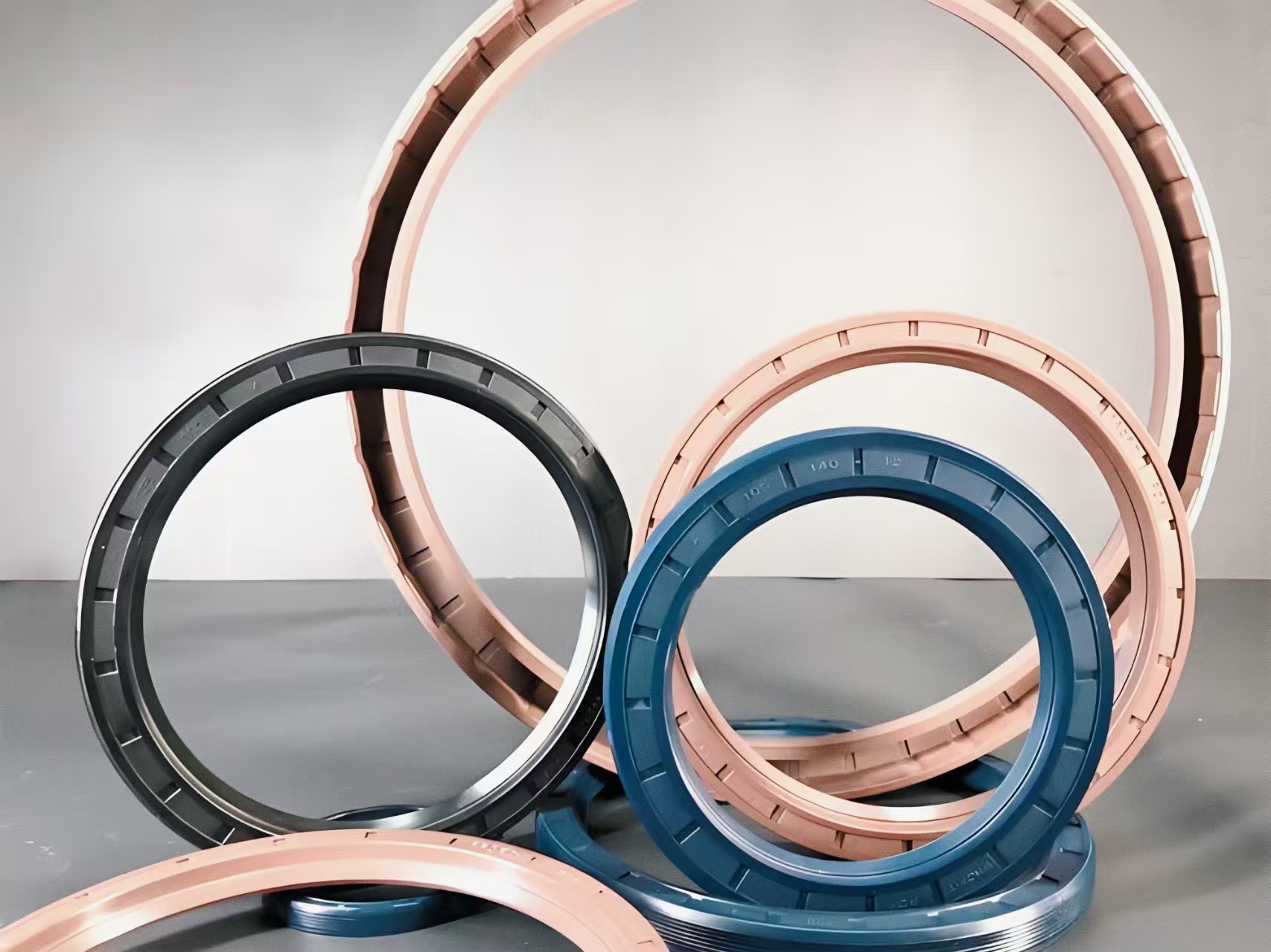
On a fixed-displacement pneumatic system, every liter of air the compressor produces that the drill doesn't use immediately vents through the relief valve and disappears. On an open-loop hydraulic system without load sensing, excess oil flow does the...
VIEW MORE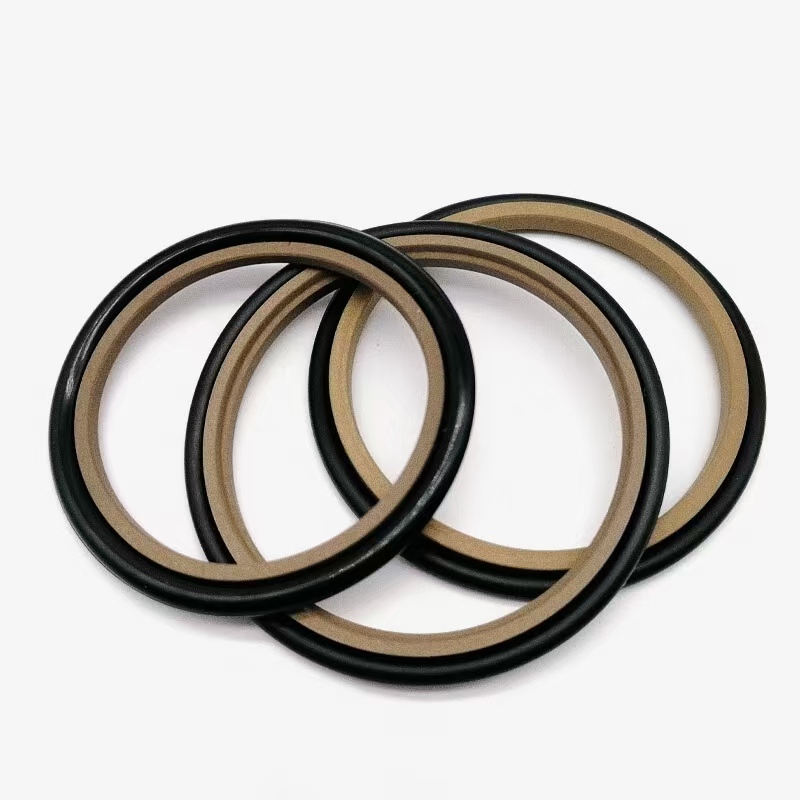
The engineering case for an integrated hydraulic rock drill isn't about fewer parts—it's about fewer joint faces. Every bolted interface between a percussion module and a housing section is a potential leak path, a potential loosening point und...
VIEW MORE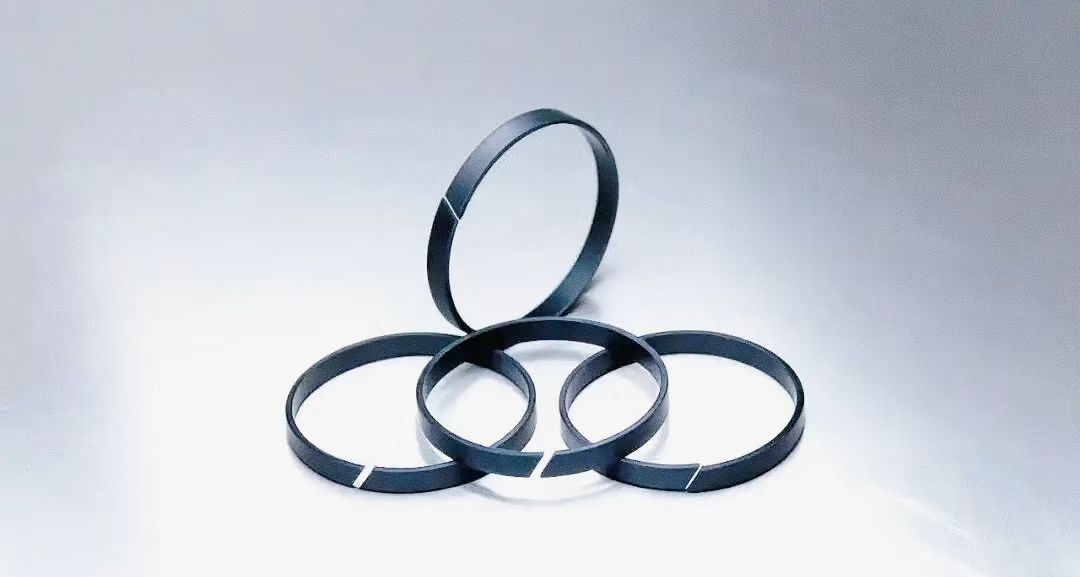
The maintenance cost argument for split-body rock drills doesn't come from the marketing sheet—it comes from what happens when something fails inside a conventional monolithic drifter. The percussion module, rotation motor, and flushing box are...
VIEW MORE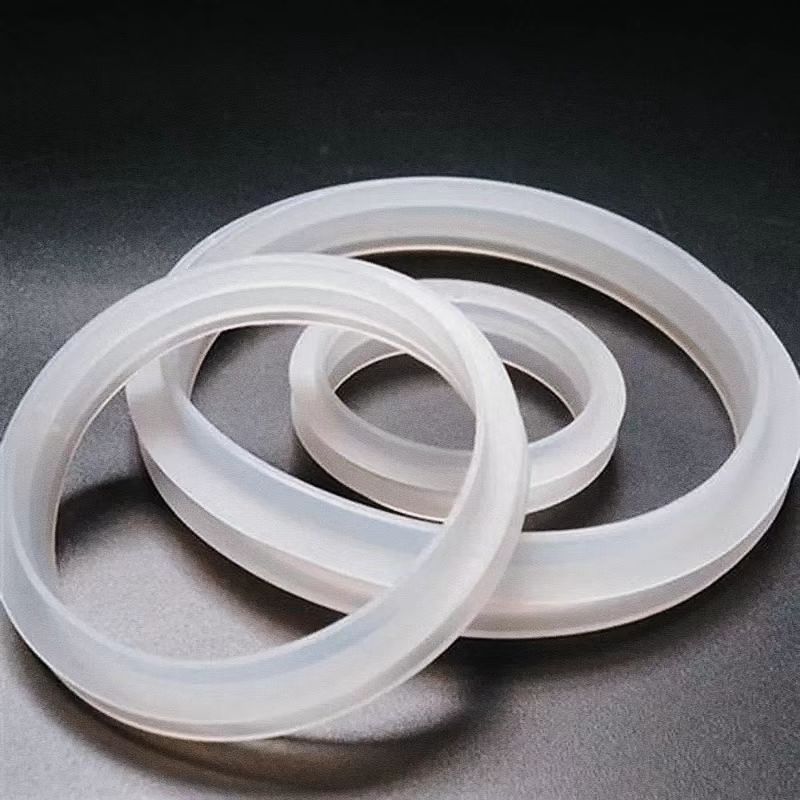
Rock drilling in a city is not just an engineering problem. It's a permit problem. OSHA's permissible noise exposure for an 8-hour shift sits at 90 dBA at the operator's position—that's a worker protection standard. The adjacent residential bui...
VIEW MORE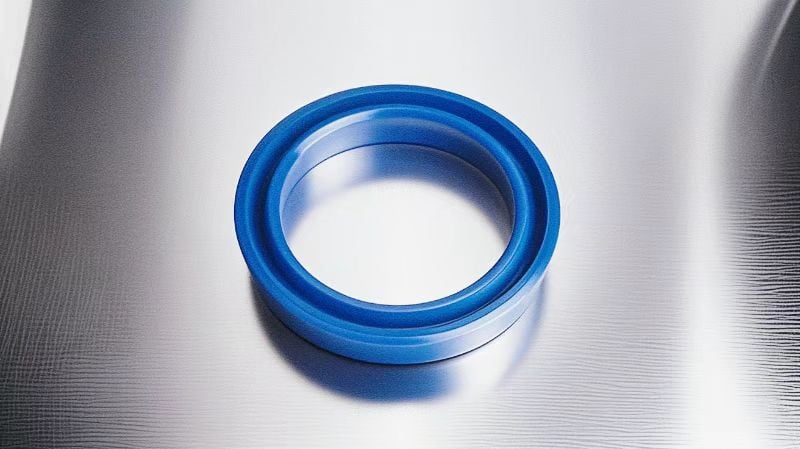
A hydraulic rock drill purchased through three layers of distribution arrives at site with 30–50% markup above factory cost baked into its price—and often with a spare parts supply chain that runs through the same intermediaries. When a s...
VIEW MORE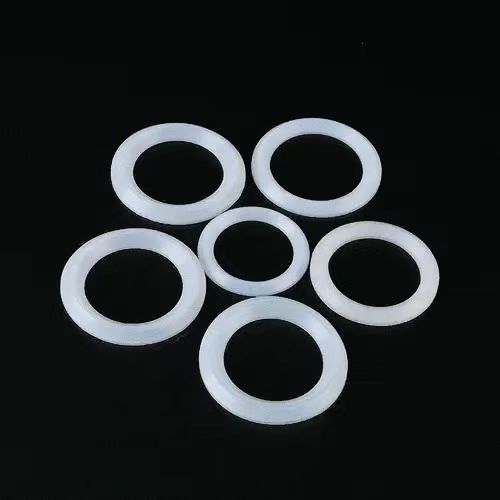
Sixty hertz sounds fast. On a hydraulic rock drill, it means the impact piston completes a full forward-and-return cycle 60 times per second—but whether those 60 cycles each deliver useful energy to the rock face is a different question entirel...
VIEW MORE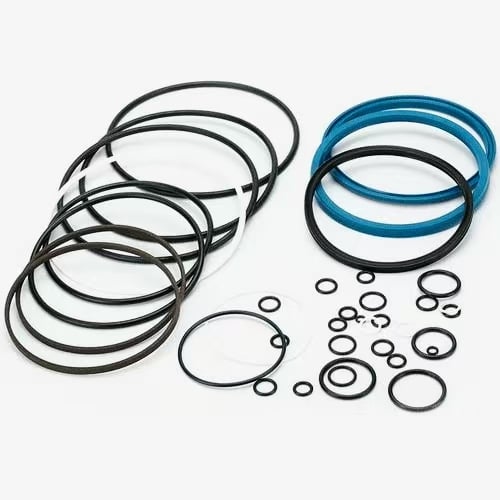
Contractors who already own a 20–35 ton excavator are sitting on most of the capital they need to drill blast holes, install soil nails, or core through concrete foundations. What they're missing is the feed mast, the drifter, and the hydraulic...
VIEW MORE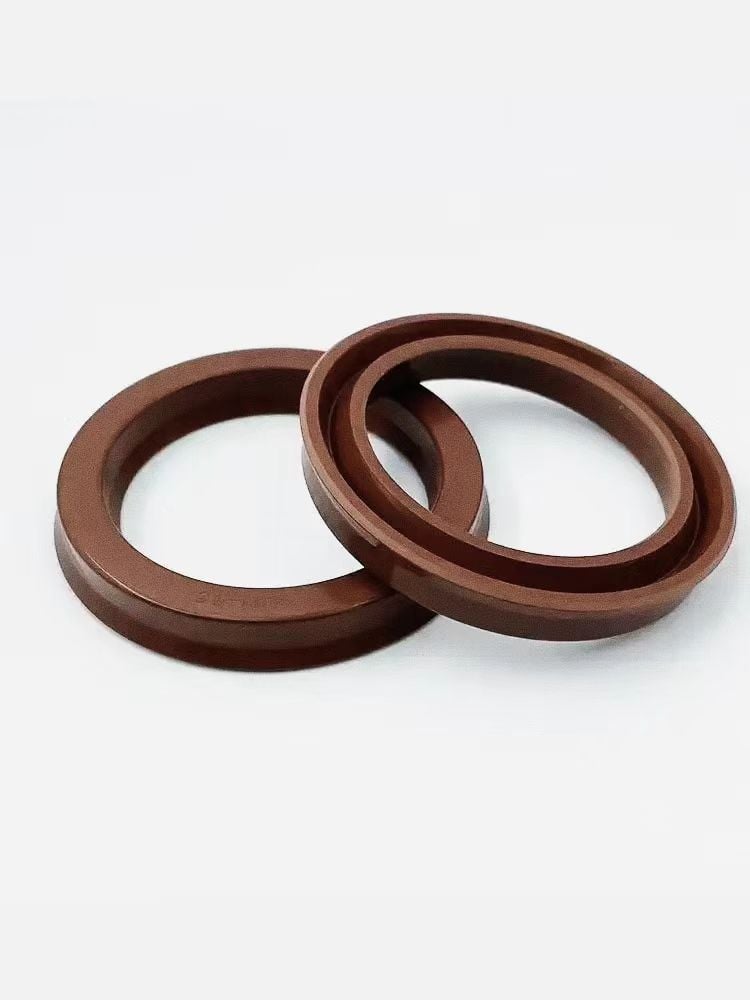
The Kaminiko road tunnel in Hiroshima Prefecture ran through granite at over 200 MPa compressive strength, with residential buildings 70 meters above the crown. Blasting wasn't an option for long stretches. The construction team needed a hydraulic ro...
VIEW MORE
Welcome to HOVOO, a Chinese seal factory. Production of PU, Rubber and PTFE seals. The seals include O-ring, piston seal, rod seal, Gray ring and gas seal.


 EN
EN
 AR
AR CS
CS DA
DA NL
NL FI
FI FR
FR DE
DE EL
EL IT
IT JA
JA KO
KO NO
NO PL
PL PT
PT RO
RO RU
RU ES
ES SV
SV TL
TL IW
IW ID
ID LV
LV SR
SR SK
SK VI
VI HU
HU MT
MT TH
TH TR
TR FA
FA MS
MS GA
GA CY
CY IS
IS KA
KA UR
UR LA
LA TA
TA MY
MY
