33-99No. Mufu E Rd. Gulou District, Nanjing, China [email protected] | [email protected]
33-99No. Mufu E Rd. Gulou District, Nanjing, China [email protected] | [email protected]
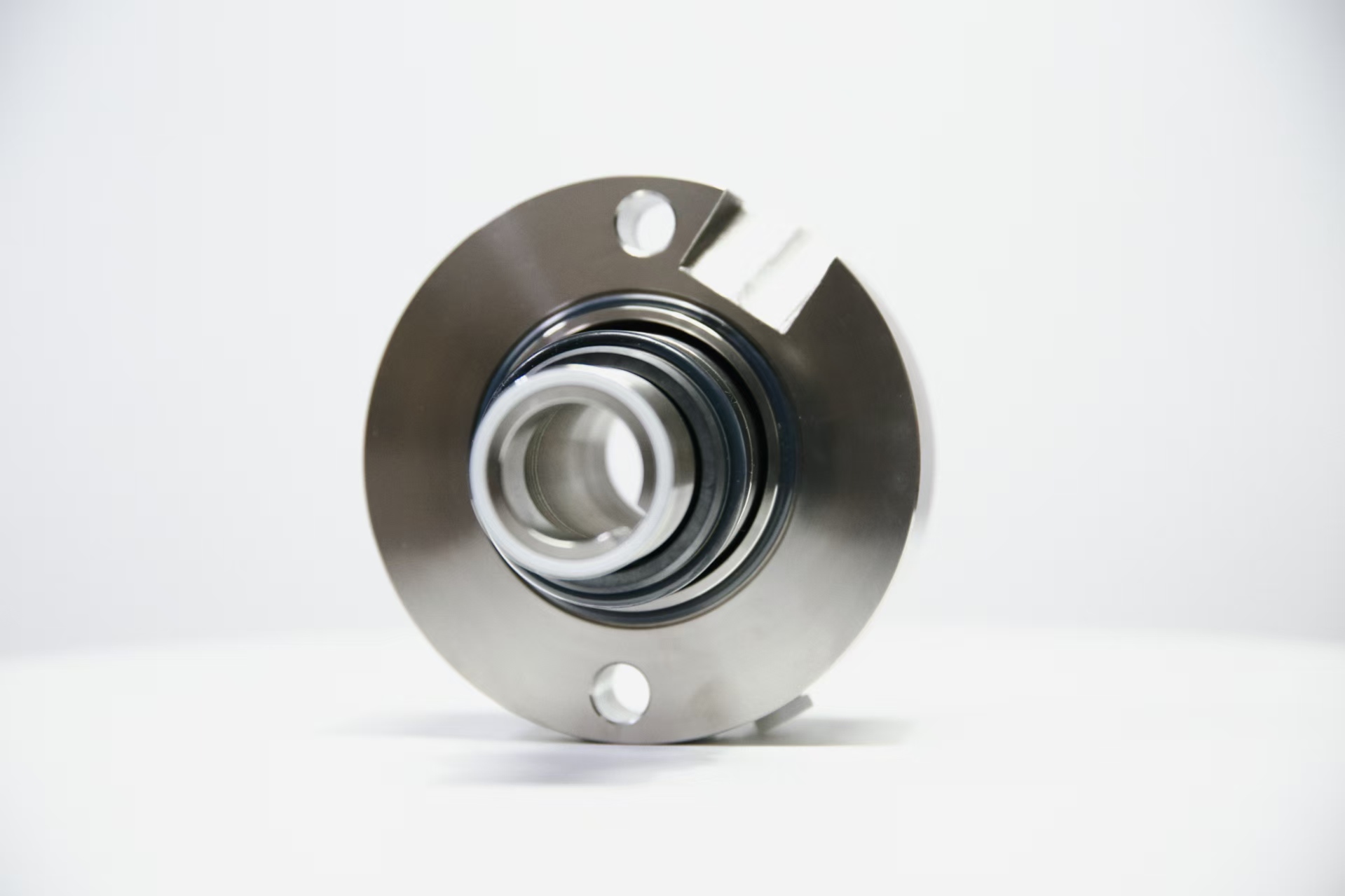
Relief valves and check valves share a circuit location in the percussion hydraulic system, but they do opposite jobs and fail in opposite ways. The relief valve limits maximum pressure—it opens when pressure exceeds its setpoint to protect the...
VIEW MORE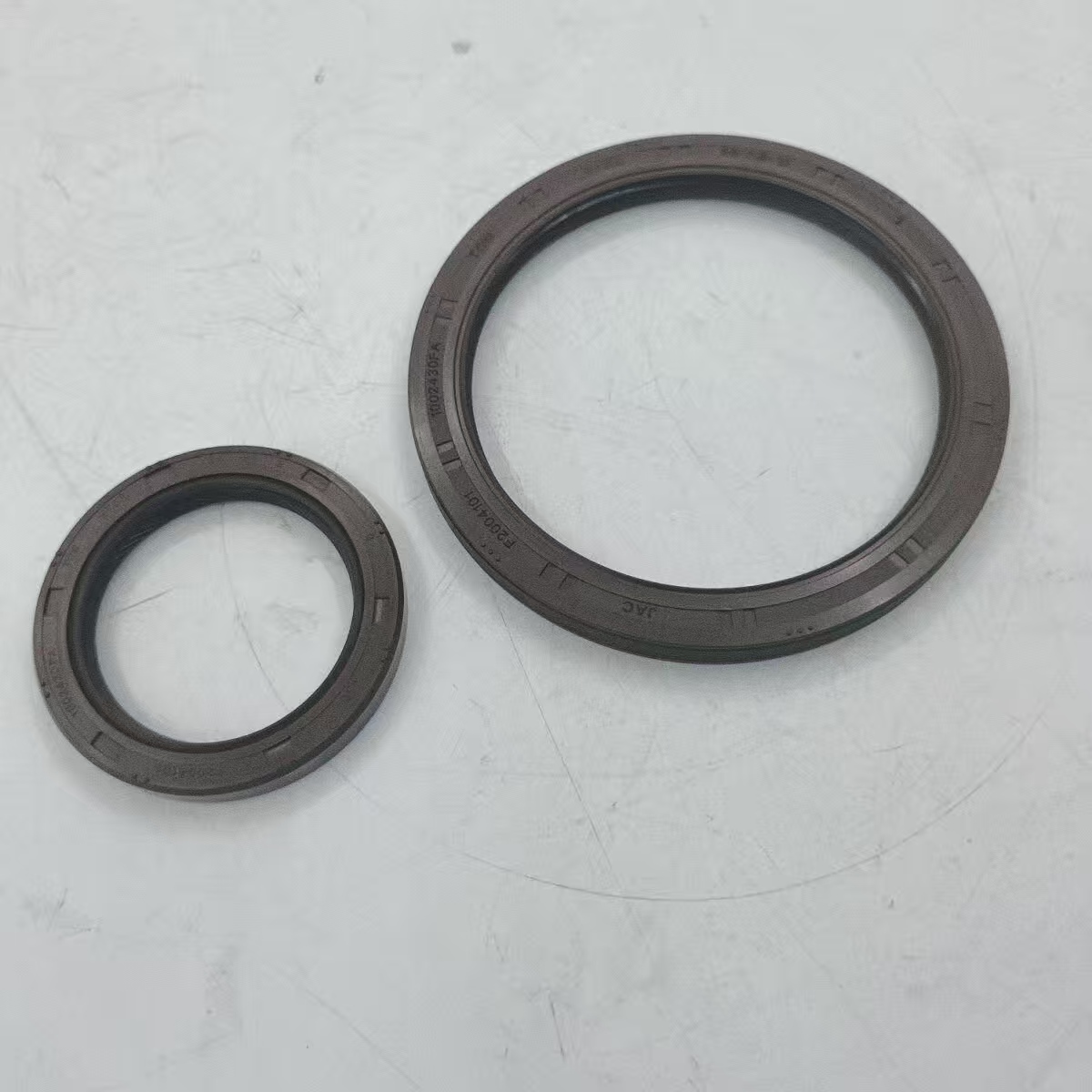
The lubrication requirements of a hydraulic rock drill are not homogeneous across the drifter body—different zones need different lubricants, delivered at different rates, through separate circuits. Treating the lubrication system as 'add oil h...
VIEW MORE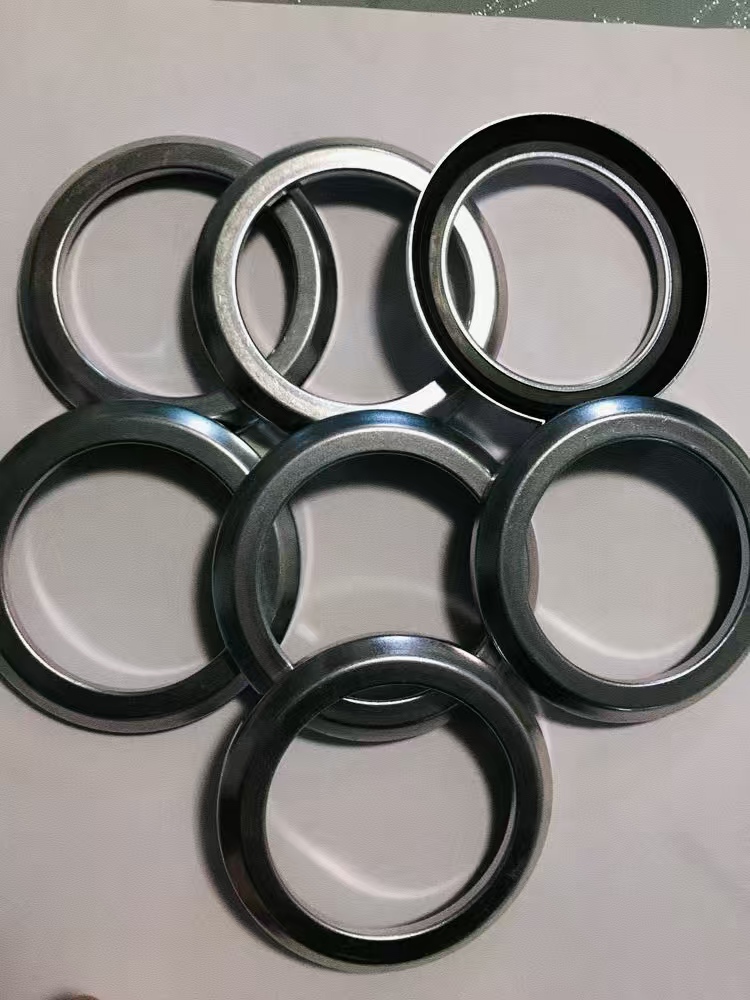
Drifter specifications get most of the attention in equipment procurement, but the drill tool system—shank adapter, drill rods, coupling sleeves, and bit—determines how much of the drifter's percussion energy actually reaches the rock fac...
VIEW MORE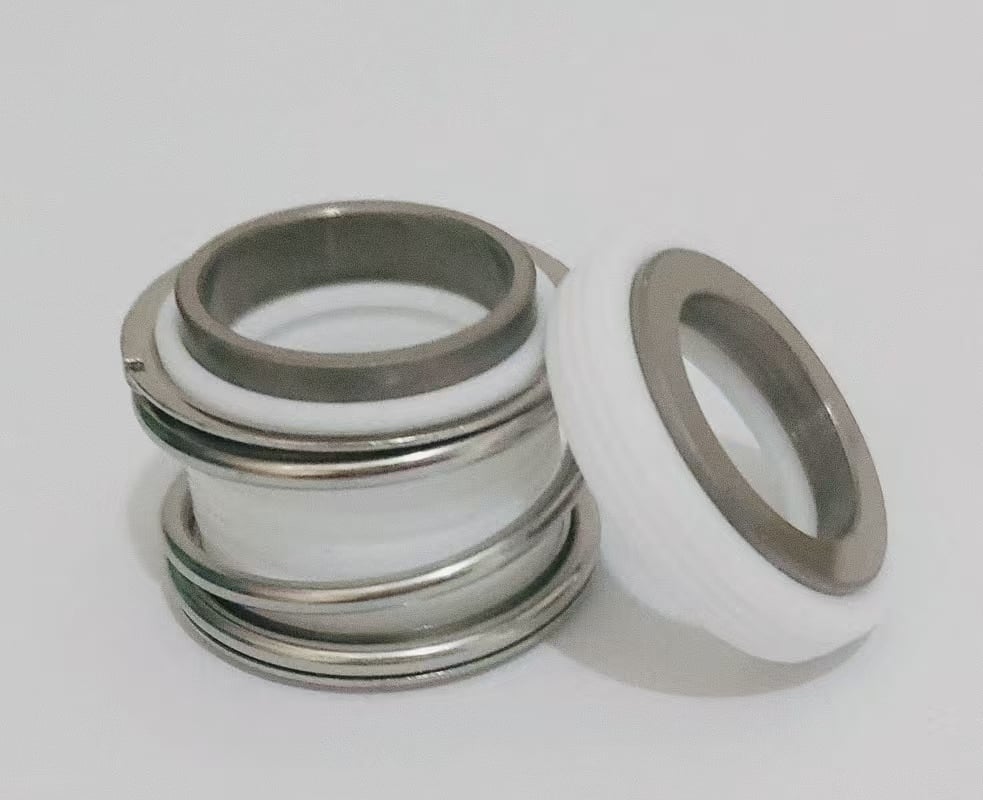
The hydraulic rock drill market doesn't move on fashion cycles—it moves on mining investment cycles, regulatory pressure, and the cost arithmetic of automation versus skilled labor in underground environments. The four trends shaping the curren...
VIEW MORE
Hydraulic rock drill faults announce themselves in one of four ways: a change in percussion sound, a change in penetration rate without a formation change, a change in hydraulic pressure readings, or visible fluid. Operators who can categorize which ...
VIEW MORE
Hard rock above 150 MPa resists the drill in ways that soft and medium formations don't. The bit carbide is in contact with a surface that won't indent easily—so each blow must deliver enough energy to initiate a crack, not just deform the rock...
VIEW MORE
A hydraulic rock drill selection that looks correct on paper fails in two characteristic ways: either the drifter is correctly specified but the carrier can't supply the hydraulic flow it needs, or the application demands a capability—anti-jam ...
VIEW MORE
Most explanations of how a hydraulic rock drill works start with the piston. That's the wrong place to start. The piston is the output of a hydraulic-mechanical coupling system—understanding what the piston does is only useful if you first unde...
VIEW MORE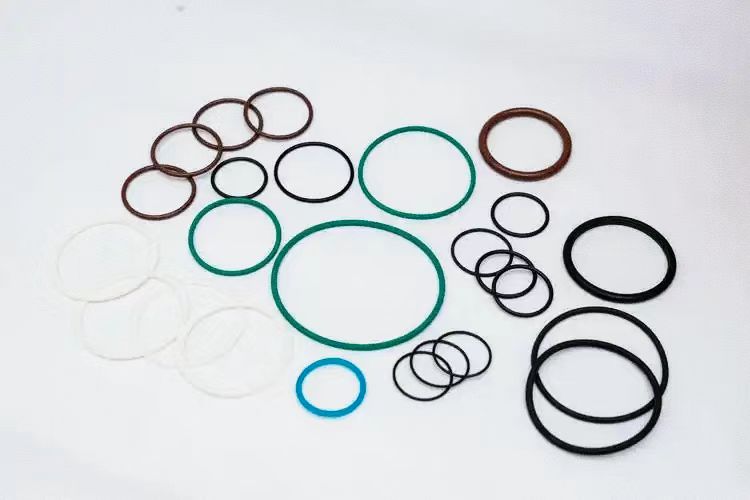
Treating a hydraulic rock drill's sealing system as a collection of individual O-rings to be replaced when they leak misses the point architecturally. The sealing system in a percussion drifter has a structure—dynamic seals in the percussion bo...
VIEW MORE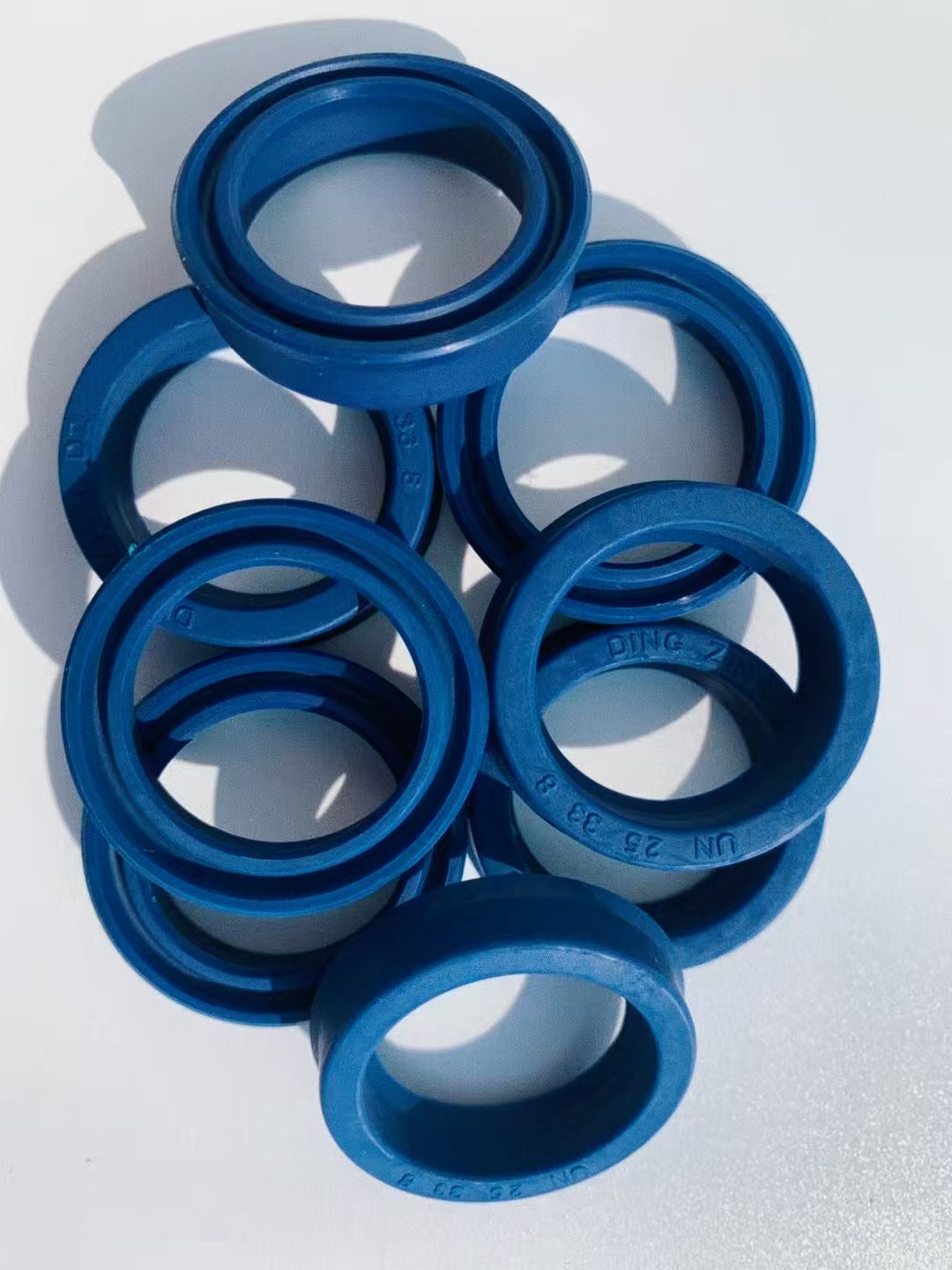
Mining drilling and tunnel drilling use hydraulically similar equipment but place it in operating environments that differ fundamentally—and those environmental differences cascade into every maintenance and selection decision. In surface minin...
VIEW MORE
Epiroc, Sandvik, and Furukawa share something most equipment manufacturers don't: all three grew their percussion drilling technology inside operating mines before they sold it to others. Epiroc's lineage runs through Atlas Copco's rock drilling work...
VIEW MORE
Every hydraulic rock drill spec sheet lists three numbers prominently: impact energy in joules, impact frequency in hertz, and required oil flow in liters per minute. What the spec sheet doesn't explain is that these three numbers are coupled through...
VIEW MORE
Welcome to HOVOO, a Chinese seal factory. Production of PU, Rubber and PTFE seals. The seals include O-ring, piston seal, rod seal, Gray ring and gas seal.


 EN
EN
 AR
AR CS
CS DA
DA NL
NL FI
FI FR
FR DE
DE EL
EL IT
IT JA
JA KO
KO NO
NO PL
PL PT
PT RO
RO RU
RU ES
ES SV
SV TL
TL IW
IW ID
ID LV
LV SR
SR SK
SK VI
VI HU
HU MT
MT TH
TH TR
TR FA
FA MS
MS GA
GA CY
CY IS
IS KA
KA UR
UR LA
LA TA
TA MY
MY
