33-99No. Mufu E Rd. Gulou District, Nanjing, China [email protected] | [email protected]
33-99No. Mufu E Rd. Gulou District, Nanjing, China [email protected] | [email protected]
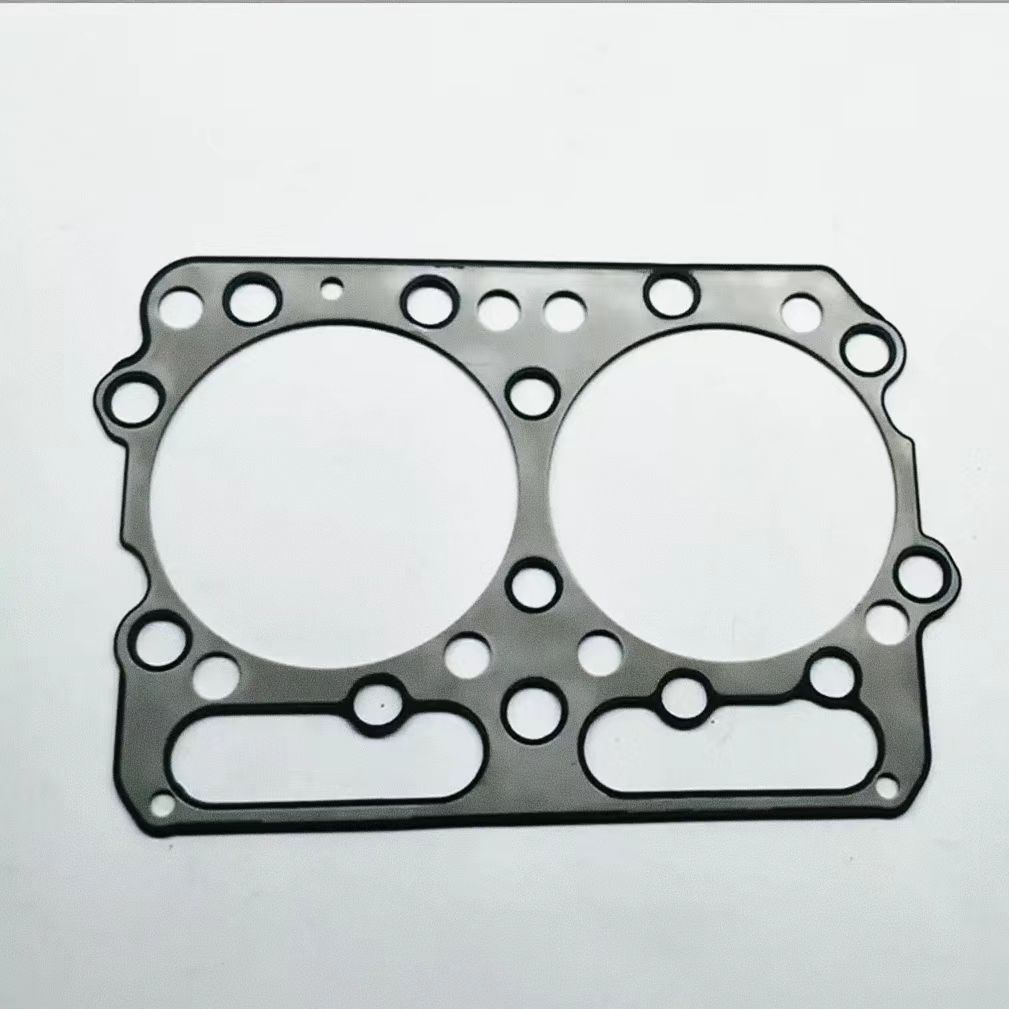
Russia's mining belt stretches from the Kola Peninsula's nickel deposits in the northwest to the gold fields of Magadan on the Pacific. RD18U drifters operate across this geography in conditions that span −45°C Siberian winter startups at t...
VIEW MORE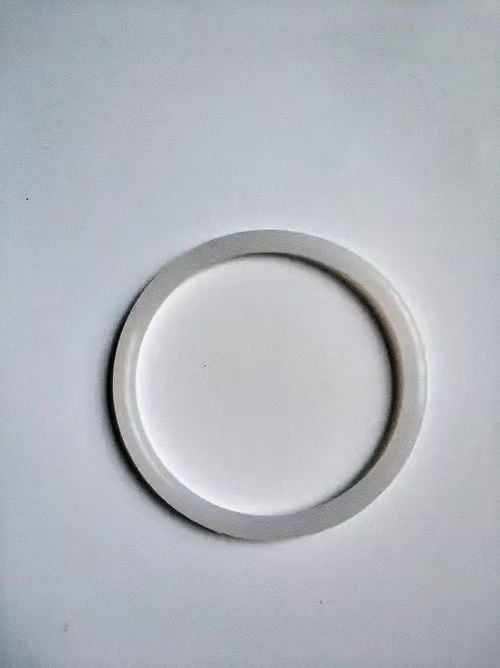
Norway's underground construction sector drills through some of the most structurally complex rock in Europe. The Oslo Fjord tunnel projects, the hydropower adits in Hardanger, and the road tunnels through the gneiss and amphibolite of the Bergen Arc...
VIEW MORE
Finland's mining sector runs some of the world's most demanding continuous percussion programs. At Agnico Eagle's Kittilä gold mine in Lapland and Boliden's Pyhäsalmi copper-zinc operation, jumbo drills cycle through two-shift daily percuss...
VIEW MORE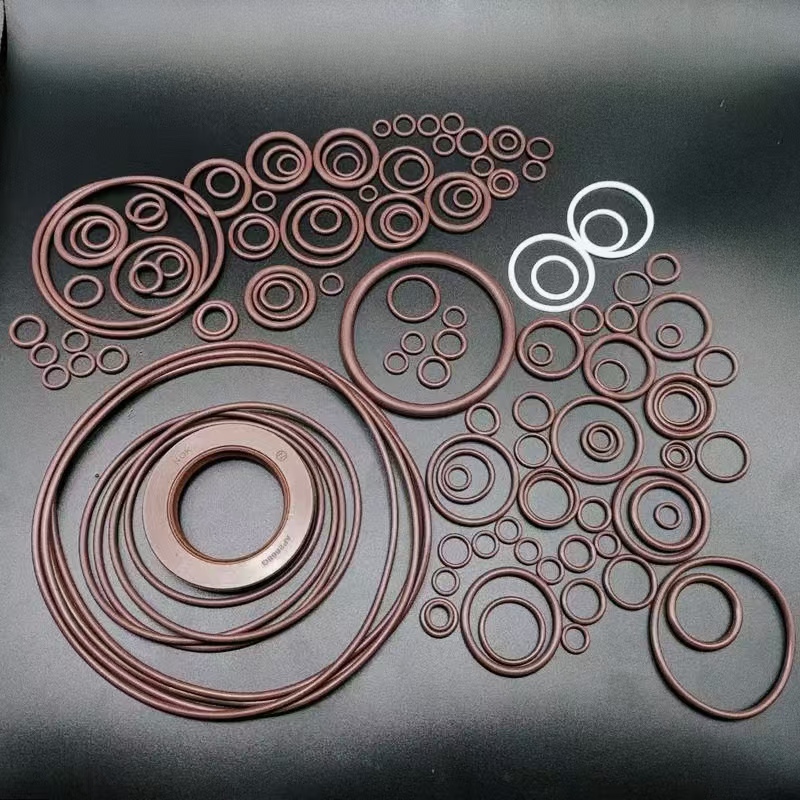
German tunneling contractors building infrastructure under the Rhine valley and through the Erzgebirge mountains have a different relationship with seal kit quality than surface quarry operators in softer terrain. The groundwater here is cold, minera...
VIEW MORE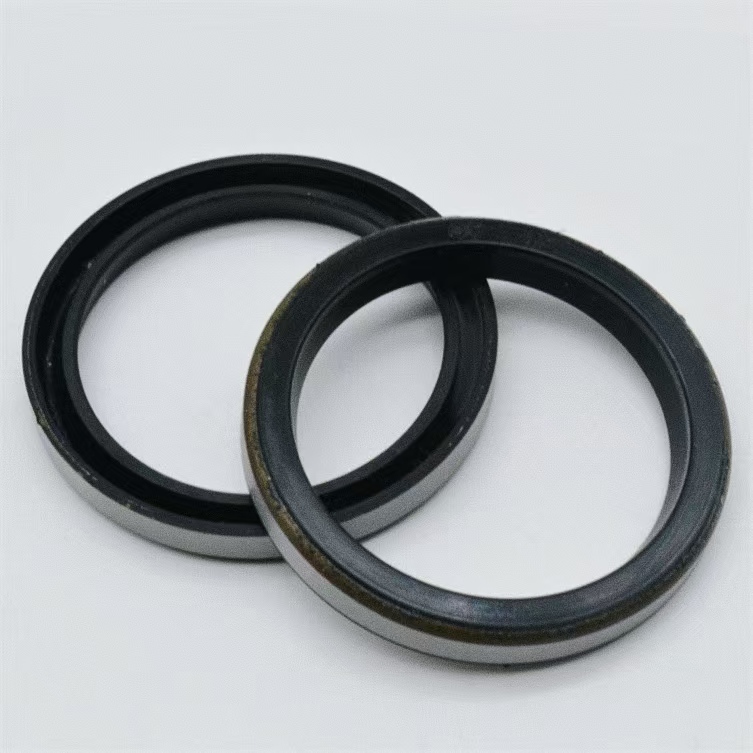
Swedish mining engineers developed a habit that many other markets haven't picked up yet: they track piston service life in units of percussion hours logged against formation hardness, not just calendar intervals. At LKAB's Kiruna iron ore mine&mdash...
VIEW MORE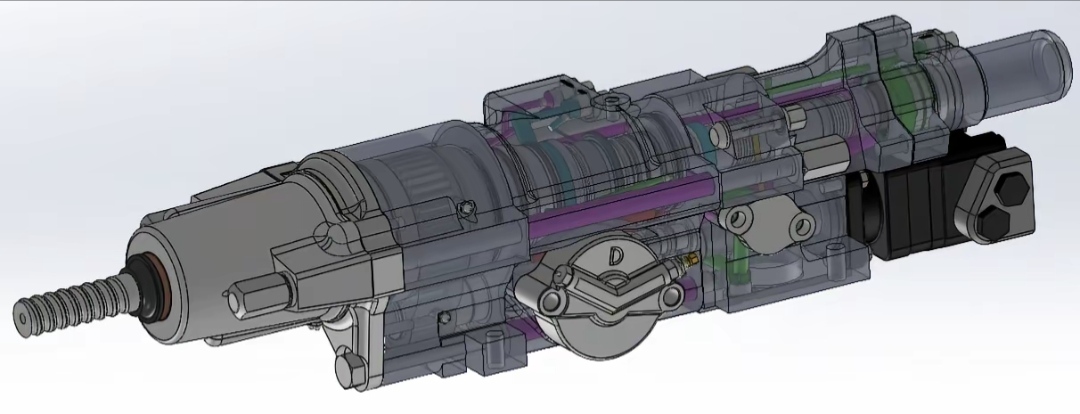
HL X5 Hydraulic Rock Drill Sandvik HL X5 is a high-performance hydraulic rock drill designed for demanding surface and underground drilling applications. It features advanced hydraulic technology, robust construction, and reliable impa...
VIEW MORE
1. HC 20 Hydraulic Rock Drill Montabert HC 20 is a compact and lightweight hydraulic rock drill, ideal for light-duty drilling tasks. It is widely used in small-scale mining, geotechnical exploration, and urban construction projects. &...
VIEW MORE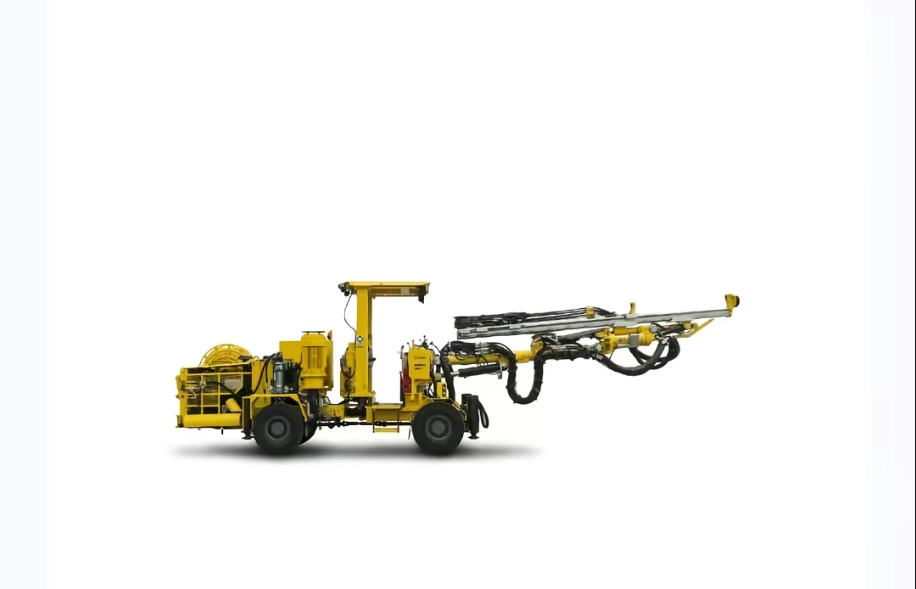
1. COP 1238 Hydraulic Rock Drill Epiroc COP 1238 is a compact yet powerful hydraulic rock drill designed for light to medium-duty drilling tasks. It is widely used in tunneling, quarrying, and small-scale mining operations. OEM part nu...
VIEW MORE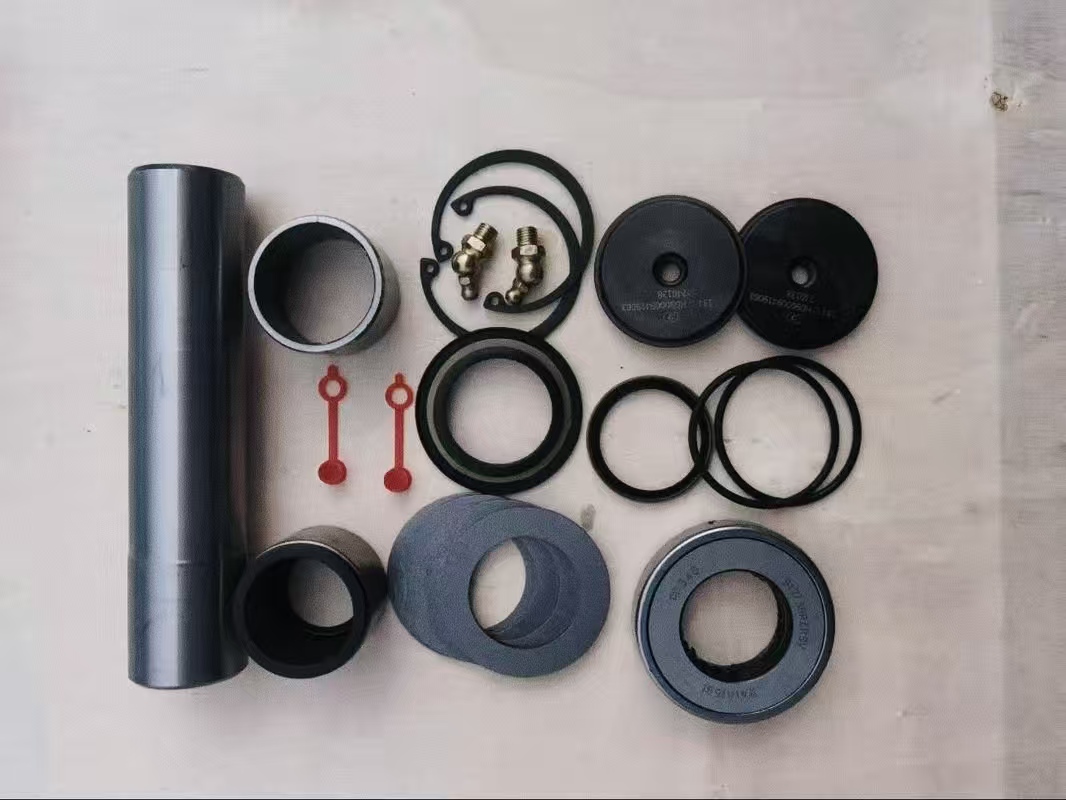
The maintenance reflex when a drifter starts vibrating more than it should is to reduce percussion pressure. Sometimes that fixes it. More often it masks the symptom while leaving the actual source—a worn guide sleeve, a depleted accumulator, a...
VIEW MORE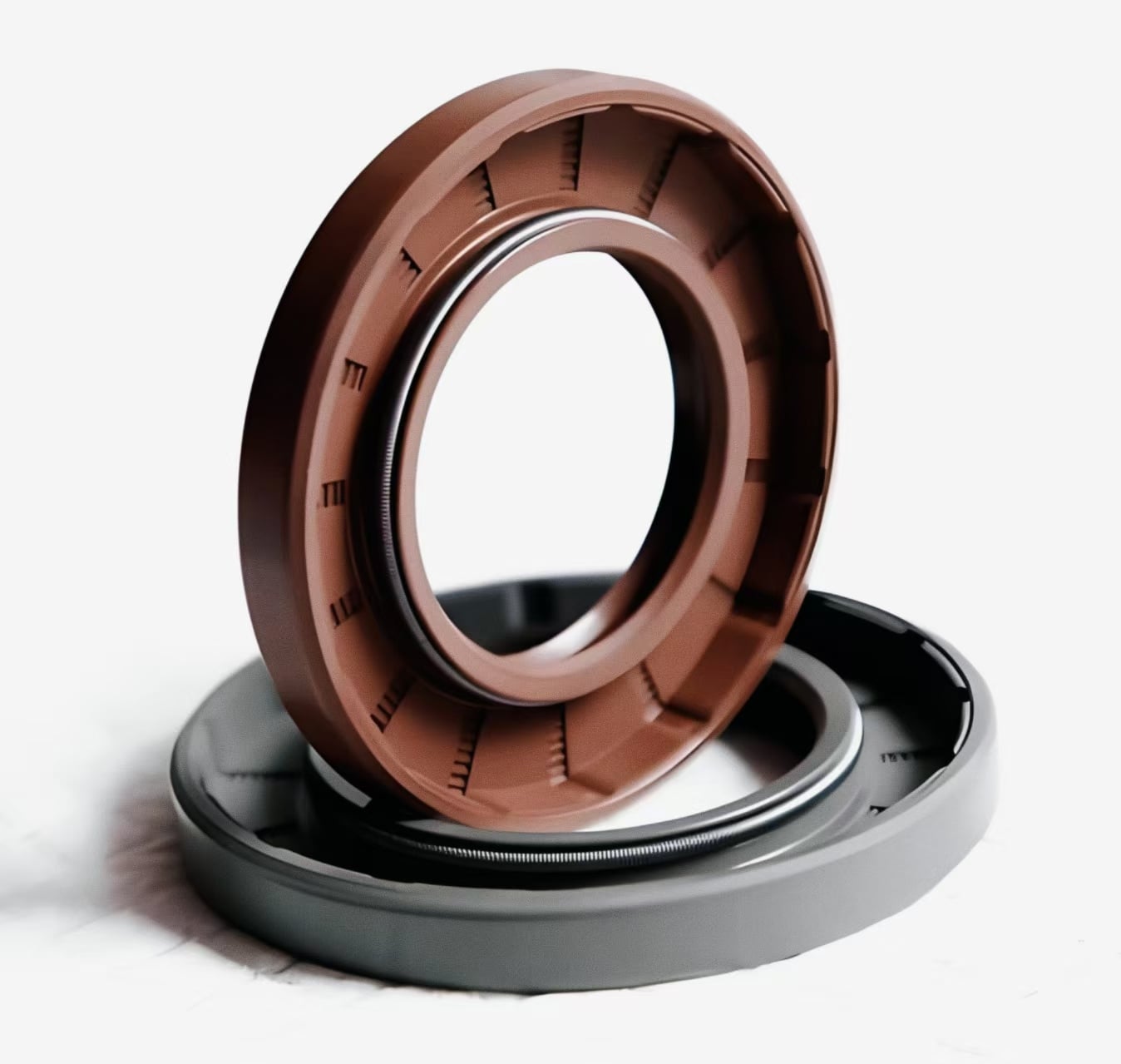
A hydraulic rock drill operating in a coal mine faces a hazard category that simply doesn't apply to metal mining or tunnel construction: methane ignition. The percussion mechanism generates heat at the piston strike face and at the shank-guide bushi...
VIEW MORE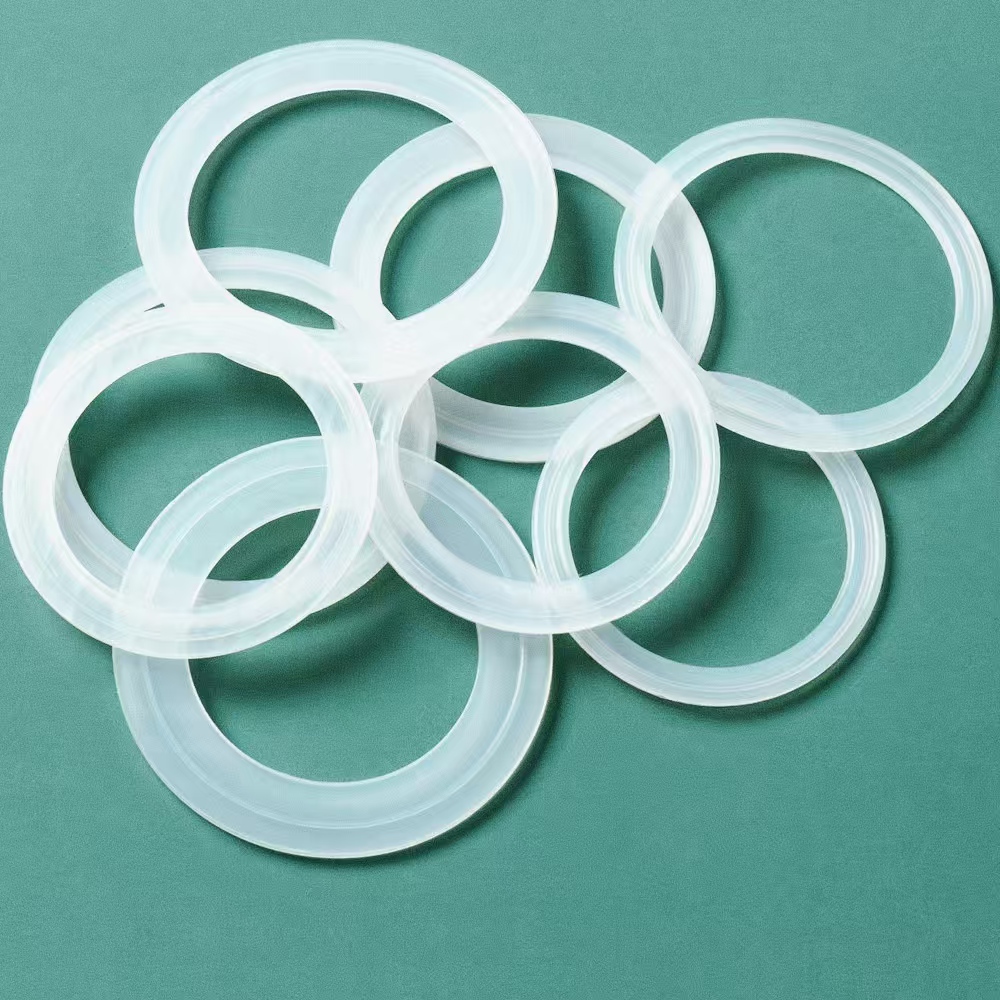
Bearing failures in hydraulic rock drill rotation motors rarely announce themselves with an obvious sudden event—the catastrophic seizure that stops the drill is usually the end of a degradation sequence that started weeks or months earlier. Th...
VIEW MORE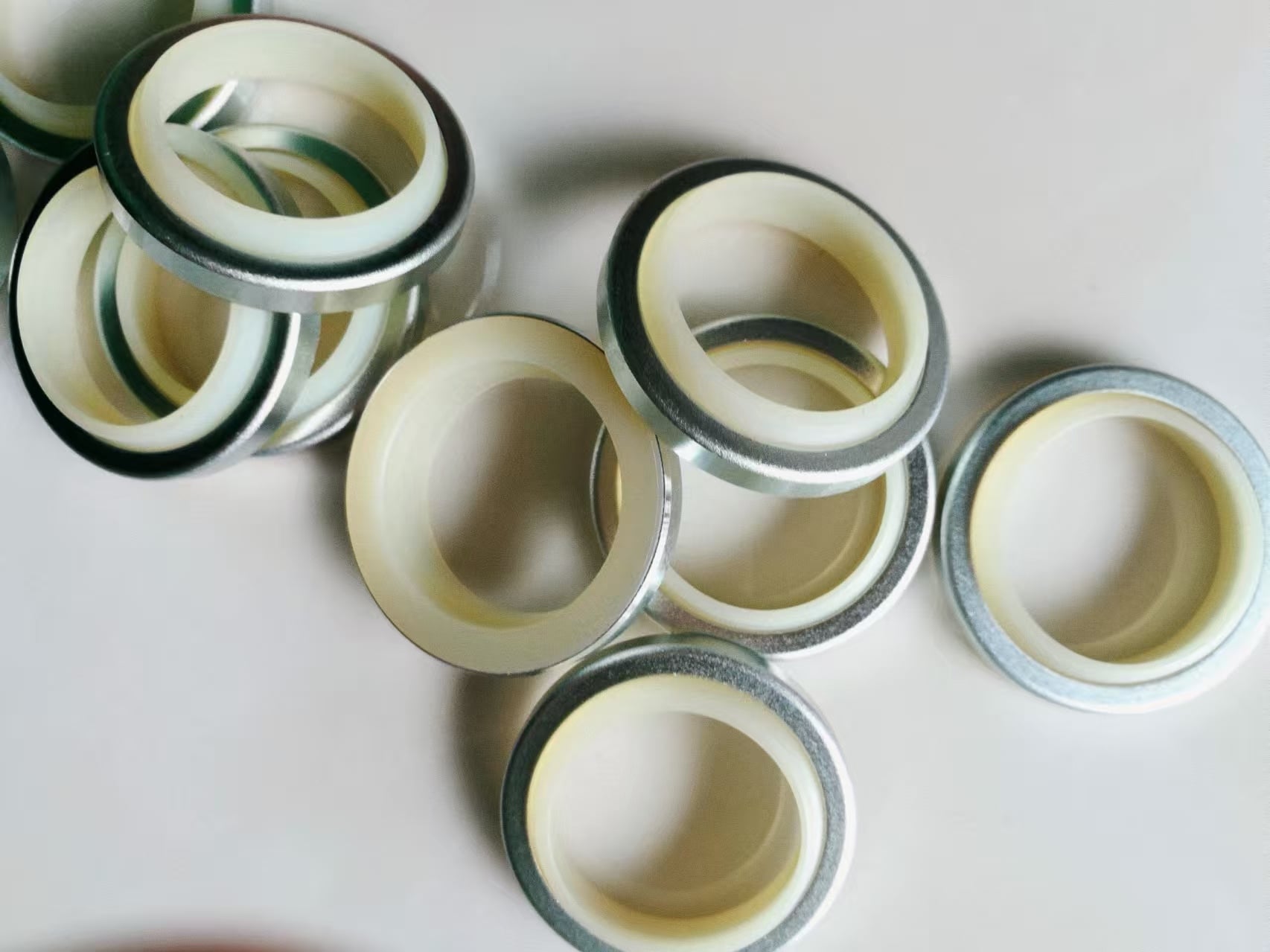
When procurement teams debate split versus integrated rock drills, the discussion usually centers on purchase price and setup time. Both matter, but neither is the most operationally significant difference. The meaningful divergence is in where each ...
VIEW MORE
Welcome to HOVOO, a Chinese seal factory. Production of PU, Rubber and PTFE seals. The seals include O-ring, piston seal, rod seal, Gray ring and gas seal.


 EN
EN
 AR
AR CS
CS DA
DA NL
NL FI
FI FR
FR DE
DE EL
EL IT
IT JA
JA KO
KO NO
NO PL
PL PT
PT RO
RO RU
RU ES
ES SV
SV TL
TL IW
IW ID
ID LV
LV SR
SR SK
SK VI
VI HU
HU MT
MT TH
TH TR
TR FA
FA MS
MS GA
GA CY
CY IS
IS KA
KA UR
UR LA
LA TA
TA MY
MY
