33-99No. Mufu E Rd. Gulou District, Nanjing, China [email protected] | [email protected]
33-99No. Mufu E Rd. Gulou District, Nanjing, China [email protected] | [email protected]
The intuition that a bigger drill on a bigger excavator always means more productivity is wrong in a specific and costly way. An oversized drill attachment draws more hydraulic flow than the carrier's auxiliary circuit was designed to supply, forcing...
VIEW MORE
Hydraulic rock drills have two distinct lubrication systems that are frequently confused with each other, and maintaining only one while neglecting the other is a common source of premature drifter failure. The first is the hydraulic circuit itself&m...
VIEW MORE
Check valves—one-way valves that allow flow in a single direction and prevent backflow—sit in several positions within a hydraulic rock drill circuit. They protect the accumulator gas circuit from oil backflow contamination, prevent retur...
VIEW MORE
Most maintenance programs on hydraulic rock drills have a specific interval for hydraulic oil changes, a specific interval for seal kit replacement, and almost nothing written down for accumulator maintenance. The accumulator gets checked when someth...
VIEW MORE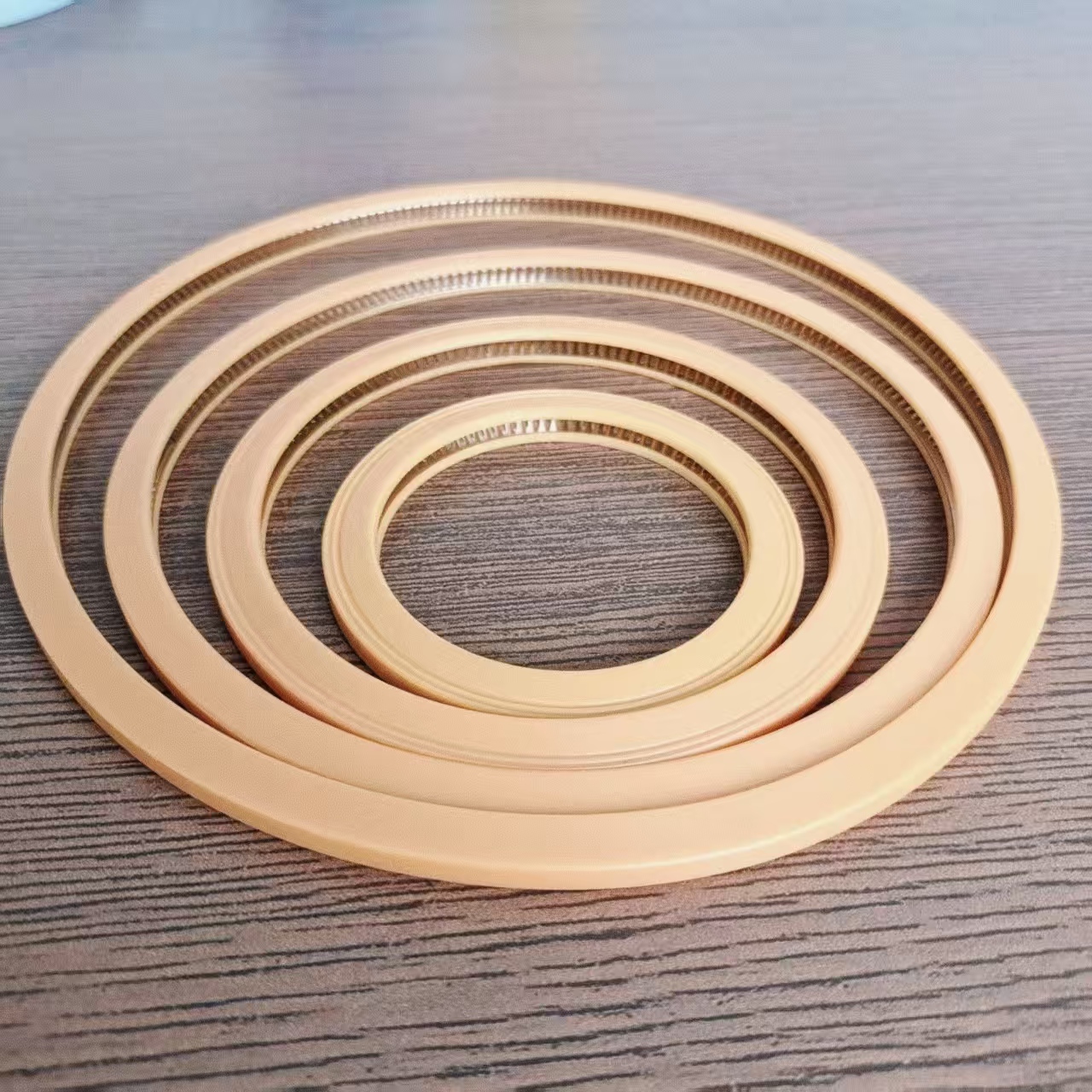
A worn guide sleeve is one of those failures that announces itself through a cascade of other problems before anyone identifies the root cause. The shank adapter starts fracturing at the thread root—engineers blame the adapter manufacturer. Pen...
VIEW MORE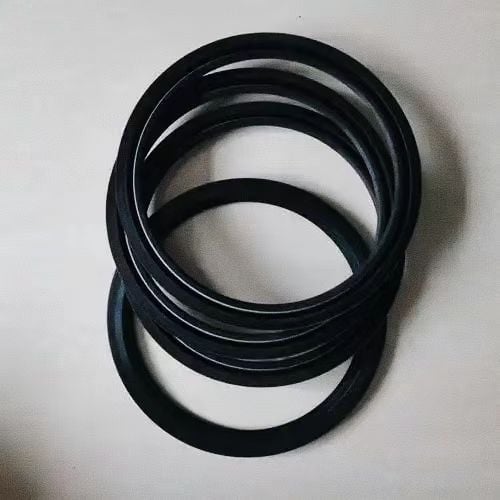
The question of which seal material is best has a frustrating but accurate answer: it depends on which failure mode you're trying to avoid. PU (polyurethane) fails through thermal compression set above 90°C. HNBR (hydrogenated nitrile rubber) fai...
VIEW MORE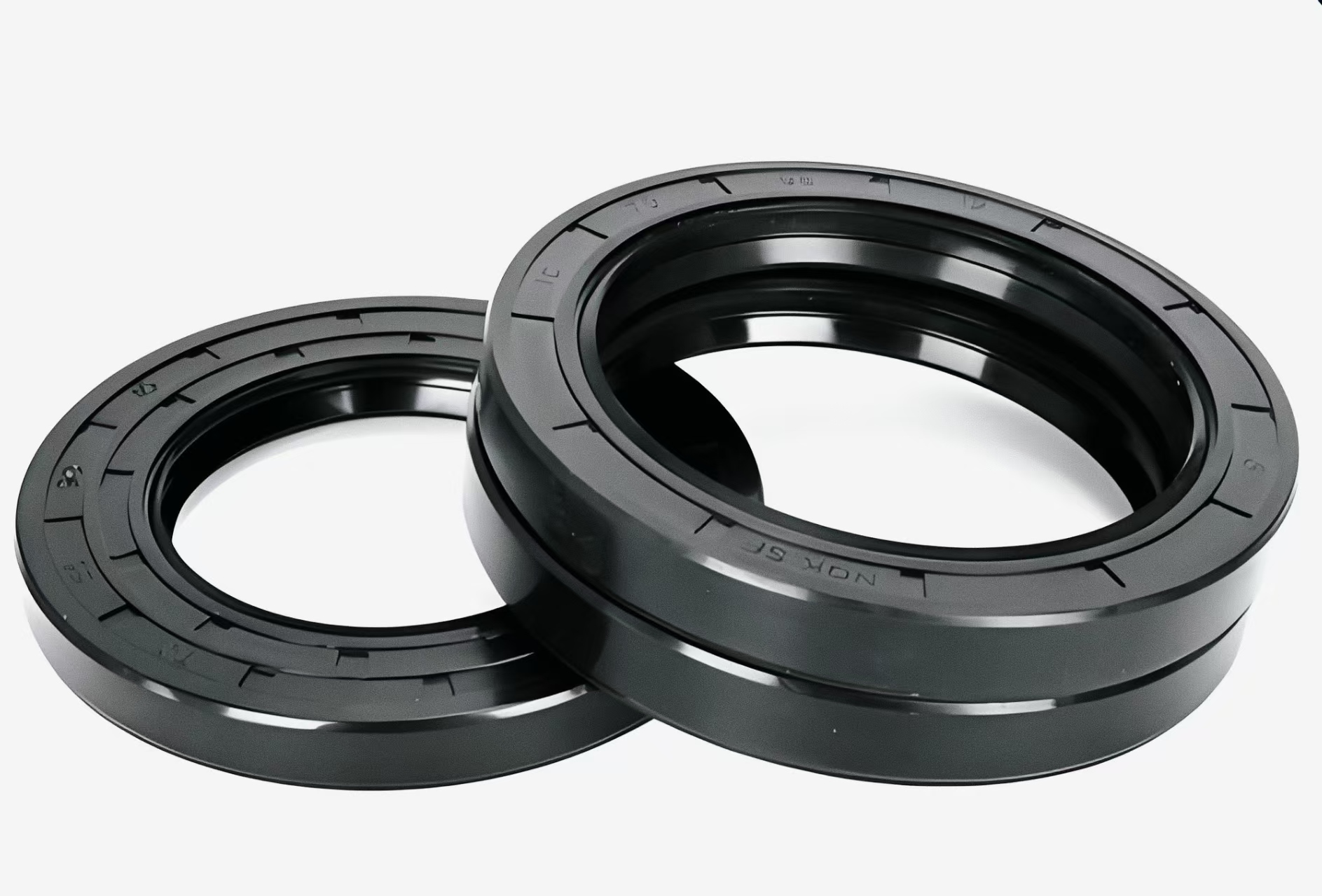
The cost of an incorrect drifter selection in tunnel construction shows up in an accounting line that most procurement processes don't track: overbreak volume per round. A drifter mismatched to the tunnel cross-section, rock formation, or hole depth ...
VIEW MORE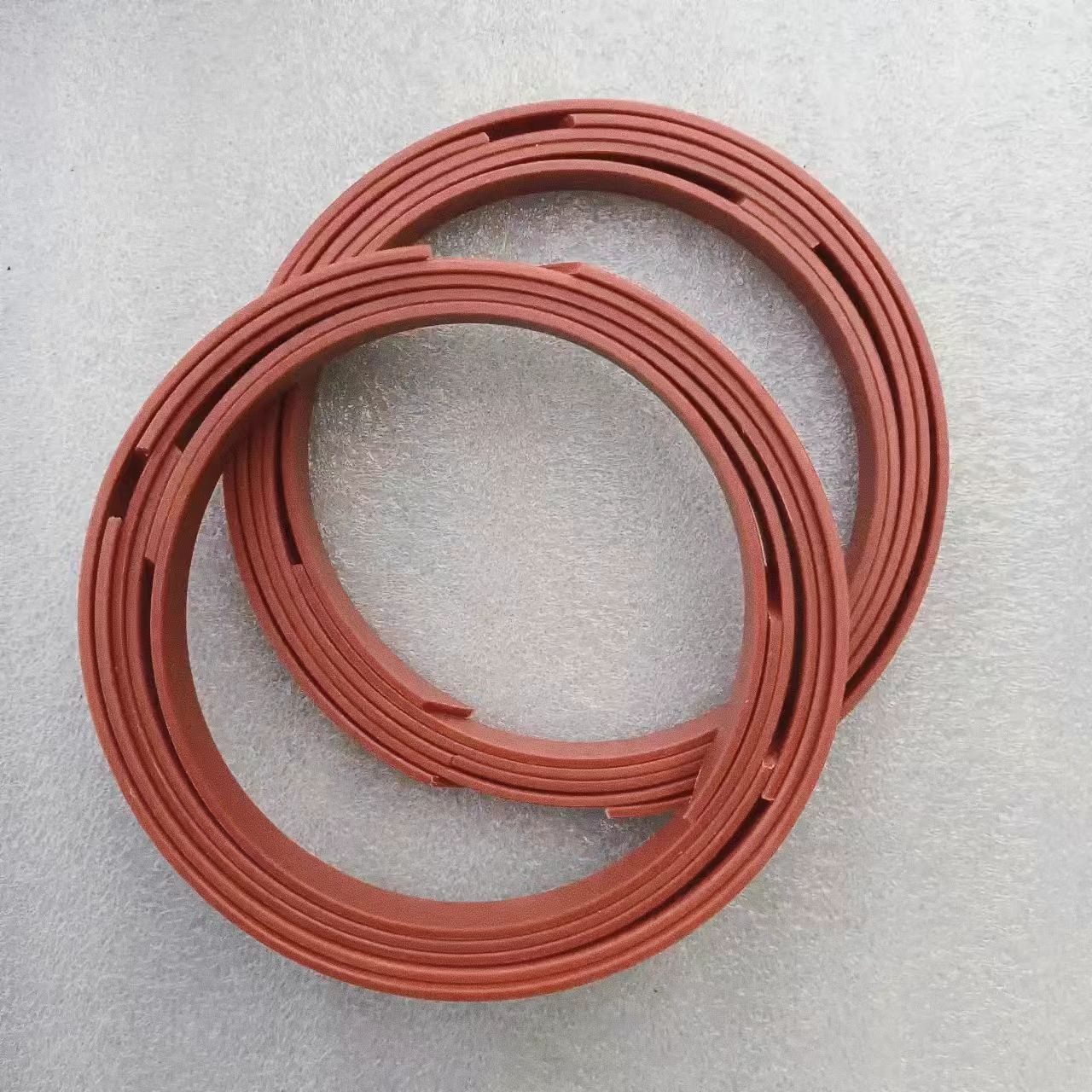
Both tools hit rock with hydraulic power. Both mount on excavators. Both appear in specifications under the general category of 'hydraulic rock breaking equipment.' Beyond those surface similarities, a rock drill and a hydraulic breaker are built for...
VIEW MORE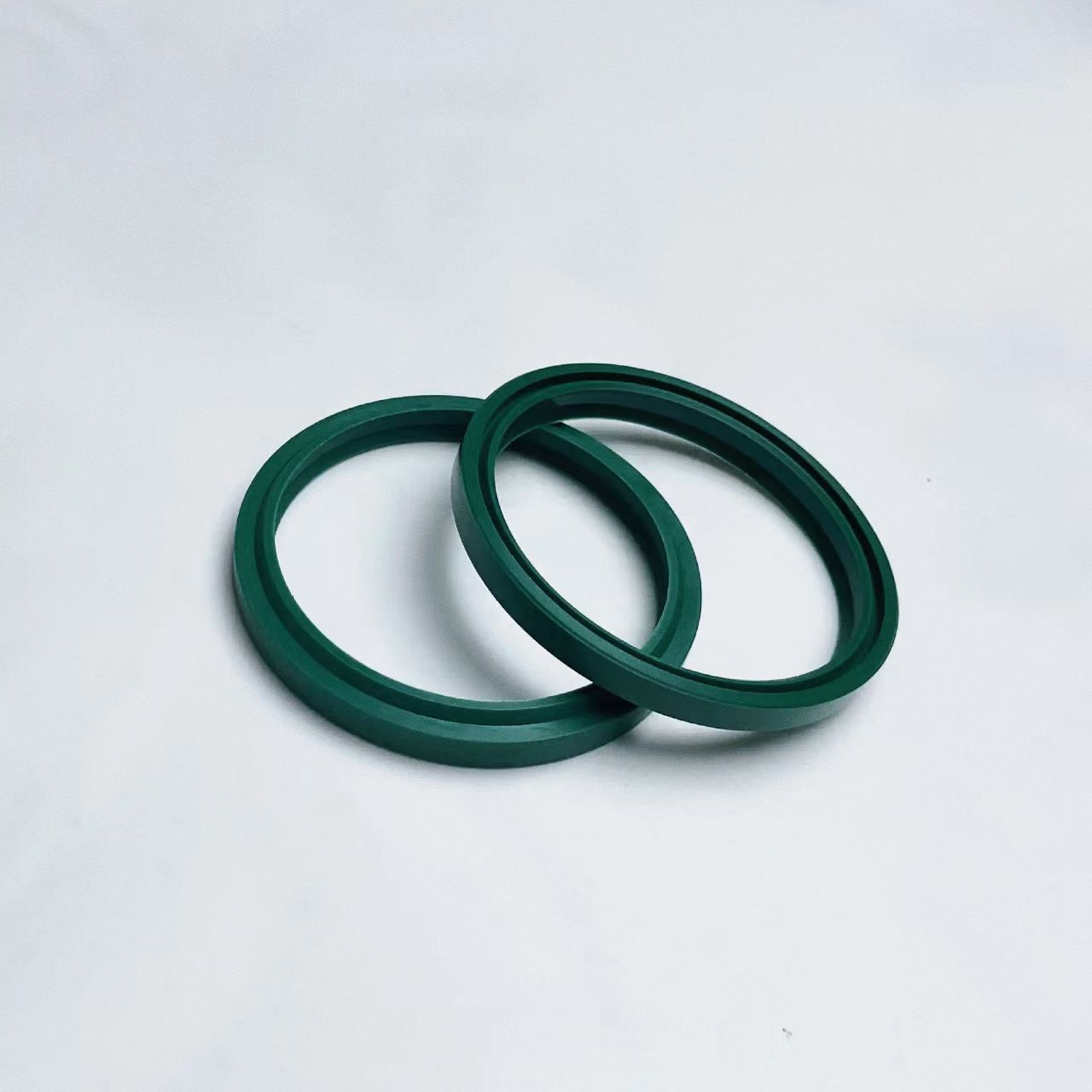
There's a reason experienced drillers talk about 'feel' when they're setting up a new face. Percussion pressure, rotation pressure, and feed force don't operate independently—they're coupled through the drill bit in ways that make adjusting one...
VIEW MORE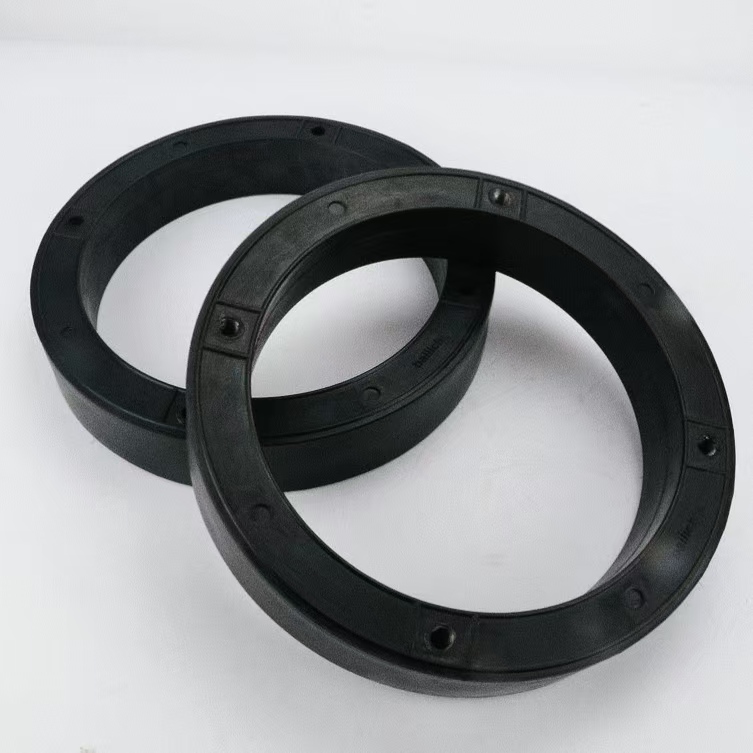
Talk to a mine maintenance manager who has run both Epiroc and Sandvik equipment on the same site and the conversation rarely stays on spec sheet comparisons for long. It moves quickly to consumables logistics, service interval behavior, and what hap...
VIEW MORE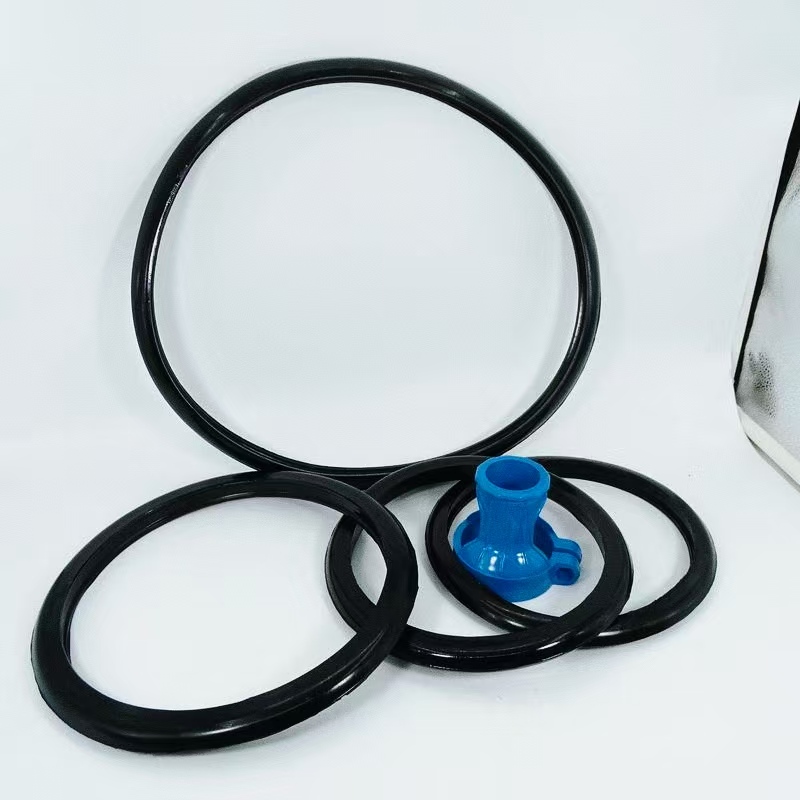
Oil leakage on a hydraulic rock drill is rarely just a nuisance. A weeping flushing box seal means water is entering the percussion circuit in the opposite direction—contaminating the hydraulic oil and gradually scoring the bore surface. A weep...
VIEW MORE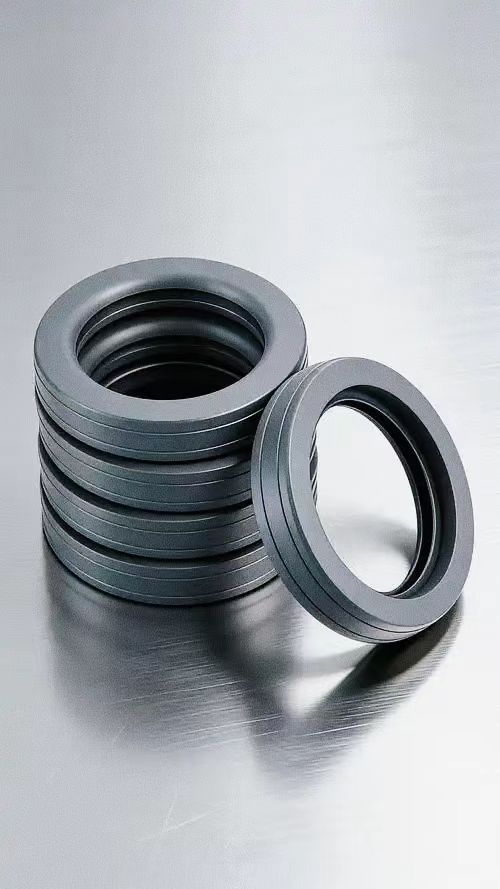
A seal kit replacement that fails within the first 50 percussion hours is almost never a parts quality problem. It's an installation error—usually one of three: the bore wasn't flushed before new seals were fitted, a dynamic seal was twisted du...
VIEW MORE
Welcome to HOVOO, a Chinese seal factory. Production of PU, Rubber and PTFE seals. The seals include O-ring, piston seal, rod seal, Gray ring and gas seal.


 EN
EN
 AR
AR CS
CS DA
DA NL
NL FI
FI FR
FR DE
DE EL
EL IT
IT JA
JA KO
KO NO
NO PL
PL PT
PT RO
RO RU
RU ES
ES SV
SV TL
TL IW
IW ID
ID LV
LV SR
SR SK
SK VI
VI HU
HU MT
MT TH
TH TR
TR FA
FA MS
MS GA
GA CY
CY IS
IS KA
KA UR
UR LA
LA TA
TA MY
MY
