33-99No. Mufu E Rd. Gulou District, Nanjing, China [email protected] | [email protected]
33-99No. Mufu E Rd. Gulou District, Nanjing, China [email protected] | [email protected]

Pengedapannya adalah kunci untuk mengekalkan operasi sistem hidraulik dengan baik. Sebarang kebocoran minyak dari silinder atau omboh, atau sebarang habuk yang masuk ke dalam, akan memendekkan jangka hayat keseluruhan sistem dan mengurangkan kecekapan sistem tersebut.
Untuk menghalang kebocoran minyak keluar dan habuk masuk ke dalam, industri ini telah mencipta pelbagai jenis pengedap, teknik, dan kaedah. Setiap satu mempunyai kelebihannya tersendiri. Dalam beberapa tugas yang sukar, satu pengedap sahaja mungkin tidak mencukupi; oleh itu, jurutera menggunakan sistem pengedapan penuh sebagai gantinya.
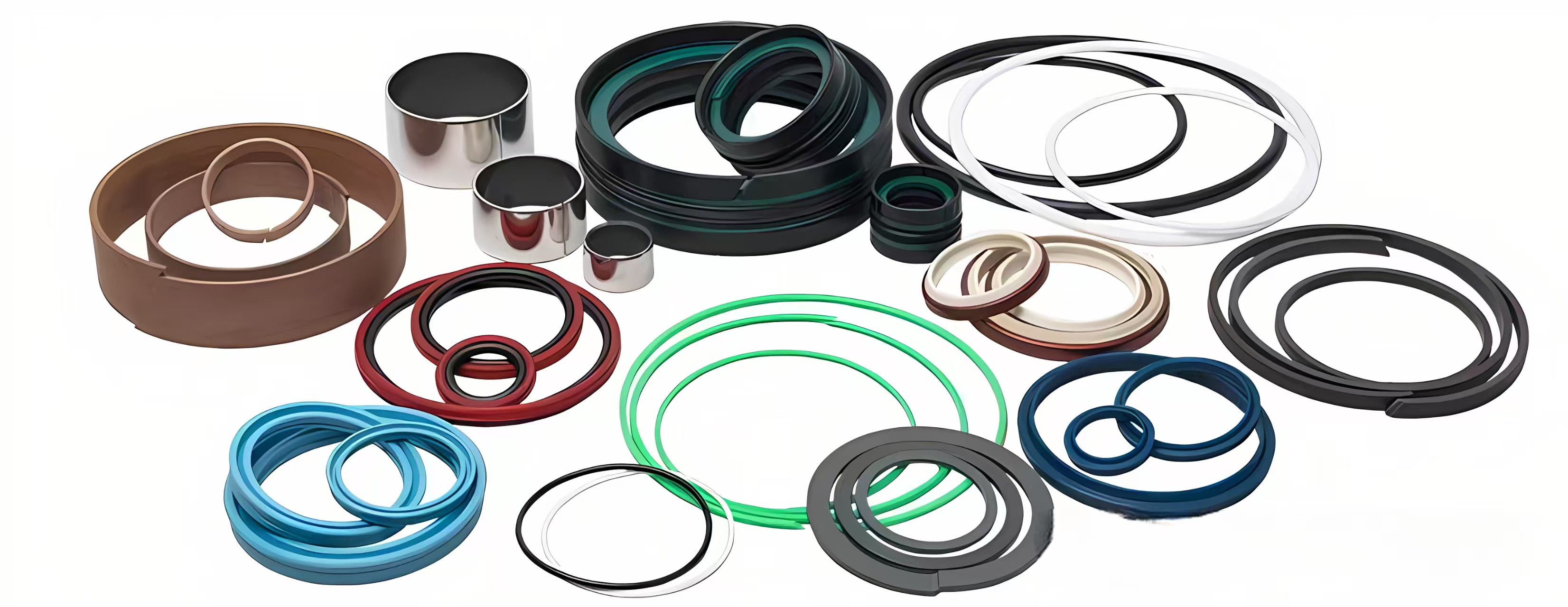
Memilih dan Menggunakan Sistem Pengedapan
Sistem pengedap biasanya terdiri daripada beberapa cincin pengedap khas yang berfungsi bersama untuk memberikan prestasi keseluruhan yang sangat baik. Sistem pengedap silinder tekanan tinggi biasanya mempunyai empat bahagian: pengelap pembersih (wiper), penyeal batang (atau cincin pengedap utama), cincin pengedap penyangga (atau cincin pengedap sekunder), dan cincin panduan. Sistem pengedap omboh biasanya hanya terdiri daripada satu cincin pengedap utama ditambah satu cincin panduan.
Empat bahan yang paling kerap digunakan dalam pengedap hidraulik hari ini ialah poliuretana (PU), getah nitril (NBR), getah fluoro (FKM), dan PTFE.
Cara Memilih Bahan yang Sesuai
Pilihan bahan bergantung pada keadaan kerja. Bahan-bahan yang berbeza bertindak balas
secara berbeza dengan setiap bahan, dan sebilangan daripadanya mampu menahan tekanan atau suhu yang lebih tinggi. Bahan tersebut juga perlu tahan terhadap daya mampatan yang boleh mengubah bentuknya. Oleh itu, pilihan yang tepat sentiasa bergantung pada tugas spesifik yang dijalankan.
Berikut adalah bahan pengedap yang paling biasa digunakan dan kelebihan masing-masing.
1. Poliuretana (PU)
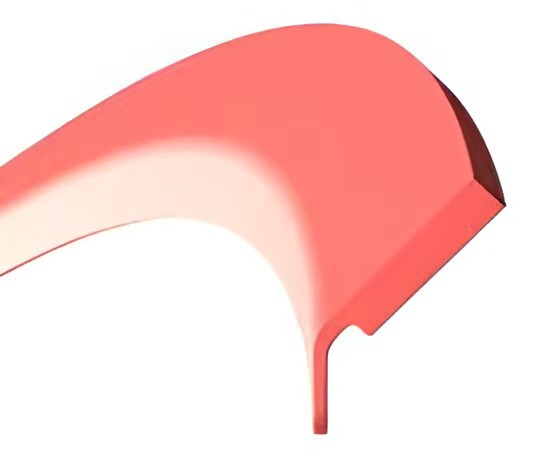
Poliuretana ialah bahan plastik yang kuat dengan banyak kumpulan uretana dalam struktur kimianya. Ia merupakan sejenis elastomer termoplastik. Sifatnya sebahagian menyerupai plastik keras dan sebahagian lagi seperti getah, menjadikannya sebagai bahan perantara antara kedua-duanya.
Sifat-sifatnya berasal daripada tiga bahan utama: poliol, diisiosianat, dan pelanjut rantai. Jenis dan kuantiti masing-masing bahan, serta cara tindak balas antara mereka, menentukan prestasi akhir. Poliuretana biasanya memberikan:
· Kekuatan mekanikal yang tinggi
· Kekuatan regangan yang tinggi
· Rintangan haus yang sangat baik
· Kelenturan yang luar biasa
·Kekakuan yang boleh dilaraskan dalam julat yang luas
·Julat kekerasan yang luas sambil mengekalkan sifat elastik
·Rintangan yang baik terhadap ozon dan penuaan
·Rintangan yang sangat baik terhadap haus dan koyak
·Rintangan yang baik terhadap minyak dan petrol
Julat suhu: −30 hingga 80°C. Jenis prestasi tinggi khas mampu menahan suhu sehingga 110°C dalam jangka masa panjang apabila terdedah kepada minyak mineral.
2. Getah Nitril (NBR)
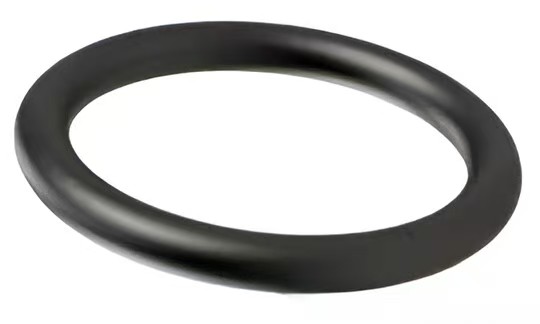
NBR dihasilkan daripada butadiena dan akrilonitril. Kandungan akrilonitril (ACN) mempengaruhi sifat-sifatnya secara ketara:
·Kelenturan
·Keteguhan pada suhu rendah
·Kemudahan gas menembusi bahan
·Set mampatan
·Rintangan terhadap pengembangan dalam minyak mineral, gris, dan bahan api
NBR rendah-ACN sangat fleksibel pada suhu rendah (sehingga kira-kira -45°C), tetapi hanya mempunyai rintangan sederhana terhadap minyak dan bahan api. NBR tinggi-ACN mempunyai rintangan terbaik terhadap minyak dan bahan api, tetapi mungkin hanya
kekal fleksibel sehingga -3°C. Apabila kandungan ACN meningkat, keelastikan menurun dan set mampatan menjadi lebih buruk.
NBR baik untuk:
·Menghalang pengembangan dalam hidrokarbon alifatik, gris, minyak hidraulik tahan api HFA/HFB/HFC, minyak tumbuhan dan haiwan, bahan api ringan, dan diesel
·Menahan air panas sehingga 100°C (seperti dalam sistem paip), asid lemah dan alkali lemah
·Rintangan sederhana terhadap bahan api beraromatik tinggi
Bahan ini mengembang secara ketara dalam hidrokarbon beraromatik, hidrokarbon terklorin, minyak tahan api HFD, ester, pelarut polar, dan cecair brek glikol.
Julat suhu: -40 hingga 100℃ (sementara masa pendek sehingga 130℃). Campuran khas boleh turun sehingga -55℃ pada suhu rendah. Di atas had ini, bahan menjadi keras.
3. Getah Fluoro (FKM)
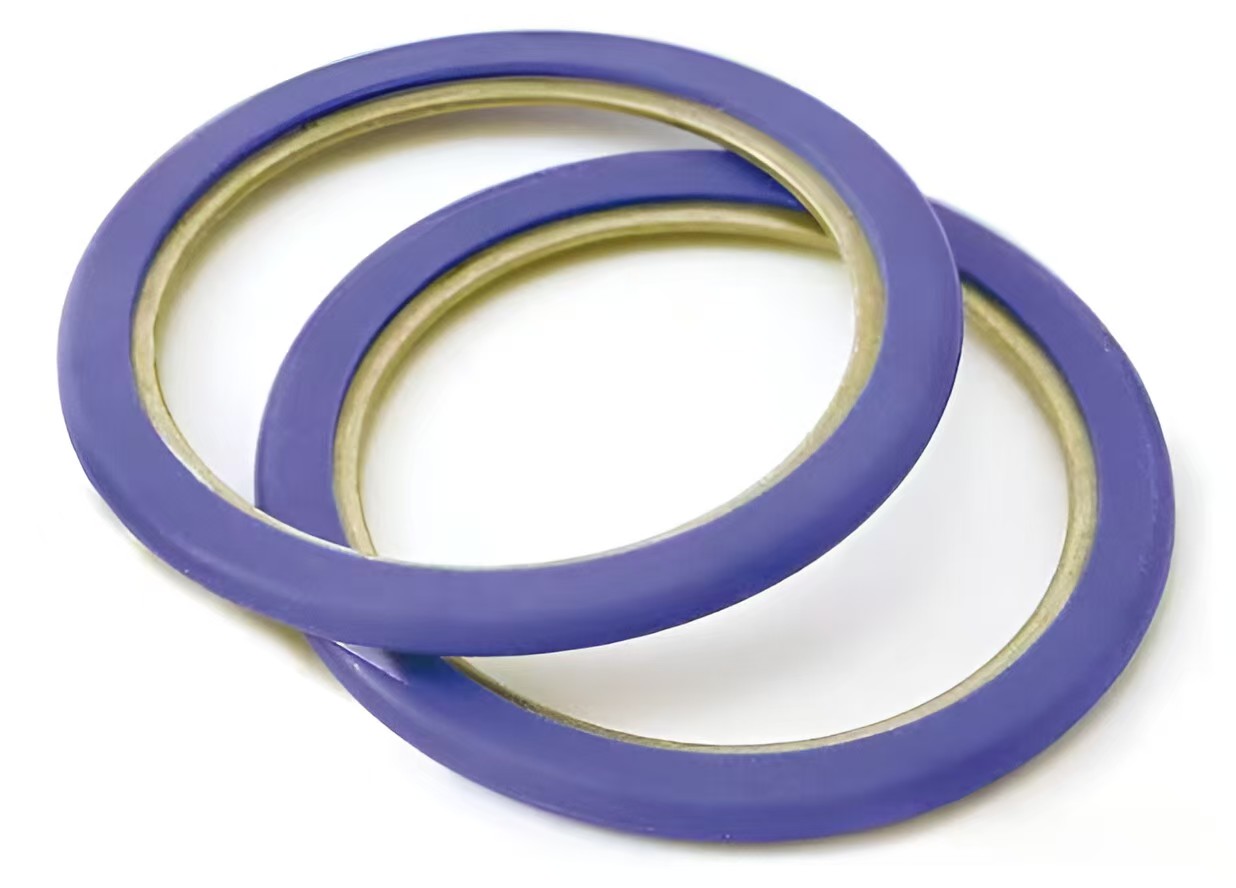
FKM dihasilkan dengan menggabungkan vinilidena fluorida (VF) dengan jumlah yang berbeza daripada
heksafluoropropilena (HFP), tetrafluoroetilena (TFE), dan bahan-bahan lain. Jenis campuran dan kandungan fluorin (65% hingga 71%) menentukan tahap rintangan terhadap bahan kimia dan suhu rendah. Ia boleh divulkaniskan menggunakan diamina, bisfenol, atau peroksida organik.
FKM dikenali kerana:
· Rintangan suhu tinggi yang sangat baik
· Rintangan luar biasa terhadap minyak, petrol, minyak hidraulik, dan pelarut hidrokarbon
· Rintangan api yang baik
· Ketelapan gas yang sangat rendah
· Pengembangan tinggi dalam pelarut polar, keton, minyak hidraulik tahan api jenis Skydrol, dan cecair brek
Julat suhu: kira-kira -20 hingga 200℃ (sementara waktu sehingga 230℃). Gred khas boleh beroperasi dari -50 hingga 200℃.
4. Politetrafluoroetilena (PTFE)
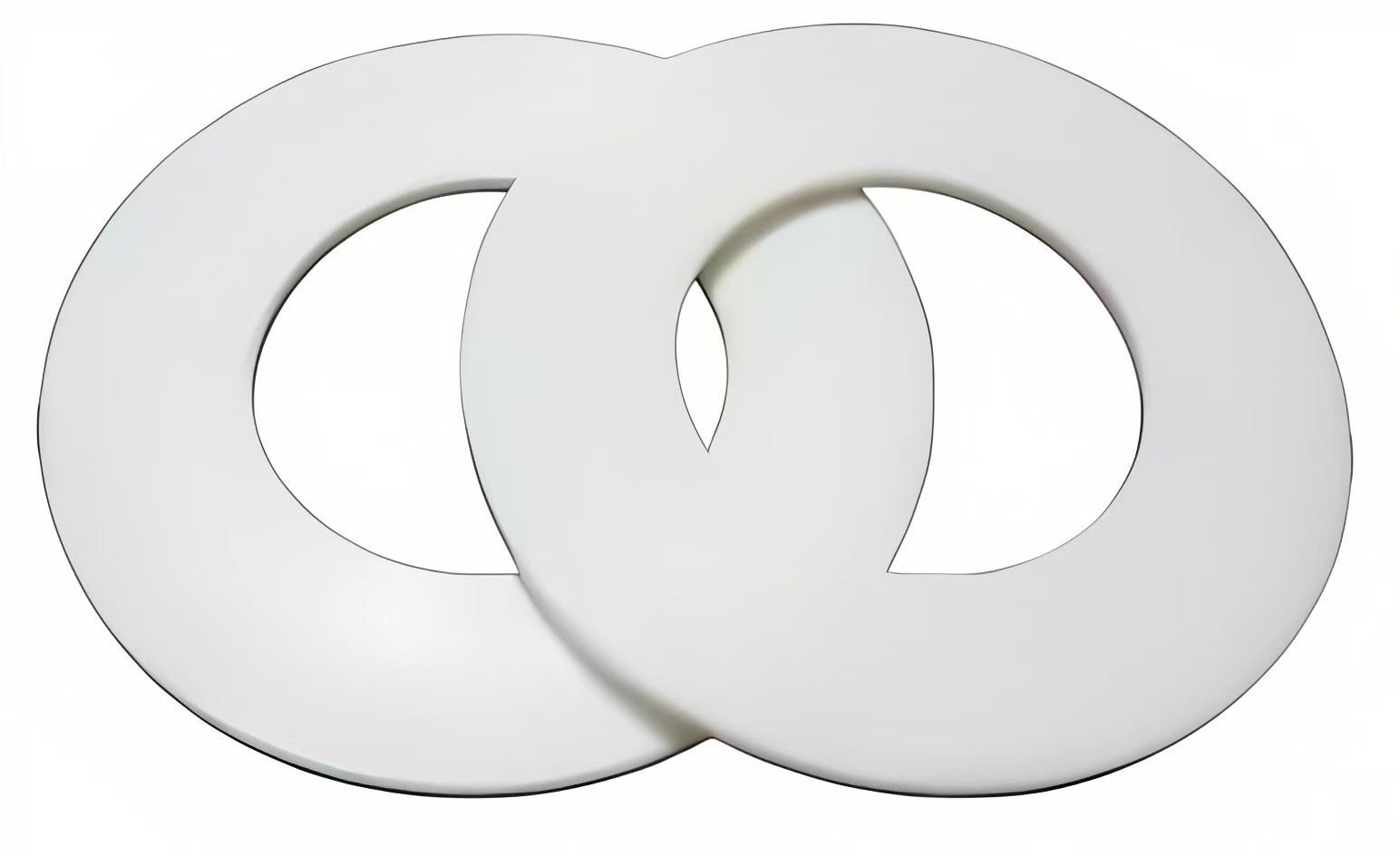
PTFE dihasilkan daripada tetrafluoroetilena. Bahan bukan elastik ini istimewa kerana:
· Permukaannya sangat licin dan stabil
· Tidak toksik sehingga 200℃ · Geseran yang sangat rendah terhadap hampir semua permukaan lain—geseran statik dan dinamik hampir sama
· Penebat elektrik yang sangat baik (hampir tidak terjejas oleh frekuensi, suhu, atau cuaca)
· Rintangan kimia yang lebih baik berbanding plastik atau getah lain mana pun
· Hanya diserang oleh logam alkali cecair dan beberapa sebatian fluorin pada suhu tinggi
Julat suhu: -200℃ hingga 260℃. Walaupun pada suhu yang sangat rendah, ia masih mempunyai sedikit kelenturan, maka digunakan dalam banyak aplikasi suhu sejuk ekstrem.
oleh kerana PTFE tidak terlalu elastik dan boleh mengalami pengaliran (creep) mengikut masa, kebanyakan segel hidraulik menggabungkannya dengan bahagian spring atau getah untuk mengekalkan keketatan bibir.
Reka Bentuk Segel Biasa dalam Silinder Hidraulik
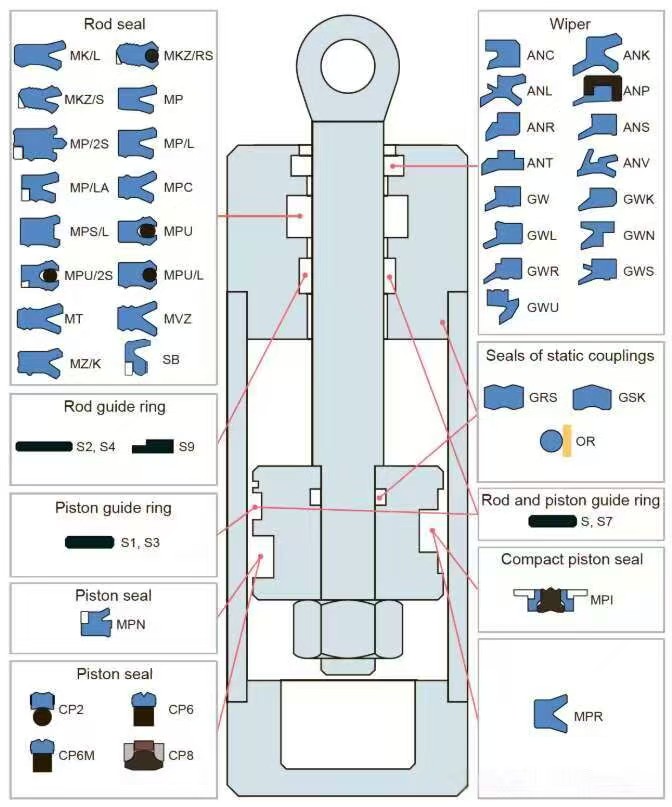
Berikut adalah jenis segel yang paling biasa digunakan dalam silinder hidraulik.
1. Segel Piston
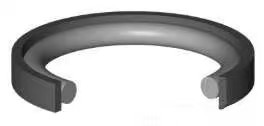
· Segel antara piston dan tiub silinder—sangat penting untuk memastikan silinder berfungsi dengan betul
· Reka bentuk yang paling biasa ialah cincin pengedap berbibir, tetapi Oring atau cincin T juga digunakan
· Mesti memberikan segelan ketat sambil mengekalkan geseran pada tahap rendah
· Dibuat daripada pelbagai bahan bergantung kepada keperluan tugas
· Memerlukan tekanan sistem untuk menekan bibir segel secara ketat
2. Pengelap (Segel Debu)
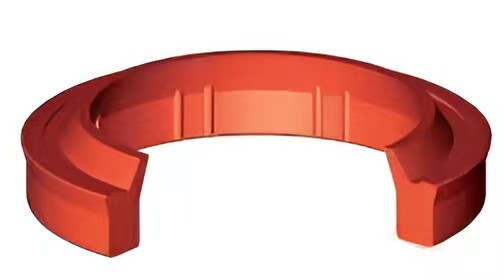
· Tindakan mengikis yang kuat untuk menghalang lumpur, air, habuk, dan kotoran masuk
·Lap lapisan minyak kembali ke dalam sistem apabila rod menarik masuk
·Melindungi segel utama dan memperpanjang jangka hayatnya
·Biasanya diperbuat daripada poliuretana tahan haus tinggi
·Sering digunakan juga sebagai segel gris pada pin penghubung
3. Segel Rod
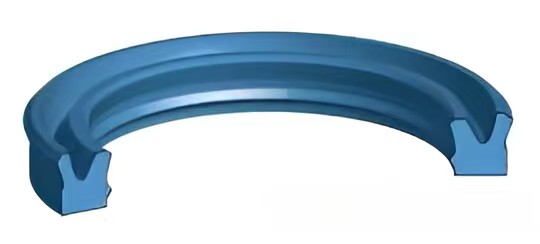
·Menghalang kebocoran minyak keluar dari sistem
·Mesti berfungsi dengan baik pada tekanan rendah dan tinggi
·Memerlukan rintangan terhadap ekstrusi dan ketahanan haus yang sangat baik
·Harus membawa semula lapisan minyak ke dalam sistem
·Biasanya mampu menahan tekanan sehingga 31.5 MPa
4. Segel Penampan
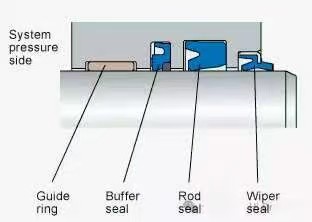
·Mengendalikan kejutan tekanan tinggi secara tiba-tiba
·Melindungi segel batang daripada lonjakan tekanan
·Boleh melepaskan tekanan yang terperangkap di antara segel, yang menjadikan segel batang lebih tahan lama dan membenarkan jarak yang lebih luas tanpa ekstrusi. Juga sangat tahan haus.
5. Cincin Panduan (Julat Kehausan)
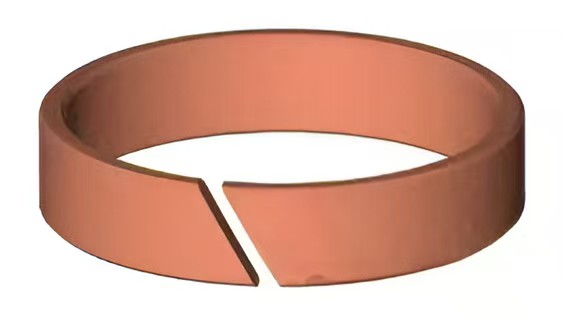
·Menghalang komponen logam di dalam silinder daripada bersentuhan antara satu sama lain
·Menjaga pusat batang omboh dan omboh
·Membantu memperpanjang jangka hayat segel
6. Cincin-O
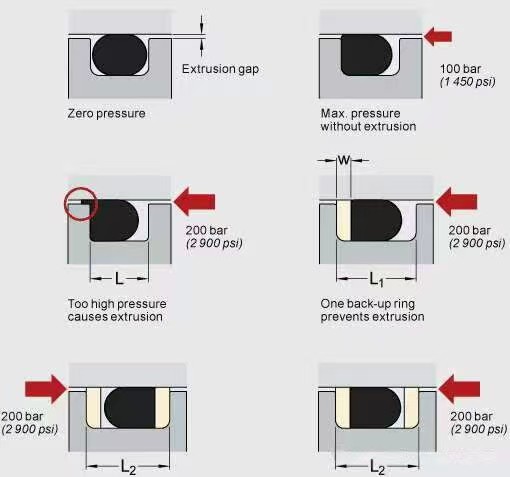
·Paling biasa digunakan untuk segel statik (tidak bergerak)
·Disegel dengan cara dipicit secara jejarian atau aksial
·Beroperasi dalam kedua-dua arah
·Boleh digunakan sebagai pembekal daya atau sebagai segel utama
·Penyegelan sendiri—tiada tekanan atau kelajuan tambahan diperlukan
Teknologi penyegelan merupakan teras kebolehpercayaan, jangka hayat panjang, dan kecekapan sistem hidraulik. Dari pemilihan bahan tunggal yang sesuai hingga rekabentuk sistem pelbagai komponen yang lengkap, setiap pilihan mesti sepadan dengan tekanan, suhu, dan keadaan kerja yang tepat.

Welcome to HOVOO, a Chinese seal factory. Production of PU, Rubber and PTFE seals. The seals include O-ring, piston seal, rod seal, Gray ring and gas seal.


 EN
EN
 AR
AR CS
CS DA
DA NL
NL FI
FI FR
FR DE
DE EL
EL IT
IT JA
JA KO
KO NO
NO PL
PL PT
PT RO
RO RU
RU ES
ES SV
SV TL
TL IW
IW ID
ID LV
LV SR
SR SK
SK VI
VI HU
HU MT
MT TH
TH TR
TR FA
FA MS
MS GA
GA CY
CY IS
IS KA
KA UR
UR LA
LA TA
TA MY
MY
